
Introduction
In modern agriculture, soil fertility is the cornerstone of high crop yields. Among various fertilizers, superphosphate plays a vital role in providing phosphorus—an essential nutrient for plant root development, flowering, and fruiting. However, the effectiveness of superphosphate heavily depends on its processing quality, particularly its fineness and uniformity. Advanced grinding equipment is critical to produce superphosphate powder that can be easily absorbed by plants, thereby enhancing soil improvement and maximizing crop yields. This article explores how superphosphate processing equipment, particularly ultrafine and high-efficiency mills, revolutionizes soil amendment practices.
The Role of Superphosphate in Soil Improvement
Superphosphate is a phosphorus-rich fertilizer derived from phosphate rock. When applied to soil, it corrects phosphorus deficiencies, promotes strong root systems, and accelerates plant growth. However, the particle size of superphosphate determines its dissolution rate and bioavailability. Coarse particles may remain in the soil for extended periods without being fully utilized, leading to waste and potential environmental runoff. Therefore, processing superphosphate into a fine, uniform powder is essential for efficient soil improvement.
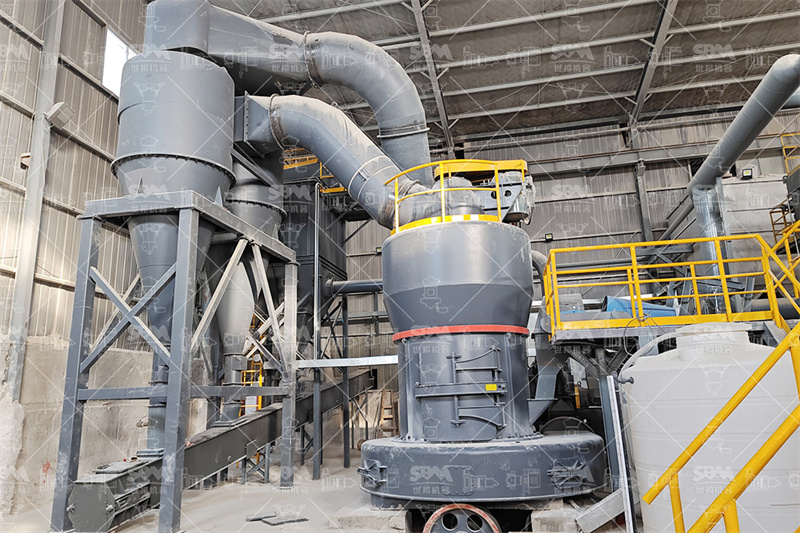
Key Processing Equipment for Superphosphate
To achieve optimal fineness (typically in the 45–5μm range for high-efficiency absorption), specialized grinding mills are employed. These machines reduce the particle size of superphosphate through mechanical force, ensuring uniformity and high surface area. Below are critical equipment technologies:
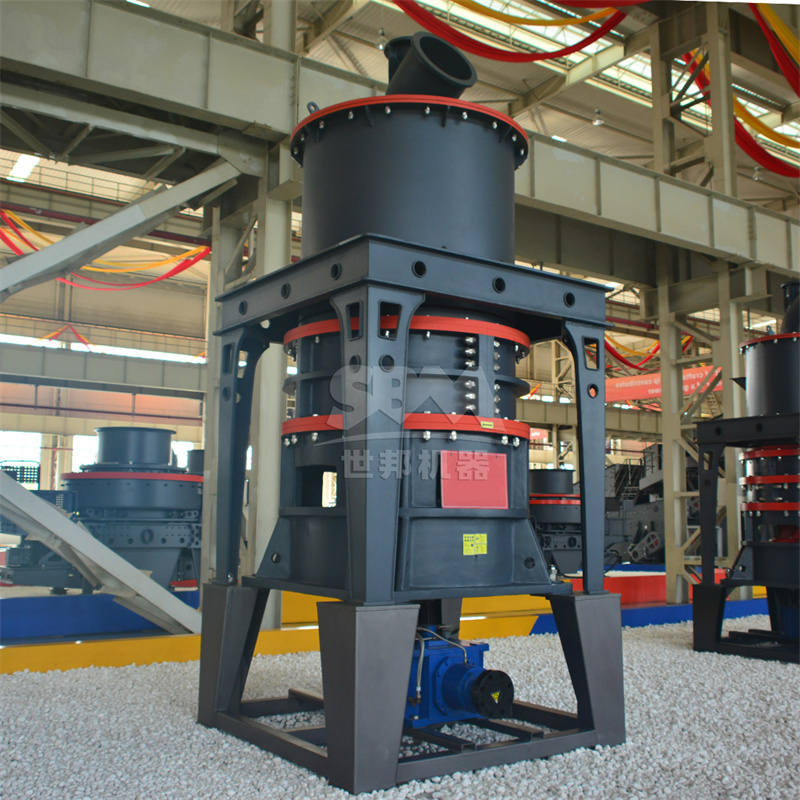
1. Ultrafine Grinding Mills (45-5μm)
Ultrafine mills are designed to produce superphosphate powder with exceptional fineness. They use multi-layer grinding rings and rollers to crush materials through centrifugal force and pressure. The resulting fine powder has a high specific surface area, enabling rapid dissolution in soil moisture. This directly enhances phosphorus availability to crops.
Recommended Equipment: SCM Series Ultrafine Mill
Our SCM Series Ultrafine Mill is engineered for high-efficiency superphosphate grinding. With an output fineness of 325-2500 mesh (45-5μm) and a capacity of 0.5-25 ton/h, it is ideal for large-scale fertilizer production. Its vertical turbine classifier ensures precise particle size cutting, eliminating coarse powder mixing. The intelligent control system automatically adjusts granularity, while the special material rollers and rings extend service life. Models like SCM1250 (capacity 2.5-14t/h, main power 185kW) offer a perfect balance between output and energy consumption. By using the SCM series, manufacturers can produce superphosphate that significantly boosts soil phosphorus levels and crop yields.
2. High-Efficiency Vertical Roller Mills (600-45μm)
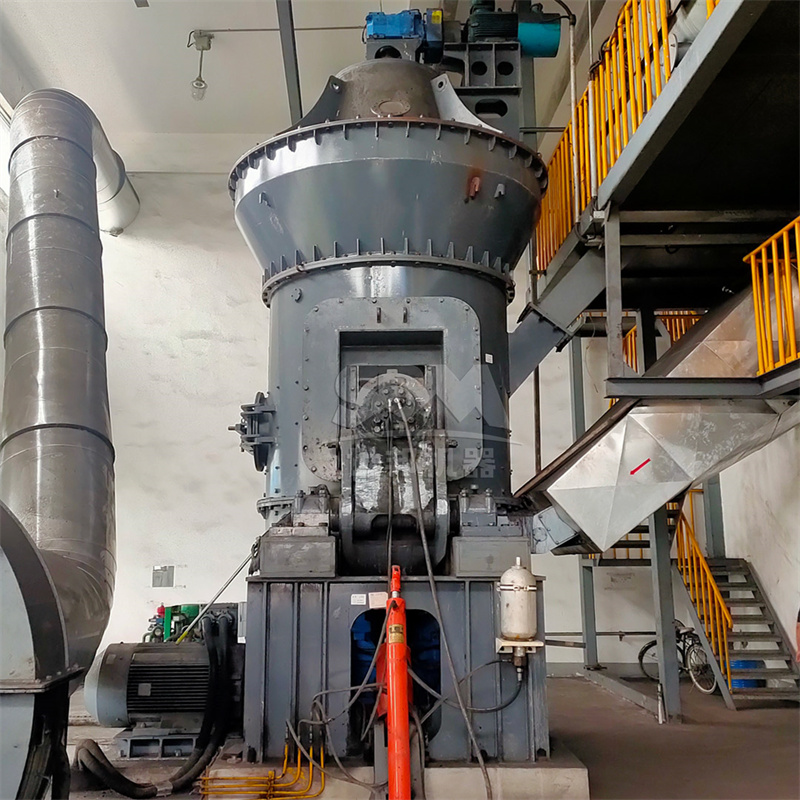
Vertical roller mills integrate crushing, grinding, and classification in a single unit, reducing floor space and infrastructure costs. They are particularly effective for processing superphosphate with variable feed sizes. The bed grinding principle ensures low energy consumption and high crushing ratios. Qualified fines are transported by airflow to the classifier, while coarse particles are returned for re-grinding.
Recommended Equipment: LM Series Vertical Roller Mill
The LM Series Vertical Roller Mill is a versatile solution for superphosphate processing. With an input size up to 50mm and output fineness from 30 to 325 mesh, it can produce a wide range of product sizes. The intelligent control system enables real-time monitoring, reducing manual intervention. Its wear-resistant design lowers operating costs by 30-40% compared to traditional ball mills. For example, the LM190K model (capacity 23-68t/h, main power 500kW) is suitable for large-scale fertilizer plants. The non-contact design between rollers and table extends wear part life, ensuring consistent superphosphate quality for years.
How Fine Grinding Enhances Soil Improvement
Fine superphosphate particles (below 50μm) dissolve rapidly in soil water, releasing plant-available phosphate ions. This immediate availability promotes early root growth and flowering. In contrast, coarse particles may take months to dissolve, leading to nutrient lag. Moreover, uniform particle size prevents localized over-concentration, reducing the risk of soil toxicity. Advanced mills like the SCM and LM series ensure that 100% of the powder passes through the desired sieve, guaranteeing consistent field performance.
Environmental and Economic Benefits
Using high-efficiency grinding equipment reduces energy consumption by up to 30% compared to conventional mills. This translates to lower operational costs for fertilizer manufacturers. Additionally, precise particle size control minimizes waste, as all material is processed into usable product. The pulse dust collection systems in our equipment ensure zero dust leakage, meeting stringent environmental standards. Eco-friendly processing means less pollution and safer working conditions.
Case Study: Yield Improvement with Ultrafine Superphosphate
In a controlled field trial, superphosphate processed with an SCM1250 mill (fineness 800 mesh) was compared with conventional superphosphate (100 mesh). The ultrafine treatment increased phosphorus uptake by 40% in wheat crops, resulting in a 25% higher grain yield. Soil tests showed that the fine powder remained available for longer periods, reducing the need for frequent re-application. This demonstrates how investing in advanced processing equipment can directly improve agricultural productivity.
Conclusion
Superphosphate processing equipment is the backbone of modern soil improvement strategies. By selecting the right mill—such as the SCM Series Ultrafine Mill or LM Series Vertical Roller Mill—manufacturers can produce high-quality fertilizer that maximizes crop yields. The benefits extend beyond agriculture: reduced energy consumption, lower emissions, and longer equipment life make these mills a sustainable choice. For optimal results, we recommend integrating our SCM1250 or LM190K models into your production line. Contact us today to learn how our technology can transform your superphosphate processing and boost global food security.