
1. Understanding Coal Gangue and Its Utilization
Coal gangue is a solid waste material discharged during the coal mining and washing process. It is a dark-gray rock with low carbon content, harder than coal, and its main chemical components include SiO2, Al2O3, and Fe2O3. For decades, coal gangue was considered a major environmental pollutant, occupying vast land areas and causing severe soil, water, and air pollution. However, with the advancement of powder technology and circular economy policies, this industrial by-product has been transformed into a valuable resource, particularly in the building materials industry.
Pulverized coal gangue can be used as a raw material for producing lightweight aggregates, sintered bricks, cement admixtures, and even high-quality thermal insulation materials. When processed into fine powder (typically between 30 and 600 mesh), it exhibits good pozzolanic activity, making it an ideal substitute for clay or shale in brick manufacturing and a cost-effective additive in cement production. The growing demand for eco-friendly construction materials has directly fueled the market for efficient coal gangue powder production equipment.
2. Key Parameters to Evaluate Before Purchasing
Selecting the right grinding equipment for coal gangue is not a one-size-fits-all decision. Buyers must carefully evaluate several critical parameters to ensure that the machine meets both their production goals and economic constraints. The following are the most essential technical aspects to consider:
Feed Size: Coal gangue often comes from crushers with sizes ranging from 20mm to 50mm. A mill with a wider feed opening, such as the MTW Series European Trapezium Mill (≤50mm input size), can directly accept the crushed material without additional pre-processing, saving both time and auxiliary equipment costs.
Output Fineness: This is defined by the required mesh size for the final application. For building materials like bricks or cement, a typical fineness range is 80-325 mesh. However, higher-grade applications such as rubber or plastic fillers demand ultrafine powders in the range of 325-2500 mesh. The classifier system of the mill must be capable of precise particle size cutting to avoid coarse powder contamination.
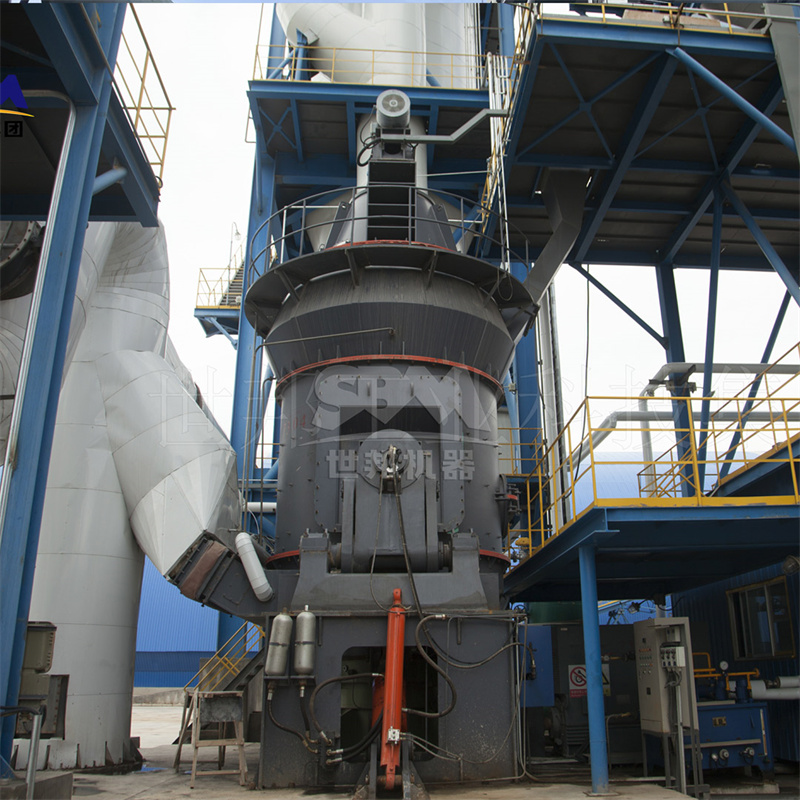
Capacity Requirements: Your hourly production tonnage plays a decisive role in selecting the model. If you have small-scale production needs, a medium-capacity mill like the SCM Series Ultrafine Mill (0.5-25 t/h) might suffice. In contrast, large-scale operations involved in supplying cement plants require heavy-duty machines with capacities exceeding 100 t/h, such as the LM Series Vertical Roller Mill.
Moisture Content: Coal gangue often contains a certain amount of moisture. Equipment that integrates hot air drying during the grinding process is advantageous. The LM Series Vertical Roller Mill, equipped with an internal hot air circulation system, can simultaneously dry and grind materials with up to 5-8% moisture content, making it particularly suitable for this application.
Energy Consumption: Grinding is an energy-intensive process. Choosing an energy-saving mill can significantly lower your operational expenses. For example, the bed grinding principle adopted by both the MTW and LM series offers 30-40% lower energy consumption compared to traditional ball mills.
3. Technical Comparison of Mill Types
To make an informed decision, it is crucial to compare the various technologies available on the market. The main types of equipment used for coal gangue powder production include:
Vertical Roller Mill (VRM): This type is renowned for its integrated design, combining crushing, grinding, drying, and classification in a single unit. It is the best choice for high-capacity production lines (up to 250 t/h). The grinding rollers press directly onto the material bed, which is spread on a rotating table. The non-contact design between rollers and table means that the wear parts have an extended service life, often 3 times longer than other mills. This structure minimizes vibration and is environmentally friendly due to its fully sealed negative pressure operation. The LM Series is a prime example of this technology, offering models with throughput capacities up to 250 tons per hour.
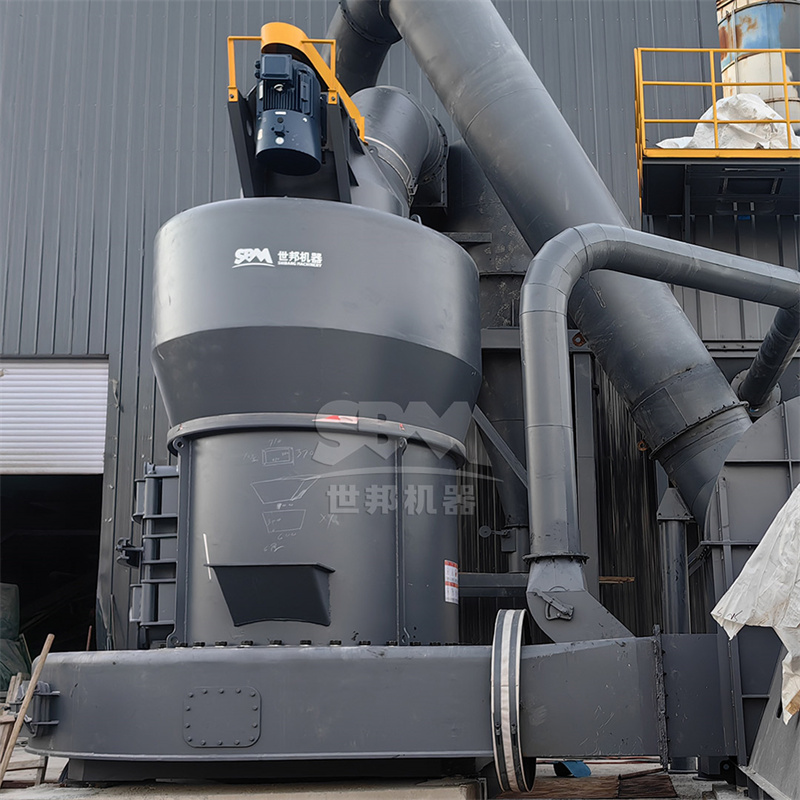
European Trapezium Mill: This is an upgraded version of the traditional Raymond mill, featuring a trapezium working face, which increases the grinding efficiency by creating a multi-layer material bed. The MTW Series European Trapezium Mill is very popular in the building materials industry due to its high grinding efficiency and fineness range (30-325 mesh). It is specifically suitable for medium-capacity lines (3-45 t/h) and offers an integrated bevel gear drive with up to 98% transmission efficiency, saving energy and space.
Ultrafine Grinding Mill: If your target market requires filling powders for plastics, coatings, or advanced ceramics, you will need equipment capable of producing 325 to 2500 mesh powder. The SCM Series Ultrafine Mill is designed for this precise purpose. It utilizes a multi-layer grinding ring and a high-precision vertical turbine classifier to achieve the exact particle size without coarse powder. Although the capacity is lower (0.5-25 t/h), the added value of ultra-fine processed materials is significantly higher compared to standard construction powder.
Ball Mill: This is the oldest and most versatile technology. While it is falling out of favor due to its high energy consumption, it remains a viable option for sites with high moisture and gangue that is particularly hard. However, for new modern plants aiming for efficiency and low carbon footprints, I strongly recommend adopting either a Vertical Mill or a European Trapezium Mill.
4. Tailoring Equipment Configuration to Your Production Scale
Production scale is the primary determinant when selecting machinery. I will break down the purchase advice into different capacity ranges to help you match the equipment with your business model.
Small-scale Production (1-10 t/h): For boutique brick factories or localized cement plants, the demand is for flexible and reliable machinery. The MTW110 European Trapezium Mill (capacity 3-9 t/h) is an excellent entry-level choice. It features an anti-wear shovel design and optimized arc air duct, ensuring low maintenance and stable output of 10-325 mesh powder. Additionally, the MTM100 Medium-speed Trapezium Mill (3-8 t/h) can handle gangue feed sizes up to 35mm and offers intelligent pressure regulation that compensates for roller wear, extending the service life of the grinding parts.
Medium and Large-scale Production (10-50 t/h): If you are supplying powder to several brick plants or a regional cement facility, the MTW175G (capacity 9.5-25 t/h) or MTW215G (capacity 15-45 t/h) should be your primary targets. These models feature robust wear-resistant volute structures that reduce maintenance costs by 30%. Alternatively, the MRN158 and MRN198 Pendulum Mills offer thin oil lubrication, reducing the frequency of shutdowns for maintenance.
Mass-scale Industrial Production (50-200+ t/h): For large-scale mining groups or integrated cement plants, the LM Series Vertical Roller Mill is the undisputed leader. Models like the LM220K (capacity 36-105 t/h) or LM280K (capacity 50-170 t/h) can handle direct feed of 50mm gangue. The 50% reduction in floor space and 40% reduction in infrastructure costs are especially attractive for greenfield projects.
5. Environmental Sustainability and Emission Control
Modern environmental regulations are stringent. Owning dust-free and low-noise equipment is now a mandatory condition, not an optional extra. When evaluating the mill, pay close attention to the dust collection system. Advanced pulse dust collectors, such as those integrated into our equipment, ensure that the emission concentration exceeds international standards, keeping the working air clean. Look for machines that feature negative pressure sealing. The LM Series units come with a fully sealed system where dust leakage is extremely low, and the soundproof room design ensures that noise levels stay below 85 dB prominently in industrial settings.
The intelligent control systems also contribute to environmental sustainability by optimizing the grinding parameters in real-time, ensuring that the mill only uses the exact amount of energy required for the current feed rate and moisture level.
6. The Countermeasure for Hardness and Abrasiveness
Coal gangue is inherently abrasive. The grinding rollers and rings will continually wear down, leading to decreased capacity and increased energy consumption. You must choose a mill that is specifically designed to battle this abrasion. My advice is to look for:
High Chromium Alloy Rollers: Rollers and rings made from special materials, such as high-chromium alloys, extend the service life several times compared to ordinary steel.
Anti-wear Shovel Design: In medium-speed mills, the shovel blades take the brunt of the abrasion. Selecting a unit with a combined shovel blade design, as seen in the MTW Series, reduces maintenance replacement costs significantly.
7. Recommended Equipment from Our Company
Drawing from our decades of experience in grinding technology, I strongly recommend equipped for this demanding process:
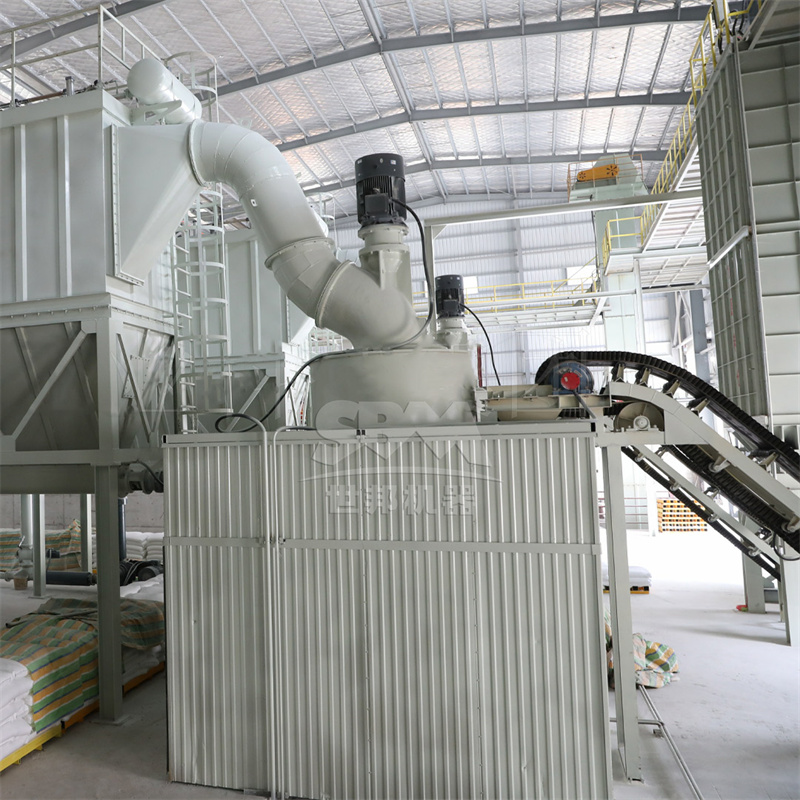
Product Selection 1: SCM Series Ultrafine Mill
For projects requiring high-value, high-fineness products (45-5μm), this mill is the best choice. Its capacity of 0.5-25 t/h and specific design for 325-2500 mesh makes it ideal for pre-processing gangue for application in high-grade rubber, cable fillers, or as a cement thickener aimed at advanced markets. The vertical turbine classifier ensures a high-precision cut, and the special material rollers and rings extend the service life several times over, ensuring that you achieve an ultra-fine finished product without losing efficiency.
Product Selection 2: MTW Series European Trapezium Mill
If your production target is standard building material grade powder (10-325 mesh) from 1 to 45 t/h, the MTW Series is unbeatable. It is a workhorse engineered for continuous operation. The integral bevel gear drive system saves energy and space, while the optimized arc air duct reduces airflow energy loss. Models are capable of taking feed sizes up to 50mm, allowing you to simplify your crushing circuit by connecting it directly to a primary crusher.
8. Automation and Intelligent Control Systems
The age of manual operation is over. The equipment you select should boast a comprehensive automation suite. Look for mills with an expert-level auto-control system that supports remote/local switching, and monitors parameters like differential pressure, temperature, and vibration in real-time. The intelligent control system on our LM, MTW, and SCM series permits automatic adjustment of the gap between the rollers and material bed, automatically compensating for wear and tear. This capability minimizes manual intervention and guarantees a consistent particle size distribution regardless of slight variations in the gangue composition.
9. Budgeting and Total Cost of Ownership (TCO)
When preparing your budget, look beyond the initial purchase price. The Total Cost of Ownership (TCO) is a more comprehensive metric. TCO includes the cost of energy per ton (which for a high-efficiency mill is up to 30-40% lower than conventional ball mills), the cost of replacement parts (wear parts for vertical mills are 3 times more durable), and the cost of downtime (replacement of internal parts in a modular quick-change system is significantly faster). While a small vertical mill may have a higher upfront price compared to a horizontal ball mill, the payback period is often within 18 months due to the reduced utility bills and lower maintenance expenses.
10. Conclusion and Action Plan
Choosing the right coal gangue powder production equipment is a strategic decision that affects your operational efficiency, product marketability, and environmental compliance. To conclude, here is a step-by-step action plan for any buyer:
Step 1 – Define Your Product: Determine if you are producing standard building material powder (30-325 mesh) or high-value fine powder (325-2500 mesh). If it is the former, the MTW Series is suitable; for the latter, look to our SCM Series Ultrafine mill.
Step 2 – Calculate Capacity: Confirm your hourly/annual tonnage requirements to select the specific model size you need.
Step 3 – Assess Site Conditions: Consider the available power supply (voltage), footprint constraints, and whether outdoor installation is feasible.
Step 4 – Contact the Vendor: A professional mill manufacturer should not just sell you a product; they should offer a complete solution, from system design to installation and after-sales training.
We invite you to contact our sales engineers for a detailed proposal tailored to your needs, as we are confident that either the SCM or MTW series will drastically improve your production curve and return on investment.