
Introduction
Kaolin, also known as china clay, is a critical industrial mineral used extensively in the production of building materials, ceramics, paper, paint, and rubber. For building material grade kaolin, the quality of the final powder—characterized by its fineness, whiteness, and chemical purity—directly impacts the performance of end products such as high-grade tiles, sanitary ware, and specialty cements. Selecting the right grinding and classification equipment is therefore paramount to achieving both high output and superior product quality. This article provides a comprehensive guide on how to choose kaolin powder production equipment, focusing on key technical parameters, process requirements, and the advanced solutions available from modern manufacturers.
Understanding the Requirements of Building Material Grade Kaolin
Building material grade kaolin typically requires a fineness ranging from 45 micron (325 mesh) to 10 micron (1250 mesh), with a specific emphasis on uniform particle size distribution and minimal contamination. The raw kaolin, often with a moisture content of 15-20%, needs to be dried, ground, and classified. The choice of equipment hinges on several factors: the desired output fineness, production capacity, energy efficiency, and operational stability. For instance, producing ultra-fine kaolin for high-gloss paints or advanced ceramics demands mills capable of consistent micron-level grinding, while standard building materials may be adequately processed by medium-speed mills.
Key Equipment Categories for Kaolin Grinding
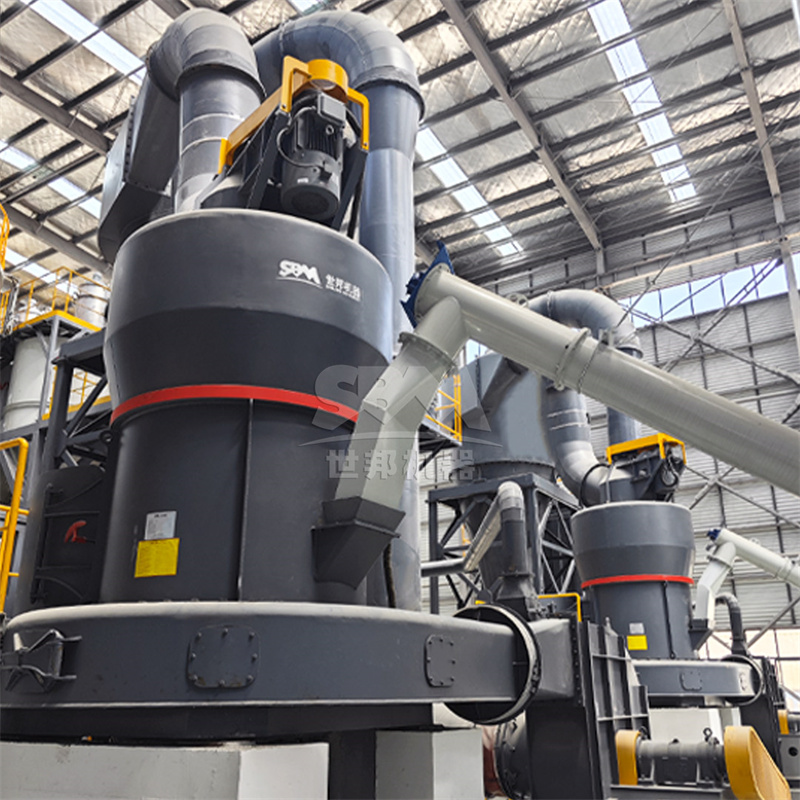
There are several types of mills commonly used for kaolin processing: Ball Mills, Raymond Mills, Vertical Roller Mills (VRM), and Ultrafine Mills. Each has distinct advantages. Ball Mills are robust and versatile but suffer from high energy consumption and noise. Raymond Mills are cost-effective for medium fineness but may struggle with consistency. Vertical Roller Mills offer excellent efficiency and drying capabilities but are typically larger capital investments. For the highest quality building material grade kaolin, especially when a fineness below 10 micron (1250 mesh) is required, ultrafine grinding mills are the industry standard.
Critical Factors in Equipment Selection
1. Output Fineness and Classification Precision
The ability to produce powder within a tight particle size distribution (PSD) is non-negotiable for premium kaolin. A high-precision classifier ensures that no coarse particles contaminate the final product. Equipment featuring vertical turbine classifiers, as seen in advanced mill designs, allows for precise particle size cutting and automatic feedback control, guaranteeing uniform finished products. For building materials, avoiding ‘coarse powder mixing’ is essential for consistent color and strength.
2. Energy Efficiency and Operational Cost
Grinding is an energy-intensive process. The best equipment offers a significant reduction in energy consumption compared to traditional methods. For example, some modern technologies claim capacity double that of jet mills with 30% lower energy consumption. Choosing a mill with an intelligent control system that automatically adjusts parameters based on finished product granularity can lead to substantial long-term savings.
3. Durability and Maintenance
Kaolin can be abrasive. The wear life of grinding rollers and rings is a critical factor. Mills that use special wear-resistant materials or have non-contact designs between rollers and grinding tables can extend service life by several times. Features like shaftless screw grinding chambers and hydraulic roller change systems in vertical mills significantly reduce downtime and maintenance costs.
4. Environmental Compliance and Footprint
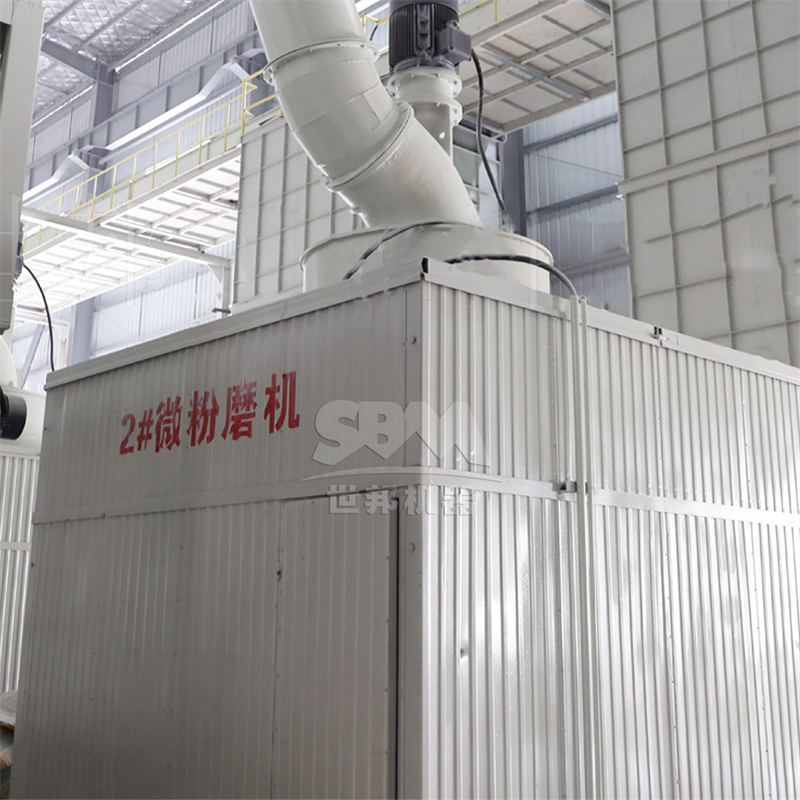
Modern production facilities must adhere to strict environmental regulations. A complete system should include pulse dust collection with efficiency exceeding international standards and soundproof room designs to keep noise levels low. Equipment with a fully sealed negative pressure operation prevents dust leakage, ensuring eco-friendly production and protecting operator health.
Recommended Solutions from Our Product Portfolio
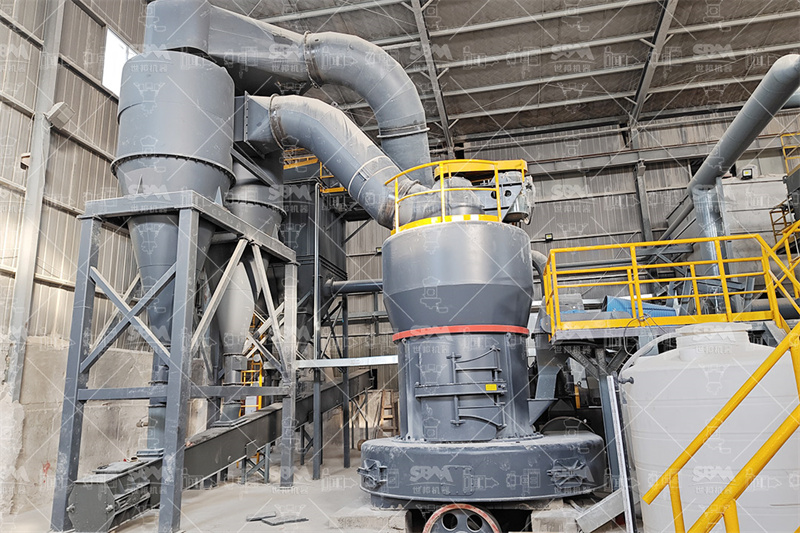
Based on the above criteria, we recommend two outstanding options from our product range that are ideally suited for producing high-quality building material grade kaolin. Our SCM Series Ultrafine Mill is the premier choice for ultra-fine kaolin powder production (45-5μm / 325-2500 mesh). With an input size capability of ≤20mm and a capacity ranging from 0.5 to 25 tons per hour (model-dependent), it excels in efficiency and precision. Its vertical turbine classifier ensures no coarse powder mixing, and its intelligent control system with automatic finished product granularity feedback makes it a highly efficient, energy-saving solution. The specially material rollers and rings guarantee long service life, while the pulse dust collection system meets the highest environmental standards. Available models include the SCM800, SCM900, SCM1000, SCM1250, and SCM1680, each designed to meet different capacity requirements.
For operations requiring a larger capacity for standard building material grade fineness (30-325 mesh / 600-45μm), our MTW Series European Trapezium Mill stands out as a highly reliable and robust solution. It handles input sizes up to 50mm and offers capacities from 3 to 45 tons per hour. Key advantages include its anti-wear shovel design with combined shovel blades, which reduces maintenance costs, and its optimized arc air duct that improves transmission efficiency. The integral bevel gear drive achieves up to 98% transmission efficiency, saving both space and installation costs. Its wear-resistant volute structure improves air selection efficiency, resulting in a high-quality, uniform final product. Models range from the MTW110 to the high-capacity MTW215G, offering flexibility for various production scales.
Conclusion
Choosing the correct production equipment for building material grade kaolin is a strategic decision that affects product quality, operational efficiency, and profitability. By focusing on factors like classification accuracy, energy consumption, durability, and environmental compliance, manufacturers can ensure a high-quality output that meets market demands. The SCM Series Ultrafine Mill and MTW Series European Trapezium Mill represent the pinnacle of modern grinding technology, offering tailored solutions for different fineness and capacity requirements. Investing in such advanced machinery not only secures a competitive edge but also guarantees a consistent, premium-grade kaolin powder for the building materials industry.