Introduction: The Growing Demand for Quality Marble Powder
In the modern building materials industry, marble powder has transcended its traditional role as a simple filler. Today, it is a critical functional component in the production of artificial stone, high-grade putty, joint compounds, PVC floorings, and even advanced coatings. The quality of the final building material is directly proportional to the fineness, purity, and consistency of the marble powder used. Consequently, selecting the right production equipment is not just a matter of purchasing machinery; it is a strategic decision that defines your product’s market positioning, operational efficiency, and long-term profitability.
This guide aims to provide manufacturers with a comprehensive framework for selecting marble powder production equipment. We will dissect the key technical parameters, analyze different grinding technologies, and focus on the specific requirements for building material grade powders (typically 325 mesh to 2500 mesh). By understanding these fundamentals, you can make an informed choice that balances energy consumption, capital expenditure, and product quality.
Defining Your Product Specification: The 325-2500 Mesh Imperative
Before evaluating any machinery, you must precisely define your target product profile. For building materials, the concept of “grade” is intrinsically linked to particle size distribution (PSD) and specific surface area. While coarse powders (200-325 mesh) are suitable for basic aggregates, the high-value applications such as artificial marble panels, glass-reinforced concrete, and high-fill masterbatches require ultra-fine powders.
Fineness Targets: The most demanding applications often require powder between 45μm (325 mesh) and 5μm (2500 mesh). Choosing equipment that can consistently hit a D97 or D95 cut point without coarse particle contamination is crucial. The selection of the grinding mill’s classifier is the primary factor determining this precision.
Chemical and Physical Properties: Building material grade marble powder (Calcium Carbonate) must have controlled brightness (typically above 90% ISO brightness), low iron content, and controlled moisture. The grinding process must not introduce impurities from the wearing parts. Therefore, the choice of alloy materials for grinding rollers and rings is directly linked to product whiteness.
Critical Evaluation Criteria for Marble Grinding Equipment
When comparing offers from different equipment suppliers, moving beyond just the initial price tag is essential. Here are the six core criteria to evaluate:
1. Energy Efficiency (kWh per Ton): Grinding is an energy-intensive process. Look for mills that utilize a “material bed” grinding principle rather than single-point impact. The difference in power consumption can be 30-40% between an advanced vertical roller mill and a traditional ball mill. Over a decade of operation, this difference represents millions of dollars in savings.
2. Precision of Classification:
For marble powder used in construction sealants, the presence of oversized particles (even a small percentage) can ruin the surface finish of the final product. Equipment must include a high-performance classifier, such as a vertical turbine classifier, to ensure steep particle size distribution curves and no over-grinding.
3. Wear and Tear Costs: Marble (Calcium Carbonate) has a hardness of 3 on the Mohs scale, but its abrasive nature on steel is moderate. The sliding and rolling action causes wear on the grinding media and liners. Equipment with specially treated rollers and rings (e.g., high chromium alloy or composite materials) will extend service life by several times, directly reducing maintenance labor and spare part inventory costs.
4. Operational Stability and Safety:
The equipment must have a stable operational window to handle variations in feed size (typically ≤20mm) without mechanical shock. Features like an integral bevel gear drive (as seen in modern trapezium mills) ensure high transmission efficiency and reduce the risk of gearbox failure. Furthermore, a fully sealed, negative-pressure system is non-negotiable for environmental compliance and workplace safety.
5. Intelligent Control Systems:
Automation is vital for consistency. A mill equipped with an intelligent control system that automatically adjusts the classifier speed and grinding pressure based on real-time feedback ensures that every batch meets the strict fineness specifications. This reduces the reliance on manual supervision and minimizes operator error.
6. Footprint and Installation Costs:
Traditional grinding systems often require large floor areas and complex civil engineering works. Integrated systems that combine grinding, drying (if needed), and classification in a single unit reduce the footprint by up to 50%, significantly lowering the infrastructure investment.
Technological Options: From Ball Mills to Roller Mills
Let us compare the primary technologies available for medium to ultra-fine powder production (45-45μm).
The Legacy: Ball Mills
While ball mills are reliable and well-understood, they fall short in modern ultra-fine marble powder production. They are extremely energy-inefficient, wasting up to 70% of energy as heat. Their classification efficiency outside the mill is poor, often requiring a separate and expensive air classifier system. For building material grade powders, they are generally not recommended unless massive capacity at a coarse 200 mesh is required.
The Workhorse: European Trapezium Mills
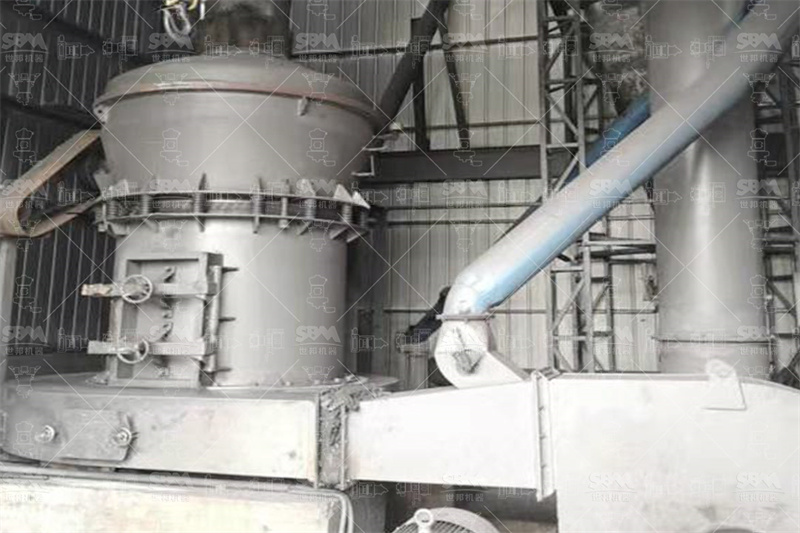
The Trapezium Mill (MTW series) is a staple for processing minerals with a fineness range of 30-325 mesh (600-45μm). If your target market involves standard artificial stone or industrial fillers on the coarser end of the spectrum, this is a cost-effective solution. The integral bevel gear drive in these machines offers transmission efficiency up to 98%. 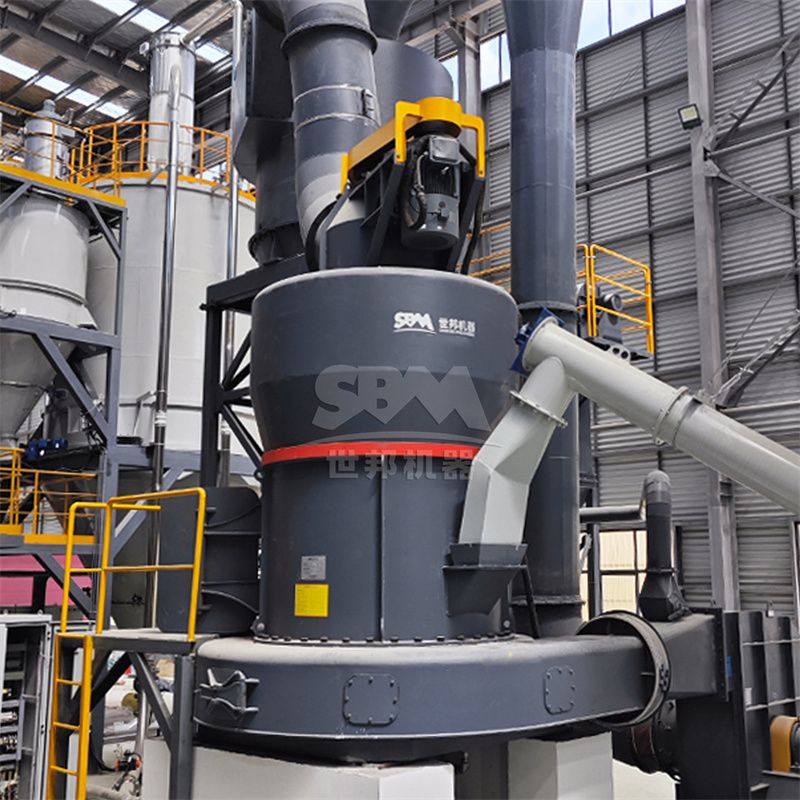
The Precision Instrument: Ultrafine Vertical Roller Mills
For building materials requiring top-tier smoothness, such as high-end artificial marble or cosmetics-grade fillers (though often we stick to construction), the Ultrafine Vertical Roller Mill (LUM series) is preferred. It integrates grinding and classification in one machine, using a multi-rotor classifier to precisely extract fines ranging from 325-2500 mesh. This is the definitive solution for high-value, high-purity powder.
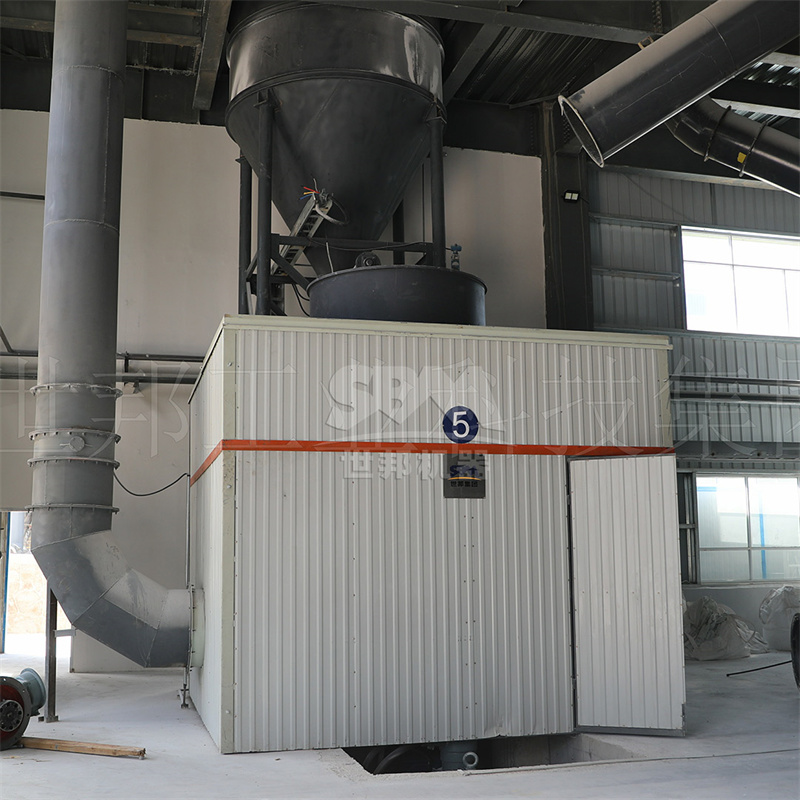
To meet these strict requirements, we recommend the SCM Series Ultrafine Mill. Specifically engineered for the 45-5μm (325-2500 mesh) range, this equipment redefines efficiency in ultra-fine grinding. The SCM series boasts a capacity 2x that of traditional jet mills while consuming 30% less energy. Its vertical turbine classifier ensures absolutely no coarse powder mixing, guaranteeing that your building material group consistently meets the highest grade standards.
Diving Deep: Key Features of the SCM Series Ultrafine Mill
When selecting for ultra-fine building material grade powder, the equipment’s ability to maintain purity and avoid over-grinding is paramount. The SCM series achieves this through a unique spiral agitator and specialized roller design. The grinding rollers press against the inner ring, and as the three-layer grinding rings rotate, materials are crushed and sheared layer by layer. The special material used for the rollers and rings extends their service life several times over, protecting the marble powder from iron contamination.
- Capacity: Ranging from 0.5 t/h (SCM800) up to 25 t/h (SCM1680), it scales with your production needs.
- Eco-Friendly: The pulse dust collection efficiency exceeds international standards, and the soundproof room design ensures noise levels are kept to comfortable limits, allowing clean production workshops.
- Intelligent: It comes with automatic finished product granularity feedback, ensuring that the D97 of your powder never varies regardless of the hardness of the raw stone.
Scaling Up: The Case for High-Capacity Roller Mills
As manufacturers grow, the demand for volume increases. For those producing building material grade powder on a massive scale (e.g., over 50 tons per hour), the LM Series Vertical Roller Mill offers an unrivalled solution. This equipment integrates crushing, drying, grinding, and classifying into one unit, reducing the floor space by 50% compared to a ball mill system. The non-contact design between the rollers and the grinding table allows for a 30-40% lower energy consumption than ball mill systems. For marble processors focusing on high-volume, consistent 325-mesh production for the dry mortar industry, the LM vertical roller mill’s large capacity (up to 250 t/h) and low wear rate make it the logical choice.
For a specific high-output option, our MTW Series European Trapezium Mill (specifically the MTW215G or MRN218 models) offers capacities up to 45 t/h. The anti-wear shovel design in this series is superb, as combined shovel blades are curved to extend the grinding roller’s life, which is essential for round-the-clock operations. The optimized arc air duct reduces airflow energy loss, lowering operational costs.
Case Study: Matching Technology to Application
Consider a scenario:
Application: Production of ultra-fine powder (800-1500 mesh) for use in high-grade PVC floor tiles.
Recommended Equipment: SCM1250 Ultrafine Mill.
Rationale: This application demands high brightness and extremely fine PSD to ensure the PVC surface has no visible protrusions. The SCM’s high-precision vertical turbine classifier ensures a D97 of <10μm, meeting this critical requirement without the high energy cost of a jet mill.
Conversely, if the goal is to mass-produce a basic 325-mesh powder for wall putty, a pendulum mill (MRN series) or a MTW trapezium mill would be more economical due to lower specific energy consumption per ton at that coarser fineness.
Financial Analysis: Total Cost of Ownership (TCO)
When choosing equipment, look at the Lifecycle Cost, not just the CapEx. The initial purchase price should represent only 40% of the total cost over a 10-year period. The rest is energy, maintenance, and downtime.
| Cost Factor | Ball Mill | Vertical Roller Mill (LM) | Ultrafine Mill (SCM) |
|---|---|---|---|
| Energy Consumption (kWh/t) | High (Base) | -30-40% | -30% vs Jet Mill |
| Wear Part Life | Short | Long (3x) | Long (Several times) |
| Building Space | Large | Small (50% less) | Compact |
| Maintenance Complexity | High | Low (Hydraulic) | Moderate |
Our company’s philosophy centers on optimizing this TCO. We integrate state-of-the-art pulse dust collectors and internal suction oil lubrication systems across our MTW and SCM series. These innovations reduce friction, lower maintenance hours, and ensure your plant confirms to strict environmental regulations without sacrificing output.
Site Preparation and Installation Considerations
Before the equipment arrives, ensure your foundation is isolated from vibration. Most modern mills, especially the SCM Ultrafine Mill, operate with minimal vibration due to the shaftless screw grinding chamber. However, the auxiliary equipment like the blower and vibrating feeder will require stable mountings. Our team provides detailed foundation drawings for the SCM and MTW models, ensuring a plug-and-play installation experience. For LM series, the modular grinding roller assembly allows for quick maintenance without heavy lifting equipment, reducing downtime to days, not weeks.
Conclusion: A Strategic Approach to Equipment Selection
Choosing building material grade marble powder production equipment is a multifaceted decision. You must align the machinery’s output fineness, capacity, energy footprint, and maintenance requirements with your end-product’s market expectations.
For ultra-fine and high-grade applications, the SCM Series Ultrafine Mill is the market leader in precision and energy efficiency.
For medium-fineness bulk production, the MTW Series Trapezium Mill offers unmatched durability and low cost per ton.
We recommend that manufacturers initiate pilot tests with their own marble samples. By analyzing the particle size distribution curve produced by our in-house testing facility using the actual SCM900 model, you can see firsthand the uniformity of the powder. This empirical data allows you to truly understand the grade of powder you can produce, ensuring that the equipment you invest in today remains an asset for decades.