
Introduction
The modern construction industry demands cement and concrete additives with superior performance, durability, and consistency. A key component in achieving these high standards is the use of building material grade slag powder, commonly known as Ground Granulated Blast Furnace Slag (GGBFS). The quality of this additive is directly determined by the grinding equipment used in its production. Choosing the right slag powder production equipment is not merely an operational decision; it is a strategic investment that dictates the final product’s fineness, reactivity, energy efficiency, and overall cost-effectiveness.
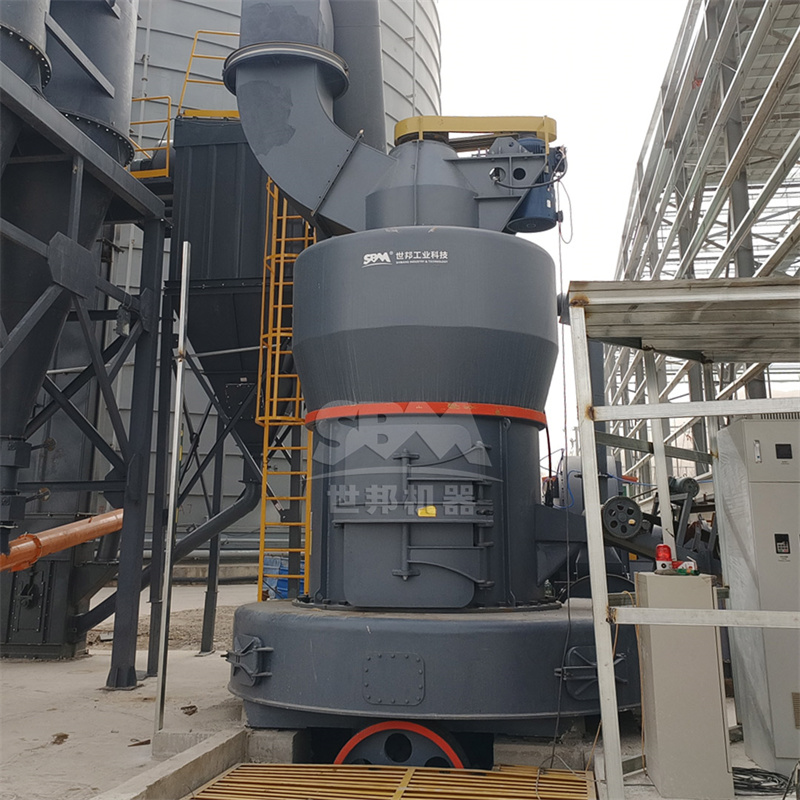
This article provides a comprehensive guide on how to select the optimal equipment for grinding slag into high-quality powder for cement and concrete applications. We will analyze key selection criteria, explore different mill technologies, and recommend solutions that meet the rigorous demands of modern construction materials.
Key Selection Criteria for Slag Grinding Equipment
Selecting the right mill requires a thorough evaluation of several critical parameters. These factors will influence the technology choice, model size, and overall plant configuration.
1. Required Fineness and Specific Surface Area: The quality of slag powder is primarily measured by its fineness, typically expressed in terms of specific surface area (cm²/g or m²/kg). For high-quality concrete additives, a specific surface area of 4000 to 5000 cm²/g (Blaine) is standard. Superior products, often reaching 6000 cm²/g or more, provide higher reactivity and early strength. The chosen equipment must be capable of consistently achieving and maintaining this precise fineness.
2. Production Capacity and Throughput: Your required throughput (tons per hour or annually) is a major factor. Small to medium operations might need 5-20 t/h, while large cement plants may require over 100 t/h. Matching the mill’s capacity to your production goals is crucial for financial viability.
3. Energy Consumption and Operating Cost: Grinding is an energy-intensive process, often accounting for 30-50% of the total production cost. Equipment with lower specific energy consumption (kWh/t) provides significant long-term savings. The efficiency of the grinding mechanism, classification system, and internal air flow are key to energy performance.
4. Moisture Content of Raw Slag: Blast furnace slag can have varying moisture levels, typically between 2% to 15%. The grinding system must be capable of handling this moisture. Mills with hot air feed systems can dry and grind simultaneously (in-situ drying), which is essential for high-moisture materials.
5. Feed Particle Size: The maximum particle size from feeding equipment (like a crusher or dryer) dictates the mill’s feed size requirement. Larger, more robust mills can accept coarser feed, potentially simplifying the upstream process.
6. Abrasiveness of the Material: Slag is a highly abrasive material due to its silicate and aluminate content. This directly impacts the wear rate of grinding components (rollers, rings, liners). Equipment designed with high-chrome alloys or specialized wear-resistant materials will have a longer service life and lower maintenance costs.
Comparative Analysis of Grinding Technologies
Several mill types are used for slag powder production. Understanding their strengths and weaknesses is vital for making an informed choice.
Ball Mills: The traditional workhorse for cement and slag grinding. They are robust, reliable, and suitable for a wide range of materials. However, they are notoriously energy-inefficient (often consuming 30-40% more power than modern alternatives), have a large footprint, and produce a high operating noise level. While they can achieve high fineness, their particle size distribution is often broader, which may not be ideal for the highest quality additives.
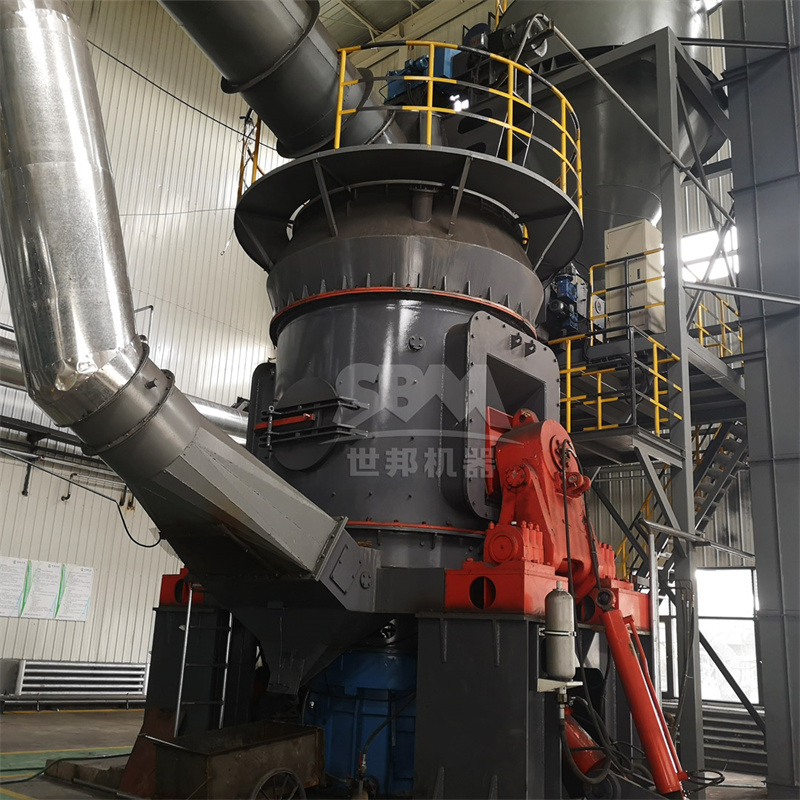
Vertical Roller Mills (VRMs): This is the most widely adopted modern technology for slag grinding. VRMs offer several advantages over ball mills. They integrate drying, grinding, and classification in a single unit, reducing the plant footprint significantly. Their energy consumption is substantially lower (30-40% less). They produce a narrow particle size distribution with consistent fineness, which is critical for high-performance concrete additives. The LM Series Vertical Roller Mill represents a pinnacle in this technology, featuring an integrated design that reduces infrastructure costs and provides intelligent control for stable operation.
Trapezium Mills and Pendulum Mills: These are medium-speed mills that offer a good balance between capital cost and operating efficiency. They are suitable for medium capacity ranges and produce consistent fineness. They are more energy-efficient than ball mills but generally less so than large-scale VRMs. Innovations like anti-wear shovel designs and bevel gear drives in the MTW Series European Trapezium Mill make them a very competitive choice for operations requiring 45-600μm fineness.
Selecting the Right Mill: A Practical Guide
Based on the criteria and technology analysis, here is a decision-making framework for selecting your slag powder production equipment.
For High-Capacity, High-Fineness Production ( >20 t/h, Blaine >4000 cm²/g):
The optimal choice is a dedicated Vertical Roller Mill. The LM Series Vertical Roller Mill is specifically engineered for this demanding task. Its integrated crushing, grinding, and selection system, combined with a 30-40% energy saving over ball mills, makes it the industry leader. The non-contact roller and table design dramatically extends wear part life, minimizing downtime.
For Ultra-Fine Slag Powder ( >600 mesh):
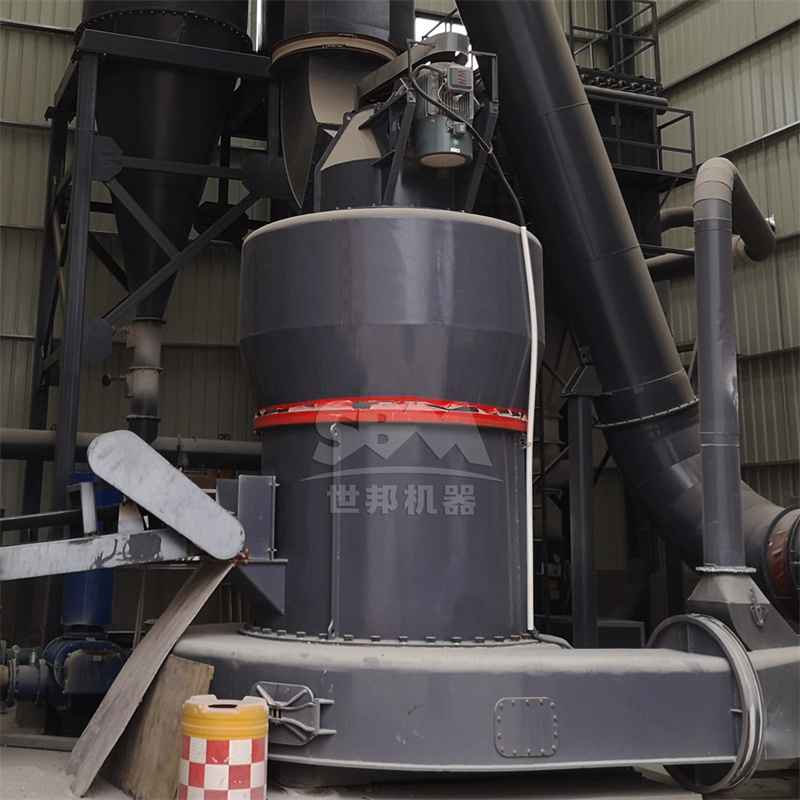
When the goal is to produce high-value, ultra-fine slag powder for special applications, a mill like the SCM Series Ultrafine Mill is required. Capable of producing powder from 325 to 2500 mesh (45-5μm), this technology uses a vertical turbine classifier for high-precision particle size cutting, ensuring no coarse powder mixing. Its capacity is 2x that of jet mills with 30% lower energy consumption, making it a highly efficient solution for the premium additive market.
For Medium Capacity, Cost-Effective Production (5-25 t/h):
The MTW Series European Trapezium Mill is an excellent choice. Its integral bevel gear drive with 98% transmission efficiency, combined with wear-resistant volute structure, offers a robust and reliable solution. The anti-wear shovel design and curved roller profile reduce maintenance costs and extend component life. This series is ideal for operations that need high quality without the capital investment of a large VRM system.
Recommended Solutions for High-Quality Slag Powder
Based on the analysis above, we recommend two primary solutions from our comprehensive product line for producing high-grade slag powder for cement and concrete additives.
Recommendation 1: LM Series Vertical Roller Mill
For large-scale operations demanding the highest efficiency and lowest energy consumption, the LM Series Vertical Roller Mill is the definitive solution. Its integrated design not only saves 50% in floor space but also reduces infrastructure costs by 40%. With capacities reaching up to 110 t/h for slag grinding (LM130N to LM370N models) and intelligent real-time monitoring, this mill ensures your slag powder meets the strictest specific surface area requirements with minimal operational intervention. You can achieve a Blaine fineness of 4000-5000 cm²/g with superior particle uniformity.
Recommendation 2: SCM Series Ultrafine Mill
When the market demands ultra-fine slag powder for specialized high-performance concrete or as a filler in premium cement, the SCM Series Ultrafine Mill is the technology of choice. It is perfect for producing material in the 325-2500 mesh range. Its high-precision vertical turbine classifier guarantees a cut point, and its energy-saving design (30% less than jet mills) makes it highly economical for value-added products. The durable design, featuring special material rollers and rings, ensures a long operational life even when processing highly abrasive slag.
Conclusion
Choosing the right building material grade slag powder production equipment is a critical decision that will define the quality of your cement and concrete additives. By carefully evaluating your fineness requirements, capacity needs, and cost constraints, you can select a technology that provides a competitive edge. Whether you opt for the high-capacity, efficient LM Series Vertical Roller Mill or the ultra-fine precision of the SCM Series Ultrafine Mill, investing in advanced grinding technology is the key to producing superior slag powder that enhances the performance and sustainability of modern concrete.