
Introduction
The production of cement clinker additives is a critical process in the modern construction materials industry. These additives, which include slag, fly ash, limestone, and various natural or synthetic pozzolans, play a vital role in enhancing the properties of final cement, reducing CO2 emissions, and lowering production costs. Selecting the right grinding equipment is the cornerstone of a profitable and efficient additive production line. However, the diversity of materials, required fineness levels, and capacity demands make the decision-making process exceptionally complex. This article provides a comprehensive guide on how to choose cement clinker additive production equipment, delving into the different equipment types, their associated costs, and the key technical factors that should drive your investment strategy.
An informed choice not only affects the capital expenditure (CAPEX) but also has a profound impact on operational efficiency, energy consumption, and the quality of the finished product. This guide is designed to navigate you through the technical landscape, ensuring that your production line is robust, cost-effective, and future-proof.
Understanding the Material Characteristics
Before evaluating specific machinery, it is imperative to conduct a thorough analysis of your raw materials. The physical and chemical properties of the clinker additive directly influence the grinding mechanism and the equipment ‘s wear life.
Hardness and Abrasiveness: Materials like granulated blast furnace slag (GBFS) are highly abrasive and hard. They require equipment with specialized wear-resistant components. In contrast, materials like limestone or gypsum are softer, allowing for higher throughputs with lower energy consumption. Understanding the Bond Work Index (a measure of ore grindability) is essential for accurate mill sizing.
Moisture Content: High moisture materials (e.g., wet slag) pose a significant challenge. They may require a drying system integrated into the grinding unit or a mill capable of handling high inlet temperatures, such as a vertical roller mill equipped with a hot air generator.
Choosing the Right Equipment Type
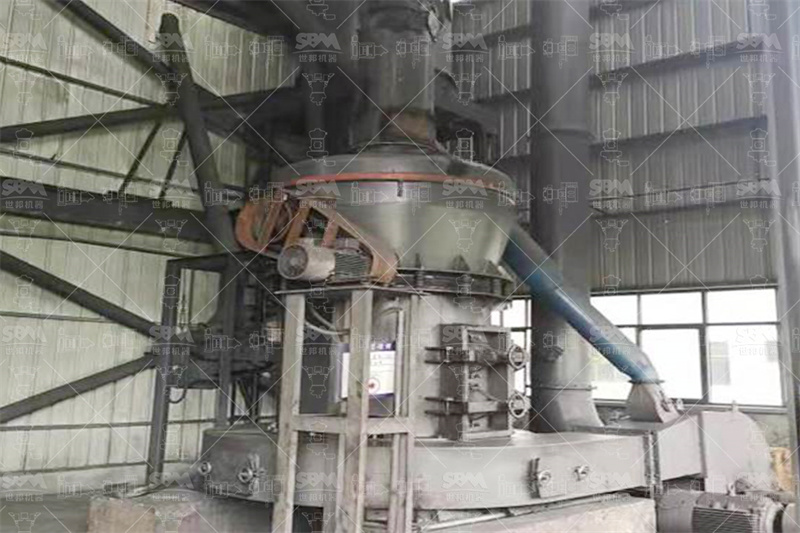
The market offers several grinding solutions, each with its unique working principle, advantages, and optimal application scope. The primary categories include Ball Mills, Vertical Roller Mills (VRMs), and Ultrafine Grinding Mills.
1. Ball Mills
Ball mills are the most traditional and widely used grinding equipment. They operate by rotating a cylindrical shell containing steel balls, which crush and grind the material through impact and attrition. They are extremely versatile, capable of handling almost any material, and are known for their reliability.
- Pros: Low capital cost, high reliability, simple operation, suitable for dry and wet grinding.
- Cons: High energy consumption (often 30-40% higher than vertical mills), high noise levels, and large floor space requirements.
- Best For: Smaller capacities, materials with varying grindability, or plants where grid stability is not a primary concern.
2. Vertical Roller Mills (VRMs)
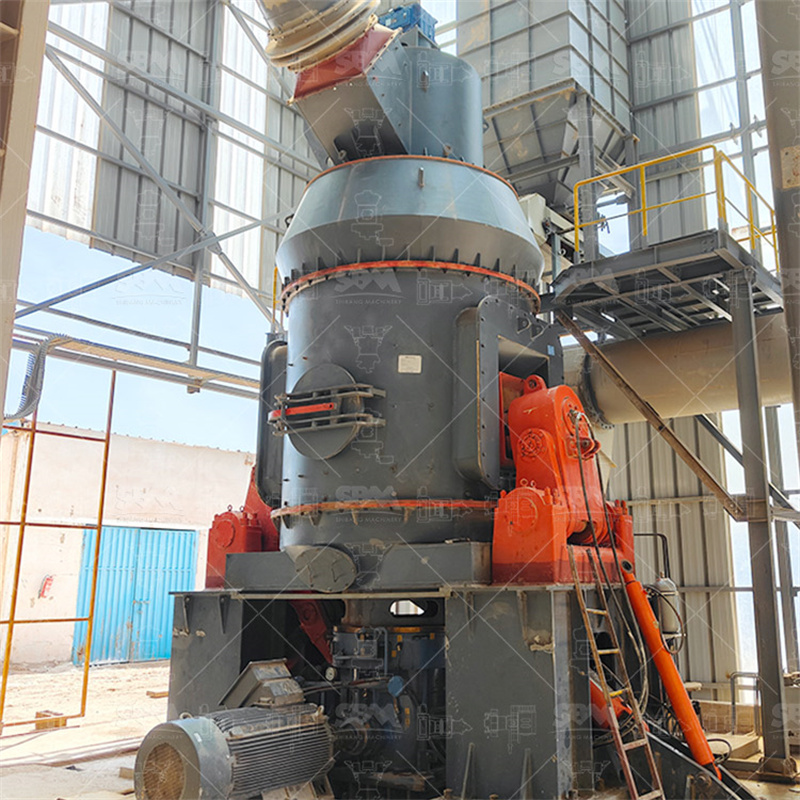
Vertical Roller Mills have become the industry standard for large-scale cement and slag grinding due to their superior energy efficiency. In a VRM, the material is ground between a rotating grinding table and stationary or floating rollers. The system integrates drying, grinding, and classification in a single unit.
- Pros:Excellent energy efficiency (20-30% energy savings vs. ball mills), small footprint (saves up to 50% floor space), low noise, and allows for the use of waste heat for drying.
- Cons: Higher initial investment cost, more complex operation and maintenance, sensitive to foreign objects (like metal debris).
- Best For: Medium to high capacity ranges (from 5 to 250 t/h), particularly for slag, raw meal, and cement clinker.
We recommend the LM Series Vertical Roller Mills for large-scale cement clinker additive production. With models like the LM130K (10-28 t/h) up to the LM280K (50-170 t/h), they offer an integrated design that crushes, grinds, and selects in one system, reducing infrastructure costs by up to 40% and energy consumption by 30-40% compared to traditional systems.
3. Ultrafine Grinding Mills
For specialized applications requiring a fineness of 325 mesh (45μm) or finer—often needed for high-performance concrete additives or mineral fillers—ultrafine mills are necessary. These include roller mills and media mills designed to produce micro-fine powders.
- Pros:Can achieve extreme fineness (down to 5μm or 2500 mesh), high classification precision.
- Cons:Generally lower capacity limits compared to standard VRMs, higher specific energy consumption for the same capacity.
- Best For:Premium additives, fillers, and specialized high-value products.
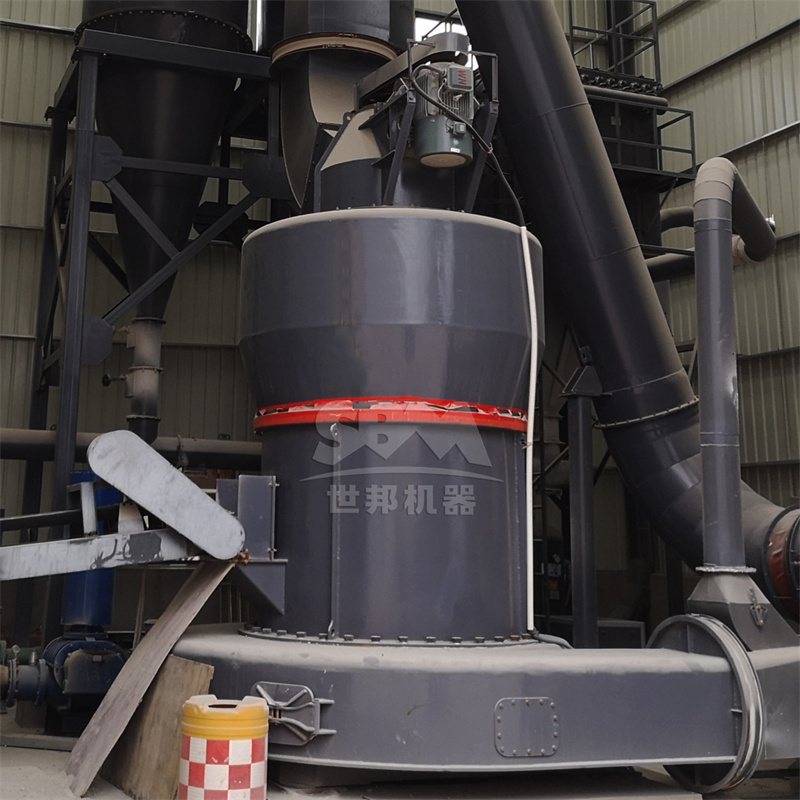
For applications demanding exceptional finesse, we highly recommend our SCM Series Ultrafine Mill. It is designed to produce powders between 325 and 2500 mesh, with a capacity up to 25 t/h. This mill utilizes a vertical turbine classifier for high-precision particle size cutting, ensuring a uniform finished product without coarse powder mixing. It is the ideal solution for producing high-quality fly ash and slag powders for premium cement blends.
Cost Analysis: CAPEX vs. OPEX
When choosing equipment, looking at only the purchase price (CAPEX) is a significant pitfall. The Operating Expenditure (OPEX) often outweighs the initial investment over the machine’s lifetime. A holistic cost analysis must include:
- Energy Costs: The largest portion of OPEX. An energy-efficient VRM can save hundreds of thousands of dollars annually in electricity alone compared to a ball mill.
- Maintenance & Wear Parts: The cost and lifespan of grinding rollers, tyres, and liners. Look for equipment with durable designs, such as the special material rollers and rings in the SCM series, which extend service life several times over.
- Civil Works & Installation: A compact footprint (like the LM Series) reduces foundation costs and allows for outdoor installation, significantly lowering civil engineering costs.
- Down-time: The financial impact of unplanned downtime. Equipment with reliable hydraulic systems and modular designs minimizes this risk.
Key Selection Factors: A Decision Matrix
To simplify the selection process, consider the following technical parameters as a checklist:
1. Feed Size vs. Output Fineness:
Match the input size capability of the mill with your raw material size. For instance, the MTW Series can accept feed sizes up to 50mm. Simultaneously, define the exact fineness target. Are you producing 80μm (200 mesh) for standard additive or 45μm (325 mesh) for high-early-strength cement? The SCM mill handles 325-2500 mesh, while the MTW handles 10-325 mesh.
2. Capacity and Throughput:
Calculate your required annual production. Do you need a 3 t/h pilot line or an 80 t/h heavy-duty operation? The LM Series scales up to 250 t/h, making it a leader for bulk production, whereas the MTM Series is excellent for medium-scale needs (3-22 t/h).
3. Integrated Technologies:
Modern mills should offer intelligent control systems. Look for features like automatic granularity feedback (as in the SCM), expert-level auto-control with remote switching (as in the LM), and real-time monitoring. This reduces manual intervention and ensures consistent quality.
4. Environmental Compliance:
There is a global push towards green manufacturing. Ensure your equipment meets the local emission standards. Pulse dust collection systems, fully sealed negative-pressure operation, and soundproofing designs (featuring noise levels below 85dB) are non-negotiable for modern, eco-friendly plants.
Conclusion
Selecting the right cement clinker additive production equipment is a multi-faceted decision that goes beyond simple “tons per hour” calculations. It requires a deep understanding of material properties, a clear strategy regarding operational costs, and a forward-thinking approach to environmental regulations.
By weighing the types of equipment—from versatile Ball Mills to high-efficiency Vertical Roller Mills and specialized Ultrafine Mills—against your specific needs, you can make a decision that ensures reliability, profitability, and sustainability. If you are looking for a partner to help navigate this complex landscape, our team is ready to provide tailored solutions and technical support, ensuring your production line exceeds expectations.