
Introduction
Attapulgite, also known as palygorskite, is a magnesium-aluminum phyllosilicate mineral valued for its unique sorptive, rheological, and catalytic properties. As a specialty mineral, its value is significantly enhanced through processing into a fine, high-purity powder. Achieving chemical-grade attapulgite requires meticulous control over particle size distribution and the removal of mineral impurities. This process demands robust, efficient, and precise grinding and classification equipment.
Selecting the right production equipment is a capital-intensive decision that directly impacts product quality, operational efficiency, and long-term profitability. This article provides a professional guide on the key factors to consider when choosing grinding and purification equipment for chemical-grade attapulgite powder production, drawing on industry best practices and advanced milling technologies.
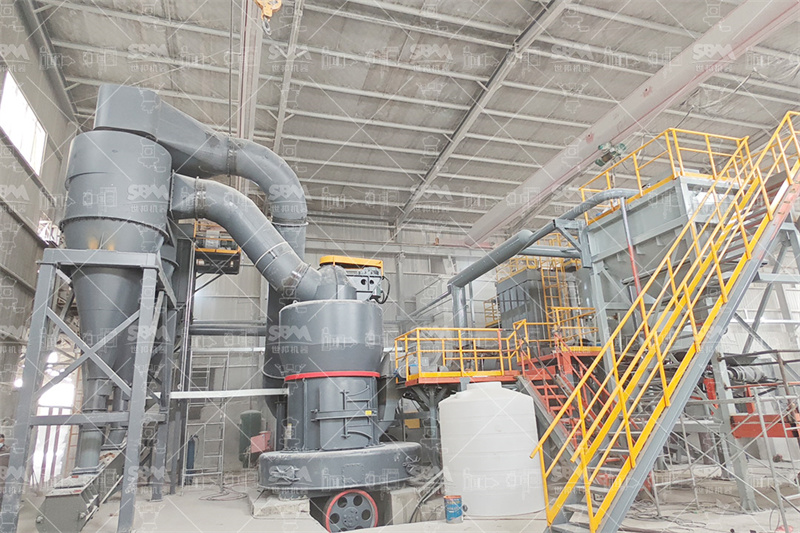
Understanding the Grinding Requirements for Chemical-Grade Attapulgite
Target Fineness and Particle Size Distribution (PSD)
Chemical-grade attapulgite often requires ultra-fine powders, typically in the range of 325 mesh (45 μm) to 1250 mesh (10 μm) or even finer. A narrow particle size distribution is crucial for consistent performance in applications like drilling fluids, paint thickeners, and pharmaceutical binders. Equipment must offer precise classification to eliminate coarse particles and ensure product uniformity.
Feed Material Characteristics
Attapulgite is a soft, fibrous mineral but can contain hard impurities like quartz and carbonate. The equipment must handle feed sizes up to 20-50mm while being robust enough to withstand the abrasive nature of the ore. The moisture content of the feed is also a critical factor, as excessive moisture can lead to clogging and reduced grinding efficiency in dry grinding systems.
Key Equipment Selection Factors
1. Grinding Efficiency and Energy Consumption
Energy costs are a significant operational expense. A mill that can achieve the target fineness with high throughput and lower specific energy consumption (kWh per ton) is paramount. For ultra-fine grinding of attapulgite, technologies like vertical roller mills and ultrafine mills offer significant advantages over traditional ball mills, which are inherently less energy-efficient for this application.
2. Classification Precision and Product Quality
The ability to control the maximum particle size and eliminate oversize particles is what defines high-quality chemical-grade powder. The classifier integrated with or external to the mill must have a sharp cut point. A high-efficiency dynamic classifier (e.g., a vertical turbine classifier) ensures that the final product meets the stringent specifications without the need for additional screening.
3. Wear Resistance and Equipment Durability
Despite attapulgite being relatively soft, the presence of quartz and other hard minerals causes significant wear on grinding elements like rollers, rings, and liners. Equipment designed with specialized wear-resistant materials (e.g., alloy steel for rollers and rings) will have a longer service life, reducing downtime and maintenance costs. A durable design is a non-negotiable factor for continuous industrial operations.
4. System Intelligence and Automation
Modern chemical production demands consistency. An intelligent control system that automatically adjusts parameters like feed rate, classifier speed, and grinding pressure based on real-time product feedback is essential. This capability ensures stable product quality, maximizes throughput, and minimizes the need for manual intervention, leading to higher overall equipment effectiveness (OEE).
5. Environmental Compliance and Safety
Fine mineral powder production can generate significant dust, which is both a health hazard and a source of material loss. The selected equipment must be fully enclosed and integrated with a high-performance dust collection system. A negative pressure operating environment and advanced pulse-jet dust collectors are industry standards for meeting stringent environmental regulations and ensuring a safe workplace.
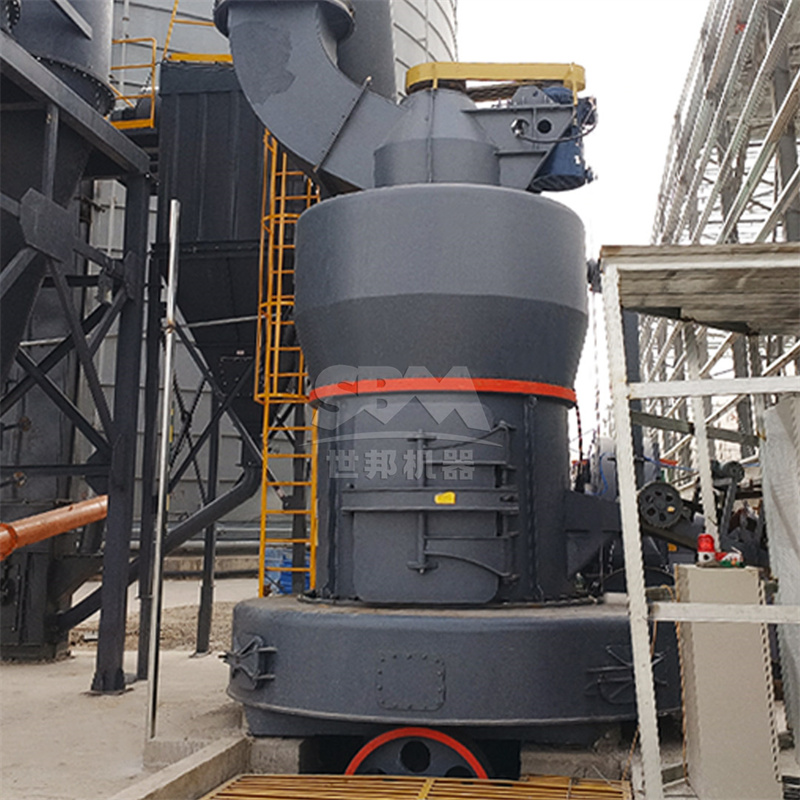
Recommended Equipment Solutions for Attapulgite Grinding
Based on the critical selection factors above, the following milling solutions are exceptionally well-suited for producing high-quality chemical-grade attapulgite powder. They combine high efficiency, precision classification, and robust construction.
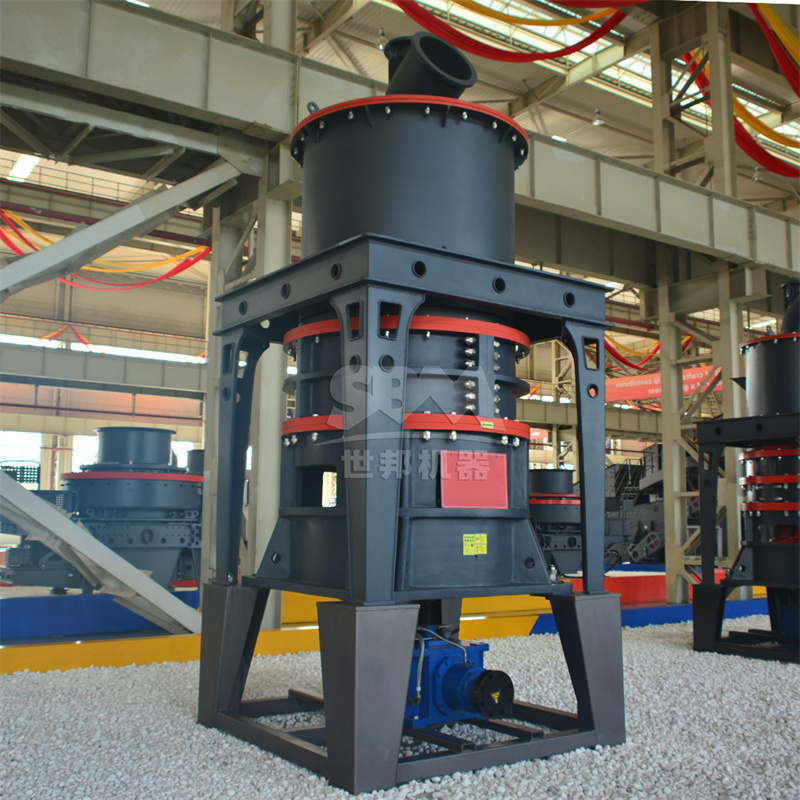
For Ultra-Fine Powder (325-2500 mesh / 5-45μm): SCM Series Ultrafine Mill
When the target is ultra-fine attapulgite powder, the SCM Series Ultrafine Mill is a premier choice. Its design directly addresses the key requirements for this application. With an input size of up to 20mm, it can achieve a fineness ranging from 325 to 2500 mesh (5-45μm) and a capacity of 0.5 to 25 ton/h, depending on the model.
Key Advantages for Attapulgite:
- High Efficiency & Energy Saving: Its capacity is reportedly twice that of jet mills, with 30% lower energy consumption, directly reducing operational costs.
- High-Precision Classification: The vertical turbine classifier ensures precise particle size cutting with no coarse powder mixing, guaranteeing a uniform chemical-grade product.
- Durable Design: It features rollers and rings made from special materials that extend service life several times over, and a shaftless screw grinding chamber for stable operation, vital for handling abrasive impurities.
- Eco-friendly Operation: The pulse dust collection efficiency exceeds international standards, and the soundproof room design ensures low noise levels.
This machine is ideal for applications requiring the highest degree of fineness and purity, such as in high-performance coatings, advanced ceramics, and specialty chemicals.
For General Fine Powder (30-325 mesh / 45-600μm): MTW Series European Trapezium Mill
For applications requiring a fine powder in the standard industrial range (e.g., 200-325 mesh for drilling fluids or animal feed binders), the MTW Series European Trapezium Mill offers outstanding performance, reliability, and capacity. It can handle feed sizes up to 50mm and produce 3-45 tons per hour.
Key Advantages for Attapulgite:
- Anti-wear Shovel Design: The combined shovel blades and curved roller design significantly reduce maintenance costs and extend part life, addressing the challenges of mineral abrasion.
- Integral Bevel Gear Drive: With a transmission efficiency of up to 98%, it saves energy and space, reducing both operational and installation costs.
- Optimized Air Duct & Wear-resistant Volute: These features reduce energy loss, protect the internal surfaces, and improve air selection efficiency, leading to a more stable and consistent product.
- Proven Technology: The patented internal suction oil lubrication system and advanced pulse dust removal technology ensure long-term, trouble-free operation.
The MTW Series is a workhorse for large-scale production, offering a perfect balance of capacity, cost-efficiency, and product quality for standard chemical-grade attapulgite.
Conclusion
Choosing the right equipment for chemical-grade attapulgite powder production is a strategic decision that goes beyond just purchasing a machine. It requires a thorough evaluation of the material’s properties, target product specifications, and operational goals. Factors such as energy efficiency, classification precision, wear resistance, and intelligent control are paramount.
By selecting advanced solutions like the SCM Series Ultrafine Mill for ultra-fine applications or the MTW Series European Trapezium Mill for general fine grinding, producers can ensure high throughput, consistent product quality, and low operating costs. Investing in this level of technology is the most reliable path to success in the competitive chemical-grade mineral market.