
Introduction: The Critical Role of Equipment Selection in Bentonite Processing
For manufacturers in the chemical industry, the selection of bentonite powder production equipment is not merely a procurement decision—it is a strategic investment that directly impacts product quality, operational efficiency, and long-term profitability. Bentonite, a versatile clay mineral with exceptional swelling, adsorption, and binding properties, finds extensive applications in drilling fluids, foundry sands, iron ore pelletizing, and environmental remediation. However, transforming raw bentonite ore into a consistent, high-purity chemical-grade powder presents unique challenges that demand specialized milling solutions.
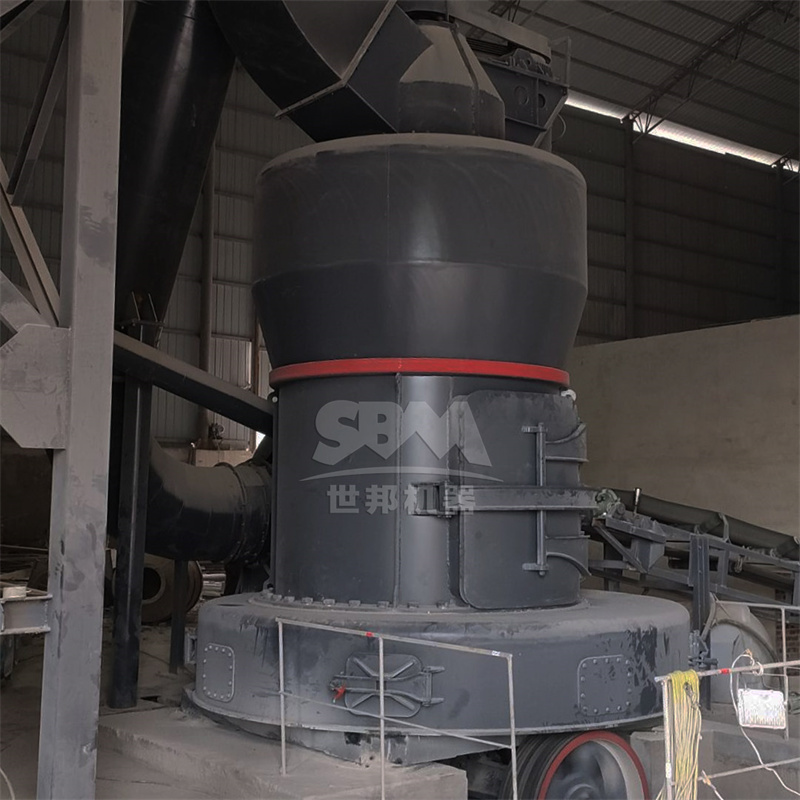
This comprehensive guide explores the critical factors manufacturers must consider when selecting equipment for producing chemical-grade bentonite powder, including fineness requirements, capacity planning, energy efficiency, and operational reliability. We will examine various mill types and their suitability for different bentonite processing stages, helping you make an informed decision that aligns with your production goals.
Understanding Chemical-Grade Bentonite Specifications
Before diving into equipment selection, it is essential to understand what distinguishes chemical-grade bentonite from other grades. Chemical-grade bentonite typically requires:
- Ultra-fine particle size: Often ranging from 325 mesh (45μm) to 2500 mesh (5μm), depending on application
- High purity: Minimal contamination from quartz, feldspar, or other minerals
- Consistent particle size distribution: No coarse powder mixing ensures uniform performance
- Controlled moisture content: Typically below 10% for chemical applications
These stringent requirements demand milling equipment capable of precise classification, efficient grinding, and reliable operation under continuous production conditions.
Key Evaluation Criteria for Bentonite Milling Equipment
1. Fineness Capability and Classification Precision
The most critical parameter for chemical-grade bentonite is the ability to achieve and maintain ultra-fine particle sizes. For applications such as catalyst carriers, pharmaceutical binders, or cosmetic thickeners, fineness requirements may fall between 325 and 2500 mesh. Equipment with high-precision classification systems—such as vertical turbine classifiers—ensures sharp particle size cutting without coarse powder contamination.
2. Production Capacity and Scalability
Manufacturers must balance current demand with future growth projections. A mill producing 0.5 tons per hour may suffice for niche applications, while large-scale operations require capacities exceeding 25 tons per hour. Modular designs allow for capacity expansion without complete system replacement.
3. Energy Efficiency and Operating Costs
Grinding is often the most energy-intensive process in mineral processing. Advanced mill designs can reduce energy consumption by 30-40% compared to conventional ball mills. For chemical-grade bentonite, where margins may be tighter than specialty minerals, energy efficiency directly impacts profitability.
4. Wear Resistance and Maintenance Requirements
Bentonite’s abrasive nature accelerates wear on grinding components. Equipment featuring special alloy rollers and rings, combined with intelligent wear compensation systems, significantly extends service life and reduces downtime for maintenance.
5. Environmental Compliance
Stringent environmental regulations demand dust-free operation. Pulse dust collection systems with efficiency exceeding international standards, combined with soundproof enclosures, ensure compliance while protecting operator health.
Comparing Mill Types for Chemical-Grade Bentonite
Ultrafine Mills for Premium Chemical Applications
For manufacturers targeting the highest-value applications requiring fineness between 325 and 2500 mesh (45-5μm), ultrafine mills offer unmatched precision. The SCM Series Ultrafine Mill, with its patented three-layer grinding ring design and vertical turbine classifier, delivers exceptional performance for chemical-grade bentonite. This mill achieves twice the capacity of jet mills while consuming 30% less energy—a critical advantage in competitive chemical markets.
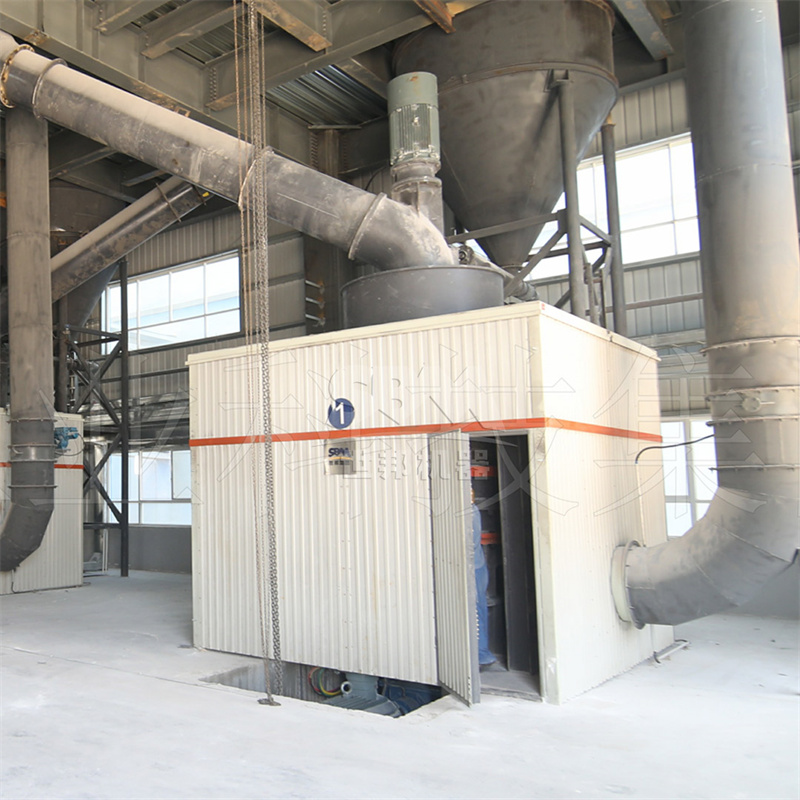
Consider the SCM1250 model, which processes 2.5-14 tons per hour with a main power of 185kW, suitable for medium to large-scale chemical-grade bentonite production. Its intelligent control system automatically adjusts parameters based on finished product granularity feedback, ensuring consistent quality without operator intervention.
Vertical Roller Mills for High-Volume Production
When production volumes exceed 25 tons per hour, vertical roller mills (VRMs) become the preferred solution. The LM Series Vertical Roller Mill integrates crushing, grinding, and selection in a single system, reducing floor space by 50% and infrastructure costs by 40%. For chemical-grade bentonite requiring fineness of 170-45μm, models like the LM190K (23-68 t/h) or LM220K (36-105 t/h) offer exceptional efficiency.
We strongly recommend the LM220K Vertical Roller Mill for manufacturers seeking high-capacity chemical-grade bentonite production. Its non-contact roller-to-table design extends wear part life by three times compared to traditional mills, while the expert-level auto-control system supports remote monitoring and real-time parameter optimization. The fully sealed negative pressure operation ensures dust emissions below 20mg/m³, exceeding most environmental standards.
European Trapezium Mills for Mid-Range Fineness
For bentonite applications requiring fineness between 30-325 mesh (600-45μm), the MTW Series European Trapezium Mill offers an excellent balance of performance and cost. Its integral bevel gear drive achieves 98% transmission efficiency, while the anti-wear shovel design with combined blades reduces maintenance costs significantly.
Case Study: Optimizing a Chemical-Grade Bentonite Production Line
Consider a manufacturer producing 100 tons per day of 800-mesh bentonite for the chemical industry. The optimal configuration might include:
- Primary crushing: Hammer mill reducing raw ore to 0-20mm
- Drying stage: Rotary dryer reducing moisture to 5-8%
- Ultrafine grinding: Two SCM1250 Ultrafine Mills operating in parallel (each 2.5-14 t/h)
- Classification system: Vertical turbine classifier for precise 800-mesh cutting
- Dust collection: Pulse jet bag filter with >99.9% efficiency
This configuration provides redundancy, allowing maintenance on one mill while the other continues production. The energy savings from SCM technology—30% lower than jet mills—translates to approximately 50,000 kWh annual savings for this scale.
Special Considerations for Bentonite Processing
Moisture Content Management
Bentonite’s hygroscopic nature requires careful moisture control. Equipment with hot air circulation systems, such as LM Series VRMs, can simultaneously dry and grind material, eliminating the need for separate drying stages. For mills without integrated drying, pre-drying to 5-8% moisture is recommended.
Abrasive Wear Mitigation
The high silica content in bentonite (often 60-70% SiO₂) accelerates equipment wear. Mills featuring special material rollers and rings, such as the SCM Series’ chromoly alloy components, can extend service life several times over. Regular inspection and replacement schedules for wear parts should be established based on throughput volume.
Particle Shape Requirements
Chemical applications often require specific particle morphology—platy or lamellar particles for barrier properties, or angular particles for drilling fluid viscosity. Different mill types produce different particle shapes; impact mills tend to produce more angular particles, while attrition mills yield more platy particles. Testing with your specific bentonite source is essential before final equipment selection.
Financial Analysis: Total Cost of Ownership
When evaluating equipment, consider the total cost of ownership (TCO) over a 10-year period:
| Cost Factor | Conventional Ball Mill | SCM Ultrafine Mill | LM Vertical Mill |
|---|---|---|---|
| Initial investment (100 tpd) | $800,000 | $1,200,000 | $1,500,000 |
| Annual energy cost | $180,000 | $126,000 | $108,000 |
| Annual maintenance cost | $60,000 | $36,000 | $28,000 |
| 10-year TCO | $3,200,000 | $2,860,000 | $2,880,000 |
Despite higher initial investment, advanced mills deliver lower TCO through energy savings, reduced maintenance, and higher throughput consistency.
Maintenance and Support Considerations
Reliable after-sales support is crucial for continuous operation. Look for manufacturers offering:
- Comprehensive spare parts inventory with rapid delivery
- Remote diagnostics for intelligent mills with IoT capabilities
- On-site training for operators and maintenance personnel
- Process optimization services to fine-tune parameters for specific bentonite sources
Conclusion: Making the Right Investment
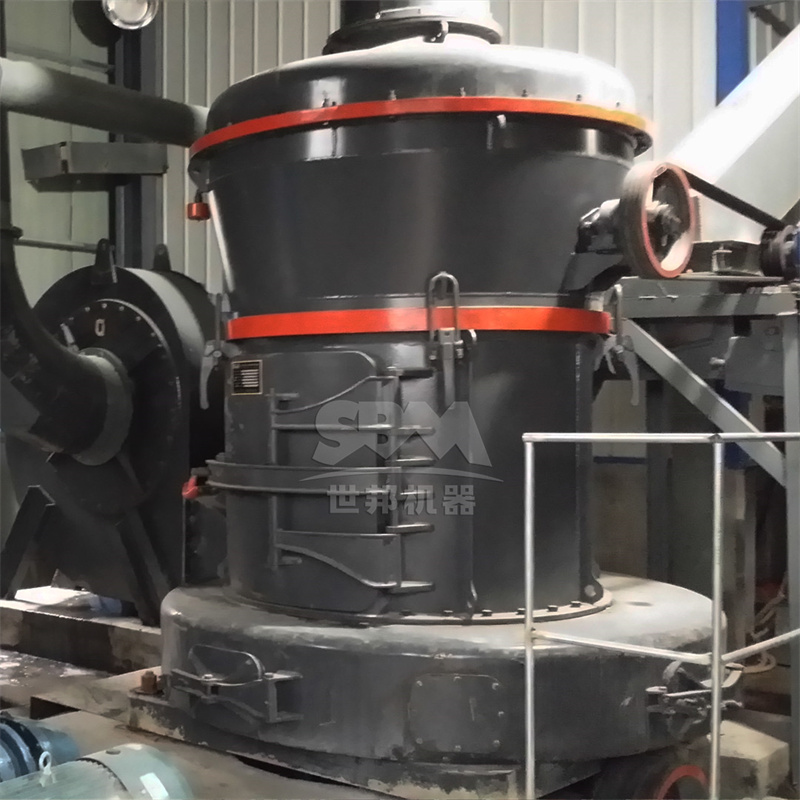
Choosing the right chemical-grade bentonite powder production equipment requires careful analysis of your specific requirements—desired fineness, production capacity, energy costs, and quality standards. For manufacturers producing ultra-fine powders (325-2500 mesh), the SCM Series Ultrafine Mill represents the gold standard with its unmatched precision and energy efficiency. For high-volume applications requiring 45-170μm fineness, the LM Series Vertical Roller Mill offers superior economics and system integration.
We invite you to contact our technical team for a personalized equipment recommendation. With over 30 years of experience in mineral processing solutions, we can help you design a complete bentonite production line that maximizes your return on investment while delivering consistent, high-quality chemical-grade powder.