
Introduction: The Role of Coal Gangue in Non-Fired Brick Production
Coal gangue, a solid waste discharged during coal mining and washing, has become a valuable resource in the construction materials industry. Its utilization in non-fired brick production not only addresses environmental concerns but also significantly reduces manufacturing costs. However, the key to producing high-quality non-fired bricks lies in the fine processing of coal gangue. The fineness and particle size distribution of the gangue powder directly affect the strength, density, and durability of the final brick product.
Choosing the right additive processing equipment is therefore the most critical decision in your production line. This guide provides a comprehensive analysis of the technical factors you must consider—such as feed size, output fineness, capacity, and energy consumption. We will also introduce industry-leading solutions that balance efficiency with operational costs, ensuring your investment yields maximum return.
1. Understanding the Material Characteristics of Coal Gangue
Coal gangue is primarily composed of silica (SiO₂), alumina (Al₂O₃), and carbonaceous materials, with varying hardness and moisture content. Its Mohs hardness typically ranges from 3 to 6, making it a mid-hard material. Before selecting equipment, you must conduct a thorough analysis of your raw feed:
- Feed Size: Standard primary crushing can reduce gangue to below 50mm, but for ultrafine grinding, a feed size of ≤20mm is generally recommended.
- Target Fineness: For non-fired bricks, a fineness of 200-325 mesh (45-75μm) is standard to ensure high bonding strength. For premium products or foam bricks, 600-1250 mesh may be required.
- Moisture Content: Excessive moisture (>5%) can cause material adhesion, affecting grinding efficiency. Pre-drying or selecting equipment with internal hot air circulation (like vertical mills) is advisable.
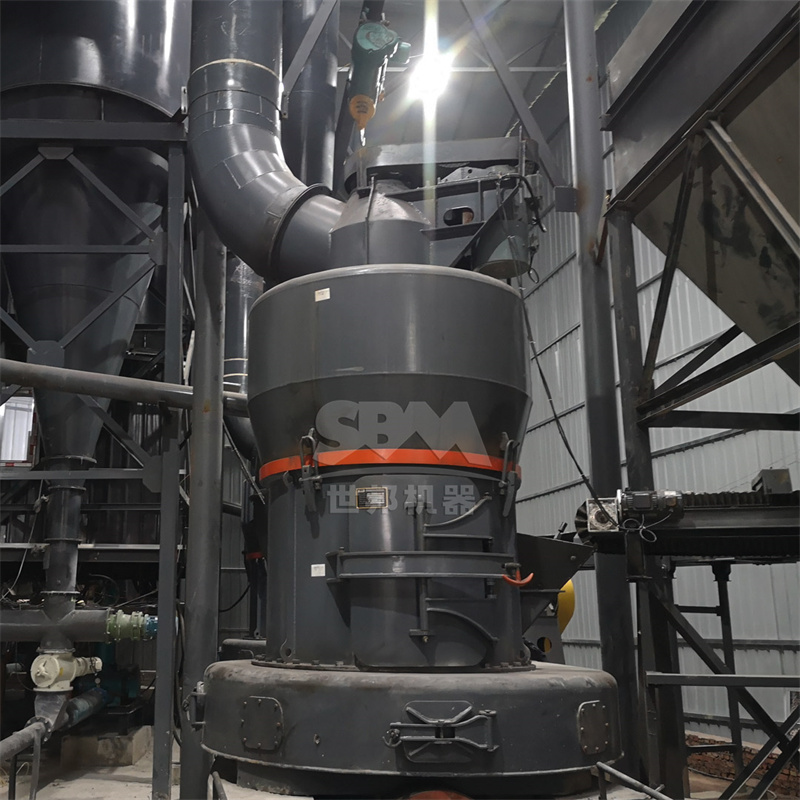
2. Key Selection Criteria for Grinding Equipment
When comparing different types of mills, you must evaluate the following performance parameters against your production targets:
2.1 Output Fineness and Classification Precision
Non-fired brick recipes often require a specific surface area and particle distribution. If the coarse particle content is too high, the brick will have poor compressive strength. Look for equipment with advanced classification systems, such as vertical turbine classifiers, which provide precise particle size cutting without coarse powder mixing. Equipment like the SCM Series Ultrafine Mill is engineered to deliver fineness ranging from 325 to 2500 mesh, ensuring uniform finished products that meet strict quality standards.
2.2 Capacity and Production Efficiency
Your equipment must match your planned brick output. A brick plant producing 100,000 bricks per day typically requires a grinding capacity of 5-15 tons per hour. However, if you are handling large-scale industrial waste, you may need a system capable of 25-45 t/h. For high-throughput operations, the MTW Series European Trapezium Mill is a prime candidate, offering capacities from 3 to 45 t/h with feed sizes up to 50mm. Its integral bevel gear drive ensures transmission efficiency up to 98%, directly translating to lower energy costs per ton of finished powder.
2.3 Energy Consumption and Operating Costs
Energy costs constitute a significant portion of the overall production expense. Traditional ball mills consume 30-40% more energy compared to modern vertical roller mills or pendulum mills. When choosing your unit, calculate the kilowatt-hours required per ton of product (kWh/t). Equipment featuring intelligent control systems with automatic finished product granularity feedback can optimize power usage in real-time, preventing over-grinding and saving up to 30% on electricity versus conventional jet mills.
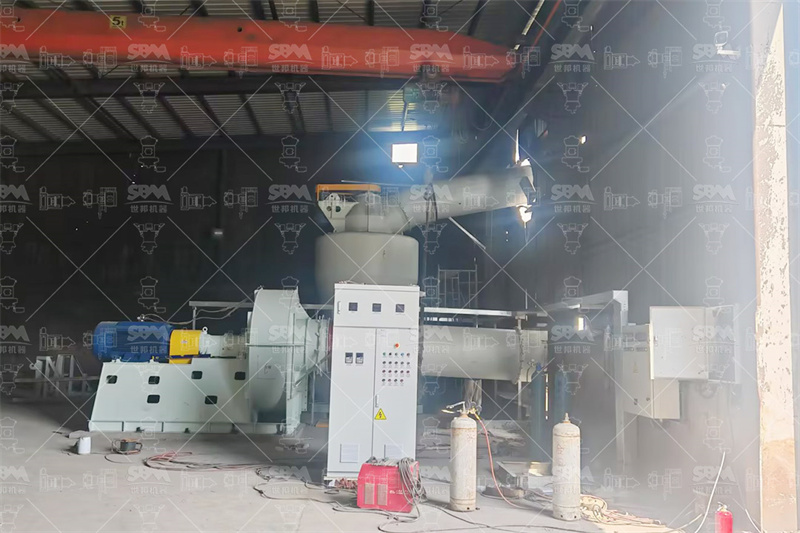
3. Recommended Equipment Solutions
Based on current industry applications and our extensive R&D, we recommend the following two models to handle different scales of coal gangue processing. Both prioritize efficiency, durability, and environmental compliance.
Recommendation 1: SCM Series Ultrafine Mill
This equipment is the best choice for plants requiring fine and ultra-fine powder (45-5μm). It features three layers of grinding rings that rotate, dispersing materials via centrifugal force and crushing them layer by layer for exceptional uniformity. The special material rollers and rings extend the service life several times over compared to standard alloys. Notably, the acoustic enclosure design guarantees noise levels below 85dB, complying with strict workplace safety regulations. Its intelligent control system automatically adjusts the classifier speed to maintain consistent fineness, making it ideal for producing high-end non-fired facing bricks.
- Input Size: ≤20mm
- Capacity: 0.5-25 t/h (Models SCM800 to SCM1680)
- Advantage: Capacity is 2x that of jet mills, with 30% lower energy consumption.
Recommendation 2: MTW Series European Trapezium Mill
For operators seeking a balance between high capacity and versatility, the MTW series is unequalled. It is specifically designed to process materials with a feed size up to 50mm, eliminating the need for additional secondary crushers in many cases. The machine uses anti-wear shovel blades and a curved roller design that reduces maintenance downtime by 30%. The optimized arc air duct reduces airflow energy loss, ensuring smooth operation even with materials that have a slightly higher moisture content. With models ranging from MTW110 (3-9 t/h) to MTW215G (15-45 t/h), you can scale your production easily.
- Output Fineness: 30-325 mesh (down to 0.038mm)
- Patented Technology: Internal suction oil lubrication system and internationally advanced pulse dust removal technology.
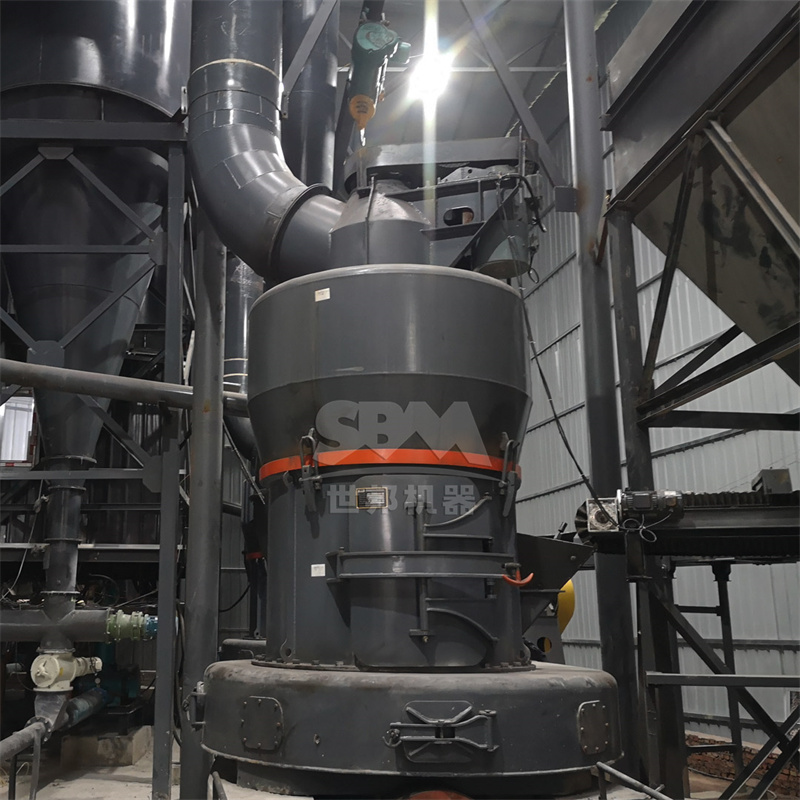
4. The Importance of Environmental and Maintenance Considerations
Modern brick factories must adhere to strict environmental standards. Choose equipment with a fully sealed negative pressure operating system to prevent dust leakage. Our recommended mills often come equipped with pulse dust collectors that exceed international emission standards. Furthermore, consider the ease of maintenance. Equipment with automatic thin oil lubrication (e.g., MRN Pendulum Mill) or modular grinding roller assemblies allow for quicker part replacement, ensuring your production line stays up and running without prolonged downtime.
5. Cost-Benefit Analysis and Plant Integration
Deliver a thorough cost-benefit analysis focusing on the total cost of ownership (TCO). While an integrated vertical mill (like the LM series) may have a higher initial investment, it reduces the building footprint by 50% and infrastructure costs by 40% since it can be installed outdoors. This consolidation of crushing, drying, and classifying into a single unit maximizes ROI. Additionally, ensure the equipment is compatible with downstream automation systems. Real-time monitoring of parameters reduces manual intervention, allowing a small team to manage the entire processing line safely and efficiently.
Conclusion: Making the Strategic Decision
Selecting the right coal gangue processing equipment is not a one-size-fits-all decision. It requires a holistic evaluation of your raw material characteristics, desired product specifications, energy budget, and environmental compliance standards. For finer products like ultra-thin bricks or high-strength additives, the SCM Series is the gold standard. For higher tonnage production with a coarser mesh target, the MTW Series will deliver the best cost-efficiency.
We strongly advise that you conduct a sample grinding test using your actual coal gangue before committing to a system. This will determine the actual capacity limits and wear part life, ensuring that the machinery operates within its optimal range. By investing in robust, intelligent grinding technology, you secure the quality of your non-fired bricks while turning waste into profitable, sustainable building materials.
Contact us for technical consultation and to determine the optimal model and configuration for your specific project needs.