
Introduction
Cobalt compounds, primarily cobalt oxide (CoO) and cobalt carbonate (CoCO₃), are essential colorants in the glass industry, producing brilliant blues, purples, and blacks. The quality of colored glass—whether for art glass, tableware, architectural panels, or specialty optics—depends critically on the purity, particle size distribution, and consistency of the cobalt pigment. Choosing the right processing equipment is not merely a matter of grinding; it involves understanding the entire production chain from raw material preparation to final powder classification. This article provides a comprehensive guide to selecting cobalt processing equipment, focusing on achieving the ultra-fine, uniform particle sizes demanded by high-end colored glass manufacturing.
Why Particle Size Matters for Cobalt in Glass
The visual and physical properties of colored glass are directly influenced by the particle size of the cobalt colorant. Finer particles (typically below 10 microns, or 1250 mesh) offer several advantages: they disperse more uniformly in the glass melt, reduce the risk of streaking or color spots, allow for lower dosage rates (saving on raw material costs), and provide better control over color intensity and transparency. For premium products like crystal glass or specialty filters, achieving a particle size of 5-10 microns (2500-1250 mesh) with a narrow distribution is often a requirement. This necessitates grinding equipment capable of high-precision classification and ultra-fine output.
Key Factors in Choosing Cobalt Grinding Equipment
Selecting the appropriate mill involves evaluating several technical parameters against your production goals. The most important factors include the required output fineness, feed material characteristics, desired throughput, energy efficiency, and operational cost.
1. Output Fineness and Classification Precision
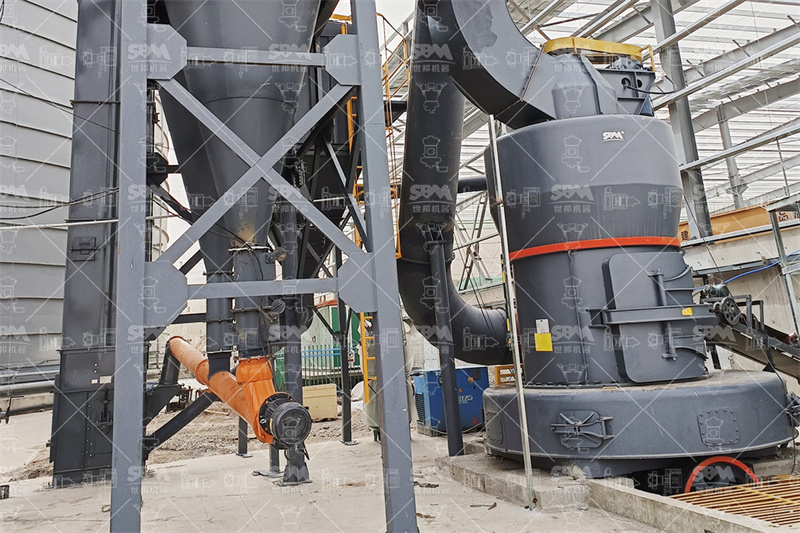
For high-quality colored glass, you need equipment that can consistently produce powders in the 325 to 2500 mesh range (45 to 5 micrometers). The classification system is key: a high-efficiency classifier ensures no coarse particles contaminate the final product. Traditional ball mills or Raymond mills often struggle with this level of precision. For ultra-fine requirements, mills with vertical turbine classifiers or multi-rotor classifiers are superior. Our SCM Series Ultrafine Mill exemplifies this technology. It is specifically designed for fine powders from 325-2500 mesh (45-5μm). Its vertical turbine classifier provides precise particle size cutting, guaranteeing no coarse powder mixing and ensuring uniform finished products, which is vital for consistent glass color.
2. Feed Material Properties
Cobalt compounds can be abrasive and have varying hardness. The equipment must be built with wear-resistant materials to minimize contamination of the pigment. Mills with special alloy rollers and grinding rings, like those found in the SCM series, extend service life several times over compared to standard mills. Also, consider the feed size: equipment like the SCM series and LUM Ultrafine Vertical Roller Mill can accept feed sizes up to 20mm, simplifying upstream crushing requirements.
3. Production Capacity
Output requirements vary dramatically, from small batch production (1-2 tons/day) for specialty art glass to large-scale manufacturing (10+ tons/day) for commercial glassware. The chosen mill must match your required throughput without sacrificing fineness. For moderate capacities requiring ultra-fine output, the SCM1680 (5.0-25 t/h) is an excellent choice. For larger scale operations where the target fineness is coarser (30-325 mesh), the MTW Series European Trapezium Mill offers capacities from 3 to 45 tons per hour with superior energy efficiency due to its integral bevel gear drive (98% transmission efficiency).
Comparative Analysis of Grinding Technologies for Cobalt
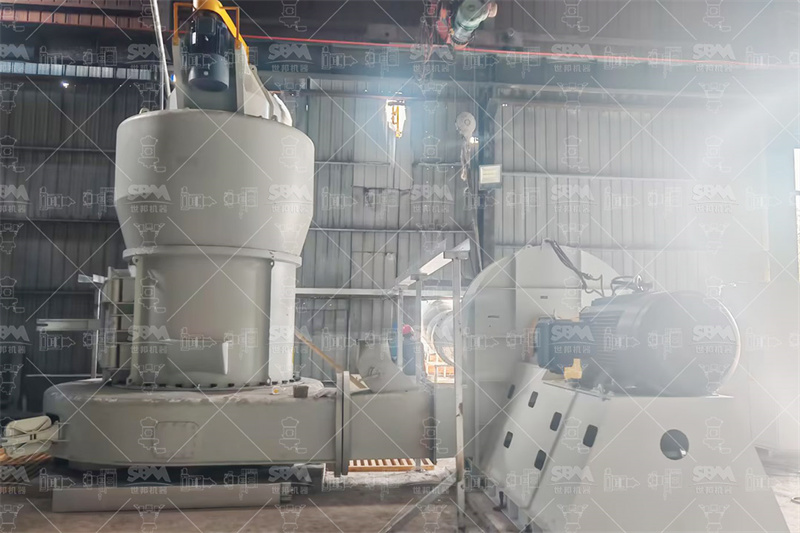
Several mill types can be considered for cobalt processing, each with distinct advantages:
Ball Mills
While robust and widely used for coarse grinding (0.074-0.8mm), traditional ball mills are less suitable for ultra-fine cobalt powder for colored glass. They consume 30-40% more energy than vertical mills, have a larger floor footprint, and produce a wider particle size distribution with less precision. They are better suited for pre-grinding or bulk mineral processing where high tonnage and coarser output are acceptable.
Jet Mills
Jet mills can achieve very fine particles, but they are extremely energy-intensive. The SCM Series Ultrafine Mill offers a capacity that is twice that of jet mills with 30% lower energy consumption, making it a far more economical solution for medium to large-scale ultra-fine cobalt production.
Vertical Roller Mills (VRMs)
The LM Series Vertical Roller Mill is a powerhouse for large-scale operations. Its integrated design (crushing, grinding, and classifying in one unit) reduces floor space by 50% and infrastructure costs by 40%. It is highly efficient for fineness ranges of 30-325 mesh. For applications needing fineness up to 600 mesh, the LM Fine-powder Series is available. However, for the strictest ultra-fine requirements (325-2500 mesh), the SCM or LUM Ultrafine Vertical Roller Mill are better optimized.
European Trapezium Mills (MTW Series)
The MTW Series represents the state-of-the-art in pendulum-style mills. Its anti-wear shovel design, optimized arc air duct, and wear-resistant volute structure make it ideal for producing consistently fine powders in the 30-325 mesh range. For a glass manufacturer needing a high-volume, reliable mill for standard cobalt blue or black glass formulations, the MTW138Z (6-17 t/h) or MTW215G (15-45 t/h) are outstanding choices.
Recommended Equipment Configuration for High-Quality Cobalt Pigment
Based on the needs of the colored glass industry, we strongly recommend the SCM Series Ultrafine Mill (45-5μm) for producing premium cobalt pigments. Its unique features directly address the challenges of this application:
- Ultra-Fine Output: Achieves the 325-2500 mesh (45-5μm) range essential for high-end glass.
- High Purity: The special material rollers and rings minimize metallic contamination, preserving the color brilliance.
- Energy Savings: Twice the capacity of jet mills with 30% lower energy consumption, significantly reducing operating costs.
- Eco-Friendly: The pulse dust collection system ensures a clean working environment, critical for handling fine pigments.
For manufacturers who require both high capacity for base glass production and the ability to produce finer pigments, a combination approach can be used: the MTW Series European Trapezium Mill for bulk grinding to 325 mesh, followed by the SCM Series Ultrafine Mill for final ultra-fine processing of smaller batches of premium colorant.
Conclusion
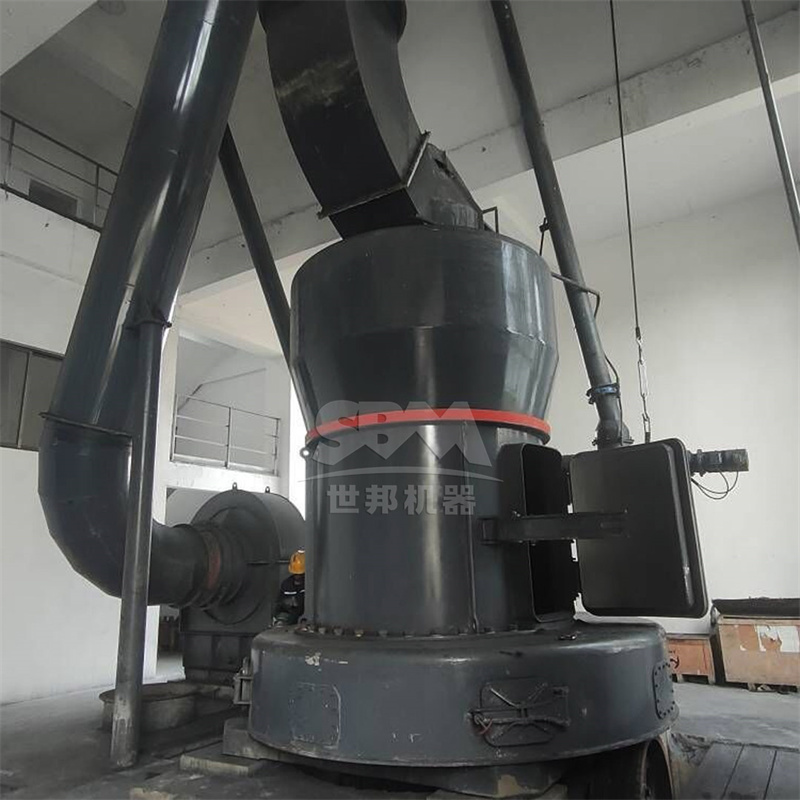
Choosing the right equipment for cobalt processing is a strategic decision that impacts product quality, operational efficiency, and profitability. For high-quality colored glass manufacturing, investing in precision, ultra-fine grinding technology is not an option but a necessity. The SCM Series Ultrafine Mill stands out as the premier solution for producing the finest, most consistent cobalt pigments. Its combination of high efficiency, precise classification, and durable design makes it the ideal partner for glassmakers who refuse to compromise on color quality. Whether you are scaling up production or refining your color palette, our suite of milling equipment, from the robust MTW Series to the ultra-fine SCM Series, provides the tailored solution you need. Contact us today to discuss your specific requirements and discover how our technology can transform your colored glass manufacturing.