
1. Understanding the Unique Challenges of Calcinated Petroleum Coke (CPC) Grinding
Calcinated petroleum coke (CPC) is a hard, carbon-rich material derived from the calcination of green petroleum coke. It is a critical input for the aluminum smelting industry (anodes) and various carbon products. However, its high hardness (often 2-3 on the Mohs scale, but with high abrasiveness due to its structure), low volatility, and the need for ultra-fine or precise particle size distribution (325 mesh and finer) make it one of the most challenging materials for grinding plants.
Choosing the right equipment for CPC powder production is not just about purchasing a mill; it is about securing the profitability and efficiency of your entire operation. A poor choice can lead to high energy consumption, frequent maintenance, inconsistent product quality, and ultimately, lower ROI. This guide will walk you through the key factors you must consider to select efficient calcinated petroleum coke powder production equipment for your grinding plant.
2. Key Factors to Consider When Choosing CPC Grinding Mill
Selecting the correct mill requires a deep dive into your specific operational requirements. Here are the most critical parameters:
2.1. Required Output Fineness (Mesh Size)
For CPC used in aluminum anodes, the target fineness is typically 90% passing 325 mesh (45 micrometers) or even finer. For high-end carbon products, you may need 500 mesh, 800 mesh, or ultra-fine powder down to 5 micrometers (2500 mesh). Your equipment must be capable of achieving this consistently.
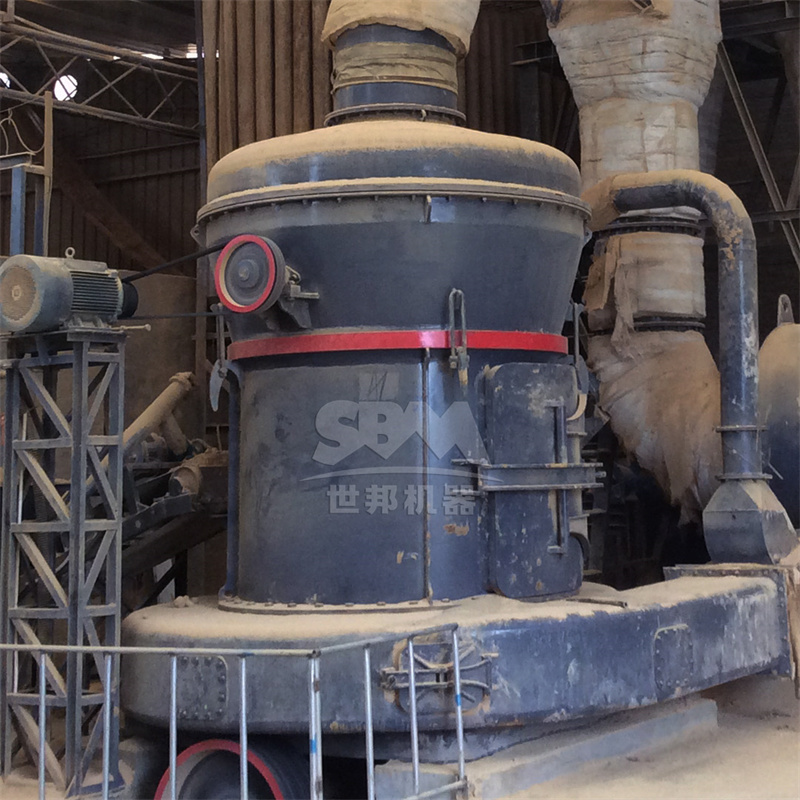
- For standard CPC (325 mesh): Equipment like the MTW Series European Trapezium Mill (600-45μm) or MTM Series Medium-speed Trapezium Mill are highly efficient.
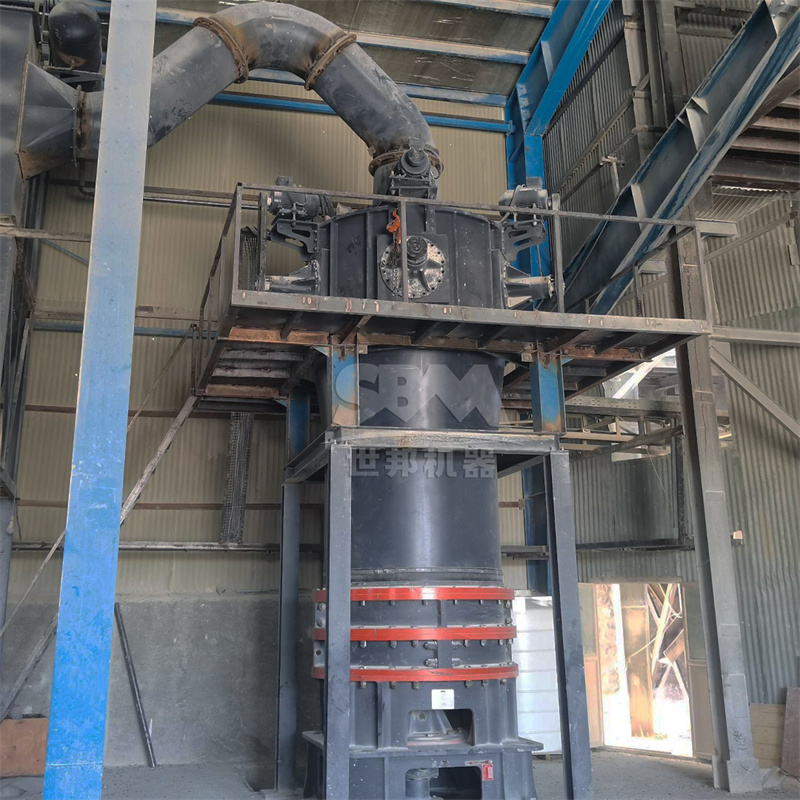
- For ultra-fine CPC (1250-2500 mesh): You need specialized ultra-fine grinding technology. The SCM Series Ultrafine Mill, with its output fineness of 325-2500 mesh (45-5μm), is the industry benchmark for this application.
2.2. Production Capacity Throughput (Tons per Hour)
Your processing plant’s capacity target will dictate the size and type of mill. CPC grinding is energy-intensive. Choosing a mill that slightly underperforms will bottleneck your entire system, while an oversized mill wastes capital and energy. Determine your required throughput accurately.
2.3. Energy Consumption and Operating Cost
Energy represents the most significant operating cost in CPC grinding, often contributing over 40% of total production costs. Look for mills that prioritize energy efficiency.
Technology Comparison: Jet mills, while capable of ultra-fine grinding, consume 2-3 times more energy than mechanical mills. Vertical roller mills and ultra-fine mills are designed to be more energy-efficient.
2.4. Moisture Content of the Feed Material
CPC typically has very low moisture (below 1%). However, a dryer feed is always better. Mills with integrated hot air systems (like LM Series) can handle some moisture, but for dry CPC, a standard mill is fine.
2.5. Hardness and Abrasiveness (Wear Resistance)
CPC is very abrasive. The mill’s grinding rollers, rings, and liners must be made from high-chrome, special alloy materials. Durability is non-negotiable. The SCM Ultrafine Mill, for instance, utilizes special material rollers and rings that can extend service life several times over compared to standard mills, drastically reducing maintenance downtime.
3. Recommended Equipment Configurations for CPC Grinding
Based on your production goals, here are two optimal equipment solutions featuring our advanced technology.
Option 1: For Medium to High Capacity & Standard Fineness (45-325 mesh)
If your plant requires a robust, high-volume solution for grinding CPC to a standard 200-325 mesh, our MTW Series European Trapezium Mill is the ideal choice. Its integral bevel gear drive ensures a transmission efficiency of up to 98%, saving space and costs. The anti-wear shovel design and optimized arc air duct reduce maintenance costs by up to 30%, crucial for abrasive CPC. With a capacity range from 3 to 45 t/h, it perfectly suits large-scale operations.
Option 2: For Specialized Ultra-fine CPC Production (325-2500 mesh)
For high-value products requiring ultra-fine particle sizes, the SCM Series Ultrafine Mill is the definitive solution. It is specifically engineered for materials like calcite, marble, limestone, and most importantly, CPC. Its vertical turbine classifier ensures high-precision classification with no coarse powder mixing, guaranteeing a uniform finished product. The energy consumption is 30% lower than jet mills while offering double the capacity. With models spanning from the SCM800 (0.5-4.5 t/h) to the SCM1680 (5.0-25 t/h), you can scale precisely to your needs.
4. Why the SCM Series Ultrafine Mill is the Optimal Choice for Ultra-fine CPC
Let’s delve deeper into why the SCM Series Ultrafine Mill is particularly effective for calcinated petroleum coke:
- Energy Efficiency: The ‘layer by layer’ grinding principle, combined with intelligent control, automatically adjusts the grinding force. This delivers capacity up to 2x that of jet mills with a staggering 30% lower energy consumption. This directly reduces your per-ton power cost.
- Particle Size Precision: The vertical turbine classifier is a game-changer. It achieves a very sharp particle size cut, meaning you won’t have ‘oversized’ or ‘undersized’ fractions contaminating your product. This is vital when meeting the stringent specifications for anode production.
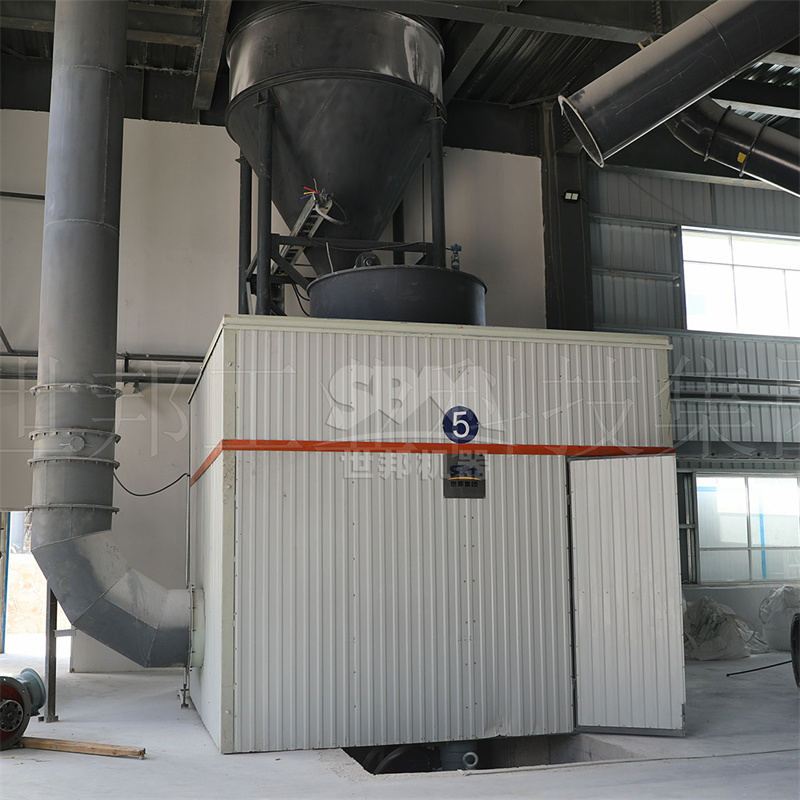
- Low Noise & Eco-Friendly: CPC grinding can be noisy and dusty. The SCM mill features a soundproof room design with noise levels kept very low. Its pulse dust collection system exceeds international standards, ensuring a clean and compliant working environment.
5. Conclusion: Making the Right Investment for Your Grinding Plant
Choosing efficient calcinated petroleum coke powder production equipment is a strategic decision. You must balance initial capital expenditure (CAPEX) with long-term operational expenditure (OPEX). A cheaper mill will almost always cost you more in the long run through higher energy bills, frequent part replacements, and lost production time.
For plants targeting the challenging but lucrative ultra-fine CPC market, the SCM Series Ultrafine Mill (45-5μm) is unmatched in its combination of efficiency, precision, and durability. It transforms the difficult task of grinding calcinated petroleum coke into a profitable, reliable, steady process. For larger capacity and standard fineness requirements, the MTW Series European Trapezium Mill (600-45μm) provides a robust, cost-effective solution. Evaluate your specific product requirements and total cost of ownership to make the best choice. We are confident that our technology will help you maximize the value of your calcinated petroleum coke grinding plant.