
Understanding 60-Mesh Gypsum Powder Production Requirements
Gypsum powder, particularly at 60-mesh fineness (approximately 250 microns), serves as a critical raw material in construction materials, plasterboard manufacturing, cement retarders, and agricultural soil conditioners. Selecting the right production equipment for 60-mesh gypsum powder is a strategic decision that directly impacts product quality, operational efficiency, energy consumption, and long-term profitability. This comprehensive guide explores the essential factors to consider when choosing equipment, ensuring your plant achieves optimal performance and return on investment.
Key Selection Criteria for Gypsum Grinding Equipment
Before evaluating specific machinery, it’s crucial to establish clear selection criteria. These include feed material characteristics (moisture content, hardness, feed size), desired production capacity, required fineness and particle size distribution, energy efficiency, floor space availability, and environmental compliance standards. For 60-mesh gypsum powder (typically 85-90% passing 250 microns), the equipment must offer consistent grinding performance, reliable operation under continuous duty, and the ability to handle gypsum’s relatively soft but fibrous nature. Additionally, consider future expansion requirements and the total cost of ownership, including maintenance, spare parts availability, and technical support.
Grinding Mill Technologies: A Comparative Overview
The three main mill types suitable for gypsum powder production are ball mills, vertical roller mills (VRM), and pendulum roller mills (also known as Raymond mills). Each offers distinct advantages:
Ball Mills are versatile and robust, offering high capacity with fineness ranging from 0.074mm to 0.8mm; however, they have higher energy consumption and larger footprints. For a 60-mesh application, a ball mill configured with appropriate classifying system can achieve the target fineness with high throughput.
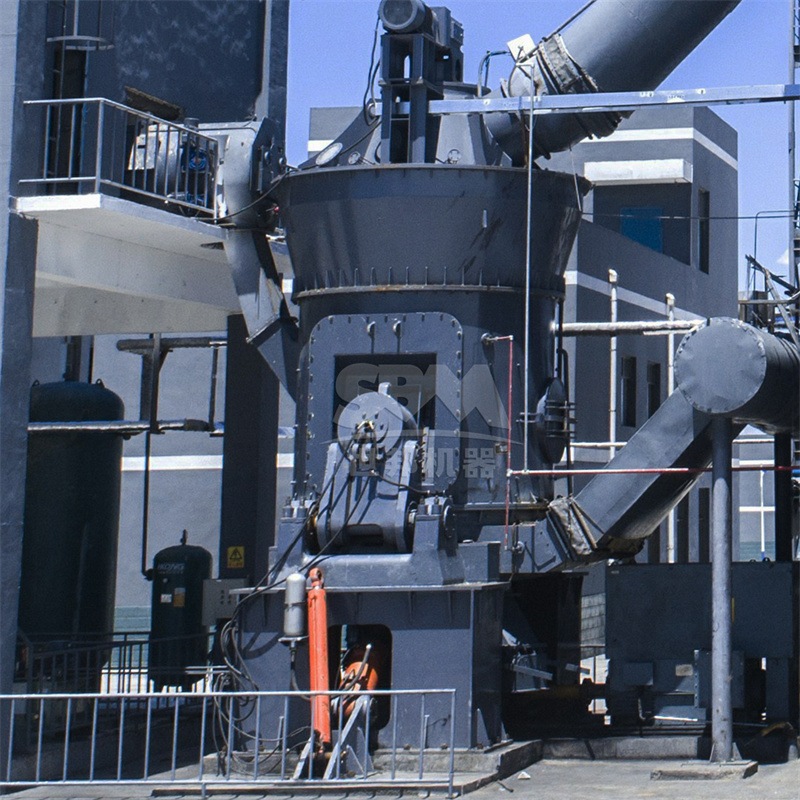
Vertical Roller Mills integrate grinding and classification in one system, reducing floor space by up to 50%. With lower energy consumption (30-40% less than ball mills) and precise fineness control, VRMs like our LM Series Vertical Roller Mill (output fineness 30-325 mesh, capacity 3-250 t/h) are excellent for large-scale gypsum powder production. The LM130K model, for instance, delivers 10-28 t/h at 170-40 microns fineness with a 200kW motor, making it ideal for 60-mesh gypsum (around 250 microns).
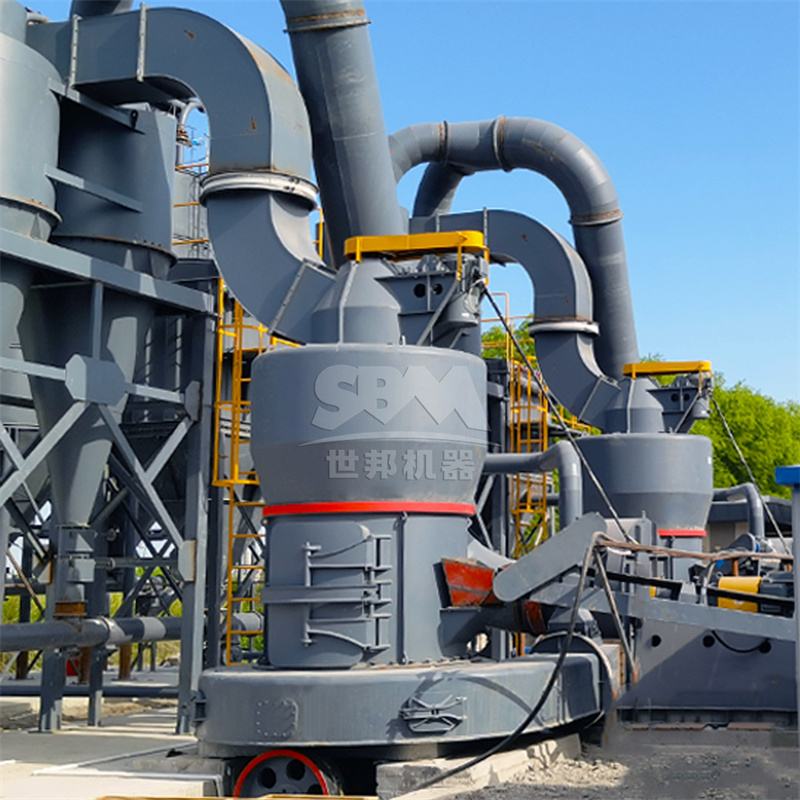
Pendulum Roller Mills, such as our MTW Series European Trapezium Mill, provide high grinding efficiency with anti-wear shovel design and integral bevel gear drive, offering capacities between 3 and 45 t/h. The MTW138Z model, with 6-17 t/h capacity at 10-325 mesh fineness, is a robust option for medium-capacity gypsum plants.
Capacity and Throughput Analysis
Define your required production rate (tons per hour). For gypsum powder at 60-mesh, capacities typically range from 3 to 25 t/h for small to medium plants, up to 45 t/h for larger operations. When matching capacity, consider the hardness and moisture of the gypsum feed (soft gypsum requires less power, but moisture above 10% may need a drying system). For example, a plant needing 10 t/h of 60-mesh gypsum might choose between an MTW138Z (6-17 t/h) or an LM150K (13-38 t/h). Always factor in a 10-15% margin above target capacity to handle feed variations and maintain consistent output.
Fineness Control and Classification Precision
Fineness tolerance is critical: 60-mesh gypsum must pass through a 250-micron screen with minimal oversize particles. High-precision dynamic classifiers, like the vertical turbine classifier in our SCM Series Ultrafine Mill (output fineness 325-2500 mesh), are designed for sharp particle size cut-offs and no coarse powder mixing. However, for 60-mesh, the classifier in MTW or LM mills is more appropriate as they are optimized for 30-325 mesh ranges. A reliable classifier ensures uniform product quality, reducing reject rates and improving downstream processing.
Energy Efficiency and Operating Costs
Energy consumption can represent 30-40% of total operating costs in gypsum powder production. Modern grinding technologies emphasize energy efficiency: our LM Vertical Roller Mill reduces energy consumption by 30-40% compared to traditional ball mill systems, thanks to its non-contact roller-table design and material bed grinding principle. The MTW mill’s optimized arc air duct reduces airflow energy loss, while its integral bevel gear drive achieves 98% transmission efficiency. Choose equipment with intelligent control systems that automatically adjust operating parameters to maintain optimum power usage, as seen in the LM series’ expert automation, reducing manual intervention and energy waste.
Durability, Wear Parts, and Maintenance
Gypsum is mildly abrasive, but the presence of impurities like silica can accelerate wear on grinding components. Look for mills with wear-resistant materials: for example, our SCM series uses special material rollers and rings that extend service life several times over. In the MTW series, the curved shovel design and wear-resistant volute structure reduce maintenance costs by up to 30%. For vertical roller mills, LM series features a quick-change modular grinding roller assembly, minimizing downtime during maintenance. Consider external lubrication systems (e.g., thin oil lubrication in the MRN pendulum mill) to reduce maintenance frequency. Choose suppliers with local service networks and readily available spare parts.
Environmental and Safety Compliance
Dust emissions and noise levels are regulated in most jurisdictions. Superior pulse dust collectors with collection efficiencies exceeding international standards are essential. Our MTW and LM mills feature fully sealed negative-pressure systems, preventing dust leakage and ensuring emissions below 30mg/Nm³. For noise reduction, our equipment includes soundproof room options and damping designs that keep operational noise below 85dB. Always verify that the chosen mill comes with a cohesive dust collection system (cyclone + pulse bag filter) to meet clean production requirements.
Plant Layout and Space Constraints
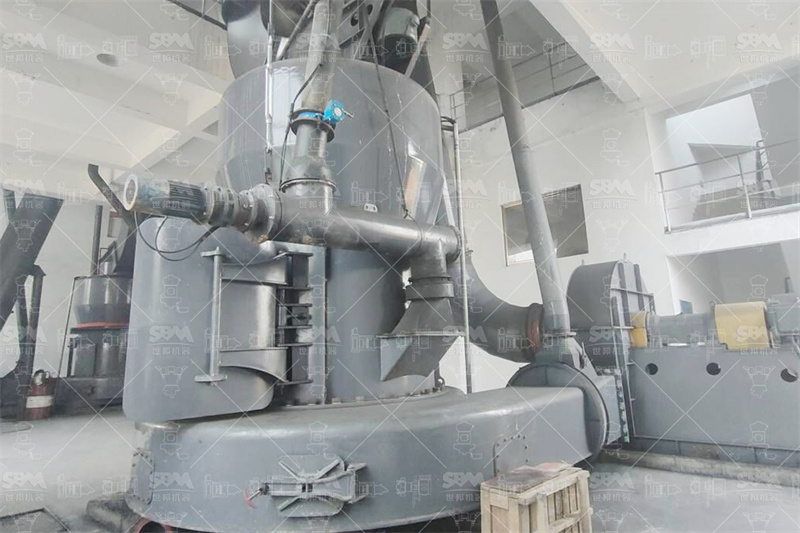
Footprint is a major consideration for existing plants. Vertical roller mills (our LM series) have the smallest footprint per ton of capacity, integrating grinding and classification, reducing floor space by up to 50%, and permitting outdoor installation which lowers infrastructure costs by 40%. For indoor retrofits, our MTW pendulum mill has a compact, low-profile design but still may require more space due to separate cyclone and blower components. Evaluate your plant’s available height, width, and space for auxiliary equipment (feeders, fans, crushers) when choosing a mill type.
Recommended Equipment for 60-Mesh Gypsum Production
Based on the above criteria, we strongly recommend our two flagship products:
1. LM Series Vertical Roller Mill (e.g., LM130K): Best for medium to large plants (10-28 t/h) seeking energy efficiency and small footprint. Its integrated system includes classifier and hot air generator for optional drying; examples in wet gypsum applications show 15% moisture reduction to below 1%. The LM series achieves 30-40% lower energy usage than ball mills and wear part life is extended 3 times. Ideal for plants with high quality demands (low residual moisture, precise fineness) and limited space.
2. MTW Series European Trapezium Mill (e.g., MTW138Z): Perfect for medium-capacity plants (6-17 t/h) that require proven technology, easy operation, and lower initial capital investment. The MTW’s integral bevel gear drive and curved shovel design deliver high efficiency with reduced maintenance. This mill can also be equipped with a pulse dust collector for eco-friendly operation. For 60-mesh gypsum, this mill offers excellent cost performance, especially in developing markets.
Both models are available with comprehensive engineering support—from site planning to full installation, commissioning, and after-sales service. We also offer test grinding at our facility to determine the most economical equipment or system configuration.
Economic Assessment and Return on Investment
To justify the equipment investment, calculate the payback period using your projected production capacity and operating margins. For example, an LM130K (15 t/h of 60-mesh gypsum) with an estimated total installed cost (including all accessories) of $120,000 could generate $45,000 annual gross profit (at $3 per ton profit) after deducting energy and labor costs. The payback period would be approximately 2.7 years. The MTW138Z has a lower initial investment (around $60,000) and pays back in 1.8 years at similar assumptions, though its capacity and operating costs may differ slightly. Consider also maintenance contracts and consumable costs when calculating long-term ROI.
Weighing Ancillary Equipment
Beyond the grinding mill, gypsum processing requires a complete system: feeder (e.g., vibrating feeder for even supply), crusher for over-sized lumps (hammer mill or jaw crusher if feed >50mm), bucket elevator or conveyor, classifier (mill-mounted usually sufficient for 60-mesh), and dust collection. Ensure that your selected mill supplier offers compatible ancillary equipment or proposes a fully engineered system, as mismatch of motors and classifiers can reduce efficiency. Verify power supply availability (380V or 6-10KV) as larger mills such as LM170K use high-voltage motors, requiring switchgear modifications.
Intelligent Control and Automation
To ensure consistent product quality and minimal operator intervention, modern mills should feature PLC-based control systems with interfaces for fineness feedback and automatic load adjustment. Our LM series includes an expert-level auto-control system with remote and local switch options and real-time parameter monitoring. This is crucial for gypsum powder plants that operate 24/7 and rely on timely maintenance predictive analytics to prevent downtimes.
Conclusion: Making the Informed Decision
Choosing the best 60-mesh gypsum production equipment involves balancing performance specifications (capacity, fineness), energy consumption, maintenance complexity, and capital expenditure. Our extensive range—from MTW pendulum mills and LM vertical roller mills to SCM ultra-fine mills—ensures that we can tailor a solution to your exact budget and production goals. Start with a material test in our lab, seek engineering advice on system integration, and prioritize suppliers offering long-term support. With the right equipment, your plant will achieve high efficiency, stable quality, and full environmental compliance, setting you up for success in the competitive gypsum market.
For more information or to discuss your specific project requirements, feel free to contact our technical team or to visit our factory for a live demonstration. We are ready to assist you in selecting the most efficient and economical solution for your 60-mesh gypsum powder production.