
Introduction
Basalt powder, derived from natural basalt rock, is a versatile industrial mineral widely used in construction, road engineering, and high-performance composite materials. Its unique properties—such as high hardness, excellent wear resistance, and chemical stability—make it an ideal raw material for asphalt mixtures, concrete additives, and even epoxy coatings. However, processing basalt into a fine powder presents significant challenges due to its high abrasiveness, toughness, and variable feed moisture. Selecting the right grinding equipment is critical to ensuring cost-effective production, consistent product quality, and long-term operational reliability. This comprehensive guide will walk you through the key factors to consider when choosing basalt powder production equipment for your plant.
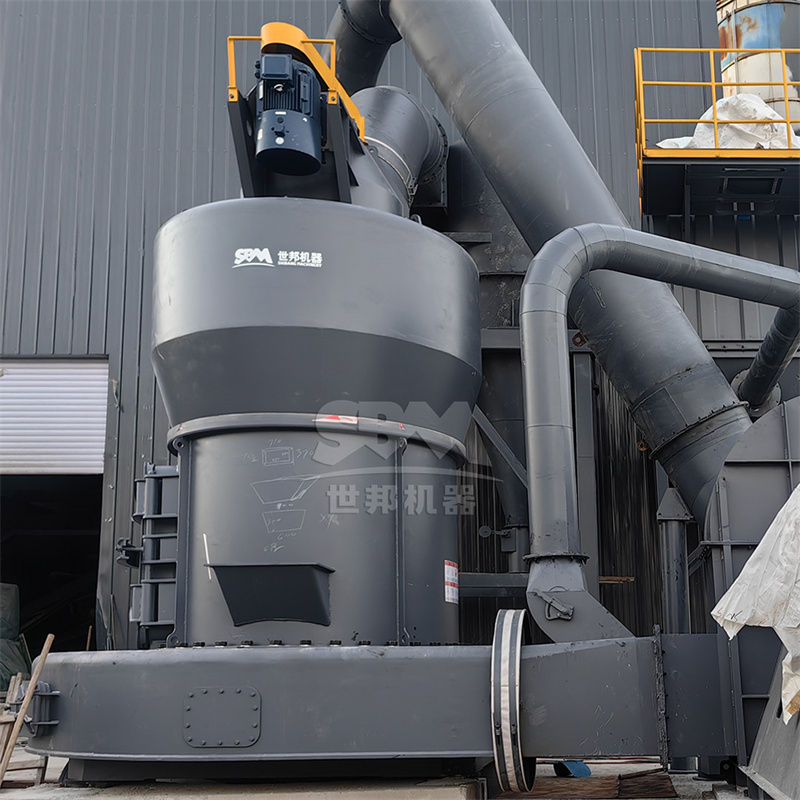
Understanding Basalt Processing Requirements
Basalt is a dense, fine-grained volcanic rock with a Mohs hardness ranging from 5 to 7, making it significantly harder than limestone or marble. Its high silica content (up to 50-55% SiO₂) contributes to severe wear on grinding components. Before selecting equipment, you must clearly define your production goals:
- Target Fineness: Basalt powder applications vary widely. For asphalt fillers, a fineness of 45-75 microns (200-325 mesh) is common. For advanced composites or coatings, ultra-fine powders of 5-45 microns (325-2500 mesh) are required.
- Required Capacity: From small-scale pilot plants processing 1-5 tons per hour to large industrial operations exceeding 100 tons per hour, your choice of mill must match your throughput targets.
- Moisture Content: Freshly quarried basalt can contain 3-8% moisture. Effective drying capabilities or integrated hot air systems may be necessary.
Critical Factors in Equipment Selection
1. Abrasion Resistance and Wear Life
Given basalt’s high abrasiveness, the equipment’s grinding elements—rollers, rings, liners, and shovels—must be constructed from wear-resistant materials. Mills that utilize special alloy steel or composite ceramic components significantly reduce downtime for part replacement. For instance, the SCM Series Ultrafine Mill by [Your Company Name] features rollers and rings made from a proprietary wear-resistant material, extending service life several times over conventional mills. This directly translates to lower maintenance costs and higher plant availability.
2. Energy Efficiency and Operating Cost
Grinding basalt is energy-intensive. The specific energy consumption (kWh per ton) varies dramatically between mill types. Traditional ball mills, for example, can consume 40-60% more energy compared to modern vertical roller mills or advanced ultrafine mills. Look for equipment that offers intelligent control systems with automatic feedback on product granularity. Such features optimize grinding pressure and classifier speed in real-time, reducing wasted energy and ensuring consistent output. The SCM Series, for instance, achieves a capacity up to twice that of jet mills while consuming 30% less energy, making it an excellent choice for high-volume basalt powder production.
3. Classification Precision
Inconsistent particle size distribution can ruin the performance of basalt powder in end-use applications. For asphalt pavements, coarse particles (>75 microns) can reduce binder adhesion, while excess ultra-fines (<10 microns) may increase the required binder content. High-precision classification is essential. Vertical turbine classifiers, like those found in the SCM Series Ultrafine Mill, provide precise particle size cutting with no coarse powder mixing. This ensures a uniform finished product that meets stringent industrial specifications.
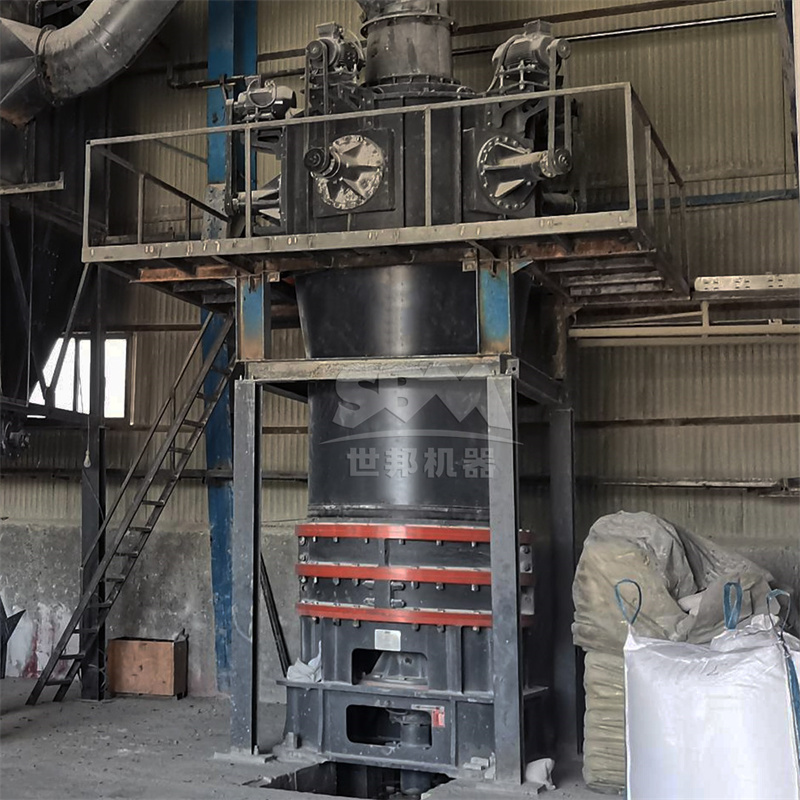
4. Process Flow Integration
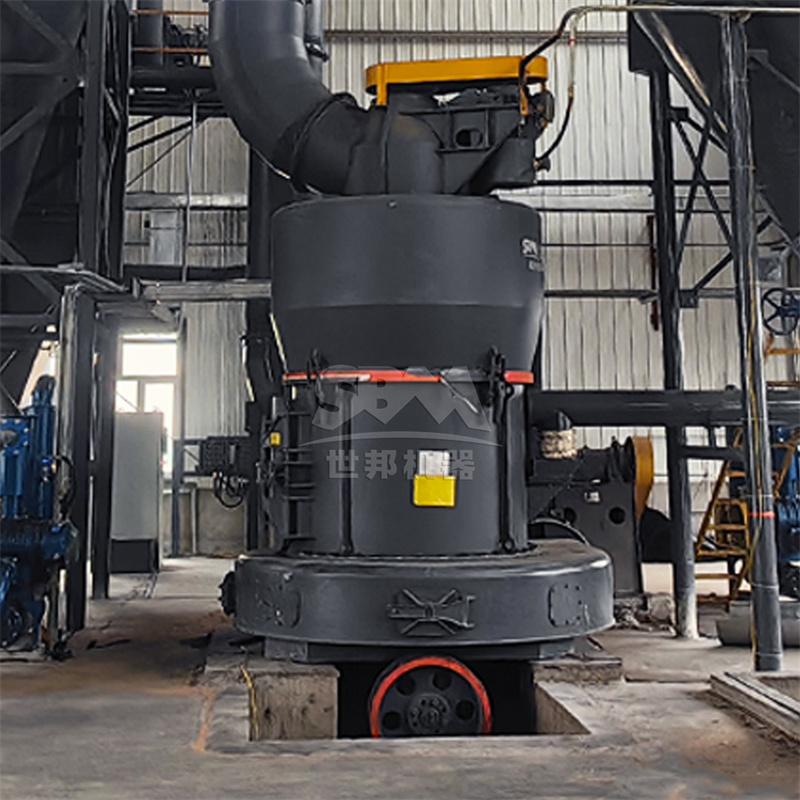
Basalt powder production is more than just grinding. A complete system includes crushing, feeding, grinding, classification, collection, and dust removal. Choose equipment that integrates seamlessly with upstream crushers and downstream packaging lines. For plants requiring coarser products (e.g., 30-325 mesh for concrete additives), the MTW Series European Trapezium Mill offers an optimized system with an integral bevel gear drive (98% transmission efficiency) and anti-wear shovel design. Its compact footprint and reduced installation costs make it a favorite for mid-to-large capacity plants.
Recommended Equipment for Basalt Powder Production
Depending on your specific fineness and capacity requirements, two technologies from [Your Company Name] stand out as optimal solutions:
Option 1: SCM Series Ultrafine Mill (For Ultra-fine Basalt Powder)
This mill is the premier choice when your target fineness falls between 325 and 2500 mesh (45-5 microns). It is specifically engineered for high-hardness minerals like basalt. Key advantages include:
- High Efficiency: Capacity 2x higher than jet mills with 30% lower energy consumption.
- Precise Classification: Vertical turbine classifier ensures no coarse powder mixing.
- Durability: Special material rollers and rings withstand extreme abrasion.
- Eco-Friendly: Pulse dust collection exceeds international standards; soundproof design keeps noise below 85 dB.
Model Recommendation: For a typical basalt powder plant requiring 5-15 tons per hour of ultra-fine product, the SCM1250 (capacity: 2.5-14 t/h, main power: 185 kW) or the SCM1680 (capacity: 5.0-25 t/h, main power: 315 kW) are ideal. They handle feed sizes up to 20mm and deliver consistent quality.
Option 2: MTW Series European Trapezium Mill (For Medium to Fine Basalt Powder)
When your application requires a fineness of 30-325 mesh (600-45 microns) with higher throughput, the MTW mill is unbeatable. Its robust design handles feed sizes up to 50mm and offers:
- Low Maintenance: Anti-wear combined shovel blades and curved design extend roller life.
- High Efficiency: Optimized arc air duct reduces airflow energy loss.
- Stable Operation: Integral bevel gear drive saves space and reduces installation costs.
Model Recommendation: For medium-capacity plants (10-20 t/h), the MTW138Z (capacity: 6-17 t/h, main power: 90 kW) is a balanced solution. For large-scale operations exceeding 20 t/h, the MTW215G (capacity: 15-45 t/h, main power: 280 kW) provides the necessary power and throughput.
Other Considerations for Your Plant
Dust Control and Environmental Compliance
Basalt powder production generates significant dust. Choosing equipment with fully sealed negative pressure operation is mandatory. Mills from [Your Company Name] incorporate advanced pulse dust removal systems that limit emissions to well below 50 mg/Nm³, meeting even the strictest environmental regulations. The LM Series Vertical Roller Mill, for instance, operates with noise levels below 85 dB and features a soundproof room option.
Intelligent Control Systems
Modern basalt powder plants benefit from automation. Expert-level auto-control systems that support remote/local switching and real-time monitoring of parameters (grinding pressure, classifier speed, product fineness) reduce manual intervention and ensure 24/7 stable production. The SCM and MTW series both offer intelligent feedback systems that automatically adjust settings based on real-time load conditions.
Conclusion
Choosing the best basalt powder production equipment is a strategic decision that impacts your plant’s profitability, product quality, and environmental compliance. By carefully evaluating your target fineness, capacity, and material characteristics, you can narrow down the options. For ultra-fine applications (325-2500 mesh), the SCM Series Ultrafine Mill offers unmatched efficiency and precision. For coarser, higher-volume production (30-325 mesh), the MTW Series European Trapezium Mill provides durability and low operating costs. Both technologies incorporate cutting-edge features to handle basalt’s demanding nature. Invest in quality equipment today to ensure your plant remains competitive tomorrow.