
Introduction
Calcium carbonate is one of the most widely used industrial minerals, serving as a fundamental raw material in industries ranging from paper and plastics to paints, coatings, construction, and pharmaceuticals. The quality of your final product—whether it is a fine powder for PVC pipes or a coarse filler for construction materials—depends almost entirely on the performance of your grinding and classifying equipment. Choosing the right calcium carbonate powder production equipment is a critical business decision that impacts production efficiency, product quality, operating costs, and environmental compliance. This comprehensive guide will walk you through the key factors to consider when selecting equipment for your manufacturing needs, and will highlight industry-leading solutions that can help you achieve optimal results.
Understanding Your Material: The First Step
Before diving into equipment specifications, it is essential to understand the characteristics of the calcium carbonate you plan to process. Factors such as feed size, moisture content, hardness (Mohs scale), and the desired brightness or whiteness of the final product will influence your choice. Most calcium carbonate feed materials have a hardness of around 3 on the Mohs scale, making them relatively soft and grindable. However, impurities such as silica can increase abrasiveness, requiring more wear-resistant components. Additionally, if your raw material has high moisture content, you may need a system that integrates drying and grinding, such as a vertical roller mill with hot air circulation.
Key Performance Metrics to Evaluate
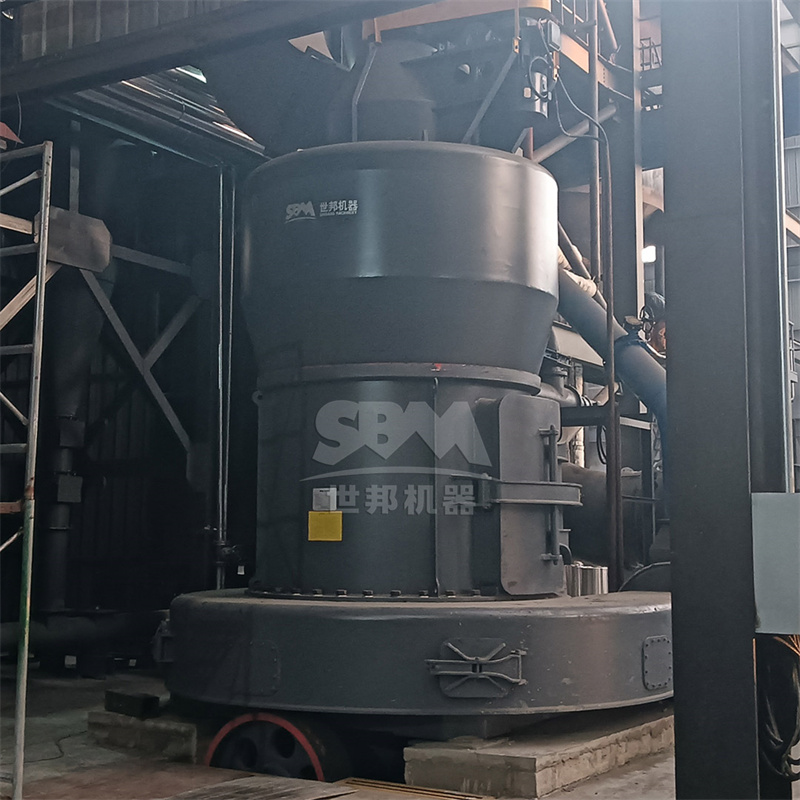
When comparing calcium carbonate powder production equipment, you should focus on three core metrics: capacity (tons per hour), fineness (mesh size or micron), and energy consumption (kWh per ton). A machine that offers high capacity but consumes excessive power may not be cost-effective in the long run. Similarly, a mill that can achieve ultra-fine fineness but has low throughput may not suit large-scale industrial applications. The goal is to find a balance that aligns with your production targets and budget.
Grinding Technologies Overview
The market offers various grinding technologies, each suited for specific particle size ranges and production scales. For coarse to medium grinding (30-325 mesh), Raymond mills, European trapezium mills, and ball mills are common choices. For ultra-fine grinding (325-2500 mesh), ultrafine vertical roller mills and jet mills are typically used. Among these, vertical roller mills have gained significant popularity due to their integrated design, which combines crushing, grinding, classifying, and drying in a single unit, reducing floor space and infrastructure costs by up to 50%.
Key Consideration 1: Desired Final Product Fineness
Your target fineness is the single most important factor in narrowing down equipment choices. For example, if you are producing calcium carbonate powder for the paper industry as a coating pigment, you will generally need a fineness of 90% passing 2 microns or finer. This requires an ultrafine grinding mill with a high-performance classifier. On the other hand, if you are producing fillers for plastics or rubber, a fineness of 325 mesh (45 microns) to 800 mesh (18 microns) is typically sufficient, and a European trapezium mill or a medium-speed mill may be the most economical choice.
For customers targeting the ultra-fine market (45-5 microns), our SCM Series Ultrafine Mill is a perfect solution. It has an output fineness ranging from 325 to 2500 mesh, and its capacity is twice that of traditional jet mills, with 30% lower energy consumption. The vertical turbine classifier ensures precise particle size cutting with no coarse powder mixing, making it ideal for high-value applications where product uniformity is critical.
Key Consideration 2: Production Capacity and Scalability
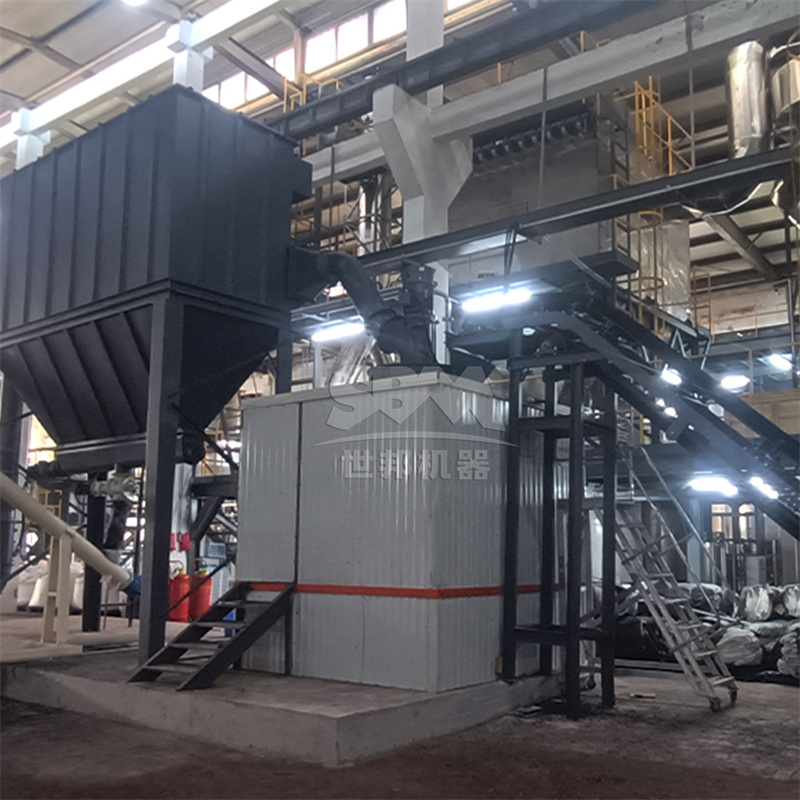
Production capacity directly affects your return on investment. For small to medium-scale operations (under 10 tons per hour), a single mill such as the MTW Series European Trapezium Mill or a medium-speed mill is often sufficient. For larger-scale operations (10-50 tons per hour or more), a vertical roller mill from the LM series offers unmatched throughput. The LM series can handle feed sizes up to 50mm and has a capacity range from 3 to 250 tons per hour, making it one of the most versatile and scalable solutions on the market. Its integrated design reduces floor space by 50% and can be installed outdoors, cutting infrastructure costs by up to 40%.
Key Consideration 3: Energy Efficiency and Operating Costs
Energy consumption is the largest component of operating costs in powder production. Modern grinding technologies have made significant strides in reducing energy usage. For instance, bed-of-material grinding principles used in vertical roller mills consume 30-40% less energy compared to traditional ball mill systems. If energy costs are a major concern, look for mills with intelligent control systems that automatically adjust parameters to maintain optimal grinding conditions. Our LM Series Vertical Roller Mill features an expert-level auto-control system that supports remote and local switching, with real-time monitoring that reduces manual intervention and optimizes energy use.
Key Consideration 4: Wear and Maintenance
Calcium carbonate, while relatively soft, can still cause significant wear on grinding components over time, especially if the feed contains abrasive impurities. The cost and frequency of replacing wear parts such as rollers, rings, and liners directly impact your bottom line. Choose equipment designed with durable materials and innovative geometries. For example, the special material rollers and rings in the SCM Series Ultrafine Mill extend service life several times over. Similarly, the MTW series features an anti-wear shovel design and a wear-resistant volute structure that can reduce maintenance costs by 30%.
Key Consideration 5: Environmental Compliance
Environmental regulations are becoming increasingly stringent worldwide. Dust emissions and noise levels are two primary concerns in powder production. Ensure that the equipment you select is equipped with efficient dust collection systems. Pulse dust collectors with efficiency exceeding international standards are now standard in modern mills. Additionally, low-noise designs, such as soundproof rooms and damping systems, are critical for operations located near residential areas. Both our SCM and LM series are designed with eco-friendly features, including fully sealed negative pressure operation and advanced pulse dust removal technology, ensuring emissions are below national standards.
Key Consideration 6: Classifier Performance
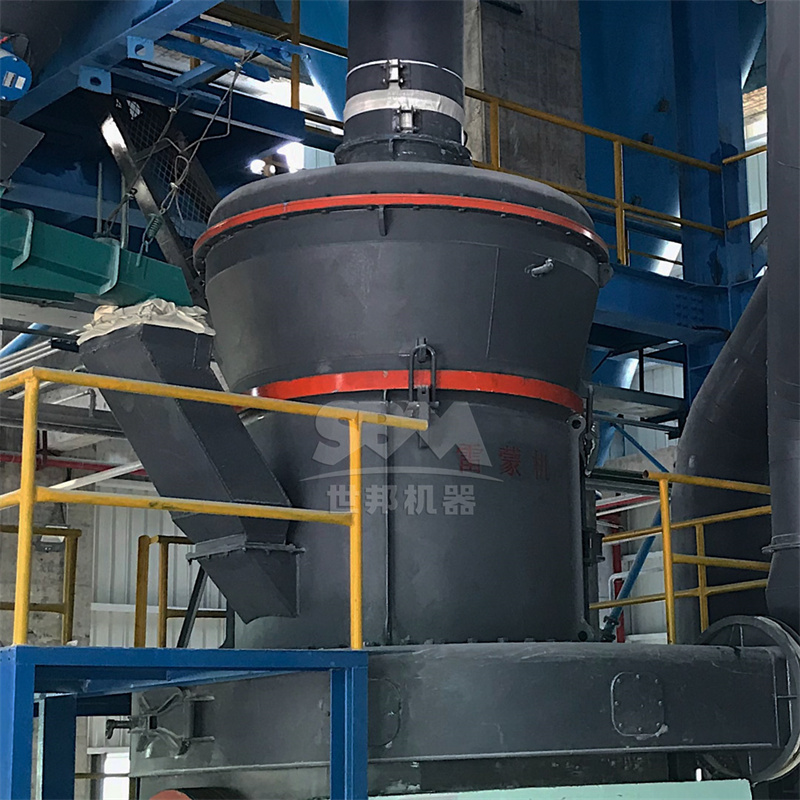
The classifier is the heart of any grinding system that aims to produce a precise particle size distribution. A poor classifier will allow coarse particles to pass through, damaging product quality. Look for vertical turbine classifiers or multi-rotor classifiers that offer high precision. For instance, our LUM Ultrafine Vertical Roller Mill uses multi-rotor technology to ensure no coarse particles contaminate the final product. The SCM series also features a vertical turbine classifier that achieves precise particle size cutting, ensuring uniform finished products suitable for demanding applications.
Recommended Product: SCM Series Ultrafine Mill
For manufacturers focused on producing high-value, ultra-fine calcium carbonate powder (325-2500 mesh) with capacities from 0.5 to 25 tons per hour, the SCM Series Ultrafine Mill is an outstanding choice. Its key advantages include: a capacity that is double that of jet mills, 30% lower energy consumption, intelligent automatic control with finished product granularity feedback, and durable rollers and rings made from special materials. Models range from the SCM800 (0.5-4.5 t/h, 75kW) to the SCM1680 (5-25 t/h, 315kW), covering a wide spectrum of production needs. The working principle involves three layers of grinding rings rotating to disperse materials via centrifugal force, ensuring layer-by-layer crushing and efficient powder collection through a cyclone and pulse dust system.
Recommended Product: LM Series Vertical Roller Mill
For large-scale operations requiring high throughput (3-250 t/h) and the ability to handle coarser feed (up to 50mm), the LM Series Vertical Roller Mill is the definitive solution. It integrates crushing, grinding, and selection in one system, reducing floor space by 50%. Its non-contact design between rollers and table increases wear part life by three times, while its energy consumption is 30-40% lower than ball mill systems. The LM series is available in multiple configurations: Mineral Mill (LM130K to LM280K), Coal Mill (LM80M to LM280M), Slag Mill, Fine-powder Mill (LM130X-GX to LM220X-GX), and Pre-grinding Mill. If your application requires outdoor installation, coarse feed, or very high tonnage, the LM series is the most robust and cost-effective choice.
Conclusion
Choosing the best calcium carbonate powder production equipment requires a careful analysis of your material properties, target fineness, production capacity, energy budget, and environmental obligations. By understanding the strengths of different grinding technologies—from the ultra-fine precision of the SCM series to the high-capacity integration of the LM series—you can make an informed decision that maximizes your productivity and profitability. We encourage you to consult with our engineering team to conduct a detailed test on your specific material. With the right equipment, you can turn raw calcium carbonate into a high-quality product that meets the most demanding industry standards.