
Introduction
In the papermaking industry, the quality of filler materials directly impacts the final product’s brightness, opacity, smoothness, and printability. Illite, a clay mineral with excellent platy morphology and high whiteness, has become an increasingly popular filler choice for premium paper grades. However, the key to unlocking illite’s full potential lies in the production equipment used to process it. Selecting the right illite additive production equipment is critical for achieving the desired particle size distribution, purity, and consistency required for high-quality filler applications. This article provides a comprehensive guide on how to choose the best equipment, focusing on technical parameters, energy efficiency, and precision classification.
Understanding Illite as a Paper Filler
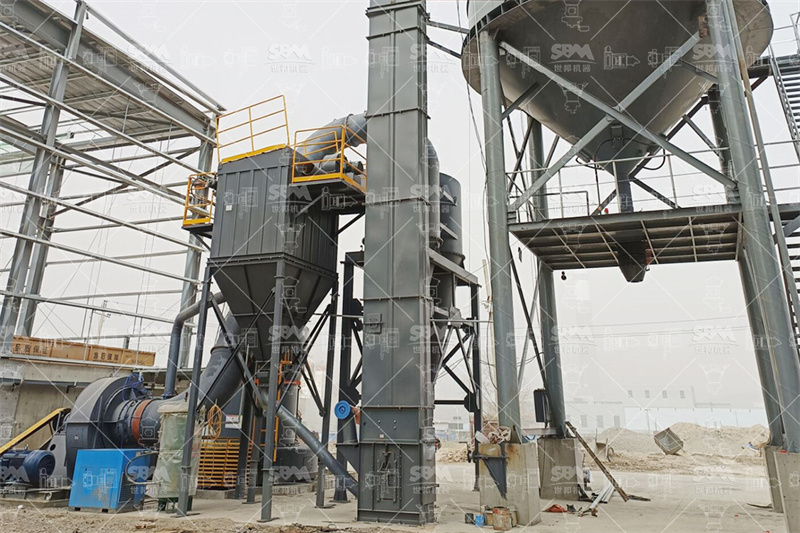
Illite belongs to the mica group of clay minerals and is characterized by its fine-grained, platy structure. When processed correctly, illite enhances paper’s optical properties and surface characteristics. The ideal illite filler for papermaking typically requires a fineness ranging from 325 mesh (45 μm) to 2500 mesh (5 μm), depending on the specific grade of paper being produced. The production equipment must therefore offer precise control over particle size distribution, with minimal coarse particle contamination and consistent output quality.
Key Factors in Equipment Selection
1. Output Fineness and Classification Precision
The most critical factor for filler applications is the equipment’s ability to achieve and maintain the target fineness range. For illite used in high-quality coated paper or specialty grades, a fineness of 800-2500 mesh (15-5 μm) is often required. Equipment with advanced classification systems, such as vertical turbine classifiers, ensures precise particle size cutting without coarse powder mixing. This is essential because any oversized particles can cause defects in the paper surface or damage to the paper machine.
2. Production Capacity and Scalability
Paper mills operate on large scales, and the filler production line must match the mill’s consumption rate. Equipment capacities typically range from 0.5 to 45 tons per hour. Choosing a model that offers both adequate capacity and the flexibility to scale up production is important for long-term operational planning. Manufacturers should evaluate their daily illite consumption and select equipment that can comfortably meet these demands without excessive idle time or frequent maintenance interruptions.
3. Energy Efficiency and Operating Costs
Energy consumption represents a significant portion of the total production cost for mineral processing. Modern grinding technologies, such as those employing bed grinding principles, can reduce energy consumption by 30-50% compared to traditional ball mill systems. Additionally, intelligent control systems that automatically adjust operating parameters based on real-time feedback optimize energy usage while maintaining product quality. Lower energy consumption not only reduces operational costs but also supports environmental sustainability goals.
4. Wear Resistance and Maintenance Requirements
Illite is an abrasive mineral, and equipment components such as grinding rollers, rings, and classifiers undergo constant wear. Special material rollers and rings that extend service life are crucial for minimizing downtime and replacement costs. Equipment with anti-wear shovel designs, combined blade structures, and durable volute configurations can significantly reduce maintenance frequency and costs. For paper mills operating 24/7, equipment reliability is non-negotiable.
5. Environmental Compliance and Dust Control
Stringent environmental regulations in the paper industry demand that filler production equipment meets high standards for dust emission control. Fully sealed negative pressure operation, combined with pulse dust collection systems, ensures that dust emissions comply with international standards. Low-noise operation is also increasingly important for mills located near residential areas or within acoustically sensitive environments.
Recommended Equipment Solutions for High-Quality Illite Filler Production
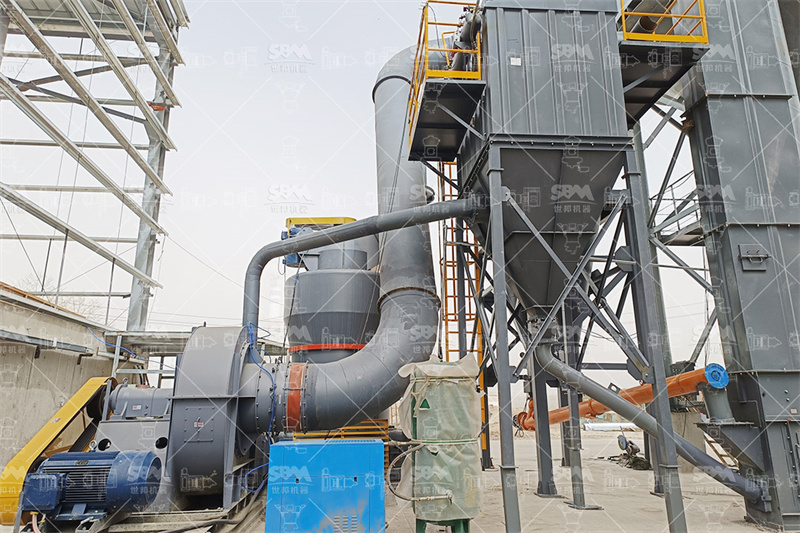
Based on our extensive experience in mineral processing equipment, we highly recommend two models that are ideally suited for illite filler production: the SCM Series Ultrafine Mill and the LUM Ultrafine Vertical Roller Mill. Both models offer the precision, efficiency, and reliability required for high-quality filler applications.
SCM Series Ultrafine Mill (45-5 μm)
For applications requiring ultrafine illite with fineness in the 5-45 μm range, the SCM Series Ultrafine Mill is an outstanding choice. This mill is designed to handle materials with an input size of up to 20mm and delivers a capacity ranging from 0.5 to 25 tons per hour, depending on the model selected. One of its key advantages is the vertical turbine classifier, which achieves precise particle size cutting and eliminates coarse powder mixing. This ensures that every batch of illite filler meets the stringent consistency requirements of premium paper production.
The SCM mill also offers exceptional energy efficiency, with a capacity that is twice that of jet mills while consuming 30% less energy. Its intelligent control system provides automatic feedback on finished product granularity, allowing for real-time adjustments to maintain optimal output. The durable design features special material rollers and rings that extend service life several times over, and the shaftless screw grinding chamber ensures stable operation even during extended production runs. For paper mills prioritizing environmental compliance, the pulse dust collection efficiency exceeds international standards, and the soundproof room design keeps noise levels under 85 decibels.
Available models range from the SCM800 (0.5-4.5 t/h, 75kW main power) to the SCM1680 (5.0-25 t/h, 315kW main power), all achieving a fineness range of 325-2500 mesh. This versatility makes the SCM series suitable for both small-scale specialty paper mills and large-scale integrated paper producers.
LUM Ultrafine Vertical Roller Mill (325-2500 mesh)
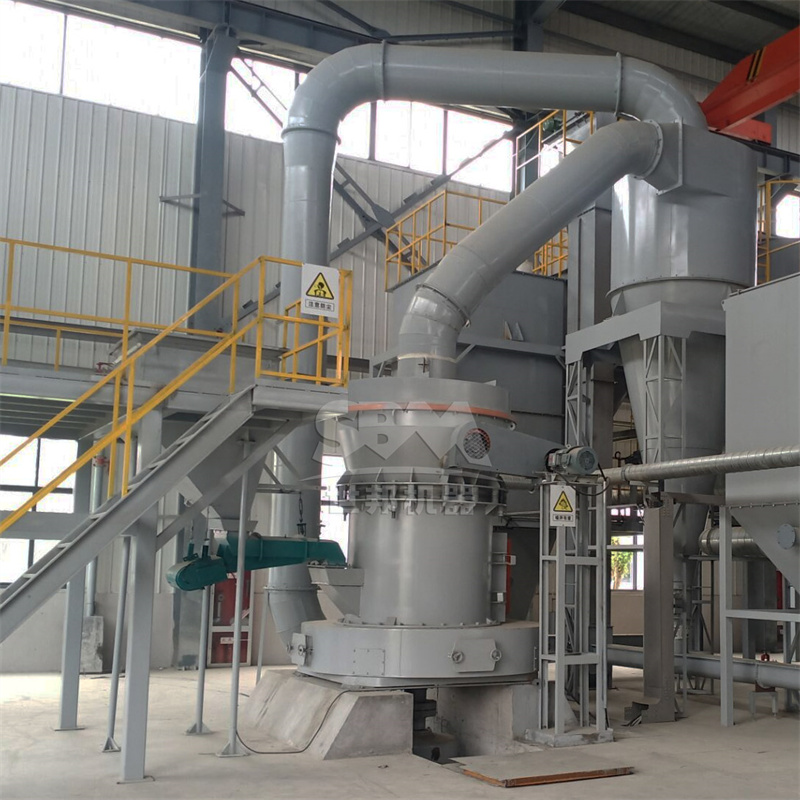
For paper mills requiring even higher capacity and integrated grinding-classification systems, the LUM Ultrafine Vertical Roller Mill is a premium solution. With a feed size capability of up to 20mm and output fineness precisely controlled between 325 and 2500 mesh, this mill is engineered specifically for ultrafine powder production. Its unique roller and liner curves significantly improve grinding efficiency, while the multi-rotor classification technology ensures that no coarse particles contaminate the final product.
The LUM mill features PLC automation for stable and reliable operation, reducing the need for manual intervention. The negative pressure system guarantees no dust leakage, making it an environmentally friendly choice for modern paper mills. Models such as the LUM1525 (1.6-11.5 t/h), LUM1632 (2-13.5 t/h), and LUM1836 (2.3-15 t/h) provide scalable solutions to match various production requirements. The combination of smart control and efficient grinding makes the LUM series ideal for producing consistent, high-quality illite filler for coated and specialty paper grades.
Comparing Alternative Technologies
While the SCM and LUM series are our top recommendations for ultrafine illite production, it is worth comparing them with other available technologies to understand their superiority. The MTW Series European Trapezium Mill (600-45 μm) is an excellent choice for coarser illite applications, such as filler for newsprint or packaging boards, where fineness requirements are less stringent. Its anti-wear shovel design and integral bevel gear drive (98% transmission efficiency) make it highly reliable for bulk production. For very high-capacity operations, the LM Series Vertical Roller Mill (3-250 t/h) offers an integrated design that combines crushing, grinding, and selection in one system, reducing floor space by 50% and infrastructure costs by 40%.
However, for the specific niche of high-quality illite filler where fineness below 45 μm and tight particle size distribution are non-negotiable, the SCM and LUM mills remain unmatched. Traditional ball mills, while capable of handling large volumes, lack the classification precision and energy efficiency of modern ultrafine mills. Similarly, jet mills, though capable of achieving very fine particles, consume significantly more energy and have lower capacities compared to the SCM series.
Conclusion
Choosing the best papermaking illite additive production equipment requires a thorough evaluation of fineness requirements, production capacity, energy efficiency, wear resistance, and environmental compliance. For high-quality filler applications demanding ultrafine illite in the 5-45 μm range, the SCM Series Ultrafine Mill and the LUM Ultrafine Vertical Roller Mill represent the pinnacle of current technology. Their advanced classification systems, intelligent controls, and durable construction ensure consistent production of premium illite filler that meets the most demanding paper quality standards. By investing in the right equipment, paper manufacturers can enhance their product quality, reduce operational costs, and maintain a competitive edge in the global market.