
Introduction to 1250 Mesh Talc Powder Production
Talc powder with a fineness of 1250 mesh (approximately 10 microns) is a high-value industrial mineral used extensively in papermaking, plastics, paints, ceramics, cosmetics, and pharmaceuticals. The production of such fine powder demands precision grinding equipment capable of consistent particle size distribution, high throughput, and energy efficiency. Selecting the right equipment for your grinding plant is a critical decision that directly impacts product quality, operational costs, and long-term profitability. In this article, we provide a comprehensive guide to evaluating and choosing the most suitable talc powder production machinery, with a special focus on the technical parameters, economy, and application-specific requirements.
Key Considerations for 1250 Mesh Talc Grinding
1. Feed Material Characteristics
Before selecting equipment, you must analyze your talc ore characteristics, including feed size, hardness (typically Mohs hardness of 1–3 for talc), moisture content, and chemical purity. For talc, which is soft but highly abrasive due to associated minerals, equipment wear resistance and the ability to handle slight fluctuations in feed properties are crucial. Your chosen mill must accommodate a feed size of up to 20–50 mm and achieve a final fineness of D97 = 10 microns (1250 mesh) without compromising efficiency.
2. Required Output Fineness and Particle Size Distribution
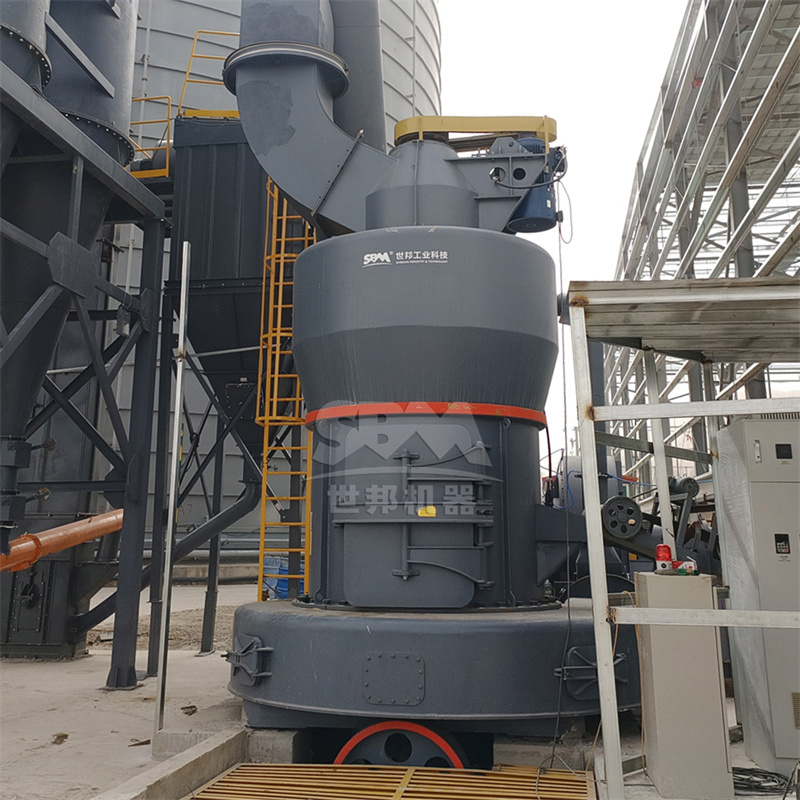
325–2500 mesh is the typical range for ultrafine mills, but for 1250 mesh specifically, you need a mill with a high-precision classification system. The particle size distribution must be steep, meaning no coarse particles (oversize) and minimal ultrafine contamination. A vertical turbine classifier, as found in advanced ultrafine mills, ensures precise particle size cutting. For instance, the SCM Series Ultrafine Mill from our product line is specifically engineered for 325–2500 mesh output, making it an ideal candidate for talc powder production. The SCM1000, for example, produces 1.0–8.5 t/h at 325–2500 mesh with a main power of 132 kW, delivering outstanding classification accuracy.
Comparison of Grinding Mill Technologies
Several technologies are available for fine and ultrafine grinding, each with advantages and limitations:
Ball Mills: Traditional but energy-intensive; they can achieve 1250 mesh but with higher operational cost and broader particle size distribution. They are best for large-scale production where energy efficiency is less critical.
Vertical Roller Mills (VRM): Known for their energy efficiency (30-40% less than ball mills), the LM Series Vertical Roller Mill is a versatile option, but for ultrafine 1250 mesh, it may require special modifications. The LM Fine-powder series (LM130X-GX to LM220X-GX) can achieve 325–600 mesh, which is insufficient for 1250 mesh.
Ultrafine Impact Mills (e.g., jet mills): They can achieve micron-range products but have high energy consumption and lower capacity. In comparison, our SCM Series Ultrafine Mill has twice the capacity of jet mills with 30% lower energy consumption, making it the most economical solution for 1250 mesh talc.
Energy Efficiency and Operating Costs
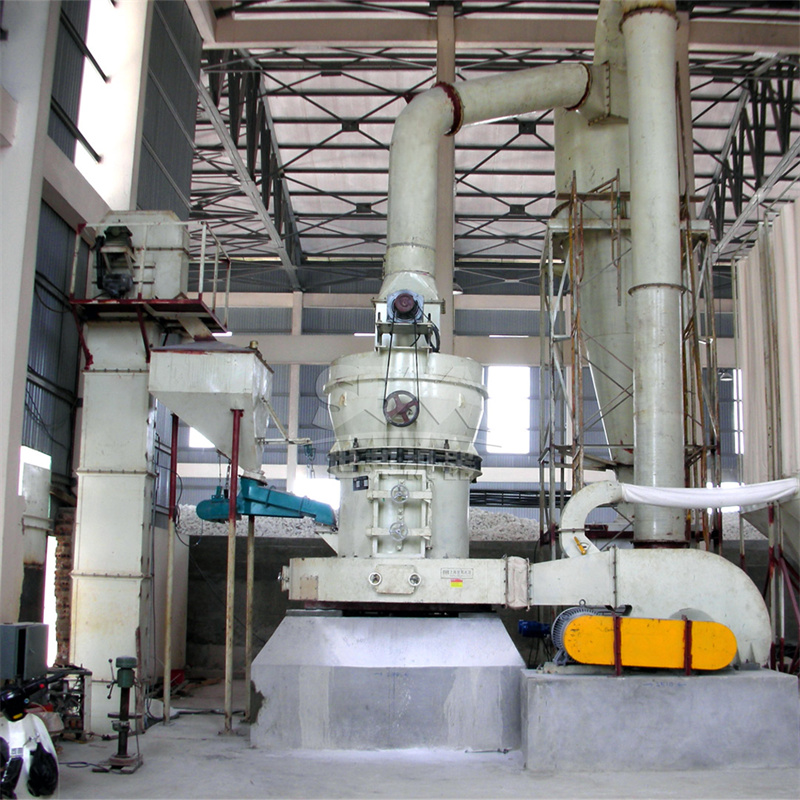
Energy consumption is the largest expenditure in talc grinding. For a 1250 mesh product, the grinding process requires high specific energy. Selecting a mill with an intelligent control system and automatic feedback of finished product granularity reduces energy waste. The SCM Series uses a special material roller and ring that extend service life and lower maintenance costs. Additionally, the optimized air duct and volute design in the MTW Series European Trapezium Mill reduce airflow energy loss, but the SCM series is preferred for its finer output. For a small to medium plant, the SCM900 (0.8-6.5 t/h, 90 kW) or SCM1250 (2.5-14 t/h, 185 kW) balances throughput with energy savings. For larger plants, the SCM1680 (5-25 t/h, 315 kW) is an excellent choice.
Equipment Durability and Wear Life
Talc, despite its softness, can contain abrasive impurities such as silica or carbonates. Mill components like rollers, rings, and classifier blades must be made of wear-resistant materials. The SCM Series utilizes special alloy materials for rollers and rings, extending service life several times over. The shaftless screw grinding chamber ensures stable operation and reduced vibration, which is essential for maintaining product consistency. In contrast, traditional pendulum mills like the MRN series are robust for lower fineness (30-325 mesh) but are not suited for 1250 mesh. Therefore, for ultrafine talc, the SCM or LUM ultrafine mills are recommended. Our LUM Ultrafine Vertical Roller Mill is another alternative, offering 325-2500 mesh with a multi-rotor classifier and PLC automation, but its capacity is lower (max 15 t/h) compared to SCM’s higher throughput.
Environmental Compliance and Noise Reduction
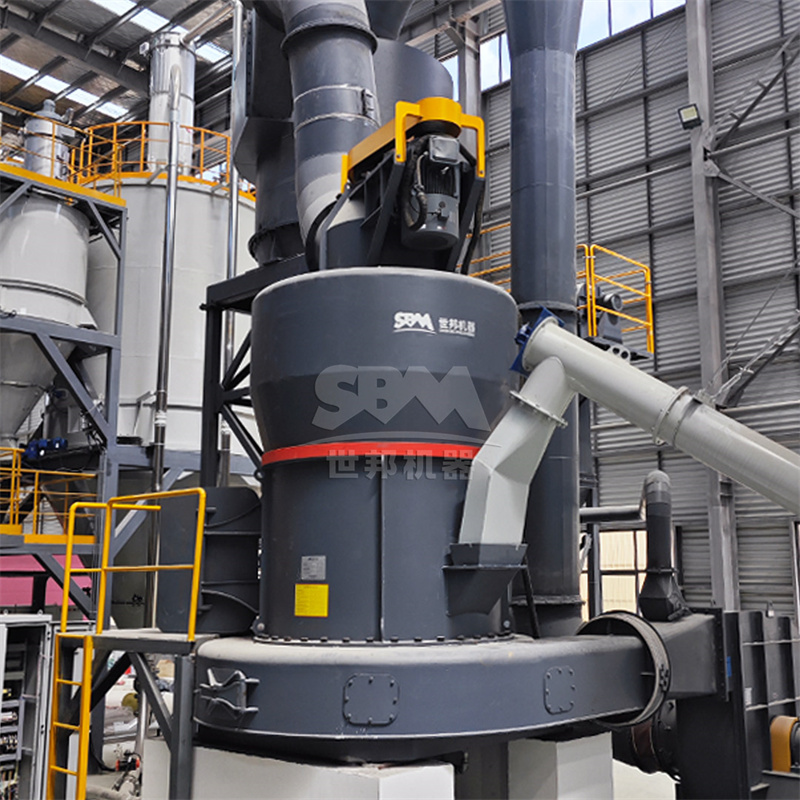
Modern grinding plants must adhere to strict environmental regulations. Pulse dust collection systems with high efficiency and low emission levels are mandatory. The SCM Series features a pulse dust collector that exceeds international standards, ensuring a clean work environment. Additionally, a soundproof room design reduces noise levels, protecting the workforce. The LM Series fully sealed negative pressure operation further minimizes dust leakage. If your plant is in an urban area, consider the low-noise and eco-friendly features of the SCM Series.
System Integration and Footprint
The SCM Series is a self-contained system that integrates crushing, grinding, and classification, reducing floor space by 50% compared to traditional systems. This is particularly beneficial for retrofitting existing plants or building new ones with limited space. The vertical structure design also allows for outdoor installation, cutting infrastructure costs by 40%. For a new talc grinding plant aiming at 1250 mesh, we strongly recommend the SCM Series Ultrafine Mill as a standalone solution. The SCM1000 is our best-selling model for medium capacity, while the SCM1250 offers higher throughput. Both models ensure high precision classification for a narrow particle size distribution.
Specific Product Recommendation: SCM1250 Ultrafine Mill
For a grinding plant dedicated to 1250 mesh talc powder with a capacity of 2.5 to 14 tons per hour, we highly recommend the SCM1250. It features a main power of 185 kW, a feed size of 0-20 mm, and outputs a fineness of 325-2500 mesh. Its technical advantages include:
– Capacity twice that of jet mills with 30% lower energy consumption.
– A vertical turbine classifier that guarantees precise particle size cutting without coarse powder mixing.
– Durable rollers and rings made from special materials, extending service life several times over.
– A shaftless screw grinding chamber for stable operation.
– Environmental protection with pulse dust collection and a soundproof room.
If your required output is more modest (0.5-4.5 t/h), the SCM800 is a cost-effective option. However, for most commercial talc applications, the SCM1250 offers optimal performance.
Conclusion
Choosing the right 1250 mesh talc powder production equipment requires a holistic analysis of feed properties, target fineness, capacity, energy consumption, wear life, and environmental compliance. The SCM Series Ultrafine Mill emerges as the industry benchmark for this application due to its high efficiency, precision classification, and rugged design. By selecting the appropriate model (e.g., SCM1250 for medium-large plants), you ensure a reliable, profitable operation. For a detailed engineering evaluation, consult our experts, who can tailor a solution to your specific site conditions and production goals.