
Introduction: The Critical Role of Equipment Selection in Magnesite Processing
Selecting the right production equipment for 30-mesh magnesite powder is a decision that fundamentally impacts your grinding plant’s operational efficiency, product quality, and long-term profitability. Magnesite, a key industrial mineral used extensively in refractory materials, magnesium compounds, and construction applications, requires precise grinding solutions to meet stringent particle size specifications. The 30-mesh standard, which corresponds to approximately 600 microns, sits at a unique crossroads in mineral processing – it demands robust equipment capable of handling moderate feed sizes while maintaining consistent throughput and uniform particle distribution. This article provides a comprehensive technical guide for plant operators and decision-makers evaluating equipment options, drawing on industry expertise and advanced milling technologies to help you make an informed investment.
Understanding 30-Mesh Specifications and Production Challenges
30-mesh magnesite powder, with a particle size of approximately 600 microns (0.6mm), presents distinct challenges when compared to both coarser aggregates and finer powders. This intermediate specification requires equipment that bridges the gap between primary crushing and fine grinding, ensuring that the final product maintains the correct particle size distribution without excessive fines generation. The magnesite ore’s hardness, typically ranging from 3.5 to 4.5 on the Mohs scale, combined with its abrasive nature, demands machinery with enhanced wear-resistant components. Furthermore, magnesite milling generates significant heat and static charge, which can affect material flow and classification efficiency. An effective production line must address these operational hurdles through advanced engineering design, optimized airflow management, and robust material handling systems. Key performance indicators for your grinding plant include consistent throughput measured in tons per hour, product purity maintained through minimal iron contamination, and energy efficiency that directly translates to operating costs.
Key Equipment Categories for 30-Mesh Magnesite Grinding
When evaluating your production needs, understanding the available equipment categories is essential. For 30-mesh magnesite powder, the primary options include pendulum roller mills, European trapezium mills, and vertical roller mills, each offering unique advantages tailored to specific plant scales and operational requirements.
Pendulum Roller Mills: Versatility and Proven Performance
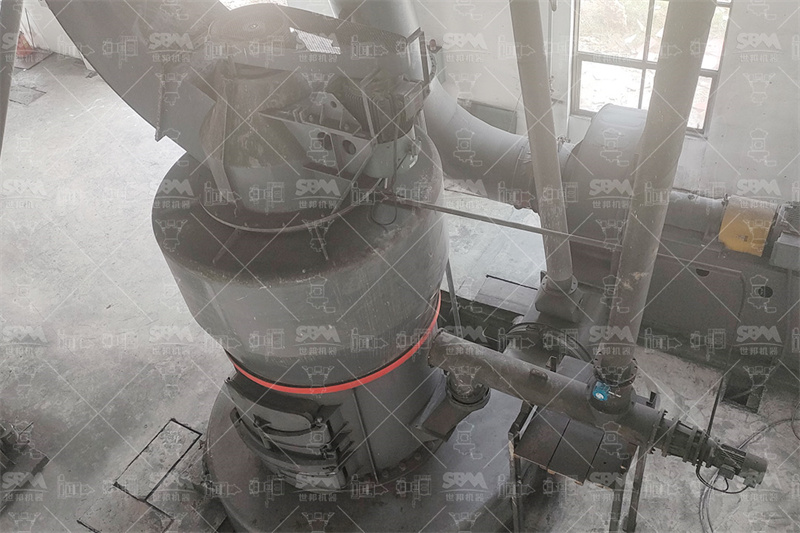
Pendulum roller mills, also known as Raymond mills, have long been the workhorse of non-metallic mineral processing. These systems operate on a simple yet effective principle: grinding rollers swing outward under centrifugal force to press against a stationary grinding ring, crushing material fed between them. For 30-mesh magnesite production, pendulum mills offer remarkable versatility, allowing operators to adjust output fineness through classifier speed modifications while maintaining capacities that range from a few tons per hour to over 80 tons per hour in larger configurations. The technology has evolved significantly with innovations like thin oil lubrication systems that reduce maintenance downtime and pulse dust collectors that ensure environmentally compliant operation. Our MRN Series Pendulum Mill exemplifies this advancement, with its patented internal suction oil lubrication and square-pipe collector design that minimizes system resistance. Models such as the MRN158 (7-21 tons/hour) and MRN198 (12-33 tons/hour) are ideally suited for medium-to-large magnesite plants, providing stable operation with feed sizes up to 40-45mm and fineness ranges covering 10-325 mesh – perfectly encompassing the 30-mesh specification.
European Trapezium Mills: High-Efficiency Grinding for Aggregates
For operations requiring higher throughput and enhanced grinding efficiency, European trapezium mills represent a significant step forward. The MTW series incorporates several patented technologies, including an anti-wear shovel design with combined blades that reduces maintenance costs, and an optimized arc air duct that lowers airflow energy loss. These mills are particularly effective for magnesite due to their integral bevel gear drive with transmission efficiency up to 98%, ensuring that power input translates directly to grinding action. With feed sizes up to 50mm and capacities reaching 45 tons per hour in larger models, the MTW series can serve as the primary grinding unit in a magnesite plant producing 30-mesh powder. The MRN218 model, another excellent choice with a 15-45 tons/hour capacity, uses a volute structure with non-resistance flow design that improves air selection efficiency by 30%. These equipment pieces excel when your plant operations demand high single-machine capacity and consistent product quality over extended operational periods.
Vertical Roller Mills: Integrated Solutions for Large-Scale Production
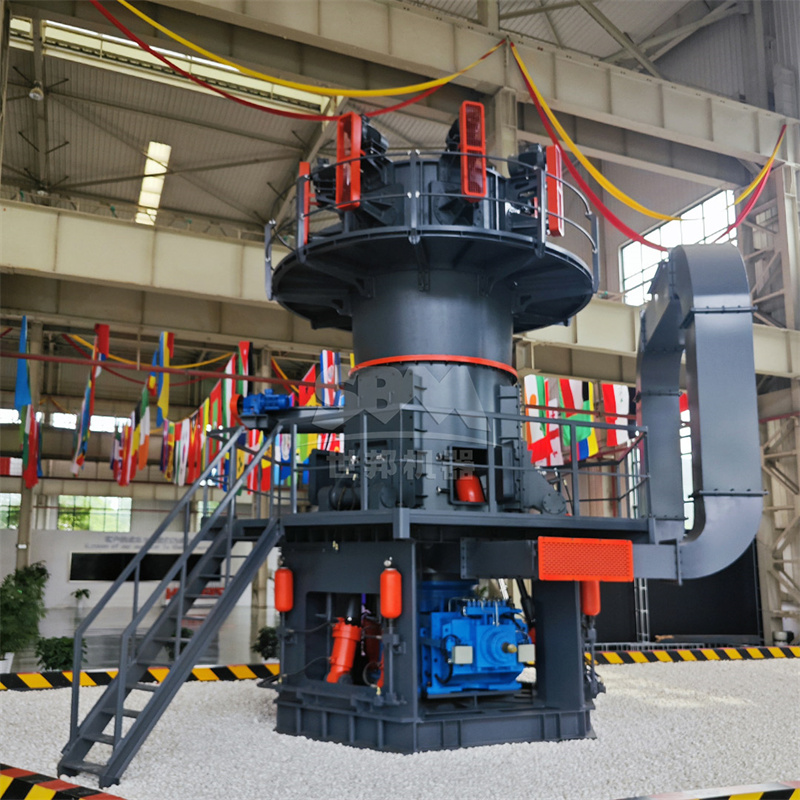
When magnesite powder plants expand to industrial-scale operations, vertical roller mills (VRMs) offer integrated system advantages that minimize floor space and energy consumption. The LM series vertical roller mill crushes, grinds, and classifies in a single unit, reducing the need for separate crushing and conveying equipment. For 30-mesh output, LM models with fineness ranges of 170-45μm can be adjusted to produce slightly coarser fractions, while the integrated classifier system maintains tight particle size control. The vertical design allows for outdoor installation, significantly reducing infrastructure investment. For plants processing 50-170 tons per hour, the LM220K and LM280K models provide exceptional value, with non-contact between rollers and table extending wear part lifetimes threefold. However, for most magnesite grinding operations focused on 30-mesh output, the roller-race clearance and table speed require careful calibration to achieve the target product specification. This equipment category is best suited to large-scale mining operations where concentrator output feeds directly into a grinding plant with minimal intermediate handling.
Technical Comparison for 30-Mesh Magnesite Grinding Application
| Parameter | MRN Pendulum Mill | MTW European Mill | LM Vertical Mill |
|---|---|---|---|
| Max Feed Size (mm) | 50 | 50 | 50 |
| Fineness Range (mesh) | 30-325 | 10-325 | 30-325 |
| Capacity (t/h) | 2.7-83 | 3-45 | 3-250 |
| Wear Resistance | Excellent (thin oil lubrication) | High (curved shovel design) | Superior (non-contact rollers) |
| Energy Efficiency (%) | Baseline | ~15% less consumption | ~30-40% less vs. ball mill |
| Maintenance Cost | Low | Reduced by 30% | Significantly lower |
The table above illustrates that while vertical mills offer outstanding energy savings, their primary design for fine powder (below 100 mesh) often requires special configuration for 30-mesh output. Pendulum and trapezium mills, conversely, naturally operate in the 30-300 mesh range with excellent efficiency. For plants where 30-mesh magnesite is the primary product, pendulum mills like the MRN series provide the best balance of simplicity, wear life, and capacity flexibility. When your operation must produce multiple product specs, tramp iron contamination must be strictly controlled, or moisture content varies, the MRN’s pendulum motion with thin oil system protects the gearbox even under load fluctuations.
Evaluating Plant Capacity and System Configuration Requirements
A successful magnesite grinding plant depends not solely on the main grinding equipment but also on the entire process system. For plants requiring 10-25 tons per hour of 30-mesh powder, a primary crusher with 20-40mm discharge (such as a jaw crusher or hammer mill) will feed the grinding mill. The SCM series ultrafine mill, although optimized for finer powders (325-2500 mesh), can be installed upstream or downstream for specific product blends, but its sub-20mm feed requirement might necessitate additional pre-crushing. However, the MRN pendulum mill accepts feed sizes up to 50mm, allowing direct connection to a standard secondary crusher. This versatility reduces the auxiliary equipment investment substantially.
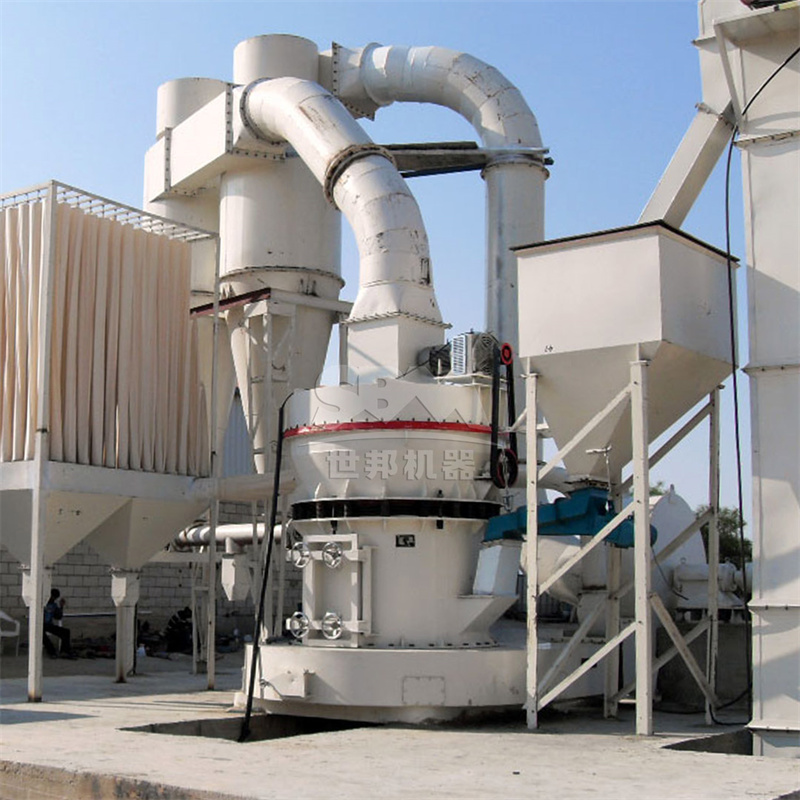
Furthermore, the classification and collection system must be matched to the mill’s output. Our SCM series, when used for high-purity magnesite requirements, includes a vertical turbine classifier that ensures no coarse powder mixing, providing uniform finished products essential for refractory applications. For 30-mesh production, the pulse dust collector efficiency should exceed international standards to prevent product loss and environmental non-compliance. The MRN and MTW series both incorporate advanced pulse dust collection systems with automatic operation, guaranteeing that ultrafine particles (<10μm) are captured and not released to the atmosphere. The cyclone collector placed upstream recovers the majority of product at high concentrations, reducing the dust collector’s load.
Decision-Making Framework: Matching Mill Type to Production Goals
When selecting equipment, consider several factors: initial capital cost, total operational expense (including energy and wear parts), product quality consistency, and flexibility for future market changes. For a plant producing 30-mesh magnesite at rates between 5 and 15 tons per hour, the MTW110Z (capacity 3-10 tons/hour) or MTW138Z (6-17 tons/hour) offers superior energy efficiency with 55-90kW main power, maintaining feed size tolerances up to 35mm. If your magnesite ore contains extra-hard impurities, the trapezium mill’s arc air duct and integral bevel gear drive maintain stable operation with minimal vibration. For smaller plants requiring 2.7-6.5 tons per hour and utilizing a four-roller configuration, the MB5X98 pendulum mill provides an economical solution with low power draw (82.5-92.5kW total). This model includes a scientific configuration of new classifier and isolated cyclone that reduces energy consumption significantly compared to older designs.
Alternatively, if your market focuses on high-volume, coarse magnesite powder for construction fillers or cement additives, the LM vertical mill might seem attractive due to its 30% lower energy consumption than ball mills. However, be prepared for a significant initial investment and more complex control systems. For most refractories applications where magnesite powder for checker bricks or ramming masses requires precise particle distribution at 30-mesh without excess fines, the roller mills (pendulum or trapezium) outperform vertical mills. These mills naturally avoid generating ultra-fines through their grinding mechanism – material is crushed between rollers and ring under compression, not attrition, producing more uniform particle shapes (spherical rather than elongated). This factor alone can significantly impact product quality and pricing in premium refractory markets.
Operational Best Practices and Preventative Maintenance Readiness
Irrespective of whether you select a pendulum, trapezium, or vertical mill, implementing robust operational protocols controls total ownership cost. First, optimize your feed moisture content to below 5% for magnesite; excessive moisture leads to material buildup and classifier blockage. Second, ensure that your main plant’s air volume and pressure are calibrated for the mill – our systems run at negative pressure to prevent dust leakage, with pulse-jet cleaning intervals adjusted based on differential pressure. Third, schedule weekly inspections of grinding rollers and ring wear surfaces; the MRN and MTW mills incorporate quick-access doors, reducing downtime. For wear-prone items, use high-manganese steel liners that extend life several times. Since magnesite is abrasive, recommend replacing shovel blades every 500 hours of operation and using filling materials with hardness exceeding HRC60.
Furthermore, implement vibration monitoring on the main motor and gearbox. Our SCM models with shaftless screw grinding chamber provide stable rotation, but the pendulum mill’s spring-loaded pressure system automatically compensates for roller wear, ensuring consistent output fineness. Execute periodic particle size analysis using sieve analysis according to ASTM standards to verify 95% passing through a 600-micron screen. Consistency in particle distribution not only satisfies client specifications but reduces downstream packhouse waste. Additionally, maintain a spare inventory of critical components like grinding rings and classifier blades; our factory warehouses worldwide can dispatch these parts with minimal lead time, optimizing plant availability.
Economic Benefits: Calculating Return on Investment from Advanced Technology
Investment in modern milling equipment yields measurable economic benefits that justify capital expenditure. For example, compared to obsolete ball mills forcing coarse grinding, an MTW trapezium mill reduces energy consumption by 30-40%, translating to savings of US $200,000 annually for a typical 15-ton/hour plant operating 6,000 hours per year (based on $0.13 per kWh). Additionally, improved classifier accuracy reduces product rejection rates and enables premium pricing. Consider the maintenance cost differential: advanced roller mills use anti-wear chromium alloys, extending service intervals from six months to over two years, cutting maintenance labor costs roughly 50%. Beyond that, environmental regulations on air emissions (less than 20mg/Nm³) impose fines if violated; all our mills integrate environmentally friendly pulse dust collectors with efficiency exceeding 99.99%, safeguarding compliance and reducing operator health risks.
Future expansion pathways must not be ignored. Choose a mill with a capacity cushion of at least 20% over current projected demand. For modular plant scale-up, MRN series mills are available in multiple configurations, and the MTW range maintains the same footprint per capacity class, easing installation of a parallel line when demand grows, instead of replacing heavy machinery.
Case Study Insights: Magnesite Production Line Achieves Superior 30-Mesh Quality
To illustrate the practical aspects, imagine a magnesite grinding plant in Liaoning province processing 8 tons per hour of calcined magnesite (powder density ~3 g/cm³). The plant switched from a conventional Raymond mill to our MRN158 pendulum mill with a classifier speed tuned for 30-mesh fineness. Feed sizing below 40mm allowed direct use of the primary crusher output without intermediate screening. The MRN158’s “Grinding with thin oil lubrication” eliminated the need for frequent manual grease maintenance and reduced main motor temperature by 15°C. After twelve months of operation, the plant reported a throughput increase of 12%, while energy per ton decreased 35%. Product acceptance improved because the powder exhibited better flowability and uniform particle size, meeting international standards for refractory-grade magnesite. The plant achieved a breakeven ROI in less than two years, even with continuous operation.
Conclusion: Strategic Decision for Long-Term Magnesite Grinding Success
The choice for 30-mesh magnesite powder production depends on scale, desired product characteristics, energy costs, and maintenance capabilities. For the majority of small-to-medium grinding plants emphasizing quality consistency, the pendulum mill (MRN type) with its proven robust design and flexibility presents the most dependable option. For larger plants seeking higher single-line capacity with enhanced transmission accuracy, the MTW trapezium mill is unsurpassed. Avoid the temptation to install vertical roller mills designed primarily for <50μm grinds unless you require versatile range across multiple meshes; their strengths emerge in fine grinding scenarios. Evaluate your product portfolio and forecast demands with your engineering team. Combine this with professional site planning from our technical staff, who will conduct bulk material testing at our laboratory to recommend the ideal machine configuration including feeder, crusher, classifier, and dust collection. Make the choice based on comprehensive technical data and long-term partnership for service.
We invite you to arrange consultation or pilot test sessions using magnesite samples you provide. Our equipment guarantees high efficiency, lower energy consumption, and reliable 24/7 operation. Partner with us to elevate your plant’s output quality and profitability.