
Introduction to 300 Mesh Dolomite Powder Production
Dolomite, a carbonate mineral composed of calcium magnesium carbonate (CaMg(CO₃)₂), is widely used in industries such as construction, ceramics, glass, agriculture, and environmental remediation. When ground to 300 mesh (approximately 48 micrometers), dolomite powder becomes a high-value additive for plastics, rubber, paints, and animal feed. Achieving consistent fineness, high throughput, and energy efficiency is critical for profitability in a dolomite grinding plant. Selecting the right equipment is the cornerstone of meeting production targets and quality standards while minimizing operational costs. This article provides a comprehensive guide to choosing the appropriate machinery for producing 300 mesh dolomite powder, highlighting technical parameters, economic considerations, and emerging technologies.
Understanding Dolomite Properties and Grinding Challenges
Dolomite has a Mohs hardness of 3.5 to 4, making it relatively soft compared to quartz but harder than limestone. Its abrasiveness is moderate, so equipment must resist wear. Raw dolomite typically enters the grinding circuit with a feed size of up to 50 mm. The target output of 300 mesh requires a mill capable of fine and ultra-fine classification. Moisture content, oil content, and the presence of impurities also influence grinding efficiency. To select the optimal machine, you must first analyze your feed characteristics, required throughput (tons per hour), and the specific surface area specifications for the end product. Additionally, energy prices, available space, and environmental regulations in your region will affect your choice.
Key Machine Types for 300 Mesh Dolomite Grinding
The market offers several mill types that can achieve 300 mesh (45 μm) fineness, each with distinct working principles, capacities, and operational footprints. The main categories are: ball mills, pendulum roller mills, vertical roller mills, and ultrafine vertical roller mills. For 300 mesh output, which lies on the boundary of medium-fine and fine grinding, both European trapezium mills and vertical mills are common. However, the specific model selection depends on the desired capacity, feed size, and energy efficiency.
Ball Mills: Traditional Reliability
Ball mills have been a staple in mineral processing for decades. They operate by rotating a horizontal cylinder partially filled with steel balls or rods. As the cylinder rotates, the mills lift the grinding media and material, crashing them together to reduce particle size. For 300 mesh dolomite, ball mills can achieve the required fineness, but they are often less energy-efficient than newer technologies. Energy consumption is 30-40% higher than that of vertical roller mills, and the specific power consumption (kWh per ton) is significant. Also, the grinding process generates more noise and heat. Unless your plant already relies on ball mills for other processes, they may not be the first choice for new 300 mesh capacity. They do offer high reliability and low initial investment per unit of capacity, especially for large plants producing over 50 t/h.
European Trapezium Mills: The Balanced Performer
For medium-capacity plants requiring output fineness between 30 and 325 mesh, the European Trapezium Mill (such as the MTW series) is a robust solution. Its internal design uses grinding rollers and a grinding ring, with an integrated classifier. The machine’s working principle involves material being shoveled by blades into the gap between the rollers and the ring, where it is crushed via extrusion. The hot air or process airflow lifts the fine particles to a dynamic classifier. The MTW mills have a compact design, an adjustable classifier speed to control fineness precisely, and lower energy consumption than ball mills.
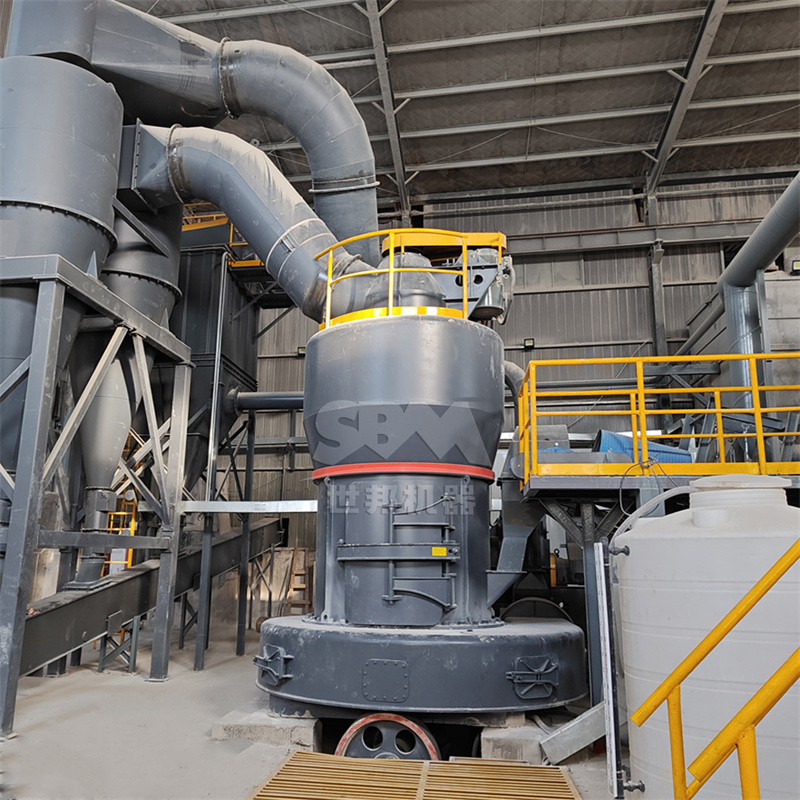
For a 300 mesh target, the MTW mill is highly efficient. The internal bevel gear drive ensures transmission efficiency up to 98%, saving energy. Additionally, the optimized arc air duct reduces airflow resistance, which lowers the power draw of the system fan. The reliability and ease of maintenance make it a preferred choice for independent grinding stations and mineral processors.
Vertical Roller Mills: For High Capacity and Energy Management
If your plant demands high throughput in the range of 20 to 250 tons per hour, a Vertical Roller Mill (VRM) such as the LM series is the industry standard. VRMs have an integrated classification system, a compact vertical layout, and a smaller footprint. The grinding mechanism involves a rotating horizontal table and a set of conical rollers that press the material into a bed. The compression force crushes the particles, and a drag classifier separates the fine dust. The core advantage is a 30-50% lower energy consumption than tumbling ball mills. In addition, the residence time is short, allowing for easier control of product temperature and moisture.
For dolomite grinding, the LM vertical roller mill can be adjusted with various parameters like table speed, roller pressure, and classifier speed to achieve a 300 mesh product with an acceptably narrow particle size distribution. However, because the mill is designed to use a moderate amount of air for classification, you have to tune the system carefully to avoid a coarse fraction in the product.
Ultrafine Mills: High Precision Classification
Moving to the ultra-fine end, the SCM Series Ultrafine Mill (producing 325-2500 mesh) and the LUM Ultrafine Vertical Roller Mill are powerful technologies. While they are designed for products finer than 300 mesh (often <40 μm), they can be easily calibrated to output a 300 mesh (49 μm) product with exceptionally steep particle distribution. The key is the high-precision classification using vertical turbine classifiers. These classifiers rotate at high speeds, creating a powerful centrifugal field that accurately cuts at the target size. The SCM mill utilizes a unique grinding mechanism with three layers of grinding rings, enhancing the grinding efficiency. It boasts a capacity that is twice that of jet mills with a 30% lower energy consumption, making it an eco-friendly choice. The pulse dust collection efficiency exceeds international standards, providing a clean and safe working environment. The SCM800 or SCM900 model is often a perfect fit for medium-sized plants where product consistency is paramount.
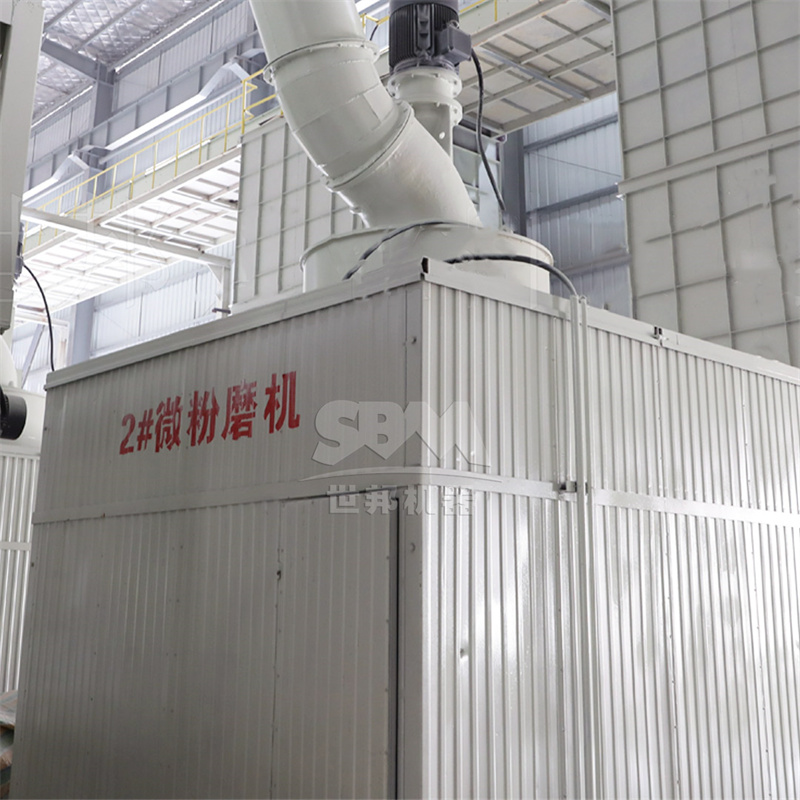
Product Recommendation: When looking for equipment to produce 300 mesh dolomite powder with high uniformity and low operational costs, our SCM900 Ultrafine Mill is an exceptional choice. It can process feed sizes up to 20 mm and achieve an output fineness of 325-2500 mesh, allowing you to dial in the exact 300 mesh (approximately 45 μm) fraction. With a capacity of 0.8 to 6.5 tons per hour and a main motor of just 90 kW, this model provides superior energy efficiency and precise classification, ensuring no coarse powders are returned to the product stream. For larger throughput requirements (e.g., over 10 t/h) where you might primarily focus on 300 mesh, we also offer the advanced LM170K Vertical Roller Mill. This system is engineered to combine high-capacity output with reliability and lower operating costs technology. With table diameter of 1700 mm, it handles feeds up to 42 mm and can be configured to output 300 mesh, with a capacity of 18-48 t/h, depending on grindability requirements. Both products are backed by sophisticated intelligent control modules to stabilize your production.
Detailed Analysis of SCM Series Ultrafine Mill for 300 Mesh Applications
The SCM Series is known for its adaptability. Its high-pressure grinding roller system increases breakage resistance, and the special materials used for the rollers and rings extend the service life by several times. The grinding chamber uses a shaftless screw design, ensuring stable operation under high loads. For achieving 300 mesh, the vertical turbine classifier operates at variable speeds, and the driven unit can be synchronized with the mill load. The power consumption varies, but the designed capacity ratio against traditional pulverizers indicates strong savings. The automatic machine control system continuously monitors the internal particle size and adjusts the classifier speed, guaranteeing a consistent quality output, which is crucial for downstream industries that demand stable bulk density and absorption values.
- Efficiency: More than 2 times the production of jet mills, with 30% less energy consumption.
- Precision: Vertical turbine classifier for a sharp cut at your set point.
- Durability: Wear-resistant materials for extended parts life.
- Sustainability: Integrity-based dust-free collection system.
If your plant already has a primary crusher and you are expanding into fine granulation, the SCM mill consumes a minimal footprint. The integrated cyclone collector and pulse dust collector work together to maximize product yield, minimizing powder loss.
Evaluating Operating Costs and ROI
Let us calculate the basic cost analysis for a 300 mesh dolomite powder plant. Suppose you wish to generate 10 tons per hour. With a feed size of <20 mm, a vertical roller mill (LM series) will use approximately 200-250 kW to drive the table. A ball mill with similar capability might need 400-500 kW for the same capacity, plus additional costs for ventilation and maintenance. For a 300 mesh requirement, energy consumption typically ranges between 30 and 50 kWh perton depending on the hardness of the dolomite. Highly efficient systems like the SCM or LM vertical mills can effectively reduce this by 15-20%. With global average industrial electricity prices around USD $0.10/kWh, these differences lead to substantial annual savings. Furthermore, using a dynamically adjusted classifier in these mills reduces the amount of oversize material re-circulating, lowering internal wear.
It is not only about machine price; you must account for the foundation, ancillary equipment (dust bag house, fans, belt conveyors), and installation simplicity. European trapezium and vertical mills often have a modular base frame. A sealed negative-pressure system minimizes dust that complicates maintenance. Also, the use of integrated systems drastically lowers steel consumption for mounting frames. When comparing quotes, always ask for the complete system drawing of the milling unit, including the electric cabinet and piping for the cyclone returns.
Factors in Selecting the Right Classifier and Control Systems
Choosing the right mill is only the start. The classifier directly determines whether the 300 mesh output meets in-specification. Traditional single-fan blowers offer poor cut points. Instead, select a mill that includes a versatile multi-rotor classifier (like that in the SCM). A professional control system should allow automatic feedback based on load and temperature sensors. The mill’s PLC should track the actual fineness based on classification motor speed, and this data should be used for the governor to stabilize the feed rate. Those characteristics help maintain 300 mesh with minimal variance. It also avoids over-grinding that creates excessive 800-mesh particles, which can increase demand for a higher binder content in some applications.
We often improve plant flow by adding an independent pre-crusher (like the hammer mill) before the fine milling stage if the feed size is above 40 mm. This ensures that your main SCM/MTW mill sees a consistent 15-20mm feed. Regardless of which final mill you select, be it an MTW138Z or an SCM1000, the uniformity of its feed material will greatly increase the overall output.
Environmental and Maintenance Considerations
Modern mineral grinding is held to strict local emission standards. Dust leakage that includes silica dioxide or magnesium compounds is harmful. Both the SCM Series and MTW mill come with a fully sealed negative-pressure system. The factory can equip the machine with a pulse-jet collector, reducing the emission level lower than 30 mg/Nm³, easier to step into ‘green factory’ accreditation. For indoor installations, the LM-type mills are okay to be positioned outdoors; their design protects the gearbox from condensation. Low noise levels are achieved with a self-enclosure option.
A maintenance schedule for a 300 mill operations is vital. Check rollers and liners on schedule. Advanced connection configurations using horizontal pull rods simplify the checks on bearings (as seen in the MTM and SCM designs). In the SCM, the special material roller extends its service life by several times. Grease injection is centralized, and bearing points have an automatic monitoring feature via thermal couples.
Conclusion: Making a Decision
To sum up, picking 300 mesh dolomite manufacturing machinery involves juggling multiple variables. High tonnage plants should lean toward a robust vertical roller mill technology like the LM series or highly efficient MTW. For finer quality and modularity, do not overlook the exceptional technical details in the SCM Ultrafine Mill. Also, request a test for your feedstock in their lab to find the energy output and capacity for your selected machine. Our broad product line ensures that your specific throughput targets can be matched. To guarantee perfect 300-mesh result, incorporate a reliable classifier and adjust for the moisture level.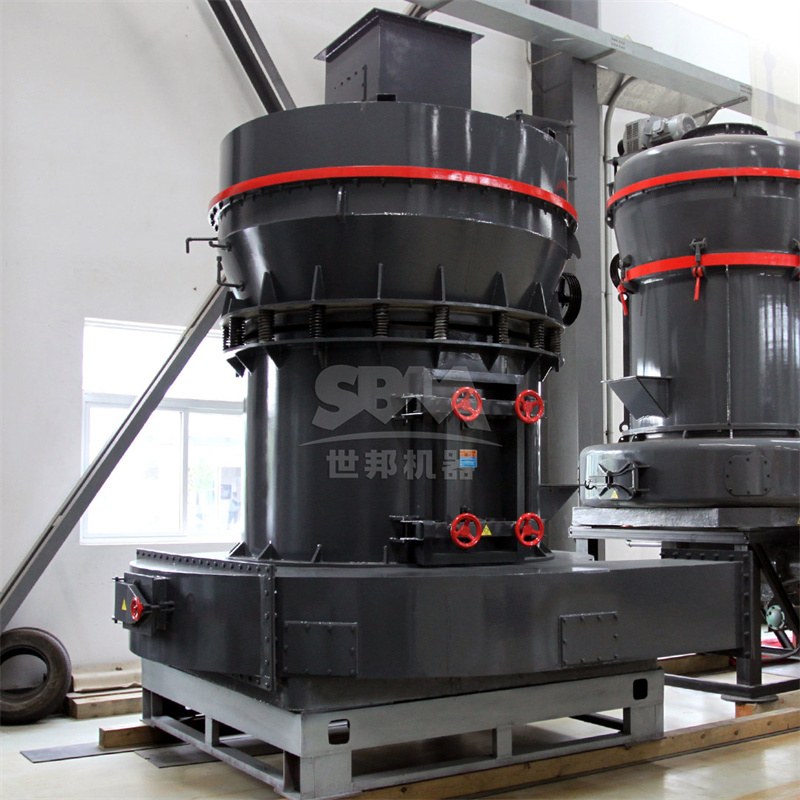
Consult with our engineer to fully simulate your required project, and choose a solution that is ecologically and fiscally sustainable.