
Understanding the 80-Mesh Coal Powder Production Requirement
In the coal processing industry, producing 80-mesh (approximately 180-micron) coal powder is a critical operation for many applications, including industrial boilers, blast furnace injection, and power generation. The selection of the right grinding equipment for this specific fineness requirement is paramount to the economic viability and operational efficiency of your plant. Choosing incorrectly can lead to excessive energy consumption, high maintenance costs, and inconsistent product quality. This guide will walk you through the key factors to evaluate when selecting 80-mesh coal powder production equipment, focusing on mill type, capacity, energy efficiency, and classification performance.
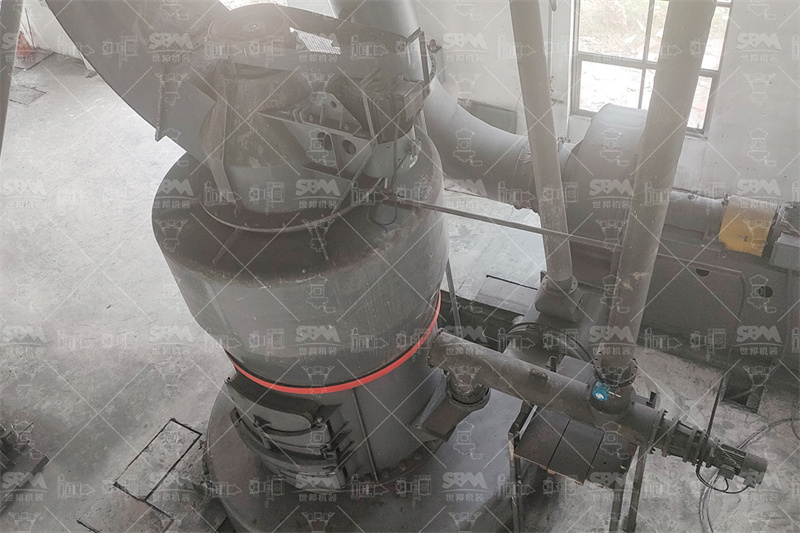
Key Criteria for Selecting the Appropriate Mill
1. Output Fineness and Classification Precision
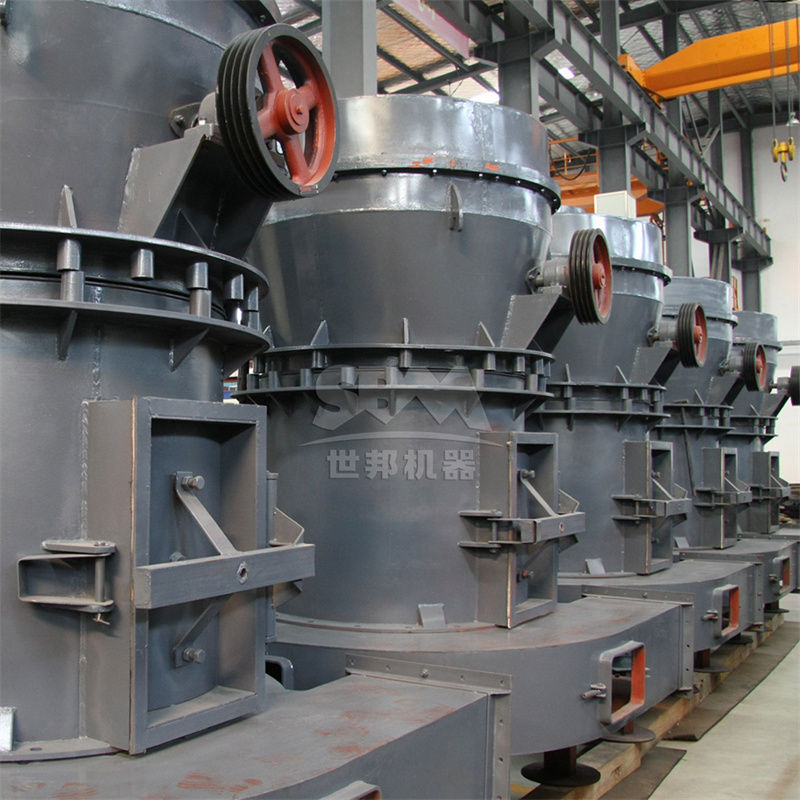
For 80-mesh coal powder (typically d80 passing 180 microns), the equipment must offer precise classification. A high-precision classifier ensures that the final product contains no oversized particles, which can cause incomplete combustion or blockages in downstream equipment. When evaluating mills, look for those featuring vertical turbine classifiers or dynamic multi-rotor classifiers. These systems allow for precise fineness adjustment and ensure a uniform product size distribution. For instance, our MTW Series European Trapezium Mill is engineered with an optimized arc air duct and high-efficiency classifier, making it ideal for producing 30-325 mesh coal powder with a tight particle size distribution, meeting the strict demands of 80-mesh coal applications.
2. Capacity and Throughput Requirements
The mill’s capacity must align with your plant’s production targets. Consider both the nominal tonnage per hour and the specific energy consumption. For a mid-sized industrial operation targeting 80-mesh coal powder, a mill with a capacity between 5 and 25 tons per hour is often suitable. However, for larger operations, you may require equipment with capacities exceeding 40 tons per hour. It’s critical to check the mill’s capacity curve against your specific coal characteristics (e.g., hardness, moisture) to ensure that the rated capacity is achievable in practice. Our SCM Series Ultrafine Mill, while capable of 325-2500 mesh, can also be adjusted for coarser outputs like 80-mesh at high throughput rates, offering a flexible solution if future fineness needs change.
3. Energy Consumption and Operational Costs
In coal processing, energy often represents over 50% of the total operating cost. Advanced grinding technologies significantly reduce energy consumption compared to traditional ball mills. For instance, vertical roller mills (VRMs) and high-efficiency trapezium mills utilize a grinding bed principle, which consumes 30-40% less energy than ball mill systems. Additionally, look for features like intelligent pressure regulation and automatic load control, which optimize the grinding process in real-time, preventing both under-loading and over-grinding. This not only saves electricity but also maximizes throughput per kilowatt-hour.
4. Wear Life and Maintenance Requirements
Coal, especially with impurities like silica or pyrite, is abrasive. The wear parts of the mill—such as grinding rollers, rings, and shovels—must be made of high-strength, wear-resistant materials. Components with special alloy compositions can extend service life by several times, directly reducing your component replacement costs and the associated downtime. Furthermore, consider the ease of maintenance. Designs like the anti-wear shovel and modular roller assemblies in the MTW Series significantly simplify replacement procedures and reduce maintenance time. Moreover, the plant’s design should offer safe and convenient access to parts for inspection and repair.
5. System Integration and Environmental Compliance
Modern coal grinding plants must be environmentally friendly. Look for equipment that can integrate seamlessly with negative pressure systems and pulse-jet dust collectors to ensure a dust-free environment. In coal applications, safety is critical, so the mill system must include features to manage air temperature and optionally, inert gas injection systems for safe shutdowns. A completely sealed plant ensures that emissions meet stringent regulatory standards. Furthermore, integrated systems that combine drying (if moisture is high) and grinding in a single unit can reduce the plant footprint, lowering infrastructure investment costs significantly.
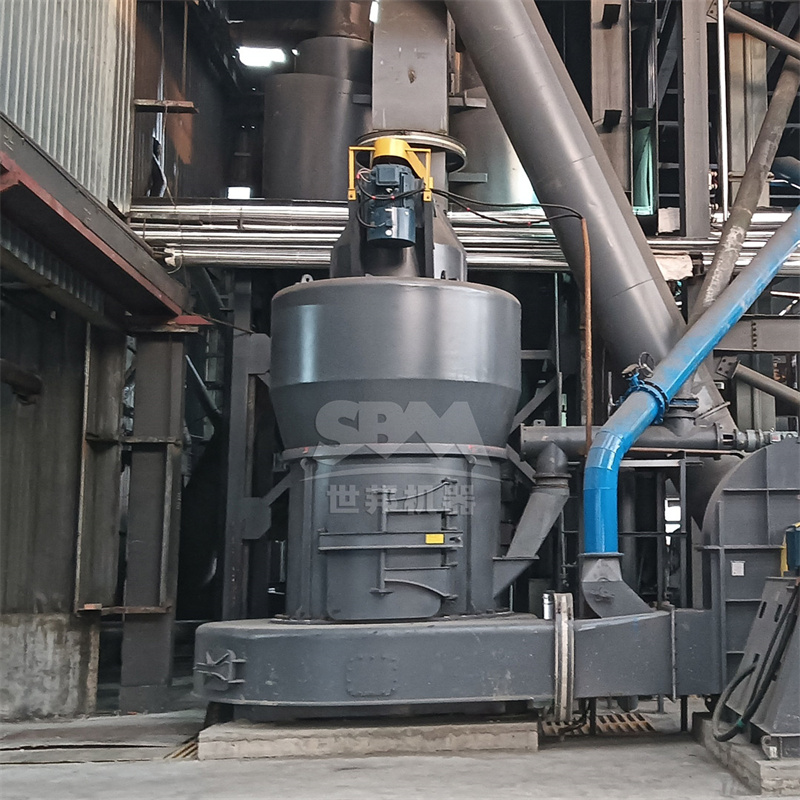
Recommended Equipment Solutions from Our Company
To meet the specific requirement of 80-mesh coal powder, we offer two highly efficient solutions tailored to different production scales.
Option A: MTW Series European Trapezium Mill (For Large-Scale Requirements)
This is our premium solution for high-capacity coal grinding plants. With a capacity range of 3-45 tons/h for the entire series, the MTW mill excels in large-volume operations. Its unique features include an integral bevel gear drive with 98% transmission efficiency, an anti-wear shovel design that reduces maintenance costs, and a wear-resistant volute structure that increases classification efficiency. For 80-mesh (30-325 mesh range) coal powder, this mill provides reliable, high-throughput output with excellent energy efficiency.
- Models & Capacities: MTW138Z (6-17 t/h), MTW175G (9.5-25 t/h), MTW215G (15-45 t/h).
- Technical Edge: Optimized air duct reduces energy loss; curved design extends roller life.
- Best For: Large power plants, steel mill blast furnace injection, and large industrial boilers.
Option B: SCM Series Ultrafine Mill (For Flexible Fineness & Mid-Range Capacity)
While known for ultrafine grinding, the SCM Series is incredibly versatile and can be effectively used for 80-mesh coal powder with significant production capacity. If you are looking for a machine that offers high precision classification (ensuring no coarse particles in the 80-mesh product) and higher capacity than traditional mills, the SCM is an excellent choice. It boasts a capacity that is twice that of jet mills with 30% lower energy consumption. The vertical turbine classifier ensures precise particle size cutting, making it ideal for applications where consistent 80-mesh powder is critical.
- Models & Capacities: SCM1000 (1.0-8.5 t/h), SCM1250 (2.5-14 t/h), SCM1680 (5.0-25 t/h).
- Technical Edge: Pulse dust collection efficiency exceeds international standards; quiet operation with soundproof room options.
- Best For: Mid-sized chemical plants, coal water slurry preparation, and regions requiring strict fineness consistency.
When selecting the right equipment, always consult with our engineers to match the specific model to your coal type and site conditions. We can provide complete system integration including feeding, conveying, magnetic separation, and dust collection to ensure a turn-key solution.