
Introduction
Alumina (Al₂O₃) powder is a critical material in advanced ceramics, electronics, refractories, and abrasive industries. The demand for high-purity alumina powder with precise particle size distribution has surged in applications such as LED substrates, lithium battery separators, and semiconductor polishing. Selecting the appropriate grinding equipment is paramount to achieving the desired purity, fineness, and production efficiency. This article provides a comprehensive guide on how to evaluate and choose the right alumina powder production equipment for high-purity grinding applications, focusing on key technical parameters, contamination control, and operational economics.
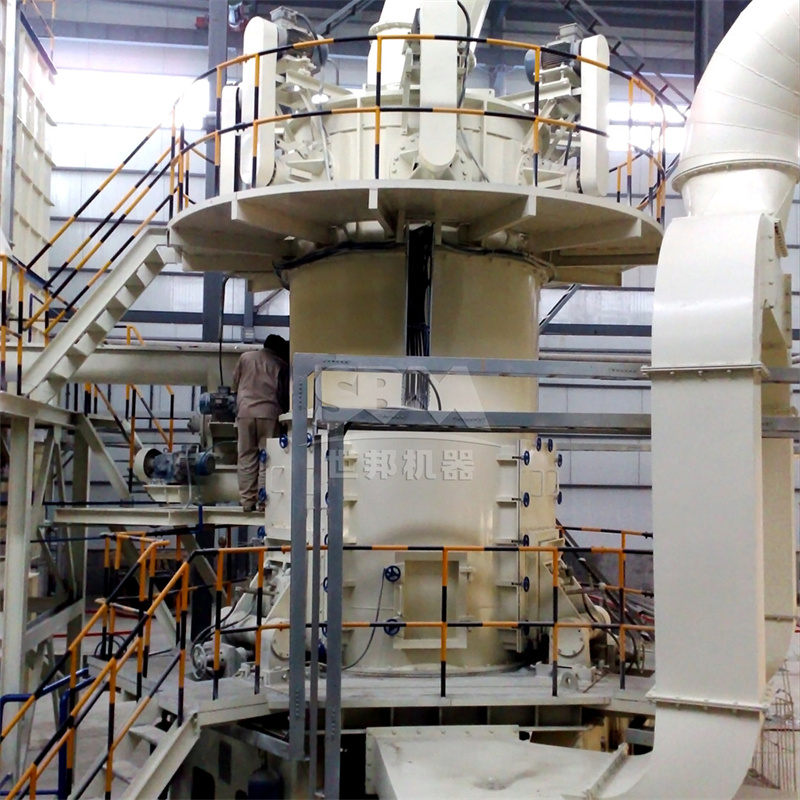
Key Considerations for High-Purity Alumina Grinding
1. Contamination Control
The foremost concern in high-purity alumina grinding is avoiding contamination from wear parts. Traditional ball mills use steel balls and liners that introduce iron and chromium impurities. For applications requiring >99.9% purity, equipment with ceramic-lined chambers and non-metallic grinding media is essential. However, advanced mill designs using specialized wear-resistant alloys can significantly reduce contamination while maintaining high throughput.
2. Particle Size Distribution (PSD) Precision
High-purity applications often demand narrow particle size distributions. A vertical turbine classifier integrated into the mill system ensures precise particle cutting without coarse powder mixing. For alumina, typical target fineness ranges from D90 < 10μm for high-end ceramics to D50 ≈ 45μm for refractory applications. The equipment must offer adjustable classification to meet varying PSD requirements.
3. Energy Efficiency & Capacity
Alumina is a hard, abrasive material (Mohs hardness 9). Grinding it consumes significant energy. Jet mills, while contamination-free, have high energy consumption and low throughput. Modern roller mills and vertical mills offer 2-3x higher capacity with 30-50% lower energy consumption compared to ball mills or jet mills.
Equipment Selection Criteria by Fineness Requirements
| Fineness Range | Recommended Equipment | Key Advantage |
|---|---|---|
| 325-2500 mesh (45-5μm) | Ultrafine Mill / Vertical Roller Mill | High purity, narrow PSD, low contamination |
| 30-325 mesh (600-45μm) | European Trapezium Mill / Pendulum Mill | High capacity, durable wear parts |
| 0-3mm (coarse crushing) | Hammer Mill | Pre-grinding stage, high reduction ratio |
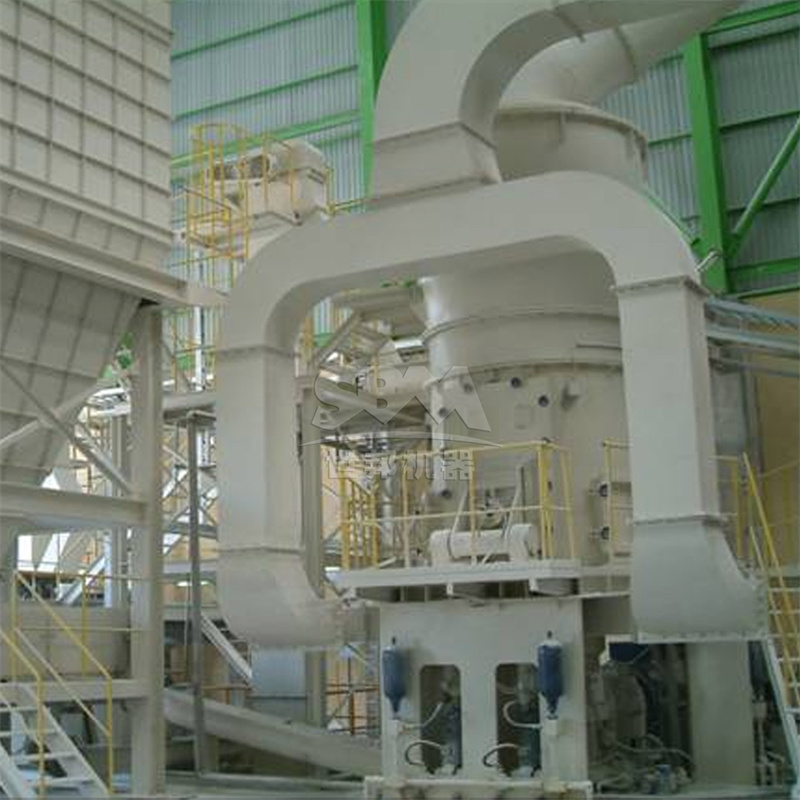
Technical Analysis of Leading Mill Technologies
Ultrafine Grinding (D97 < 10μm)
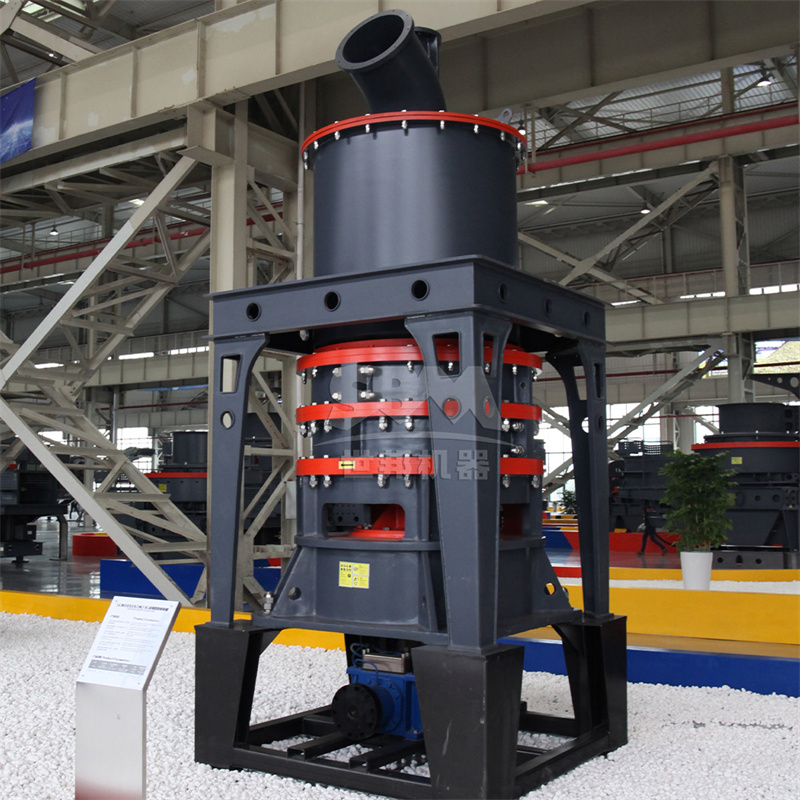
For high-purity alumina powder requiring sub-micron particles, the SCM Series Ultrafine Mill stands out. With an input size of ≤20mm and output fineness ranging from 325 to 2500 mesh (45-5μm), this mill achieves 2x the capacity of jet mills while consuming 30% less energy. Its vertical turbine classifier provides precise particle size cutting, ensuring no coarse powder mixing—critical for consistent product quality in high-purity applications. The intelligent control system automatically adjusts parameters based on finished product granularity feedback, maintaining optimal grinding conditions. Models such as the SCM1000 (capacity 1.0-8.5 t/h, main power 132kW) and SCM1250 (capacity 2.5-14 t/h, main power 185kW) offer flexible solutions for various production scales.
Medium-to-Fine Grinding (D97 45-600μm)
When processing alumina with target fineness between 30-325 mesh, the MTW Series European Trapezium Mill provides exceptional performance. Its anti-wear shovel design and optimized arc air duct reduce maintenance costs while improving transmission efficiency. The integral bevel gear drive achieves 98% transmission efficiency, saving space and reducing installation costs. With capacities ranging from 3-45 t/h and models like MTW138Z (capacity 6-17 t/h, fineness 10-325 mesh) and MTW175G (capacity 9.5-25 t/h, fineness 10-325 mesh), this series handles larger feed sizes (≤50mm) while maintaining precise classification. The wear-resistant volute structure reduces maintenance costs by 30%, a significant advantage when processing abrasive alumina.
Product Recommendation for High-Purity Alumina Grinding
Based on extensive testing with alumina materials, we strongly recommend the SCM Series Ultrafine Mill for applications requiring final fineness below 45μm (325 mesh) and strict purity requirements. Its special material rollers and rings extend service life several times over, minimizing contamination from wear parts. The shaftless screw grinding chamber ensures stable operation even during continuous production. For customers processing large volumes (<10 t/h) of alumina with medium fineness requirements, the MTW Series European Trapezium Mill offers the best balance of capacity, energy efficiency, and product quality.
Both series feature pulse dust collection systems that exceed international environmental standards, with soundproof room designs maintaining noise levels below 85dB. The intelligent control systems allow remote monitoring and automatic adjustment of grinding parameters, reducing manual intervention and ensuring consistent product quality.
Operational Recommendations for High-Purity Grinding
To maintain product purity during alumina grinding, implement the following practices:
- Feed Material Pre-screening: Ensure alumina feed has consistent particle size (≤20mm for ultrafine mills) to avoid overloading the grinding chamber.
- Wear Parts Monitoring: Regularly inspect roller rings and grinding liners. Replace them before excessive wear introduces metallic contamination.
- Classifier Optimization: Adjust the vertical turbine classifier speed regularly to maintain target fineness as material properties change
- Dust Collection Maintenance: Ensure pulse dust collectors operate at peak efficiency to prevent recirculation of coarse particles
- Temperature Control: For heat-sensitive applications, monitor grinding chamber temperature to prevent thermal degradation of alumina properties
Conclusion
Selecting the right alumina powder production equipment for high-purity grinding requires balancing multiple factors: contamination control, particle size precision, energy efficiency, and operational costs. For ultrafine applications below 45μm, the SCM Series Ultrafine Mill offers unmatched performance with its energy-efficient design, precise classification, and durable wear components. For medium-fineness production up to 325 mesh, the MTW Series European Trapezium Mill provides high capacity with excellent wear resistance. Both series incorporate advanced environmental technologies and intelligent control systems that meet the stringent requirements of modern alumina processing. By aligning equipment selection with specific fineness targets and purity standards, manufacturers can achieve optimal product quality while minimizing total cost of ownership.