
Introduction
Alumina (Al₂O₃), known for its exceptional hardness, high melting point, and chemical inertness, is a critical material in industries ranging from ceramics and refractories to abrasives and electronics. Efficiently processing alumina—from large chunks to fine powders—requires specialized grinding equipment that can handle its abrasive nature while delivering consistent particle sizes. Choosing the wrong mill can lead to high operational costs, excessive wear, and poor product quality. This guide provides a comprehensive framework for selecting the right alumina processing equipment, focusing on key factors like material characteristics, required fineness, production capacity, and energy efficiency.
Understanding Alumina’s Grinding Challenges
Before delving into equipment selection, it is essential to acknowledge the inherent challenges of grinding alumina. With a Mohs hardness of 9, alumina is highly abrasive, causing significant wear on grinding media and mill internals. Additionally, its brittle nature can lead to over-grinding and the generation of unwanted fines if the equipment is not properly configured. Therefore, a successful alumina grinding solution must prioritize wear resistance, precise classification, and energy-efficient operation.
Key Factors in Selecting Alumina Grinding Equipment
1. Feed Size
The initial size of your alumina feedstock dictates the type of crusher or mill required. If feed particles are larger than 20-50mm, a primary crusher (like a jaw or hammer crusher) is necessary before fine grinding. Our company’s Hammer Mill (PC Series) is an excellent solution for reducing feed sizes of up to 40mm to a uniform 0-3mm, preparing the material for subsequent fine grinding stages.
2. Target Fineness
The desired final particle size is the most critical selection parameter. Alumina grinding typically spans several ranges:
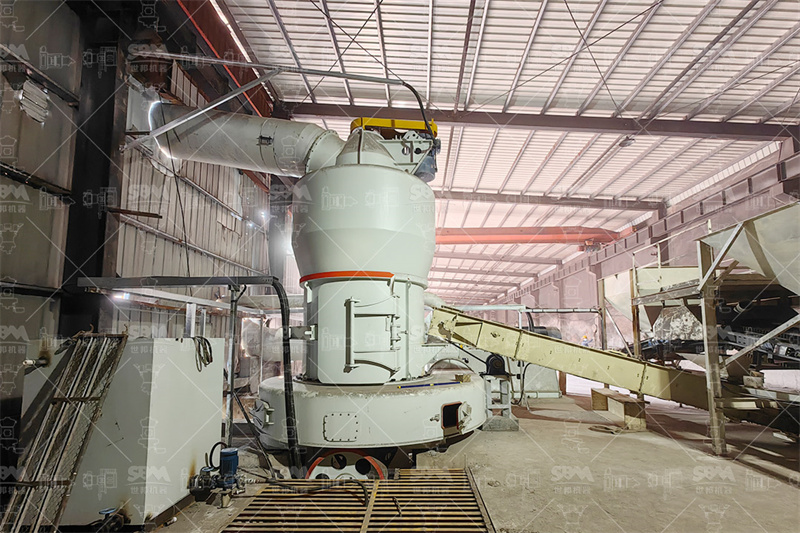
- Coarse (45-600μm / 30-325 mesh): For applications like refractory aggregates and abrasive blasting. Our MTW Series European Trapezium Mill excels in this range (30-325 mesh), offering robust construction with anti-wear shovel designs and a high-efficiency integral bevel gear drive (98% transmission efficiency) to handle alumina’s abrasiveness.
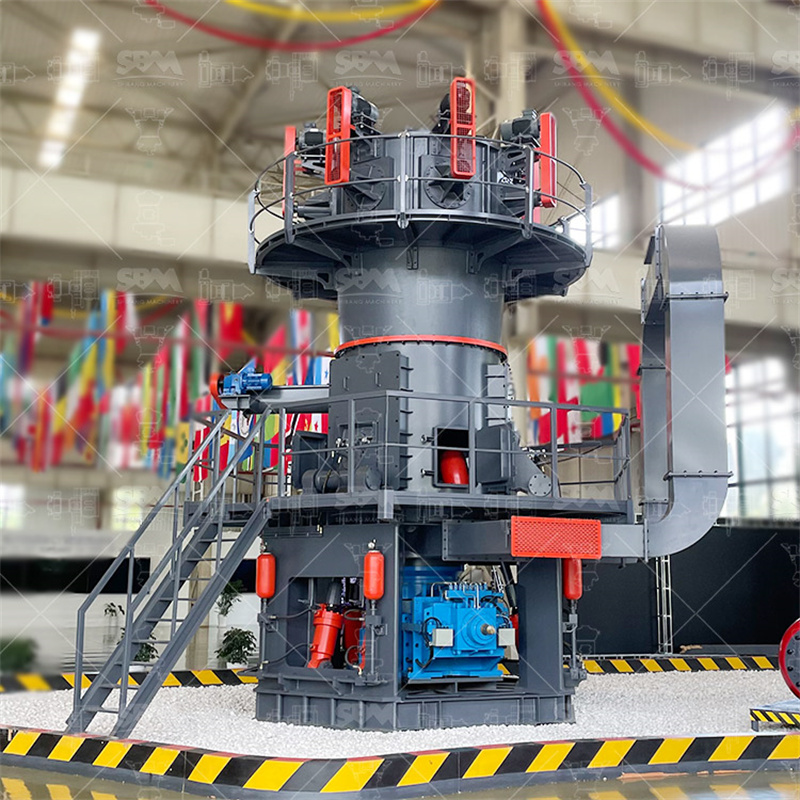
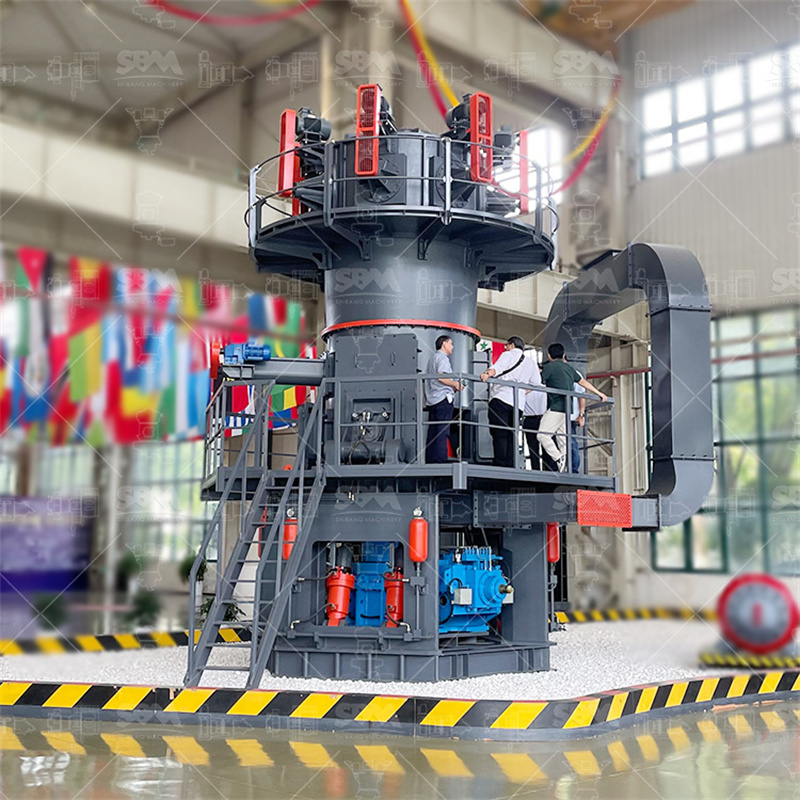
- Fine (325-2500 mesh / 45-5μm): Demanded for high-purity ceramics, catalyst supports, and polishing powders. This requires ultra-fine grinding technology. Our SCM Series Ultrafine Mill and LUM Ultrafine Vertical Roller Mill are specifically designed for this range, delivering output fineness from 325 up to 2500 mesh.
3. Production Capacity (Throughput)
Matching the equipment to your required tonnage is vital for economic viability. For small-to-medium scale ultrafine production (0.5-25 t/h), the SCM Series is ideal, with models like the SCM1680 capable of processing up to 25 t/h. For larger capacity requirements in the coarse-to-medium fineness range (3-45 t/h), the MTW Series or LM Series Vertical Roller Mill (3-250 t/h) offer scalable solutions. For massive operations, the LM Series vertical mills can handle up to 250 t/h, integrating crushing, grinding, and classification.
4. Energy Efficiency & Operating Costs
Grinding is energy-intensive. Choosing efficient equipment reduces long-term costs. Our LM Series Vertical Roller Mill boasts energy consumption 30-40% lower than traditional ball mill systems due to its bed-of-material grinding principle. Similarly, the SCM Series Ultrafine Mill provides twice the capacity of jet mills with 30% lower energy consumption, thanks to its intelligent control and efficient grinding mechanism.
5. Wear Resistance & Durability
Given alumina’s hardness, the wear life of grinding parts is a primary concern. Equipment should feature high-chrome or special alloy rollers and liners. For instance, the SCM Series uses specially formulated roller and ring materials for extended service life. The MTW Series utilizes combined shovel blades and a curved design for the grinding roller to reduce maintenance.
6. Classification Precision
To achieve a uniform product without oversized particles, a high-performance classifier is non-negotiable. The SCM Series employs a vertical turbine classifier for precise particle size cutting, ensuring no coarse powder mixing. The LUM Ultrafine Vertical Mill features multi-rotor technology for the same purpose, guaranteeing a consistent and high-quality finished product.
7. Environmental & Operational Considerations
Modern factories must minimize dust and noise. Look for equipment with robust pulse dust collection systems and soundproofing. All our mills—from the SCM and MTW to the LM and LUM—are designed for negative pressure operation, ensuring a clean, eco-friendly workplace. The SCM Series also includes a soundproof room design.
8. Intelligent Control & Automation
Advanced control systems reduce manual labor and optimize performance. Our LUM Ultrafine Vertical Roller Mill features PLC automation for stable running. The LM Series includes an expert-level auto-control system, supporting real-time monitoring and remote operation to minimize intervention.
Recommended Equipment for Alumina Processing
Based on the critical factors above, we highly recommend two of our flagship products for alumina applications:
- For Ultra-Fine Alumina (325-2500 mesh): The SCM Series Ultrafine Mill. With its superior capacity (2x jet mill), lower energy consumption (-30%), durable specialty material rollers, and high-precision vertical turbine classifier, it is the benchmark for producing high-value, fine alumina powders. Its intelligent control system automatically adjusts to maintain product quality.
- For Coarse-to-Medium Alumina (30-325 mesh): The MTW Series European Trapezium Mill. Built to last, it features an anti-wear shovel design and an optimized arc air duct. Its integral bevel gear drive ensures high efficiency, and the wide range of models (MTW110 to MTW215G) allows for precise capacity matching from 3 to 45 t/h.
Conclusion
Selecting the right alumina processing equipment is a strategic decision that impacts product quality, operational efficiency, and profitability. By carefully evaluating your feed size, target fineness, capacity needs, and budget for energy and maintenance, you can narrow down the options. Our company is committed to providing tailored solutions, from the heavy-duty LM Series Vertical Roller Mill for large-scale operations to the precision-focused SCM Series Ultrafine Mill. We encourage you to leverage our technical expertise to analyze your specific material characteristics and production goals, ensuring you choose a mill that delivers optimal performance and a strong return on investment. Contact our engineering team to discuss your alumina grinding project and receive a free, customized equipment recommendation.