
Introduction
In the plastic manufacturing industry, the choice of filler materials and their processing equipment is critical to product quality, cost efficiency, and production throughput. Attapulgite, a naturally occurring magnesium-aluminum phyllosilicate clay, has gained significant attention as a reinforcing filler in plastic products due to its unique needle-like structure, high aspect ratio, and excellent thermal stability. When properly processed, attapulgite fillers can enhance mechanical strength, dimensional stability, and barrier properties of plastics such as polypropylene (PP), polyethylene (PE), and nylon.
However, the key to unlocking these benefits lies in selecting the right processing equipment. The grinding and classification equipment must achieve precise particle size distribution while maintaining the fibrous structure of attapulgite. This article provides a comprehensive guide to choosing the appropriate attapulgite filler processing equipment, focusing on key technical parameters, processing principles, and equipment capabilities.
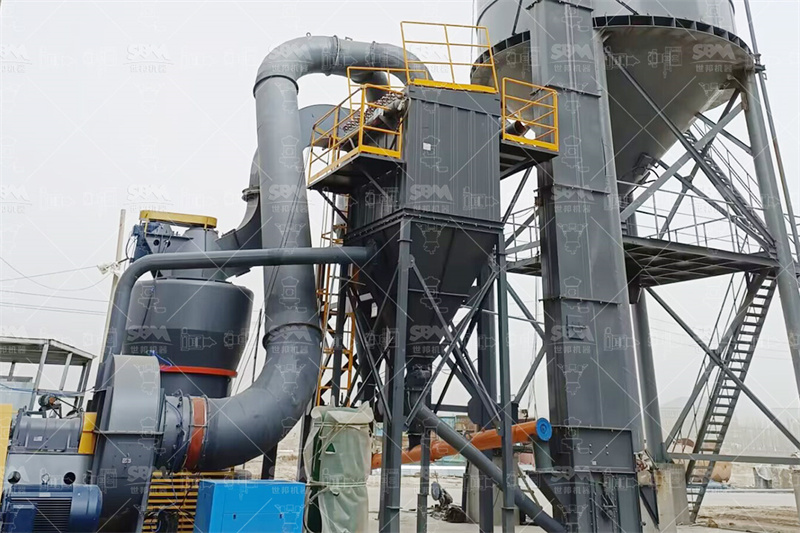
Understanding Attapulgite Filler Requirements for Plastics
Before selecting equipment, it is essential to understand the specific requirements of attapulgite fillers in plastic applications:
- Particle Size Distribution: For most plastic filler applications, attapulgite needs to be ground to a fineness of 325-2500 mesh (approximately 45-5 micrometers). Ultra-fine particles below 10 micrometers are particularly desirable for improving surface smoothness and dispersion in polymer matrices.
- Fibrous Structure Preservation: Unlike many other minerals, attapulgite’s value in plastics comes from its needle-like crystal structure. Over-grinding or excessive impact can damage this structure, reducing reinforcing effects.
- Low Moisture Content: Dry processing is essential as moisture can cause defects during plastic processing, such as bubble formation or hydrolysis of certain polymers.
- Uniformity: Consistent particle size distribution without coarse particle contamination ensures stable plastic product quality.
Critical Factors in Equipment Selection
1. Feed Material Characteristics
Attapulgite ore typically contains moisture and may have varying hardness. The input size of raw attapulgite can range from relatively fine aggregates to chunks up to 50mm. Equipment must handle this variability while maintaining consistent output. For attapulgite with feed sizes up to 20mm, ultrafine grinding mills are suitable. For larger feed sizes, pre-crushing with equipment like hammer mills may be necessary before fine grinding.
2. Required Output Fineness and Capacity
The target fineness directly determines the type of grinding equipment. For plastic filler applications requiring ultra-fine powders (325-2500 mesh), specialized ultrafine mills with high-precision classification systems are essential. Production capacity requirements also vary significantly—from laboratory-scale production of 0.5 ton/h to industrial-scale lines exceeding 25 ton/h.
3. Energy Efficiency and Operating Costs
Grinding operations typically represent a significant portion of production costs. Equipment with lower energy consumption per ton of finished product provides long-term economic benefits. For example, advanced ultrafine mills can achieve double the capacity of traditional jet mills while consuming 30% less energy, significantly reducing operational costs.
4. Classification Precision
Plastic filler applications demand strict particle size control. Equipment featuring vertical turbine classifiers or multi-stage classification systems can achieve precise particle size cutting, ensuring no coarse powder contaminates the final product. This is particularly critical for applications in thin-film or fiber-grade plastics.
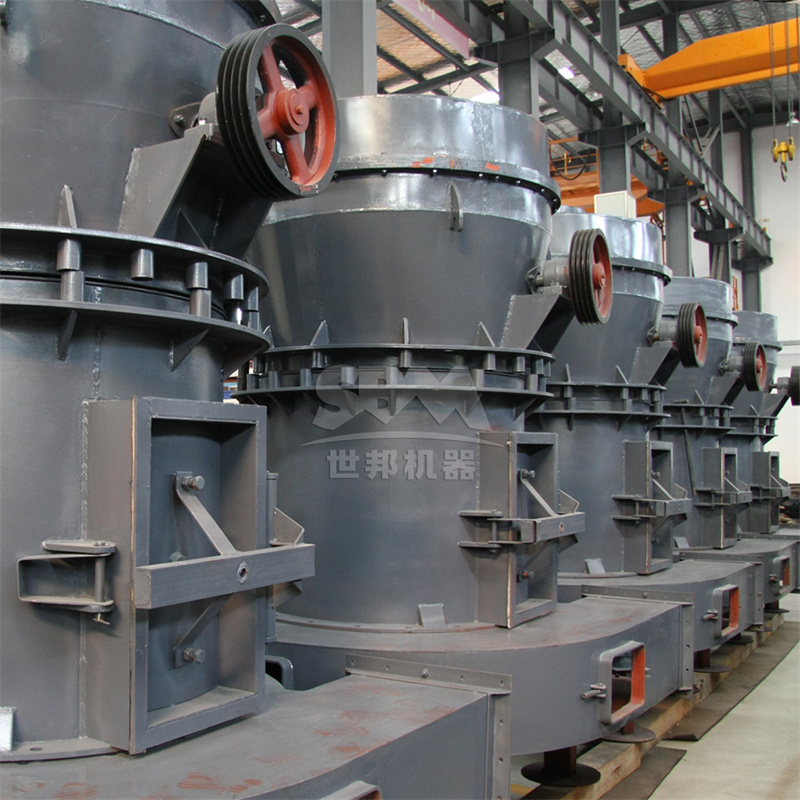
Types of Processing Equipment for Attapulgite Fillers
Ultrafine Grinding Mills for Premium Fillers
For plastic applications requiring the highest quality attapulgite fillers with ultra-fine particle sizes (45-5 micrometers), ultrafine mills are the preferred choice. These mills operate on a multi-layer grinding ring principle where materials are dispersed by centrifugal force and crushed between rollers and rings. The SCM Series Ultrafine Mill, for example, is specifically designed for this application range. With an input size of ≤20mm and output fineness from 325 to 2500 mesh, it offers capacities ranging from 0.5 to 25 ton/h depending on the model. Its vertical turbine classifier ensures precise particle size cutting without coarse powder mixing, making it ideal for demanding plastic filler applications. The intelligent control system automatically adjusts to maintain consistent product quality, while the special material rollers and rings extend service life significantly compared to conventional mills. We strongly recommend the SCM1250 model for medium-scale production (2.5-14 t/h) and the SCM1680 model for large-scale operations (5.0-25 t/h), both offering exceptional performance for attapulgite filler production.
European Trapezium Mills for Standard Fillers
For applications where ultra-fine powder is not required but consistent quality at moderate fineness (30-325 mesh) is needed, European trapezium mills offer excellent value. The MTW Series European Trapezium Mill accepts larger feed sizes (up to 50mm) and delivers high capacity from 3 to 45 ton/h. Its patented anti-wear shovel design and integral bevel gear drive (98% transmission efficiency) reduce maintenance frequency and operating costs. The optimized arc air duct minimizes energy loss while ensuring efficient material flow. This series is particularly suitable for plastic products that benefit from attapulgite fillers in the 45-600 micrometer range, such as certain injection-molded components or extrusion products.
Vertical Roller Mills for Large-Scale Production
When processing attapulgite at very high capacities (up to 250 ton/h), vertical roller mills provide the most efficient solution. The LM Series Vertical Roller Mill integrates crushing, grinding, and classification into a single system, reducing floor space by 50% and infrastructure costs by 40%. The non-contact design between rollers and table extends wear part life by up to three times compared to traditional mills. Energy consumption is 30-40% lower than ball mill systems, making this an ideal choice for large mineral processing plants supplying the plastics industry. The intelligent control system supports remote monitoring and real-time parameter adjustment, ensuring stable product quality even during continuous operation.
Working Principle and Process Considerations
Understanding the working principle of each equipment type helps in making the right selection. In ultrafine mills like the SCM series, the main motor drives three layers of grinding rings to rotate. Materials enter the grinding chamber and are dispersed into the grinding path by centrifugal force, where they are crushed by roller pressure layer by layer. The ground powder is then collected by a cyclone collector and pulse dust removal system. This process is particularly gentle on the fibrous structure of attapulgite, preserving its needle-like morphology essential for reinforcement.
For trapezium mills, the main motor drives grinding rollers to revolve around a central axis while self-rotating to generate centrifugal force. Shovels throw materials between the ring and rollers to form a material layer, achieving efficient crushing through extrusion. The classification system precisely controls the finished product size, ensuring consistent quality for plastic applications.
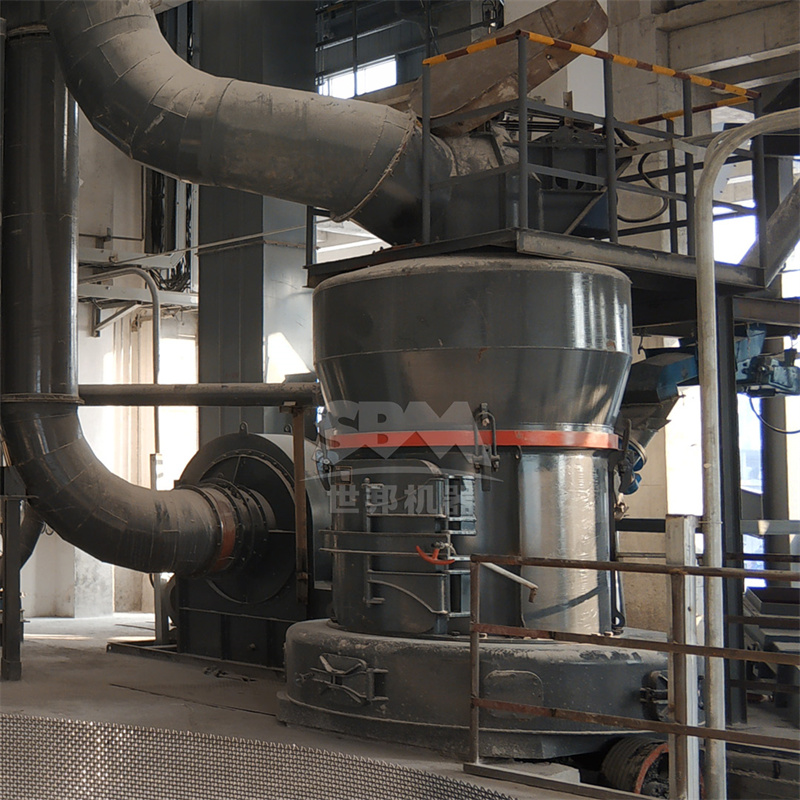
Environmental and Operational Considerations
Modern plastic manufacturing facilities increasingly prioritize environmental compliance and worker safety. When selecting attapulgite processing equipment, consider the following:
- Dust Collection: Pulse dust collection systems with efficiency exceeding international standards are essential for meeting emission regulations and recovering valuable product.
- Noise Levels: Soundproof room design and vibration-damping features help maintain noise levels within acceptable limits, improving working conditions.
- Automation: PLC-based intelligent control systems reduce manual intervention and ensure consistent product quality while allowing remote monitoring and operation.
- Maintenance: Equipment with wear-resistant components and easy-access maintenance points reduces downtime and total cost of ownership.
Conclusion
Choosing the right attapulgite filler processing equipment for plastic products requires careful consideration of feed material characteristics, target fineness, production capacity, energy efficiency, and classification precision. For ultra-fine filler applications demanding 325-2500 mesh fineness, ultrafine mills like the SCM Series offer the best combination of efficiency, precision, and product quality. For larger-scale operations or coarser filler requirements, European trapezium mills or vertical roller mills provide cost-effective solutions. The specific model selection should be based on your production requirements, with models like the SCM1250 (2.5-14 t/h) and SCM1680 (5.0-25 t/h) representing excellent choices for medium and large-scale attapulgite filler production, respectively.
We recommend consulting with equipment manufacturers to conduct material testing and determine the optimal processing parameters for your specific attapulgite ore and target plastic application. Proper equipment selection will ensure consistent product quality, operational efficiency, and long-term profitability in the competitive plastic filler market.