
Introduction to Calcined Petroleum Coke in Aluminum Electrolysis
Calcined petroleum coke (CPC) is a critical carbon material used in the aluminum smelting industry, primarily serving as the aggregate for prebaked carbon anodes. During the Hall-Héroult electrolysis process, these anodes conduct electricity and participate in the chemical reduction of alumina into metallic aluminum. The quality of the CPC and, crucially, the particle size distribution achieved during its processing directly influence anode performance, current efficiency, and overall energy consumption. For aluminum smelters, selecting the appropriate grinding and milling equipment is therefore not merely a logistical decision but a core strategic investment that affects operational costs and environmental compliance.
The physical properties of CPC vary significantly depending on the crude oil source and the coking process. Typically, CPC has high carbon content and low volatility, but its hardness and abrasive nature pose significant challenges to processing equipment. Grinding CPC to the precise fineness required for anode paste is a demanding task. The target particle size usually ranges from coarse granules (1-3 mm) to fine powders (<0.075 mm). Achieving this distribution efficiently while minimizing fines generation and energy consumption requires specialized machinery designed for high-wear applications.
Critical Factors in CPC Processing Equipment Selection
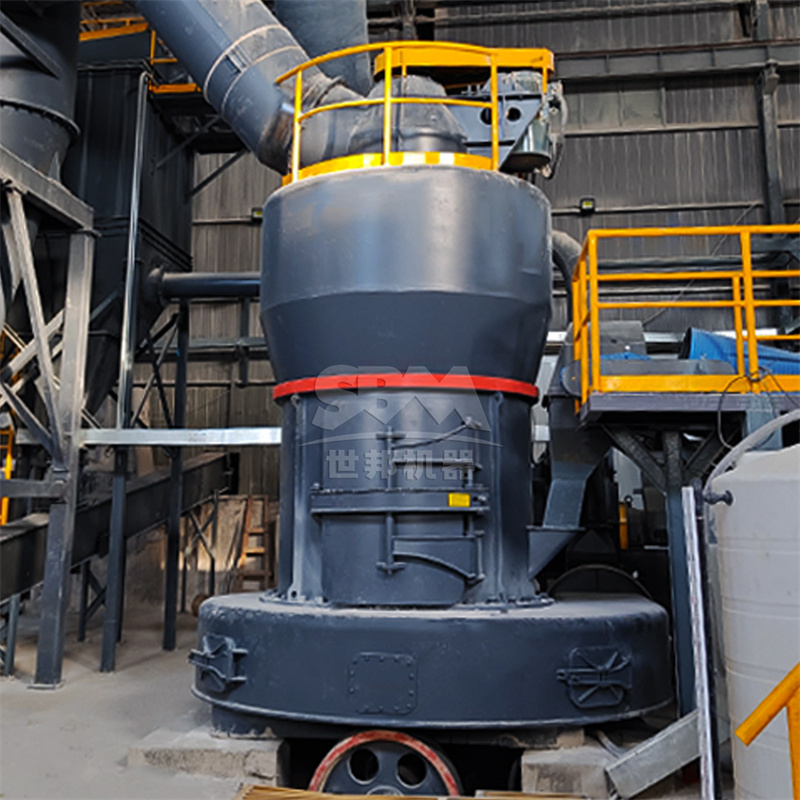
When evaluating milling solutions for CPC, plant operators must consider several technical parameters. The first and foremost is the target fineness and particle size distribution. For anode production, a tight control over the fine fraction (typically -200 mesh and -325 mesh) is needed to ensure the anode paste has the right rheological properties for forming and baking. A machine that can produce a uniform particle size with minimal over-grinding is essential. The second factor is equipment wear resistance. CPC has a high abrasion index, which can rapidly wear down standard steel components. The grinding elements, such as rollers, rings, and liners, must be manufactured from high-hardness alloys or composite materials to ensure a reasonable service life and reduce downtime for maintenance. Thirdly, energy efficiency is a major cost driver. Grinding is an energy-intensive process, and selecting a mill with high grinding efficiency can lead to significant savings in power consumption, aligning with both financial and environmental objectives.
Furthermore, the system design must include a robust classification system. Closed-circuit grinding with a high-efficiency dynamic classifier allows for real-time adjustment of product fineness without stopping the mill. This is particularly important for CPC, as variations in feed material hardness can cause fluctuations in output size. An integrated system that combines grinding, drying (if required), and classification in a single unit can greatly simplify the plant layout and reduce the carbon footprint of the operation. Dust collection is also a non-negotiable aspect due to the fine carbon dust generated, which is both a safety hazard and a loss of product. Therefore, equipment with integrated, high-efficiency pulse-jet dust collectors is often preferred to meet stringent environmental regulations.
The Role of Ultrafine Grinding in Premium Anode Production
While coarse crushing is necessary for aggregate preparation, the production of premium anodes increasingly demands a significant proportion of ultrafine coke powder. This fine fraction acts as a binder phase during anode baking, filling voids between coarse particles and improving the final anode density and electrical conductivity. To achieve fineness levels of 325-2500 mesh (5-45 microns), traditional ball mills or pendulum mills are often inefficient and energy-prohibitive. This is where advanced ultrafine grinding technologies, such as the SCM Series Ultrafine Mill, play a pivotal role. These mills employ a multi-stage grinding principle, utilizing multiple layers of grinding rings and rollers to generate intense shear and compressive forces, effectively reducing the material down to micrometer scale.
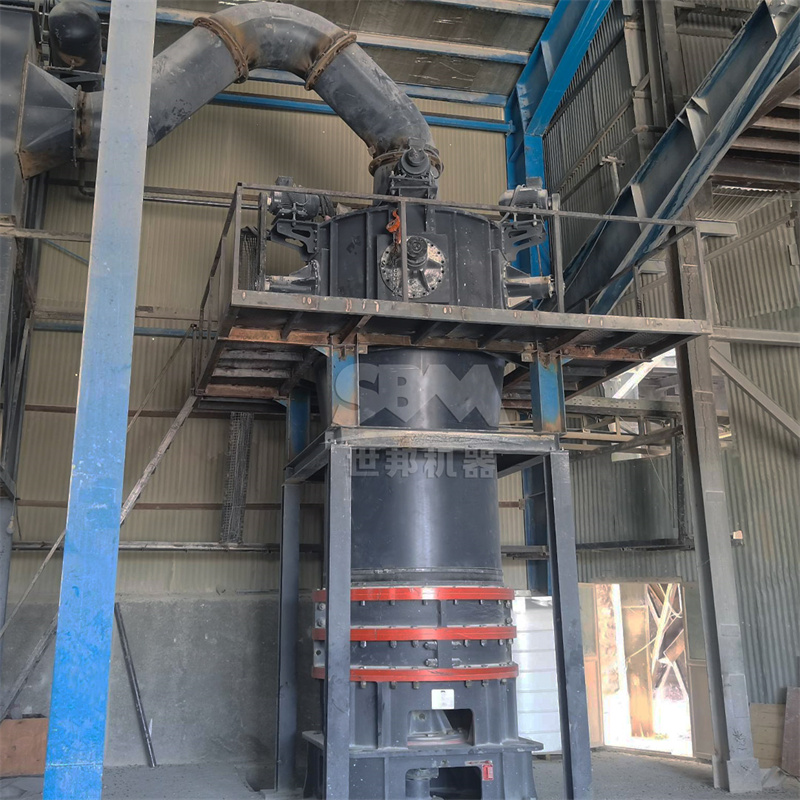
The SCM Series Ultrafine Mill (45-5μm) is a prime example of technology tailored for such demanding tasks. With an input size of up to 20mm, it can directly process the undersize from a primary crusher. The output fineness ranging from 325 to 2500 mesh ensures that anode manufacturers can precisely tune the powder characteristics to meet the most rigorous specifications. One of the standout features of the SCM mill is its high-efficiency vertical turbine classifier, which guarantees a precise particle size cut without the risk of coarse powder contamination. For an aluminum plant looking to maximize the value of their CPC by producing high-quality anode paste, the SCM series offers capacity ranges from 0.5 to 25 tons per hour, making it scalable for various production levels.
Moreover, the durability of the SCM mill is specifically engineered for abrasive materials like CPC. The use of special material for rollers and grinding rings extends their service life several times over compared to conventional mills. This directly translates to lower maintenance costs and higher availability. The integrated intelligent control system provides automatic feedback on product granularity, allowing operators to maintain consistent quality even when the feed characteristics vary. This level of control is vital for the continuous, high-volume demands of a modern aluminum smelter.
Integrating Grinding Lines: From Crushing to Final Powder
Selecting the correct primary and secondary grinding units is essential for a fully optimized CPC processing plant. Often, a two-stage process is implemented. The first stage, often using a vertical roller mill (VRM) like the LM Series Vertical Roller Mill (600-45μm), is utilized for bulk grinding and capacity needs. The LM Series integrates crushing, drying, grinding, and classification, which reduces the floor space requirement by up to 50%. With capacities reaching 250 tons per hour, it serves as the workhorse for producing the main coke fractions. Its non-contact design between rollers and the table helps in reducing vibration and extending wear part life by 3 times compared to traditional Raymond mills.
However, to produce the high-value ultrafine fraction (<30 microns) required for premium anode binders, the VRM usually comes out of its efficient range. In this scenario, the SCM Ultrafine Mill is the perfect downstream complement to the LM mill. The coarse powder or the reject from the LM mill classifier can be diverted to the SCM mill for further size reduction to 5-45 microns. This combination maximizes resource utilization and ensures a hermetic particle size distribution across the entire range needed for the anode recipe. For example, a plant might use an LM mill to generate -200 mesh bulk powder while simultaneously using an SCM mill to generate -800 mesh and finer fractions, allowing the anode formulation to achieve maximum density.
Technical Assessment and Evaluation of Grinding Mills
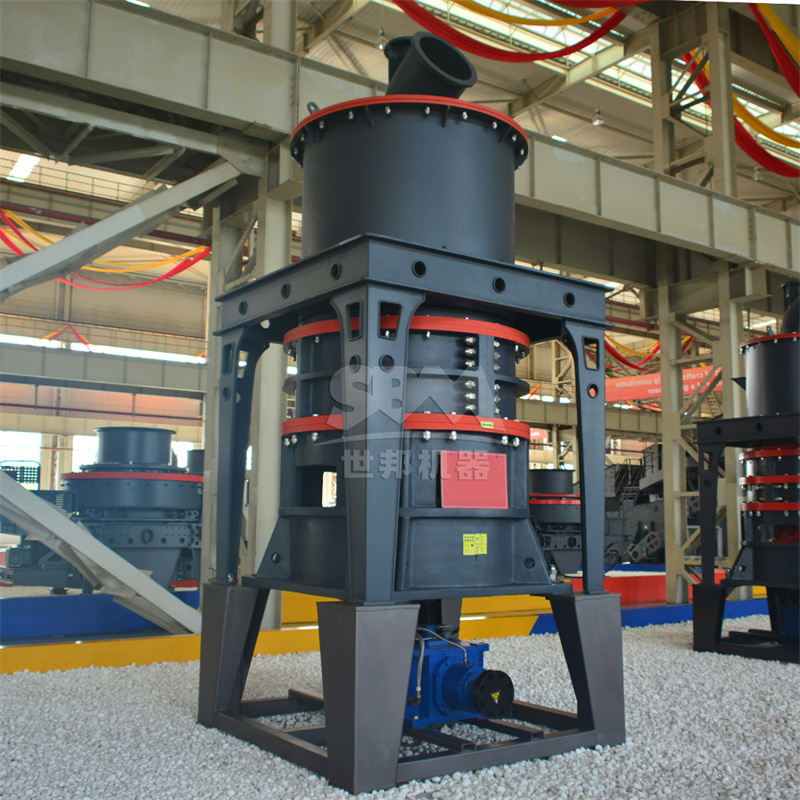
The choice between pendulum mills, ball mills, and vertical mills ultimately depends on the scale of operation and the desired final product. For medium to large-scale aluminum producers who require high throughput with controlled top-size, the MTW Series European Trapezium Mill (600-45μm) offers a robust solution. It features an integral bevel gear drive with up to 98% transmission efficiency, ensuring lower energy loss. The anti-wear shovel design and optimized arc air duct protect the equipment from erosion, which is common with hard CPC feed. With capacity ranging from 3 to 45 tons per hour, it fits well into chemical-grade CPC processing.
Nevertheless, for smelters focused on high quality to craft higher-added-value anodes, the investment in an ultrafine mill is non-negotiable. The specific model chosen will depend on the requirement:
- High Capacity (5-25 t/h ultrafine): Choose the SCM1680 variant.
- Standard Capacity (0.5-4.5 t/h ultrafine): The SCM800 is ideal for pilot plants or smaller operations.
We highly recommend our SCM1000 Ultrafine Mill for medium-scale alumina-adjacent industries. It offers a balance of power (132kW) and capacity (1.0-8.5 t/h) while achieving a fineness of up to 2500 mesh. The vertical turbine classifier ensures that particle size cutoff is sharp, which is essential for producing paste with consistent baking behavior. Furthermore, the pulse dust collection system exceeds international standards, ensuring that the plant meets strict airborne particulate limits, protecting both personnel and the local environment.
Conclusion: Making the Strategic Choice
In summary, the right CPC processing equipment for aluminum electrolysis is not a one-size-fits-all solution. It requires a thorough analysis of the feed size, desired output fineness, capacity requirements, and operating costs. The hardness of CPC demands equipment with superior wear resistance and robust construction. The economic viability of the aluminum smelting operation hinges on the efficiency of the grinding circuit, as energy costs constitute a significant portion of the production overhead.
We recommend a system-level approach: For the bulk fraction, utilize a durable and high-capacity mill such as the LM Series or MTW Series to handle the heavy lifting. For the critical ultrafine component that enhances anode quality, the SCM Series Ultrafine Mill is the optimum choice. Its high efficiency (2x capacity of jet mills with 30% lower energy consumption), high-precision classification, and eco-friendly design make it a superior investment for forward-thinking aluminum producers. By leveraging our patented technologies, smelters can ensure a reliable supply of high-grade anode paste, thereby reducing the carbon footprint per ton of aluminum produced and increasing overall profitability. Please contact our engineering team for a detailed analysis of your specific calcined petroleum coke characteristics.