
Understanding the Unique Challenges of Ceramic Waste Processing
The ceramic industry generates substantial amounts of waste during manufacturing, including broken tiles, sanitary ware rejects, and kiln furniture. As environmental regulations tighten and the demand for sustainable practices grows, recycling this waste into valuable powder has become both an economic opportunity and an operational necessity. Ceramic waste powder can be reused in tile bodies, glazes, cement additives, and even in advanced construction materials. However, processing ceramic waste presents unique challenges: the material is extremely abrasive, has high hardness (Mohs hardness of 6-7), and often contains contaminants that affect finished product quality. Choosing the right production equipment is therefore critical to ensuring efficient operation, consistent output quality, and long-term profitability.
This article provides a comprehensive guide to selecting the optimal ceramic waste powder production equipment for your plant, covering key technical considerations, process requirements, and equipment types. We will also highlight how our advanced milling solutions address the specific demands of ceramic waste recycling.
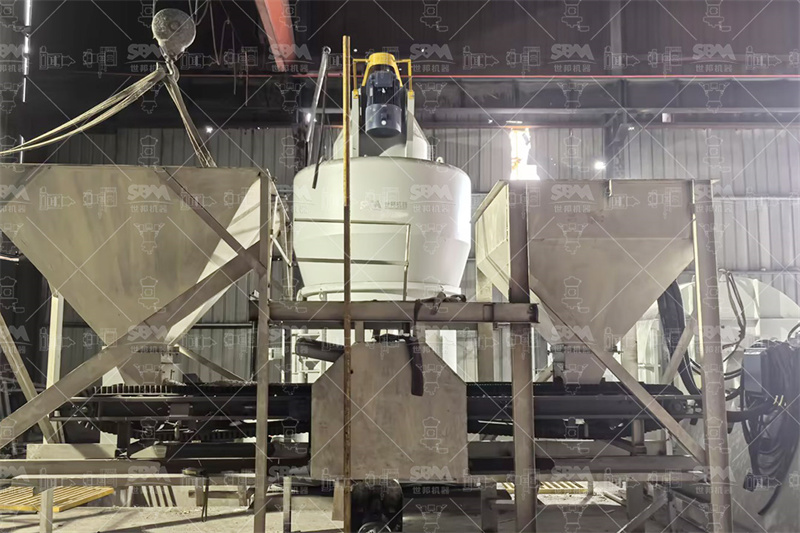
Key Factors to Consider Before Equipment Selection
1. Feed Material Characteristics
Before evaluating any milling equipment, you must conduct a thorough analysis of your raw ceramic waste. Critical parameters include feed size distribution, moisture content, and contamination levels. Ceramic waste typically arrives in irregular shapes, ranging from fine dust to large broken pieces. If your plant generates waste with particle sizes exceeding 20-50mm, primary crushing will be necessary before the main grinding stage. Moisture content above 5% can cause material build-up in grinding chambers and classifiers, so drying may be required. Additionally, the presence of metallic impurities (from kiln furniture or handling equipment) necessitates magnetic separation equipment upstream of the mill to protect grinding elements from damage.
2. Required Output Fineness and Capacity
The end-use application of your ceramic powder determined the required fineness. For example, powder intended as a cement additive typically needs 80-120 micron (120-180 mesh) fineness, while applications in ceramic tile body formulations often require much finer powder of 45-75 micron (200-325 mesh). Some high-value applications, such as refractory materials or specialty glazes, may demand ultrafine powder in the 5-45 micron range (325-2500 mesh). Your production targets, measured in tons per hour (TPH), will further narrow down your equipment choices. These two parameters – fineness and capacity – are the primary determinants of mill type and model selection.
3. Energy Efficiency and Operating Costs
Comminution is an energy-intensive process. For ceramic waste, which is inherently hard and abrasive, energy consumption can represent a significant portion of total processing costs. Look for equipment that offers energy savings through advanced grinding principles, such as layer grinding or bed grinding, rather than impact-only comminution. Additionally, consider wear part replacement frequency and cost. Ceramic materials accelerate wear on grinding rollers, rings, and classifier blades, so selecting equipment with high-chrome or special alloy wear parts is essential for minimizing downtime and maintenance costs.
4. Environmental and Safety Compliance
Modern industrial plants must adhere to strict environmental standards. Dust collection systems are mandatory to prevent airborne particulate emissions. The milling equipment you choose should integrate seamlessly with pulse-jet bag filters or cartridge collectors capable of achieving outlet dust concentrations below 20 mg/Nm³. Noise levels should also be considered, especially if the plant operates in proximity to residential areas. Soundproof enclosures and vibration-damping designs are valuable features. Finally, ensure that the equipment’s operational concept supports negative pressure operation to eliminate any potential dust leakage into the work environment.
Comparing Milling Technologies for Ceramic Waste Applications
Several milling technologies are available, each with distinct advantages and limitations when processing ceramic waste. Understanding these nuances is crucial for making an informed decision.
Ball Mills
Ball mills are a traditional choice, offering high reliability and the ability to handle large capacities (up to 450 t/h). They operate by rotating a horizontally mounted cylinder filled with steel or alumina grinding media. For ceramic waste, the key advantages are robustness and ease of operation. However, ball mills have notably higher energy consumption and produce significantly more noise and heat. Their grinding efficiency for fine powders below 100 mesh is limited, and they occupy large floor space. For these reasons, ball mills are increasingly being replaced by more efficient vertical roller mills or trapezium mills in modern ceramic recycling plants, though they remain viable for coarse grinding (0.074-0.8mm) in specific scenarios.
MTW Series European Trapezium Mill
The MTW series represents a significant advancement over traditional Raymond mills. Its design incorporates several features beneficial for ceramic waste processing:
Key Advantages:
- Anti-wear shovel design: Combined shovel blades and curved grinding rollers significantly extend service life when processing abrasive materials like ceramics, reducing maintenance frequency.
- Optimized arc air duct: Reduces airflow resistance and energy loss, improving overall transmission efficiency by up to 15%.
- Integral bevel gear drive: Achieves transmission efficiency up to 98%, reducing energy waste and simplifying installation.
- Wear-resistant volute structure: The non-resistance flow design enhances classification efficiency and lowers maintenance costs by 30%.
The MTW mill handles feed sizes up to 50mm, eliminating the need for secondary crushing in many cases. With output fineness ranging from 30 to 325 mesh and capacities up to 45 t/h (MTW215G model), this equipment is well-suited for medium-to-large ceramic waste recycling facilities. For plants requiring both moderate fineness and high throughput, the MTW series offers an excellent balance of performance and economy.
Our Recommendation: For plants processing ceramic waste with feed sizes up to 40mm and targeting production rates of 10-30 t/h at 80-200 mesh fineness, we highly recommend our MTW175G European Trapezium Mill. This model balances power efficiency (160kW main motor) with robust capacity (9.5-25 t/h), and its anti-wear features are specifically engineered to handle highly abrasive materials. The integral drive system and optimized air duct minimize operating costs, making the MTW175G a profitable investment for mid-sized recycling operations.
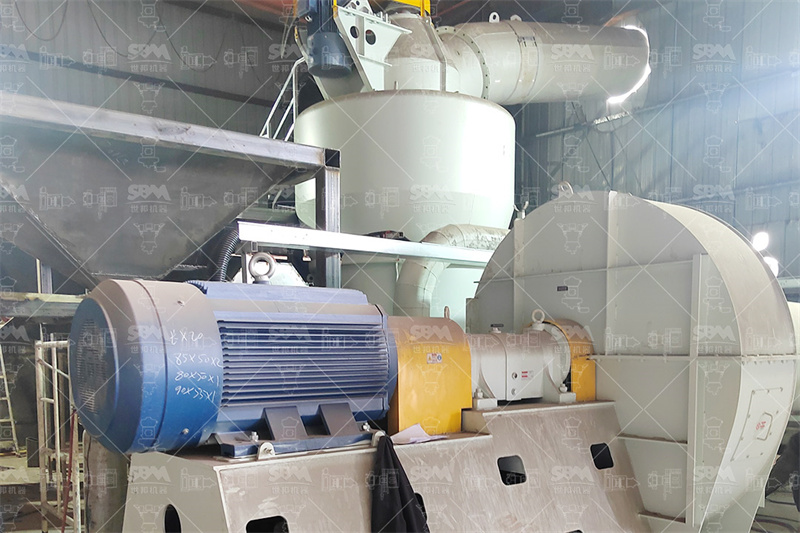
SCM Series Ultrafine Mill
When your application demands ultra-fine ceramic powder in the range of 325-2500 mesh (45-5 μm), the SCM series ultrafine mill is the industry-leading solution. This equipment is designed to achieve fineness levels difficult to reach with other mill types, while maintaining reasonable energy consumption.
Technical Superiority:
- High-Precision Classification: The vertical turbine classifier provides precise particle size cutting (fineness adjustable from 325 to 2500 mesh) without coarse powder mixing, ensuring uniform finished products critical for high-end ceramic glaze applications.
- High Efficiency: The SCM mill’s capacity is up to twice that of jet mills for the same fineness range, with 30% lower energy consumption thanks to its layered grinding principle and intelligent control system that automatically adjusts settings based on real-time fineness feedback.
- Durable Construction: Grinding rollers and rings are manufactured with special wear-resistant materials, extending service life several times longer than conventional mills. The shaftless screw grinding chamber ensures stable operation even under demanding conditions.
The SCM series achieves this with a maximum feed size of 20mm, meaning primary crushing is typically required before feeding. Available models range from SCM800 (capacity 0.5-4.5 t/h, 75kW) to SCM1680 (capacity 5.0-25 t/h, 315kW), offering flexibility for various plant scales. For ceramic waste valorization into premium micro-powders, the SCM mill is unmatched in efficiency and product quality.
Our Recommendation: If your ceramic waste powder production targets fine and ultrafine applications (below 45 microns), we recommend the SCM1000 Ultrafine Mill. This mid-sized model delivers 1.0-8.5 t/h capacity under 132kW main power, achieving fineness from 325 to 2500 mesh. Its advanced classifier guarantees precise particle size distribution essential for producing superior ceramic materials. Additionally, the SCM1000 includes a pulse dust collection system exceeding international environmental standards and a soundproof room design ensuring noise levels below 85dB, providing a safe and compliant working environment.
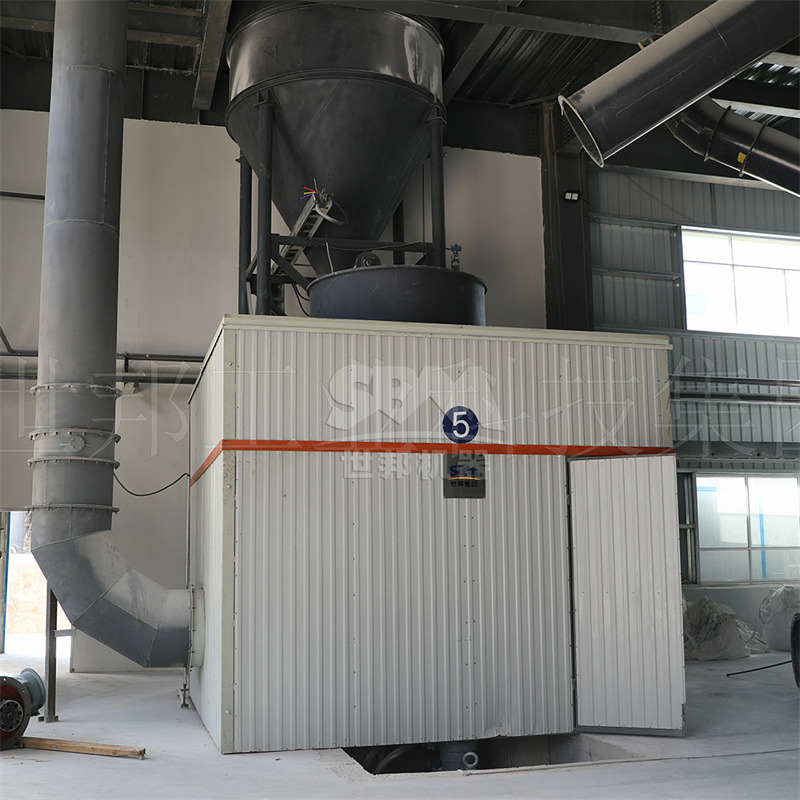
LM Series Vertical Roller Mill
For very large-scale ceramic waste recycling plants (capacities exceeding 50 t/h), the LM series vertical roller mill presents the most compelling option. Its integrated design combines drying, grinding, and classification within a single unit, reducing floor space requirements by 50% and infrastructure costs by 40%. Key benefits include:
- Efficient Bed Grinding: The LM mill uses a layering grinding principle where material is crushed between a rotating table and stationary rollers. This method consumes 30-40% less energy than conventional ball mill systems.
- Extended Wear Life: There is no direct metal-to-metal contact between rollers and table; rather, material forms a bed that cushions the components, extending wear part life by up to 3 times.
- Intelligent Operation: An expert-level auto-control system monitors parameters in real-time, enabling remote operation and minimizing manual intervention.
The LM series can handle feed sizes up to 50mm and achieve fineness down to 325 mesh (with special models to 600 mesh). The largest model in the mineral series, LM280K, boasts a table diameter of 2800mm, capacity of 50-170 t/h, and 1250kW main power, making it a flagship solution for industrial-scale ceramic waste processing.
LUM Ultrafine Vertical Roller Mill
Combining the advantages of vertical roller mills with ultrafine classification, the LUM series is an excellent alternative for producing fine ceramic powder (325-2500 mesh) at consistently high quality. Its multi-rotor classifier technology ensures the absence of coarse particles in the final product. With models like LUM1836 achieving 2.3-15 t/h capacity and 355-400kW power, the LUM mill offers a balance between capacity, efficiency, and precision. For plants that already have pre-crushing infrastructure and face high volumes of ceramic waste requiring ultrafine processing, the LUM mill provides reliable results with PLC automation and fully sealed negative-pressure operation.
Decision Framework: Matching Equipment to Your Plant Requirements
To simplify your selection, follow this decision matrix based on your dominant processing needs:
| Primary Requirement | Recommended Product Type | Key Model Example |
|---|---|---|
| Medium-to-coarse powder (30-325 mesh), high capacity | MTW Series European Trapezium Mill | MTW175G or MTW215G |
| Ultra-fine powder (325-2500 mesh), high efficiency | SCM Series Ultrafine Mill | SCM1000 or SCM1250 |
| Large-scale production (50-250 t/h), integrated process | LM Series Vertical Roller Mill | LM170K or LM220K |
| Ultra-fine powder with large capacity | LUM Ultrafine Vertical Roller Mill | LUM1836 |
| Coarse grinding (0-3mm) for pre-grinding stages | Hammer Mill or LM-Y Vertical Pre-grinding Mill | PC4015-132 or LM150Y |
Economic Considerations and Return on Investment
Beyond immediate capital costs, evaluate the total cost of ownership over 5-10 years. For abrasive ceramic waste, replacement wear parts represent a significant recurring expense. Compare the wear part lifespan of different equipment types. For instance, the SCM series’ special material rollers and rings can last 2-3 times longer than those in standard mills, potentially saving tens of thousands of dollars annually in maintenance. Energy costs are equally important: a 30% efficiency improvement can result in electricity savings of several hundred thousand dollars per year for a large plant. Additionally, consider the value of increased uptime. Equipment with stable operation and quick maintenance access (like the MTW’s combined shovel design or the LM’s modular roller assembly) ensures your plant maximizes productive hours.
Integration with Existing Systems
Your new milling equipment must seamlessly integrate with existing crushing, conveying, and storage systems. Evaluate the mill’s footprint against available floor space and its compatibility with your current dust collection and material handling infrastructure. Our mills are designed as complete systems, including integrated fans, classifiers, and pulse-jet dust collectors, enabling straightforward installation as turnkey solutions. Ensure also that controls can be integrated into your plant’s Industrial Control System (ICS) via standard interfaces such as Modbus or Profibus for unified monitoring.
Case Study: Successful Ceramic Waste Recycling Implementation
In a recent application, a major tile manufacturer in Foshan, China, sought to recycle its production waste along with post-consumer tiles into high-quality powder for new body formulations. After detailed assessment, they installed an MTW138Z European Trapezium Mill to produce powder at 150 mesh fineness with a capacity of 10 t/h. The mill’s robust design reduced downtime from wear by 40% compared to their previous pendulum mill. Subsequently, they added an SCM900 Ultrafine Mill to produce 600-800 mesh powder for glaze application, which previously had to be purchased from external suppliers, reducing raw material costs by 25%. The combination of these two mills not only solved their waste management issue but also created a new revenue stream from selling surplus powder to other ceramics companies.
Conclusion: Make an Informed Choice for Sustainable Growth
Choosing the right ceramic waste powder production equipment is a strategic decision that impacts your plant’s operational efficiency, product quality, and environmental compliance. By systematically evaluating your feed characteristics, target fineness and capacity, energy costs, and site constraints, you can narrow down the equipment types that best fit your needs. For most applications, our MTW Series European Trapezium Mill offers the best balance of durability, efficiency, and capacity for medium-to-coarse powder, while the SCM Series Ultrafine Mill excels when ultra-fine particles are required. For high-volume industrial scale processing, the LM series presents unmatched economies of scale. We encourage you to contact our application engineers to conduct a feasibility test with your ceramic waste samples. We can provide detailed performance data and help you select the equipment that maximizes your return on investment while meeting rigorous quality and environmental standards. Investing in the right technology not only addresses waste management challenges but also positions your plant as a leader in sustainable ceramic production.