
Introduction: The Critical Role of Coal Powder in Gasification
Coal gasification is a pivotal technology in the modern energy landscape, transforming solid coal into synthesis gas (syngas) for power generation, chemical production, and liquid fuel synthesis. The efficiency of this entire process is profoundly influenced by the quality and characteristics of the coal powder fed into the gasifier. Key parameters such as particle size distribution, moisture content, and uniformity directly impact gasification reaction rates, carbon conversion efficiency, and overall syngas quality. Therefore, selecting the right coal powder production equipment is not merely an operational decision; it is a strategic investment that determines the technical and economic viability of the entire plant.
This comprehensive guide aims to equip engineers, project managers, and plant operators with the necessary knowledge to navigate the complex landscape of coal pulverization technology. We will delve into the critical factors governing equipment selection, analyze different mill types, and provide a structured approach to making an informed choice. By the end of this article, you will be well-versed in the technical nuances and be able to select a system that ensures optimal gasifier performance, minimal energy consumption, and long-term reliability.
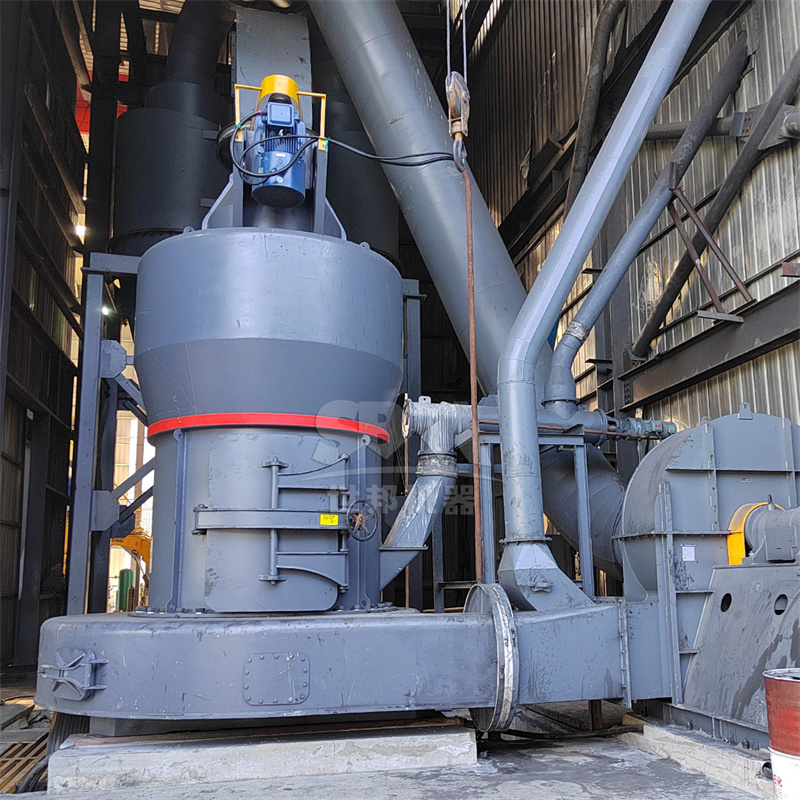
Key Considerations for Coal Pulverization in Gasification
Before diving into specific equipment models, it is essential to establish a clear set of selection criteria based on the gasification process requirements. The choice of equipment must be a balance of process needs, material properties, and economic factors.
1. Target Particle Size Distribution (PSD)
Different gasification technologies (entrained-flow, fluidized-bed, moving-bed) require vastly different particle sizes. Entrained-flow gasifiers, the most common for large-scale chemical production, typically demand a very fine powder, with 80-90% passing through a 200-mesh sieve (less than 74 μm) and often finer (around 40-50 μm). This maximizes the surface area for rapid reaction at high temperatures. Fluidized-bed gasifiers, conversely, use a coarser feed, typically in the range of 0.5 to 5 mm. Your equipment choice must precisely match this target PSD to avoid inefficient operation or costly post-processing.
2. Coal Properties: Hardness and Moisture
The grindability of coal, often measured by the Hardgrove Grindability Index (HGI), is a fundamental parameter. A high HGI (e.g., >50) indicates the coal is easy to grind, while a low HGI (e.g., <40) signifies a hard, abrasive feed that demands more robust machinery and higher energy input. Similarly, the inherent and surface moisture content of the coal affects handling, drying requirements, and grinding efficiency. High-moisture coals may require an integrated drying system within the mill, such as hot air sweeping, which is a feature of several advanced mill designs.
3. Capacity and Throughput Requirements
The required tonnage per hour (t/h) of coal powder is dictated by the size of the gasifier and the plant’s overall capacity. Your chosen mill should not only meet the nominal capacity but also have a margin for operational variations. It is prudent to select a model with a capacity 10-20% above the nominal requirement to accommodate fluctuations in coal quality and operational upsets. Over-sizing increases capital costs, while under-sizing creates a bottleneck that limits the plant’s output.
4. Energy Consumption and Operational Cost
Pulverization is one of the most energy-intensive steps in a coal gasification plant, often accounting for a significant portion of the auxiliary power consumption. The efficiency of the grinding equipment, measured in kWh/t, is a critical economic factor. Advanced mill designs, such as vertical roller mills, can consume 30-40% less energy compared to traditional ball mills. Evaluation should include the specific energy for grinding and the power for auxiliary systems like classifiers, fans, and conveyors.
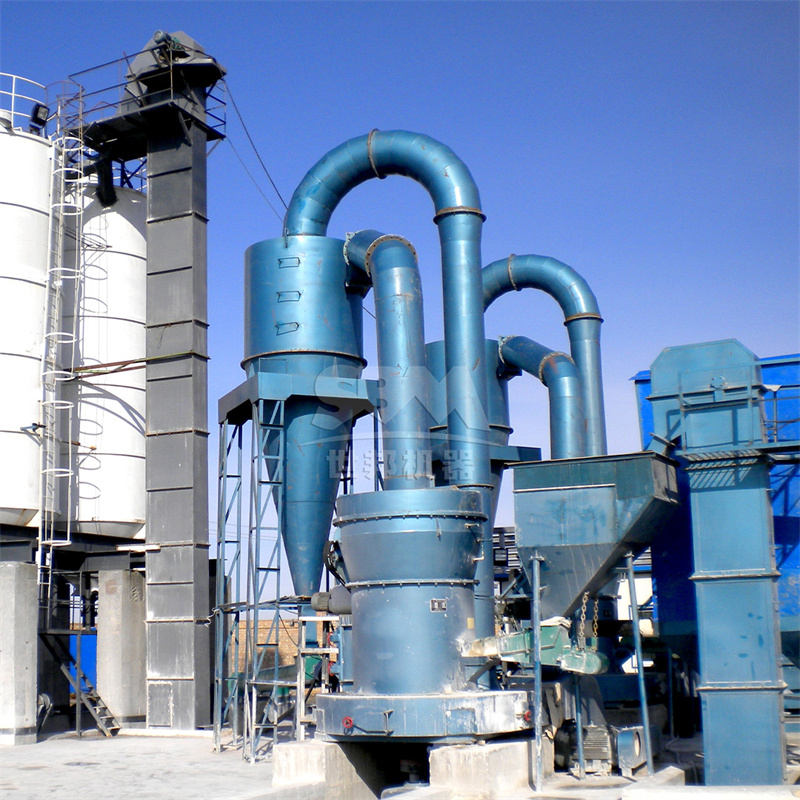
Comparative Analysis of Coal Powder Production Equipment
Based on our extensive experience and product portfolio, we will analyze the most suitable mill types for coal gasification applications, highlighting their strengths and potential drawbacks.
1. Vertical Roller Mills (VRM)
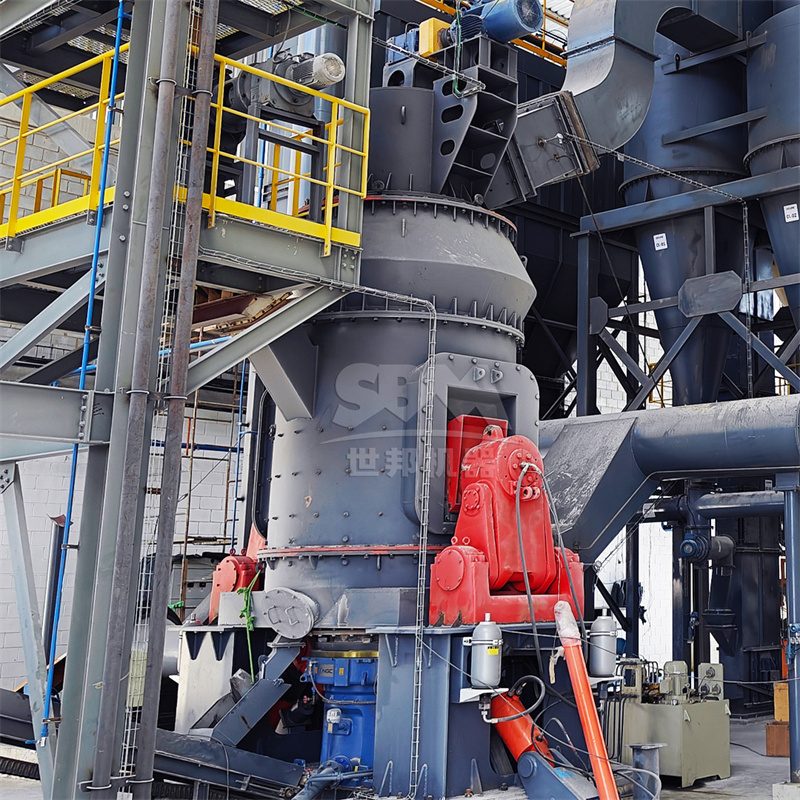
The LM Series Vertical Roller Mill represents the industry standard for coal pulverization in large-scale, high-efficiency gasification plants. Its integrated design combines grinding, drying, and classification in a single unit. The grinding rollers apply pressure directly onto a rotating grinding table, crushing the coal bed. Hot gases are introduced to dry the coal and convey the fines to a dynamic classifier. The key advantages include low energy consumption, excellent drying capability, and a narrow particle size distribution. The ‘LM Series’ for coal, specifically the ‘LM-M’ models, are engineered for this duty, capable of processing up to 90 t/h with fineness down to 5% residue on a 200-mesh sieve.
For projects demanding superfine coal powder to enhance gasification reaction kinetics, we highly recommend our SCM Series Ultrafine Mill. Although not a traditional VRM, it is designed to complement it, producing finished products in the range of 325-2500 mesh (45-5 μm). The SCM mill uses a multi-layer grinding ring and high-pressure rollers to achieve micron-level fineness with 30% lower energy consumption than jet mills. This can be a key differentiator for processes requiring ultra-fine feed. Models like the SCM1250 (2.5-14 t/h, 185kW) or the SCM1680 (5-25 t/h, 315kW) integrate seamlessly for specialized, high-value gasification processes.
2. European Trapezium Mills
The MTW Series European Trapezium Mill is a versatile and robust solution, particularly suited for applications where a slightly coarser feed (30-325 mesh) is acceptable, or as a pre-grinding stage. Its advantages include a lower initial investment compared to a full VRM system and excellent performance on materials with medium hardness. The MTW mill features an optimized arc air duct and a bevel gear drive with up to 98% transmission efficiency, reducing energy loss. The MTW215G, with a capacity of 15-45 t/h and a 280kW main motor, is a high-performance unit that offers a perfect balance between throughput, fineness control, and operational cost, making it suitable for smaller to mid-scale gasification units.
3. Medium-speed Trapezium Mills
The MTM Series represents an alternative for operations prioritizing space-saving and lower power consumption on a moderate scale. With a capacity range of 3-22 t/h and fineness from 45-325 mesh, the MTM is a reliable workhorse. However, for the demanding continuous operation of a large gasifier, its capacity may be a limiting factor compared to the LM series.
4. Traditional Ball Mills
While highly reliable and capable of handling abrasive coals, ball mills are energy-inefficient and produce a less uniform product. They have a large footprint and generate significant operating noise. They are generally not recommended for modern, high-efficiency gasification plants due to the high operational costs and less controllable PSD, which can lead to lower gasification efficiency.
Step-by-Step Decision-Making Framework
To synthesize the information above, we propose a systematic approach to selecting your coal powder production equipment.
- Step 1: Define Process Requirements. Clearly specify the target PSD, moisture content, and required throughput (t/h) based on your gasifier’s design specifications.
- Step 2: Analyze Coal Properties. For your specific coal source, determine the HGI, moisture content, and abrasiveness. This will help shortlist the mill families that can handle these conditions.
- Step 3: Evaluate Energy and Cost Efficiency. Compare the specific energy consumption (kWh/t) and the total cost of ownership (CAPEX + OPEX) for the shortlisted equipment. A slightly higher capital cost is often justified by significant long-term energy savings and lower maintenance.
- Step 4: Assess System Integration. Consider the footprint, auxiliary equipment, and control system complexity. A fully integrated mill with a built-in classifier and drying system, like the LM VRM, simplifies plant layout and operations.
- Step 5: Verify Reliability and Support. Choose a manufacturer with a proven track record, robust after-sales support, and a reliable supply of spare parts. Our company offers comprehensive service packages, from installation to operator training, ensuring minimal downtime.
Conclusion: Partnering for Optimal Performance
Selecting the right coal powder production equipment is a complex, multi-faceted decision. By prioritizing the particle size requirements of your specific gasifier, understanding your coal’s characteristics, and rigorously comparing energy consumption and total cost of ownership, you can make a technically sound and economically wise investment. While high-throughput, energy-efficient operations will find the LM series Vertical Roller Mill to be the industry benchmark, our advanced models like the SCM Ultrafine Mill and MTW European Trapezium Mill offer excellent alternatives for specific needs, ensuring you can achieve the precise powder specifications for optimal gasification.
Our team of application engineers is ready to assist you in analyzing your unique project requirements. We invite you to contact us to discuss a tailored solution that maximizes your gasification efficiency and commercial returns.