
Introduction: The Critical Role of Cobalt Pigments
Cobalt-based pigments have long been revered in the ceramics, glass, and paint industries for their exceptional color stability, thermal resistance, and brilliant blue to violet hues. Unlike organic dyes, cobalt pigments maintain their integrity under extreme temperatures and harsh chemical environments, making them indispensable for high-grade architectural coatings, artistic glazes, and industrial plastics. However, the production of these premium pigments is a technically demanding process that hinges on one pivotal factor: powder processing equipment. The journey from cobalt ore or synthetic cobalt salts to a uniform, ultra-fine pigment powder involves crushing, grinding, classification, and sometimes calcination. The choice of milling equipment directly influences particle size distribution (PSD), surface area, and color development — all of which dictate the final product’s market value.
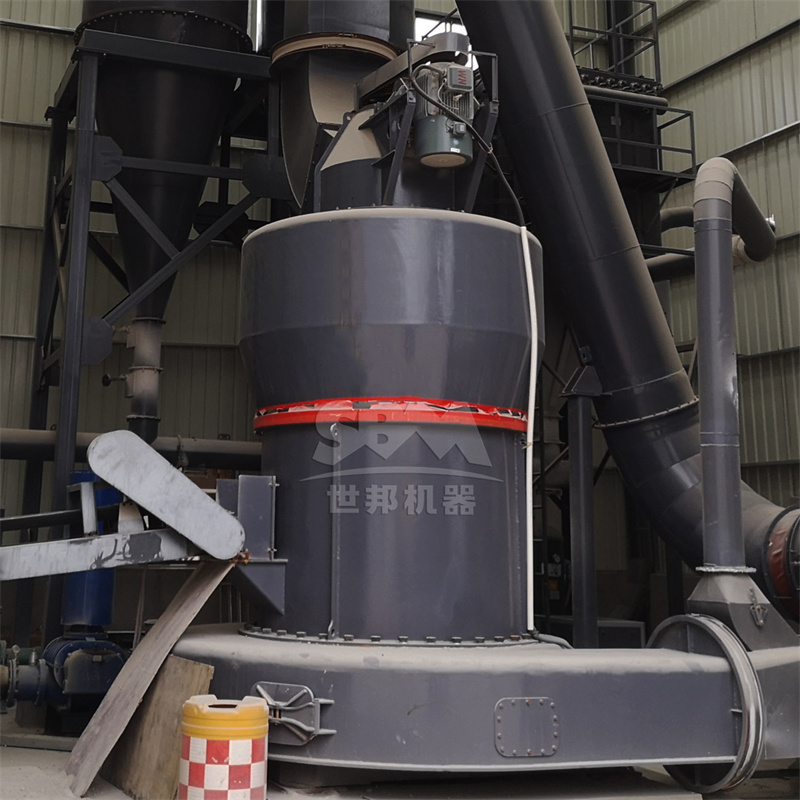
Selecting the right machinery is not a one-size-fits-all decision. It requires a deep understanding of your feed material characteristics (hardness, moisture), target fineness (often below 45 microns), throughput requirements, and energy efficiency goals. This guide will walk you through the technical criteria for selecting cobalt processing equipment, with a special focus on the milling stage, and highlight advanced solutions engineered to meet the rigorous demands of pigment manufacturers.
Key Criteria for Equipment Selection
1. Target Fineness and Particle Size Distribution
The most critical specification in pigment production is the fineness of the final powder. For high-end cobalt blue (CoAl₂O₄) or cobalt green, the desired particle size is typically between 1 to 10 microns (325 to 2500 mesh). A narrower PSD ensures consistent color strength and dispersion. If your process requires ultra-fine grinding below 10 microns, a conventional ball mill may be insufficient or highly inefficient. In this case, you need a mill with an integrated high-precision classifier. For instance, achieving a D97 of 5 microns requires a milling solution capable of selective particle retention, ensuring no coarse particles (oversize) contaminate the batch.
2. Material Hardness and Abrasiveness
Cobalt compounds, especially after calcination, can be moderately abrasive. The grinding media and wear parts must exhibit superior hardness. Equipment with rollers and rings made from special alloys or composite materials will reduce contamination from metal wear, which is crucial for pigment purity. Chromium and iron contamination from grinding can dull the pigment’s brightness. Therefore, consider mills that offer wear-resistant configurations to maintain chemical purity.
3. Throughput and Production Efficiency
Pigment production is often characterized by medium to low-volume, high-value batches. However, if you are producing masterbatches or large-scale ceramic stains, you may require capacities ranging from 1 to 10 tons per hour. The equipment’s energy consumption is also a major factor. Traditional jet mills, while capable of ultra-fine grinding, consume massive amounts of compressed air (energy). Modern roller mills or vertical mills offer a more energy-efficient alternative, consuming up to 30-40% less power while achieving similar fineness.
4. System Integration and Automation
A modern pigment plant requires closed-loop control systems to ensure repeatability. Equipment that offers PLC-based control for adjusting classifier speed, air volume, and grinding pressure is essential. This reduces human error and ensures that every batch meets the same color standard. Furthermore, the environmental aspect cannot be ignored; a fully sealed, negative-pressure system with high-efficiency pulse dust collectors is mandatory for worker safety and environmental compliance, as cobalt dust is a known inhalation hazard.
Equipment Options: From Coarse Crushing to Ultrafine Grinding
Depending on your feed size (from 20mm to 50mm), the milling process usually requires a two-stage approach. First, a primary crusher (like a hammer mill) reduces the material to a manageable size. Then, a fine grinding mill takes over to achieve the final pigment fineness.
Primary Crushing Stage
For feed materials up to 40mm, a robust Hammer Mill is ideal. It provides a high crushing ratio and reduces the material to a uniform size of 0-3mm for the subsequent milling stage. This ensures the main mill is not overloaded and functions at peak efficiency.
Fine and Ultrafine Grinding Stage
This is where the choice becomes complex. Below we compare two dominant technologies: the Trapezium Mill and the Ultrafine Vertical Roller Mill.
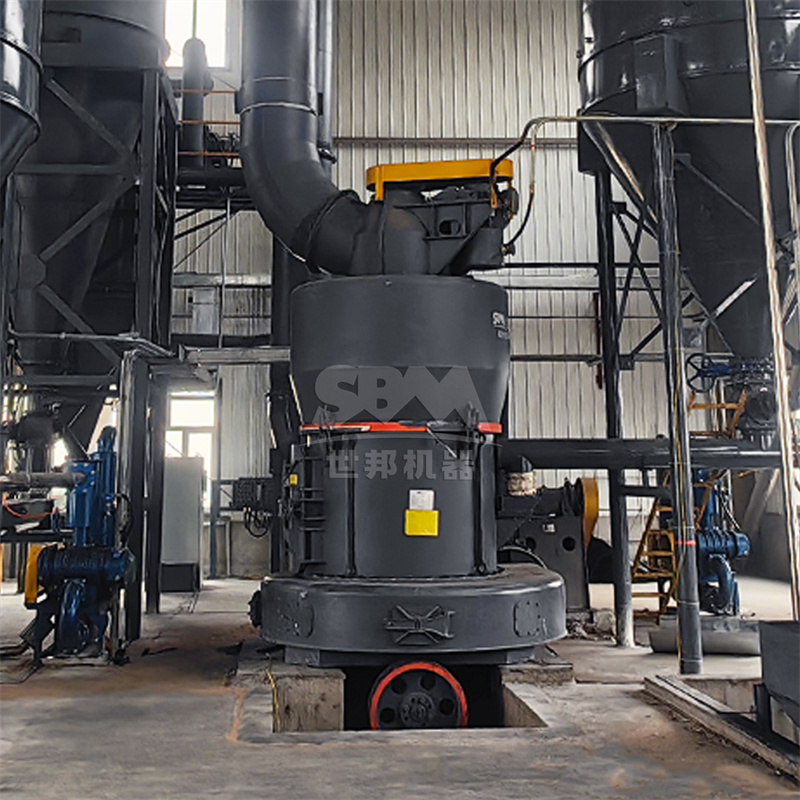
The MTW Series European Trapezium Mill is a stalwart for medium-fine grinding (30-325 mesh). It features anti-wear shovel designs and an integral bevel gear drive with up to 98% transmission efficiency. If your target is a standard pigment grade (e.g., 400 mesh or 38 microns), this is an excellent choice due to its low maintenance cost and high throughput (3-45 t/h).
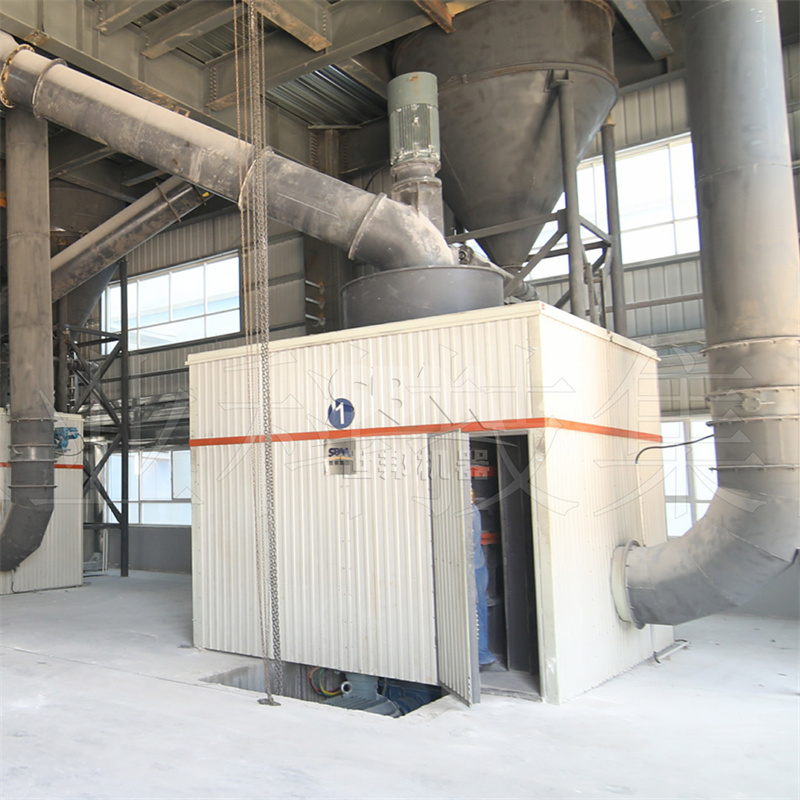
However, for premium grades requiring 800 to 2500 mesh (5-20 microns), we strongly recommend the SCM Series Ultrafine Mill. This machine is specifically engineered for the fine particle sizes needed in high-value pigments. Its capacity is twice that of jet mills with 30% lower energy consumption. The vertical turbine classifier provides a precise cut, ensuring zero coarse powder mixing—a non-negotiable requirement for high-end cobalt pigments.
To illustrate the SCM series’ applicability: if your production target is a D97 of 10 microns, the SCM900 model can process 0.8-6.5 t/h with a main power of just 90kW. This makes it a significantly more economical option than jet milling. The special material rollers and rings also extend service life, protecting your investment and ensuring consistent product quality.
Recommendations: Our Solutions for Cobalt Pigment Processing
Based on our experience in non-metallic mineral processing, we have two specific recommendations tailored to different ends of the pigment production spectrum.
For High-Capacity, Standard Fineness (325-800 mesh): We recommend the MTW Series European Trapezium Mill (e.g., MTW138Z). This model features an optimized arc air duct that reduces airflow energy loss and a wear-resistant volute structure that lowers maintenance costs by 30%. It is the workhorse for bulk production of ceramic stains and industrial pigments where a consistent 45-micron to 38-micron particle size is required. The bevel gear drive simplifies installation, saving space and civil construction costs.
For Premium, Ultrafine Pigments (800-2500 mesh): We unequivocally recommend the SCM Series Ultrafine Mill (e.g., SCM1250). This is our flagship for the pigment and chemical industries. The three-layer grinding ring design and high-precision vertical turbine classifier ensure a sharp PSD. For cobalt pigments, where color strength is exponentially tied to surface area, the SCM mill’s ability to output fineness down to 5 microns is a game-changer. It also features an intelligent control system that automatically adjusts parameters based on the finished product granularity feedback, ensuring uniform quality across shifts.
Conclusion: Aligning Equipment with Business Goals
Choosing the right cobalt processing equipment is a strategic business decision. It impacts energy bills, labor costs, product quality, and market competitiveness. While lower initial investment might be tempting, operational costs (energy, media, spare parts) and product consistency must dominate the decision matrix.
For standard pigment production, the MTW series offers reliability and cost-effectiveness. But, for manufacturers aiming to dominate the high-end cobalt pigment market—where buyers expect particles under 10 microns—investing in an SCM Ultrafine Mill is essential. The SCM’s energy efficiency (30% less than jet mills) and high precision translate directly to a lower cost-per-ton of finished pigment and a premium selling price due to superior color performance.
We recommend conducting pilot trials with your specific cobalt feedstock to verify performance parameters. Our technical team supports laboratory testing to define the exact mill configuration (classifier speed vs. capacity) to achieve your target D50 and D97 values. The right equipment, matched with expert configuration, will ensure your cobalt pigments consistently deliver the vibrant, durable colors the industry demands.