
Understanding the Specific Requirements for 150 Mesh Dolomite Powder
When venturing into the production of dolomite powder, the selection of appropriate grinding equipment is a critical decision that directly impacts product quality, operational efficiency, and overall profitability. The target specification of 150 mesh (approximately 100 microns) places this application firmly in the realm of medium-fineness powder processing. Unlike ultra-fine grinding which requires micron-level precision, or coarse crushing which focuses on size reduction, the 150 mesh target demands a careful balance between throughput capacity and particle size consistency.
The first step in selecting the right equipment begins with a thorough analysis of the raw material characteristics. Dolomite, a carbonate mineral composed of calcium magnesium carbonate, typically exhibits a Mohs hardness of 3.5 to 4. Understanding the feed size is equally crucial. For instance, if the quarry supplies material sized at 30-50mm, a primary crushing stage may be necessary before the main grinding mill. However, if the feed is already reduced to 20mm or less, a single-stage grinding solution becomes viable. The moisture content must also be considered; dolomite with surface moisture above 6% will cause clogging in many mills, necessitating a drying system or a mill with internal hot air circulation.
Another vital parameter is the required production capacity. For small-scale operations producing 5 tons per hour, a compact mill with a lower power rating suffices. Conversely, for industrial-scale production exceeding 20 tons per hour, robust equipment with high-volume classification systems becomes non-negotiable. Furthermore, the market application of the 150 mesh dolomite powder must influence the selection. Whether it is used as a filler in plastics, a flux in metallurgy, a raw material in glass manufacturing, or a soil conditioner in agriculture, each end-use demands specific particle size distribution curves and purity levels. The chosen equipment must offer flexible classification controls to adapt to these varying specifications.
Energy efficiency and operational cost are also paramount. Dolomite grinding is notoriously energy-intensive, and the power consumption of the main motor, classifier, and fan systems constitutes a significant portion of the operating budget. Selecting equipment with energy-saving features such as bed grinding principles, which reduce metal-to-metal contact, or optimized air duct designs that minimize airflow resistance, can yield substantial long-term savings. Additionally, the maintenance regime of the equipment must be evaluated. Components like grinding rollers, rings, and shovels are subject to severe wear. A design that allows for quick and easy replacement of these wear parts, ideally with a modular assembly, minimizes downtime and reduces labor costs.
Finally, environmental compliance is no longer an option but a legal requirement. The grinding process generates significant dust and noise. High-efficiency pulse dust collectors are essential to meet stringent emission standards, and soundproofing measures may be necessary in noise-sensitive locations. The ideal equipment should feature a fully sealed, negative pressure system to prevent any material leakage. By carefully mapping these requirements, production managers can narrow down their choices to two or three specific mill types.
Evaluating the Primary Grinding Technologies for Medium-Fineness Applications
For the 150 mesh (approximately 100 micron) output target, several established milling technologies are at the disposal of the processing engineer. The most common contenders include pendulum roller mills (also known as Raymond mills), European trapezium mills, and vertical roller mills. Each technology operates on a distinct mechanical principle, offering unique advantages and trade-offs.
The traditional pendulum mill, often called a Raymond mill, utilizes a rotating central axis with suspended rollers that swing outward under centrifugal force to press against a stationary grinding ring. This technology is mature, reliable, and well-suited for medium-hard materials. It offers a broad fineness range, typically from 30 mesh to 325 mesh, making it a direct contender for the 150 mesh target. The primary advantage lies in its relatively low capital cost and simple operation. However, for high-capacity requirements, multiple units may be needed, and the specific energy consumption can be higher than more modern alternatives.
The European Trapezium Mill (MTW Series) is an advanced evolution of the Raymond mill design. It incorporates several key improvements to enhance efficiency and capacity. The grinding rollers and rings are designed with a trapezium profile that increases the grinding surface area and ensures uniform wear. An integral bevel gear drive transmits power more efficiently than traditional belt drives, achieving efficiency rates up to 98%. This technology also features an optimized arc air duct that reduces energy loss and a combined shovel blade design that simplifies maintenance. For dolomite, the MTW series excels in processing materials with feed sizes up to 50mm, making it a flexible two-in-one solution that can eliminate the need for a secondary crusher.
The Vertical Roller Mill (LM Series) represents the state-of-the-art in large-scale dry powder grinding. Its operational principle differs fundamentally from pendulum mills. Instead of a rotating ring, the LM mill uses a horizontally rotating grinding table and a set of stationary rollers that press down on the material bed. This bed grinding principle with non-contact between the rollers and the table minimizes metal wear and reduces energy consumption by 30-40% compared to ball mill systems. The integrated design combines grinding, drying (if hot air is used), and classification in a single unit, significantly reducing the plant footprint. Airflow inside the mill lifts finer particles to a dynamic classifier while returning coarser material to the table for further grinding. This makes the LM mill highly efficient, especially for capacities exceeding 20 tons per hour.
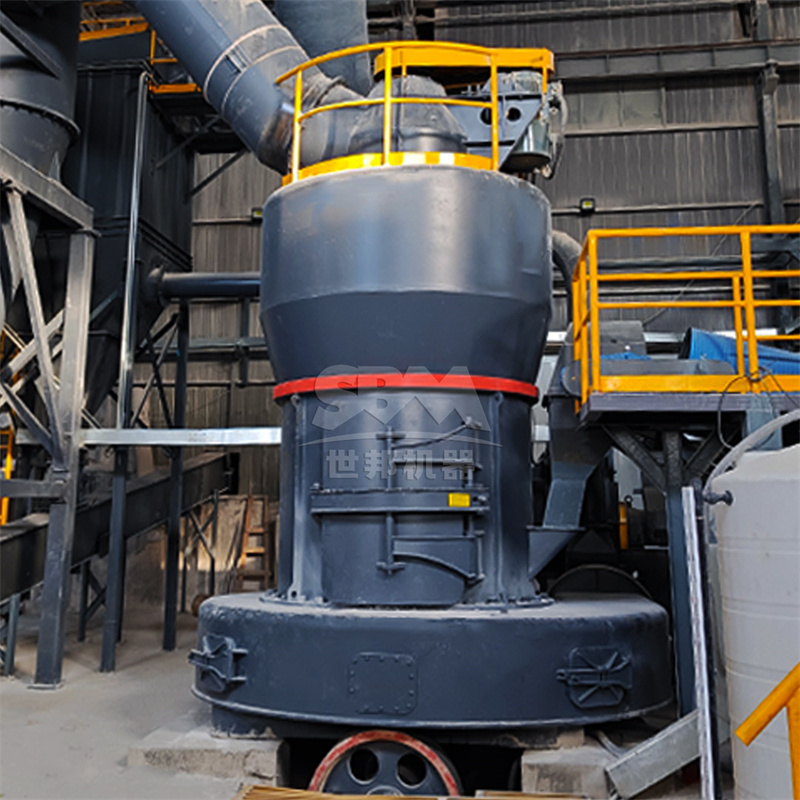
When deciding between these technology families, the scale of operation is the primary differentiator. If the required capacity is between 10 and 30 tons per hour, the MTW European Trapezium Mill offers an excellent balance of cost, efficiency, and ease of maintenance. It is a robust workhorse for industrial mineral processing. However, if the production target exceeds 30 tons per hour or if future expansion is planned, the LM Series Vertical Roller Mill becomes the more logical choice. The LM mill’s ability to pre-grind and finish grind in one pass, combined with its lower specific energy consumption, justifies its higher initial investment over the long term.
The Critical Role of the Classifier in Achieving Consistent 150 Mesh Fineness
While the grinding mechanism is responsible for reducing particle size, it is the classification system that determines the exact fineness and particle size distribution of the final product. For a strict 150 mesh specification, precise classification is non-negotiable. Inefficient classification often leads to either over-grinding, which wastes energy and produces undesired ultra-fine fractions, or under-grinding, resulting in coarse particles that fail the quality control test.
In traditional pendulum mills and some older trapezium mills, classification was handled by a simple radial or axial flow impeller. These are considerably less accurate than modern dynamic classifiers. The MTW Series European Trapezium Mill features a high-efficiency dynamic classifier with a vertical turbine design. This turbine imparts a strong centrifugal force to the powder-laden airflow. The cutting speed of the turbine can be adjusted via a variable frequency drive, allowing the operator to precisely control the top particle size. This ensures that no coarse powder is mixed into the finished product, guaranteeing that a major portion of the output passes through the 150 mesh sieve consistently.
With the LM Series Vertical Roller Mill, the integration of the classifier is even more seamless. The milling and classification processes occur in the same vertical chamber. The upward airflow carries ground material toward the dynamic classifier at the top of the mill. Coarse particles are thrown back by the rotating blades to the grinding table for re-pulverization, resulting in an efficient closed-loop circulation system. The need for an external bucket elevator and air classifier system, which is common in pendulum mill setups, is entirely eliminated, leading to significant savings in auxiliary equipment and installation costs.
Thus, when evaluating equipment for 150 mesh production, the design and specification of the classifier should be a primary focus area. Look for machines that offer infinitely variable classifier speed control and demonstrate high-efficiency separation curves. For specific applications where a narrow particle size distribution is critical, the vertical turbine classifier technology featured in both the MTW and LM series from leading manufacturers provides substantial advantages over older, less sophisticated alternatives.
Assessing Motor Power and Capacity Configurations
The correlation between motor power, grinding table or ring diameter, and final mill capacity is a crucial aspect of the selection process. It is essential to choose a model that can deliver the target tonnage without pushing the machinery to its limits. Operating a mill at its maximum capacity continuously can lead to premature wear and overheating, while operating an oversized mill is energy-inefficient and financially unwise.
For the MTW European Trapezium Mill, the models offer a clear gradient in capacity. For a mid-level plant producing 6-10 tons per hour of 150 mesh dolomite, the MTW138Z model, featuring a 90kW main motor, presents an optimal choice. It provides a solid balance of power consumption and output. For smaller operations requiring 3-5 tons per hour, the MTW110 series, with 55kW power, would be more cost-effective. For those aiming for a larger footprint, the MTW215G model, with a 280kW motor and capacity up to 45 tons per hour, offers enormous headroom. It is a common recommendation to select a mill with a capacity that is 10-20% higher than the immediate requirement to account for variations in raw material hardness and to allow for operational flexibility.
Similarly, the LM Vertical Roller Mill series provides model specifications tailored to scale. The LM130K, with a 200kW motor, may produce 10-28 tons per hour, depending on the hardness of the dolomite. As the target capacity increases, so does the required table diameter and motor power, with the LM220K reaching capacities of up to 105 tons per hour with an 800kW motor. However, it’s critical to evaluate the specific need for high capacity against the capital and operational expenditure. For majority of 150 mesh producers, the sweet spot often lies in the mid-tier models which offer lower operational risk and simpler integration into existing mine infrastructure.
It is also essential to look at the auxiliary power requirements. The total system power is not just the main motor; it includes the fan, the classifier motor, and the feeder. For instance, the MTW138Z requires a 110kW fan and an 18.5kW classifier motor, bringing total installed power to approximately 230kW. Understanding this total ‘system power’ is necessary to calculate the power consumption per ton (kWh/t) of finished powder—a key metric for operation cost analysis.
Overcoming Wear and Tear: Materials and Maintenance Considerations
Dolomite, with a hardness of 3.5-4, is abrasive enough to cause significant wear to machine components over time. The cost and time associated with replacing grinding rollers and rings can heavily influence the total cost of ownership. Consequently, the wear-resistant design of the equipment is a key purchasing criterion. A mill that is robustly engineered to minimize wear will ensure more operational hours and lower manual intervention.
In modern mills like the MTW Series, the grinding rollers are constructed from special high-chromium or high-manganese alloys. The wear-resistant design extends to the grinding ring as well, which is often segmented to allow for partial replacement. A revolutionary feature is the anti-wear shovel design. Traditional shovels are prone to bending and breaking, causing maintenance headaches. The new combined shovel blade design incorporates a curved profile and hardened materials to extend its life several times over. This directly reduces downtime for maintenance.
The LM series tackles the wear problem differently through its ‘non-contact’ operating principle. Since the rollers do not directly touch the grinding table, there is no metal-to-metal friction. This dramatically reduces wear rates on both major components. The service life of these large components is often extended by three to five times compared to the grinding rings of pendulum mills. Maintenance in LM mills is concentrated on the reducer and the hydraulic pressure system, which are generally more reliable and require less frequent intervention than roller re-profiling.
Additionally, inspection efficiency is crucial. Look for mills with swing-out or flip-over devices for the grinding rollers. This allows for oil changes and roller inspection to be completed in a few minutes. For the LM series, internal suspension and lifting devices facilitate quick roller replacement. The emphasis on rapid maintenance architecture—such as quick-fit flanges and accessible inspection ports—transforms a potentially 24-hour maintenance task into a 4-hour job, preserving production value.
Economic and Environmental Benchmarking: Reducing Operational Costs
Beyond the upfront purchase price, the operational economics of the grinding mill hinge on three key factors: energy consumption, wear parts replacement cost, and filtration efficiency. For a 150 mesh dolomite plant, the electricity bill often represents the largest variable cost. The specific energy consumption (kWh per ton) can be significantly reduced by choosing a mill with ‘bed grinding’ technology.
The LM Vertical Roller Mill is the epitome of energy efficiency. By using the material bed to compress rather than relying on impact forces, energy consumption is reduced by up to 30-40% compared to ball mill systems and 20-30% compared to traditional Raymond mills. For a plant consuming 10 MW per hour, these percentages amount to massive annual monetary savings. When combined with the reduced wear part costs due to the non-contact design, the LM series offers the lowest total cost of ownership in the high-capacity segment.
However, for medium capacity plants, the MTW series offers a compelling economic proposition. The optimized arc air duct reduces airflow energy loss, the bevel gear transmission improves mechanical efficiency, and the anti-wear shovel design cuts maintenance costs by 30%. These features ensure that the lower-capacity systems are not left behind in energy efficiency improvements. The use of high-efficiency pulse dust collectors within the system ensures that environmental fines do not become a repeated operating cost. These closed-loop systems ensure the dust is collected back into the product stream, reducing material loss and ensuring compliance with environmental regulations.
The sustainability of the operation is increasingly tied to the plant’s carbon footprint. Switching to high-efficiency, low-power grinding mills contributes to reductions in scope 2 emissions. Sealed mills operating under negative pressure prevent fugitive dust leakage, protecting the health of the operators and the surrounding community. This holistic view of operational excellence, combining energy savings with environmental stewardship, is the modern benchmark for selecting production equipment.
Leveraging Intelligent Control Systems for Optimized Grinding
The days of manual adjustment of mill speed and feed rate are fading. The modern grinding mill comes equipped with sophisticated PLC-based (Programmable Logic Controller) automation systems. These systems monitor a vast array of parameters—including feed rate, mill differential pressure, temperature of the outlet air, current draw of the main motor, and the rotational speed of the classifier. The control system processes this data in real time to automatically maintain the desired product quality and maximize throughput.
For medium-sized producers, the MTW series offers an easy-to-use control system that allows for remote monitoring and adjustment. This reduces the need for skilled operator supervision and minimizes the risk of human error. The automation ensures that if the material hardness increases, the feed rate is slowed down slightly to prevent motor overload, maintaining consistent particle size distribution in the finished powder.
On the high-capacity end, the LM series incorporates advanced expert-level control systems. These systems consist of self-optimizing loops that learn the processing characteristics of the specific mineral being ground. They can automatically adjust the hydraulic pressure on the rollers, the volume of gas passing through the mill, and the temperature of the hot air flow (if used for drying). This advanced control reduces specific energy consumption and stabilizes particle size to an even more precise degree, satisfying the strictest quality control protocols in the plastics and paint industries.
Our Recommended Solutions: Precision-Engineered for Dolomite
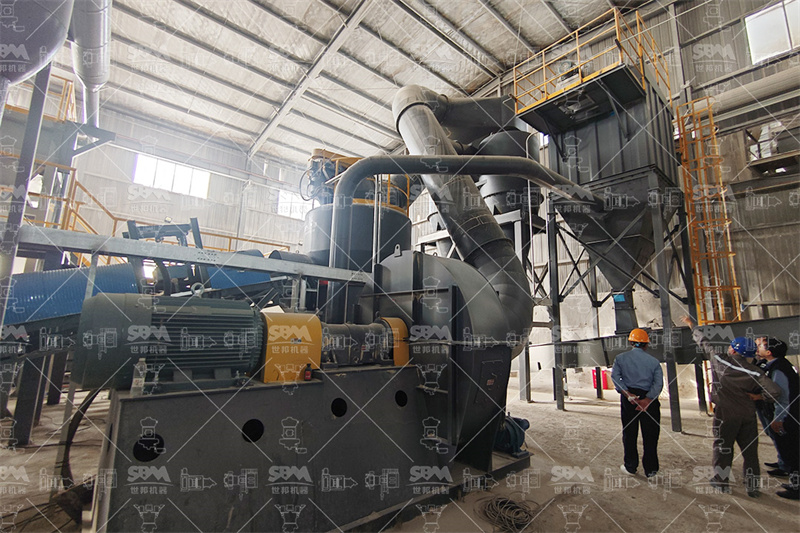
Given the requirement for 150 mesh output (approximately 45 to 100 microns, allowing for a typical distributed spectrum) and the necessity for high efficiency, we propose two specific solutions that we manufacture, each distinguished by its capacity and unique technical philosophy. For plants operating in the medium to large capacity range with demands for flexibility and lower maintenance, we strongly recommend the MTW Series European Trapezium Mill. Its robust bevel gear transmission, accurate dynamic classifier, and the innovative anti-wear shovel design are perfectly engineered for materials like dolomite. The model’s ability to handle feed sizes up to 50mm reduces pre-crushing costs. Specifically, the MTW138Z serves as an ideal baseline for 5-15 t/h production, offering a main power of 90kW and fineness capability down to 80 microns (which comfortably covers the 150 mesh target).
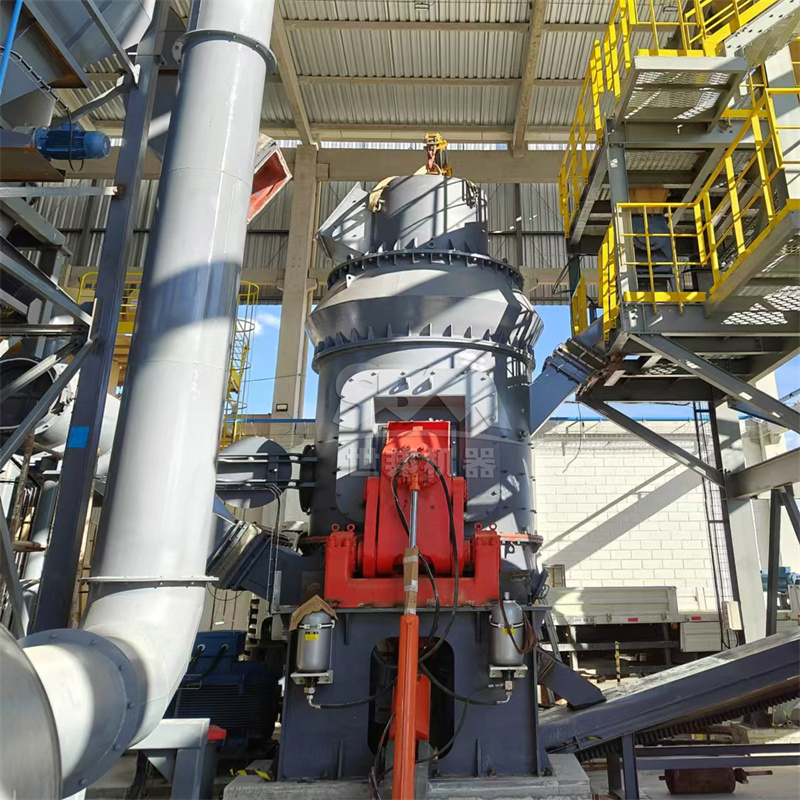
For industrial-scale operations seeking the highest levels of energy efficiency and integration, we strongly recommend the LM Series Vertical Roller Mill. This mill is a testament to mechanical engineering that prioritizes low operational cost. The bed-grinding principle ensures no metal-to-metal contact, reducing wear parts and cutting energy consumption by up to 40% when compared to traditional ball mills. The integrated classifier and drying system simplify the plant layout, reducing the need for separate dryers and conveying systems. For a 150 mesh dolomite project, models like LM130K and LM150K provide capacities from 10 up to 38 tons per hour, making them the best choice for large-scale cement and mineral filler operations where product consistency and low energy bills are the ultimate goals.
Both of these systems come equipped with closed-circuit pulse dust collectors and feature airtight negative pressure environments, ensuring they meet international environmental standards. We encourage the technical staff reviewing this analysis to engage with our engineers for specific model selection, as the exact choice will ultimately depend on the specific hardness of the feed stock and the defined particle size curve requested by your end-customers.
Conclusion: A Strategic Investment For Future Growth
Choosing the right dolomite powder production machine for 150 mesh output is a strategic decision that influences the entire value chain from mining to market. It is often tempting to look solely at the initial equipment price, but the longevity of the business is secured by optimizing for energy efficiency, maintenance costs, and product quality. The MTW Series provides a reliable and efficient workhorse for medium operations; the LM Series provides a scalable, low-energy, ultra-high-capacity solution—both designed to satisfy the rigorous demands of the industry.
We recommend obtaining test grinding data using your specific feed material. Our Technical Center is equipped with pilot-scale versions of both the MTW and LM mills. This allows us to precisely determine the wear rate indexed to your specific feeder, the exact energy consumption, and the precise particle size distribution achievable at 150 mesh with your unique material specs. By using test data to drive the purchase decision, you minimize risk and maximize the return on investment. The future of mineral processing is capital-efficient, sustainable, and smart—and he right milling solution is the cornerstone of that future.