
Introduction
Activated carbon is a critical material in industries ranging from water purification and air filtration to food processing and pharmaceutical manufacturing. The production of high-quality activated carbon powder, particularly at a fineness of 325 mesh (44 microns), requires precise control over grinding parameters to ensure optimal surface area and adsorption capacity. Choosing the right milling equipment is not merely a technical decision; it is a strategic investment that directly impacts product quality, energy consumption, operational costs, and overall profitability. This guide provides a comprehensive analysis of the key factors to consider when selecting equipment for 325 mesh activated carbon powder production, helping you navigate the complexities of grinding technology.
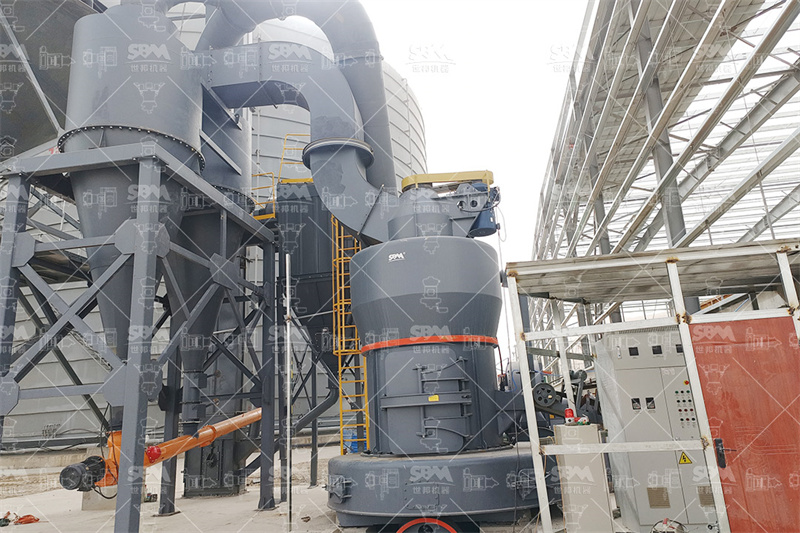
Understanding the Material: Activated Carbon Characteristics
Before selecting a mill, it is essential to understand the physical and chemical properties of activated carbon. Activated carbon is a porous, amorphous material with a high specific surface area, typically derived from coconut shells, coal, wood, or peat. Its hardness can vary significantly depending on the raw material and activation method. Coconut shell-based carbon, for example, is generally harder and more abrasive than wood-based carbon.
Key Material Considerations:
- Hardness and Abrasiveness: Harder materials accelerate wear on grinding components. Equipment with durable, wear-resistant parts is essential for long service life.
- Moisture Content: High moisture can cause clogging and reduce grinding efficiency. Pre-drying or selecting a mill with hot air function may be necessary.
- Bulk Density: Lightweight materials may require specialized feeding systems to ensure consistent throughput.
- Purity Requirements: Any contamination from mill wear parts can compromise the purity of the final product. Stainless steel or ceramic-lined options may be preferred.
Key Selection Criteria for 325 Mesh Grinding
When targeting a final fineness of 325 mesh, several critical factors must be evaluated to ensure the chosen equipment meets both production and quality goals.
1. Output Fineness and Particle Size Distribution
The ability to consistently produce 325 mesh powder with minimal oversized particles is paramount. A sharp particle size distribution ensures uniform adsorption performance. Equipment with high-precision classification systems is essential to achieve this. The classifier must be capable of cutting coarse particles effectively while allowing fine particles to pass through.
2. Production Capacity Throughput
Your desired hourly or daily output will dictate the size and model of the mill. It is crucial to select a machine that can meet your target capacity without being oversized, which would lead to unnecessary energy consumption, or undersized, which would create a production bottleneck.
3. Energy Efficiency and Operating Costs
Grinding is an energy-intensive process. Energy consumption can represent a significant portion of operational costs. Modern mills with intelligent control systems can optimize energy usage by adjusting parameters in real time. Efficiency is often measured in kilowatt-hours per ton (kWh/t).
4. Equipment Durability and Maintenance
Given the abrasive nature of activated carbon, equipment durability is a top priority. Features such as special alloy rollers and rings, durable liners, and robust bearing systems can significantly extend the time between maintenance shutdowns. Easy access to wear parts and a simple maintenance procedure also reduce downtime.
5. System Integration and Automation
A modern grinding system should integrate seamlessly with upstream (feeding, crushing) and downstream (dust collection, packaging) processes. Advanced automation features like remote monitoring, automatic tonnage feedback, and fault diagnosis reduce the need for manual intervention and ensure stable, consistent operation.
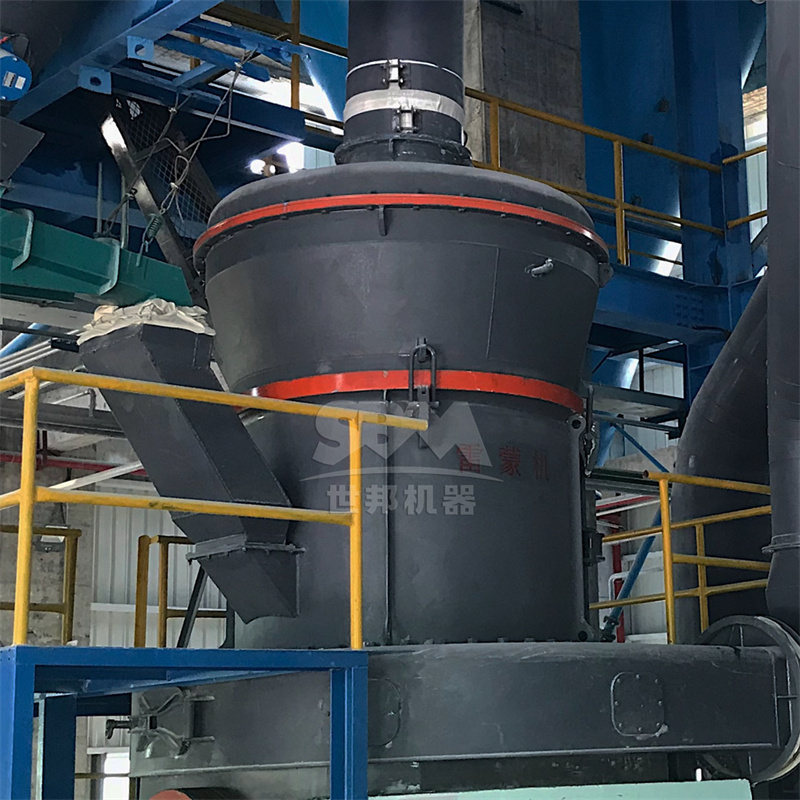
Matching Mill Type to Your Needs
Different mill technologies are suited to different production scales and quality requirements. For 325 mesh activated carbon powder, the following mill types are most relevant.
Ball Mills
Traditional ball mills are robust and reliable, capable of handling large feed sizes and producing a wide range of fineness. However, for a fine product like 325 mesh, they are often less energy-efficient and produce a broader particle size distribution compared to modern mills. They are typically best suited for large-scale operations where energy costs are less critical, or as a second-stage grinder.
Raymond Mill / Pendulum Mills
Pendulum mills, such as the MRN Series, are a classic choice for medium-fine grinding (30-325 mesh). They offer a good balance of capacity and cost. Newer models feature advanced thin-oil lubrication and efficient collection systems, making them more reliable and eco-friendly. They are an excellent choice for standard activated carbon powder production with moderate capacity requirements.
Ultrafine Mills
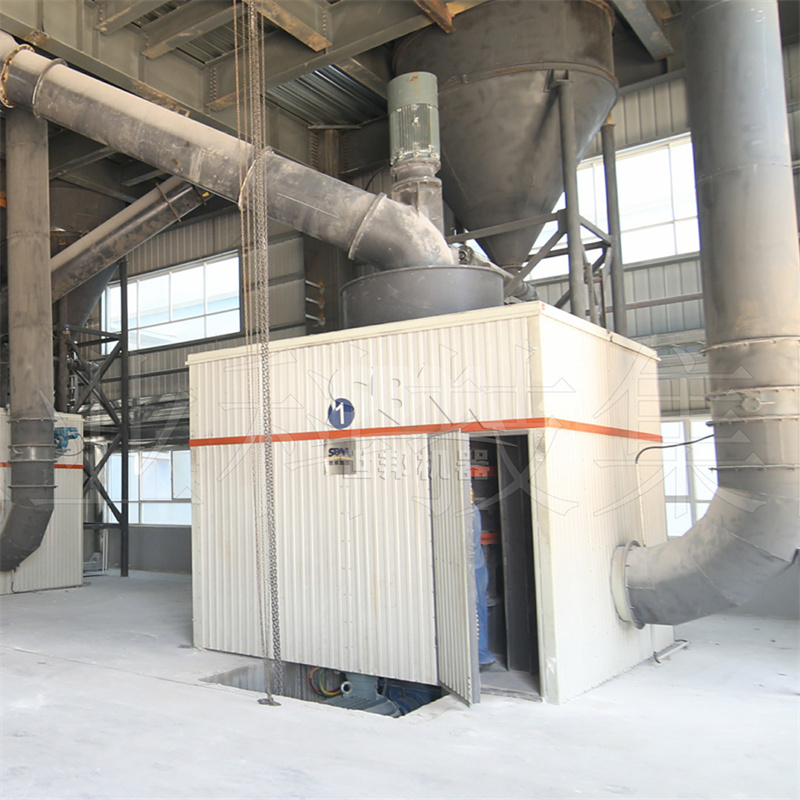
For producers demanding the highest quality 325 mesh powder with excellent uniformity and high capacity, ultrafine mills are the premier choice. These mills combine high-energy grinding with precision classification in a single, compact system. The SCM Series Ultrafine Mill is specifically designed for this application.
The SCM Series Ultrafine Mill features a vertical turbine classifier that ensures precise particle size cutting, guaranteeing no coarse powder mixing and a uniformly finished product. Its core parameters include an output fineness of 325-2500 mesh and a capacity ranging from 0.5 to 25 tons per hour, depending on the model. The SCM Series offers twice the capacity of a jet mill with 30% lower energy consumption, thanks to its intelligent control system with automatic granularity feedback. For a rigorous 325 mesh activated carbon production line, the SCM1000 (1.0-8.5 t/h, 132kW main power) or the SCM1250 (2.5-14 t/h, 185kW main power) are powerful and dependable options.
For Larger Capacity and Coarser Feed
If your operation requires very high throughput and a wider feed size (up to 50mm), the LM Series Vertical Roller Mill is an outstanding candidate. This integrated system combines crushing, grinding, and selection, reducing floor space by 50% and infrastructure costs by 40%. Its non-contact design between rollers and table extends wear part life by three times and reduces energy consumption by 30-40% compared to ball mill systems. The LM series is ideal for large-scale activated carbon producers prioritizing low operating costs and high reliability.
Case Study: Configuring a 325 Mesh Line with SCM Ultrafine Mill
Consider a mid-sized activated carbon plant aiming for a 5 ton per hour output of 325 mesh powder. A logical configuration would involve:
- Primary Crushing: A hammer mill to reduce the raw activated carbon to a feed size of ≤20mm.
- Grinding: The SCM1250 Ultrafine Mill, which offers a capacity of 2.5-14 t/h, perfectly covering the target throughput.
- Classification: The integrated vertical turbine classifier ensures all product passes the 325 mesh standard.
- Dust Collection: A high-efficiency pulse dust collector ensures an eco-friendly, clean operation.
- Control System: The intelligent PLC system monitors the load and automatically adjusts the feeder and classifier speed to maintain consistent quality.
Conclusion and Recommendations
Choosing the right equipment for 325 mesh activated carbon powder production is a decision that balances technical capability with economic reality. For most applications, ultrafine mills like the SCM Series offer the best combination of efficiency, precision, and product quality. For larger-scale operations with diverse feed materials, the LM Series Vertical Roller Mill provides unbeatable operational cost savings and system integration.
We strongly recommend conducting a material test with our technical team. By analyzing your specific activated carbon feedstock, we can provide a tailored recommendation, whether it is the high-precision SCM series or the high-capacity LM series, ensuring your investment delivers maximum return.