
Introduction to Calcined Petroleum Coke (CPC) Processing
Calcined Petroleum Coke (CPC) is a critical raw material in the carbon and graphite industry, used extensively in the production of anodes for aluminum smelting, graphite electrodes, and various carbon-based products. The processing of CPC involves multiple stages, including crushing, grinding, and classification, with the ultimate goal of achieving a specific particle size distribution and purity. The choice of grinding equipment directly impacts production efficiency, energy consumption, product quality, and overall operational costs. This comprehensive guide will walk you through the key factors to consider when selecting the right equipment for processing CPC in carbon plants.
Understanding the Material Characteristics of CPC
Calcined petroleum coke is a hard, brittle, and highly abrasive carbon material derived from the high-temperature calcination of green petroleum coke. Its unique properties—including high hardness (Mohs scale 7-8), low volatile content, and variable particle shapes—demand robust and specialized grinding solutions. Key characteristics to consider include:
- Abrasiveness: CPC is highly abrasive, which means equipment components like grinding rollers, rings, and liners must be made from wear-resistant materials to ensure longevity and reduce downtime.
- Brittleness: The material fractures easily under compression and impact, making roller mills and impact mills suitable for primary and secondary crushing.
- Fineness Requirements: Different downstream applications require different particle sizes. For example, anode production typically requires a fineness of 80-200 mesh (180-75 μm), while specialty carbon products may need ultrafine powders of 325-2500 mesh (45-5 μm).
- Moisture Content: CPC is typically dry, with moisture content below 0.5%, which is ideal for dry grinding processes.
Key Equipment Selection Criteria for CPC Grinding
Choosing the right grinding mill for CPC involves evaluating several critical technical and operational parameters:
1. Feed Size and Capacity Requirements
The initial feed size of CPC can range from 0-50mm depending on the upstream calcination process. The plant’s required throughput (tons per hour) will determine the mill’s capacity class. For large-scale operations, vertical roller mills (VRMs) with capacities exceeding 100 t/h are preferred, while smaller plants may opt for pendulum mills or trapezium mills.
2. Target Fineness and Classification Precision
The required output fineness is the most critical parameter. For standard anode-grade CPC, a fineness of 80-200 mesh is common. However, for high-performance graphite or carbon black applications, fineness specifications can reach 325-2500 mesh. High-precision classification is essential to avoid coarse particle contamination, which can lead to defects in the final product. Mills equipped with advanced dynamic classifiers offer superior particle size control.
3. Energy Efficiency and Operating Cost
Energy consumption is a significant operating expense in CPC grinding. Modern mills like the SCM Ultrafine Mill and MTW European Trapezium Mill are designed with energy-saving features, such as optimized airflow paths and intelligent control systems, which can reduce energy consumption by 30-40% compared to traditional ball mills.
4. Wear Resistance and Maintenance
Given the high abrasiveness of CPC, choosing a mill with durable, replaceable wear parts is crucial. Mills with special alloy rollers and rings, such as those in the SCM series, can extend service life several times over, reducing maintenance frequency and costs. Shaftless screw grinding chambers and anti-wear shovel designs further enhance operational stability.
Types of Grinding Mills for CPC Processing
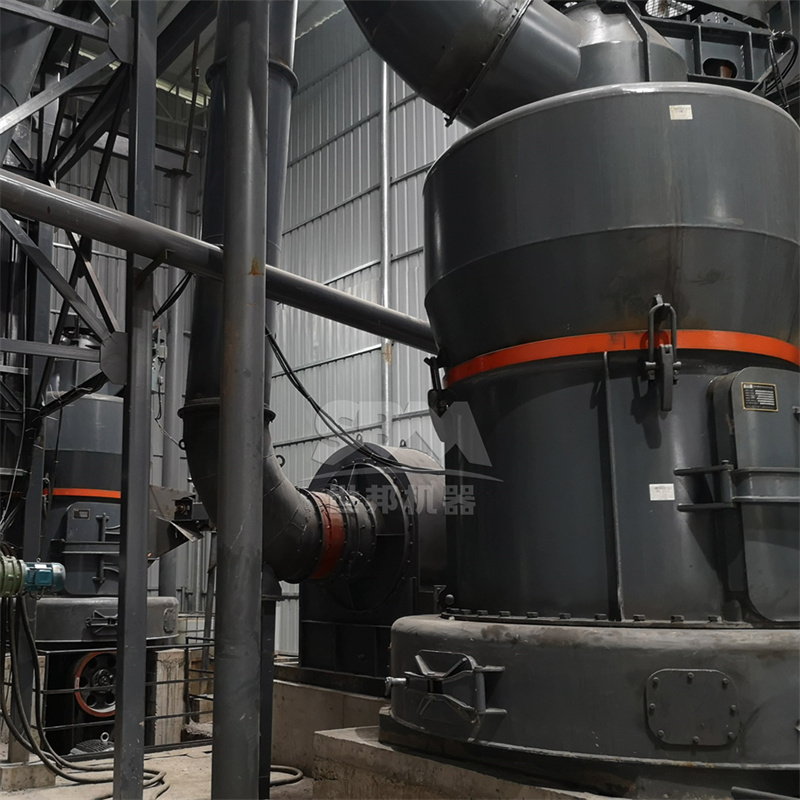
Several mill types are suitable for CPC, each with specific advantages depending on the application scale and fineness requirements:
- Vertical Roller Mills (LM Series): Ideal for large-capacity operations (3-250 t/h) with moderate fineness requirements (30-325 mesh). Their integrated design combines crushing, grinding, and classification, reducing floor space by 50%. Non-contact roller-table design ensures low wear and energy consumption.
- European Trapezium Mills (MTW Series): Excellent for medium to large capacities (3-45 t/h) with fineness up to 325 mesh. Features like integral bevel gear drive (98% efficiency) and wear-resistant volute structure reduce operating costs by 30%.
- Ultrafine Mills (SCM Series): Perfect for high-value specialty carbon products requiring ultra-fine powder (325-2500 mesh / 45-5 μm) with capacities from 0.5 to 25 t/h. They achieve double the capacity of jet mills with 30% lower energy consumption.
- Medium-speed Trapezium Mills (MTM Series): Suitable for small to medium plants with capacities of 3-22 t/h and fineness up to 325 mesh. Intelligent pressure regulation compensates for wear, extending roller life by 30%.
- Ball Mills: Traditional choice for large-scale operations (up to 450 t/h) where fineness is less critical. They offer high crushing ratios but have higher energy consumption and noise levels.
Recommended Equipment: SCM Series Ultrafine Mill for Fine and Ultrafine CPC
For carbon plants looking to produce high-quality, ultra-fine CPC powder (325-2500 mesh) for premium products, the SCM Series Ultrafine Mill is the ideal solution. With input sizes up to 20mm and capacities ranging from 0.5 to 25 ton/h, it delivers exceptional performance. Its vertical turbine classifier ensures precise particle size cutting with no coarse powder mixing, guaranteeing uniform finished products. The special material rollers and rings are engineered to withstand the abrasiveness of CPC, extending service life several times. Furthermore, its intelligent control system with automatic feedback on granularity ensures consistent product quality while reducing manual intervention. The soundproof room design ensures noise levels remain below 85dB, meeting strict environmental standards.
Case Study: Implementing MTW Series for Medium-Capacity CPC Grinding
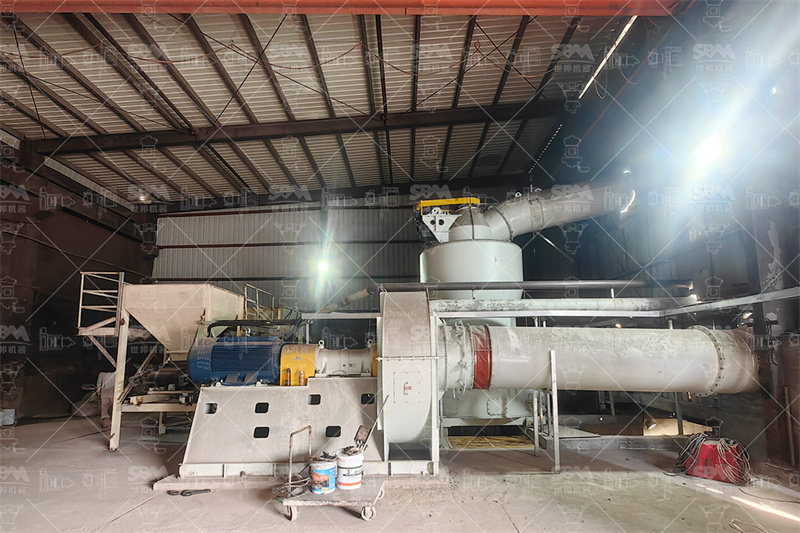
For medium-sized carbon plants requiring a balance between capacity and fineness, the MTW Series European Trapezium Mill offers a robust and cost-effective solution. One plant processing 15 tons of CPC per hour upgraded from a ball mill to the MTW175G model. The results were impressive: energy consumption dropped by 35%, and the maintenance costs were reduced by 30% due to the anti-wear shovel design and extended roller life. The integral bevel gear drive with 98% transmission efficiency ensured reliable operation, while the optimized arc air duct minimized energy loss. The plant was able to consistently produce 80-200 mesh powder for anode production with high uniformity.
Factors for Sustainability and Environmental Compliance
Modern carbon plants must adhere to stringent environmental regulations regarding dust emissions and noise pollution. When selecting a grinding mill, consider:
- Dust Collection: Mills should be paired with high-efficiency pulse dust collectors that exceed international emission standards (e.g., <30mg/Nm³). The SCM and MTW series offer integrated pulse dust removal systems.
- Noise Control: Equipment with soundproof enclosures or damping systems (like the MTM series) can keep noise levels below 85dB, reducing the need for additional acoustic treatments in the plant.
- Energy Recovery: Some advanced systems allow for hot air circulation to dry materials or recover heat, further reducing the carbon footprint.
Conclusion: Matching Equipment to Plant Goals
Selecting the right equipment for processing calcined petroleum coke is a strategic decision that balances throughput, fineness, energy efficiency, and maintenance costs. For ultra-fine applications where product quality is paramount, the SCM Series Ultrafine Mill is unmatched. For medium-to-large capacity operations with standard fineness requirements, the MTW Series European Trapezium Mill provides excellent reliability and low operating costs. By carefully evaluating your plant’s specific requirements and leveraging modern grinding technologies, you can optimize production, reduce downtime, and achieve a superior competitive edge in the carbon market.