
Introduction
Fly ash, a byproduct of coal combustion in power plants, has become an essential component in the production of high-performance concrete. When processed correctly, fly ash acts as a superior pozzolanic admixture, enhancing concrete workability, reducing heat of hydration, improving long-term strength, and mitigating alkali-silica reaction. However, the quality of fly ash as a concrete admixture is entirely dependent on the processing equipment used. To achieve the desired fineness, uniformity, and reactivity, selecting the right milling and classification technology is critical. This article provides a comprehensive guide on how to choose the appropriate fly ash processing equipment, focusing on key parameters such as fineness requirements, capacity, energy efficiency, and operational reliability.
Understanding Fly Ash Quality Requirements for Concrete
Before diving into equipment selection, it is essential to understand the quality standards for fly ash used in concrete. According to international standards like ASTM C618, fly ash is classified into Class F and Class C. For high-quality concrete admixtures, the following properties are paramount:
- Fineness: The fineness of fly ash directly influences its pozzolanic reactivity. Typically, a residue of less than 34% on a 45-micron (325 mesh) sieve is required for Class F fly ash. For ultra-high-performance concrete (UHPC), fineness down to 5-10 microns may be required.
- Loss on Ignition (LOI): High carbon content (high LOI) can lead to air-entrainment issues and discoloration. Processing equipment must be able to handle and remove or reduce carbon content effectively.
- Uniformity: Consistent particle size distribution is critical for maintaining concrete mix design stability. This requires precise classification systems.
- Moisture Content: Dry processing is essential to prevent clumping and ensure efficient grinding and classification.
Key Factors in Equipment Selection
1. Required Output Fineness
The most critical factor in equipment selection is the target particle size. For standard concrete admixtures, a fineness of 45 microns (325 mesh) is common. However, premium or specialized admixtures may require finer particles, down to 5 microns (2500 mesh).
For Medium Fineness (30-325 mesh / 600-45 μm): This range covers the vast majority of fly ash processing for concrete. Equipment such as the MTW Series European Trapezium Mill and LM Series Vertical Roller Mill are ideal choices.
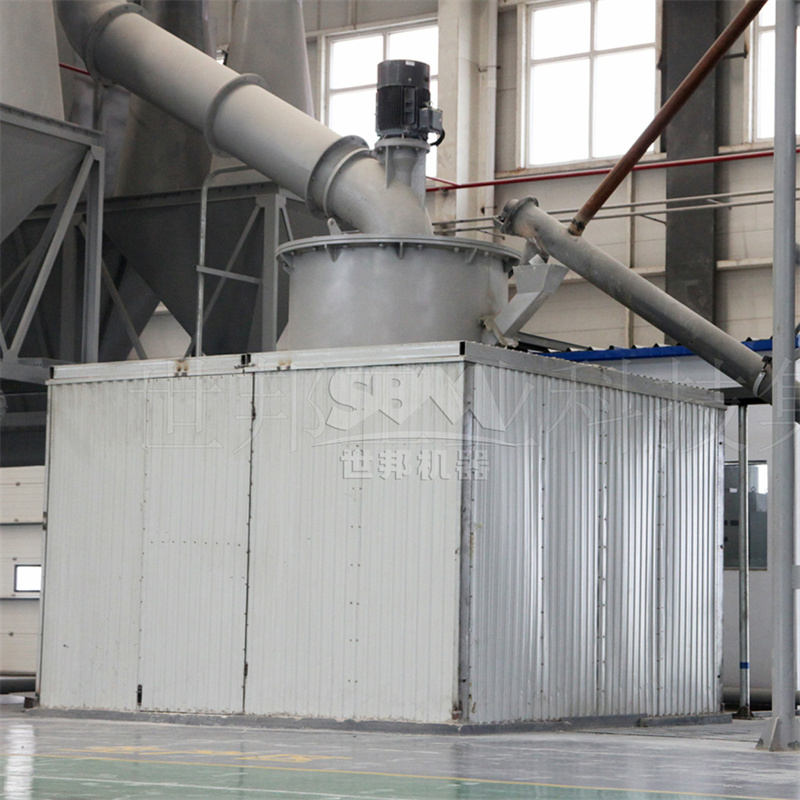
For Ultra-Fine Grinding (325-2500 mesh / 45-5 μm): When producing highly reactive fly ash for UHPC or specialized grouts, an ultra-fine grinding mill is necessary. The SCM Series Ultrafine Mill is specifically designed for this application.
2. Processing Capacity and Production Scale
Your required throughput (tons per hour) will dictate the size and type of mill. Small to medium operations (0.5-25 t/h) may benefit from the flexibility of the SCM or MTM series. Large-scale industrial users (25-250 t/h) will find the LM Series Vertical Roller Mill to be the most efficient, with its integrated design and lower operating costs.
For example, if your plant requires a consistent supply of 45-micron fly ash at 15 tons per hour, the MTW138Z (capacity 6-17 t/h) could be an excellent fit. For a larger plant needing 25 t/h of ultra-fine product, the SCM1680 (capacity 5-25 t/h) or a smaller LM series mill could be deployed.
3. Energy Efficiency and Operating Cost
Fly ash processing can be energy-intensive. Reducing energy consumption directly improves profitability. Modern mills offer significant advantages over traditional ball mills:
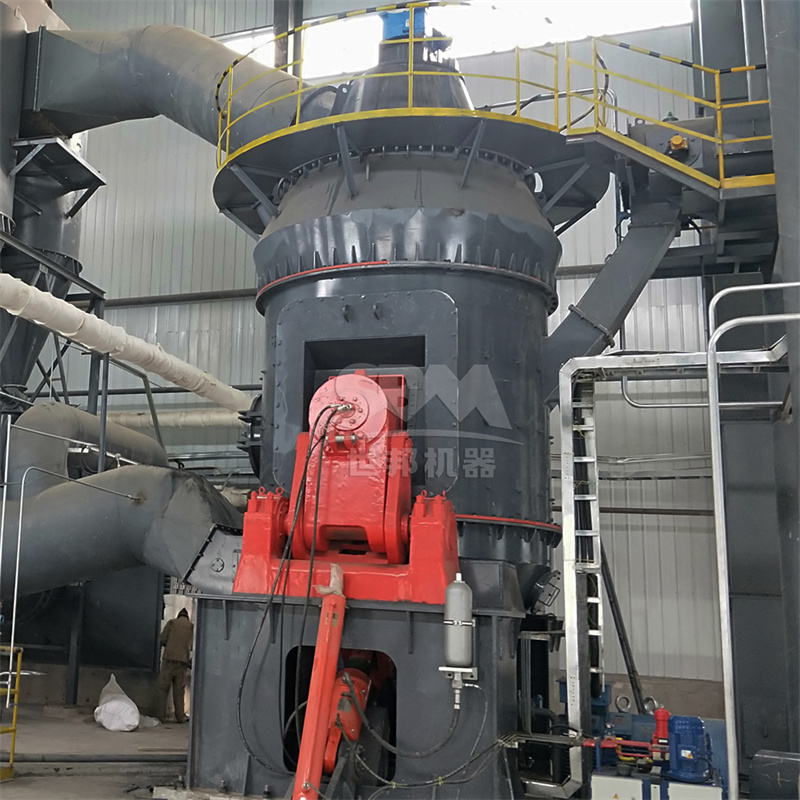
- LM Series Vertical Roller Mill: Consumes 30-40% less energy than a ball mill system. Its non-contact design between rollers and table also extends wear part life by three times, reducing maintenance costs.
- SCM Series Ultrafine Mill: Delivers twice the capacity of jet mills with 30% lower energy consumption, making it a leader in ultra-fine grinding efficiency.
- Intelligent Control: Both the SCM and LM series feature advanced auto-control systems that monitor parameters in real-time and automatically adjust the classifier speed and feed rate to maintain optimal fineness, reducing manual intervention and energy waste.
4. Classification Precision and Uniformity
Uniform particle size distribution is non-negotiable for high-quality concrete. If coarse particles are present, they will not contribute to the pozzolanic reaction and may weaken the concrete matrix.
- SCM Series: Features a vertical turbine classifier that achieves precise particle size cutting, ensuring no coarse powder mixing. This is critical for ultra-fine products.
- LM Series: Utilizes a dynamic classifier with multi-stage adjustment technology, allowing fine-tuning of the finished product size from 170μm down to 40μm with exceptional precision.
5. Environmental Compliance and Ease of Installation
Modern processing plants must meet strict environmental regulations. Both the SCM and LM series are designed with eco-friendliness in mind.
- Dust Control: The SCM series uses pulse dust collection that exceeds international standards. The LM series operates in a fully sealed, negative pressure environment, ensuring zero dust leakage.
- Noise: The SCM series includes a soundproof room design to keep noise levels low.
- Footprint: The LM Series Vertical Roller Mill integrates crushing, grinding, and selection into one unit, reducing floor space by 50% and allowing for outdoor installation, which can cut infrastructure costs by up to 40%.
Recommended Equipment for Your Fly Ash Project
Based on the analysis above, we highly recommend the following two products from our company for processing fly ash into high-quality concrete admixtures:
1. For Medium Fineness & High Capacity (Standard Concrete Admixtures):
LM Series Vertical Roller Mill (600-45μm)
This is the workhorse for large-scale fly ash grinding. Its integrated design, low energy consumption, and high precision make it the most cost-effective solution for producing standard-quality pozzolanic admixtures. With capacities reaching 250 t/h, it is ideal for large cement plants and fly ash processing centers.
2. For Ultra-Fine Finess & Premium Quality Concrete (UHPC & Speciality Admixtures):
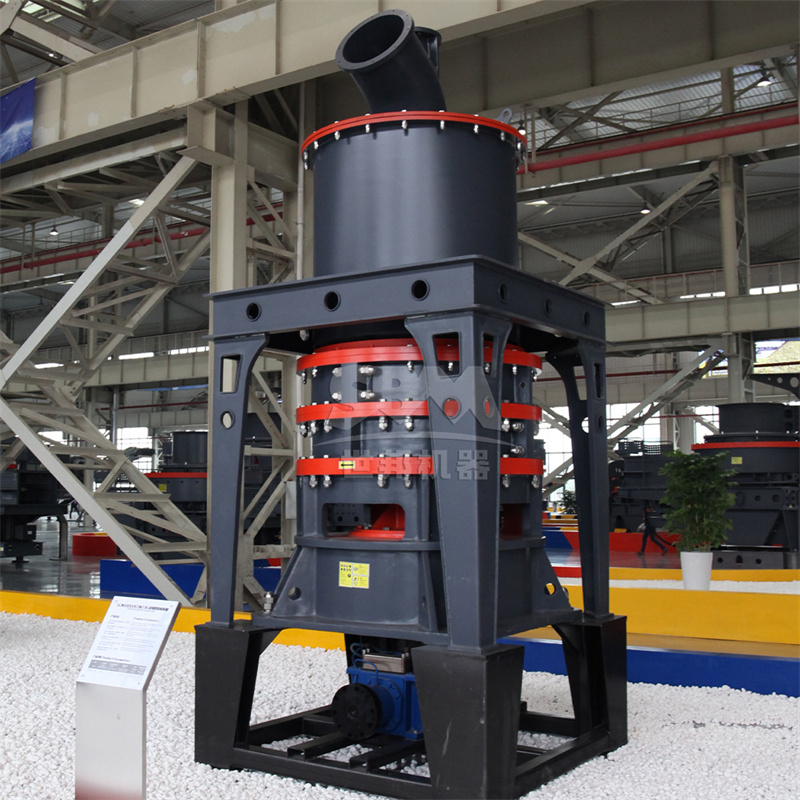
SCM Series Ultrafine Mill (45-5μm)
When you need to produce the highest-grade, most reactive fly ash for high-performance applications, the SCM Series is unmatched. Its energy efficiency, high-precision classification, and durable design ensure a consistent, top-tier product that commands a premium price in the market. Its models, from the SCM800 to the SCM1680, are scalable to match your production goals.
Conclusion
Choosing the right fly ash processing equipment is a strategic decision that impacts product quality, operational costs, and environmental compliance. By carefully evaluating your required fineness, capacity, and energy efficiency goals, you can select the optimal solution. For producers focused on standard concrete markets, the LM Series Vertical Roller Mill offers unbeatable efficiency and capacity. For those looking to enter the high-value market for ultra-high-performance concrete, the SCM Series Ultrafine Mill provides the precision and quality needed. Investing in the right technology ensures that your fly ash admixture will enhance concrete performance, delivering durability and strength for generations.