
Introduction
Gold ore processing is a complex industrial activity that requires careful selection of equipment to maximize recovery efficiency. The choice of machinery directly impacts the liberation of gold particles, the grinding fineness, and ultimately the recovery rate. Whether you are processing free-milling ores, refractory ores, or placer deposits, understanding the relationship between ore characteristics and equipment capabilities is essential. This article provides a comprehensive guide to selecting gold ore processing equipment, focusing on grinding mills, classifiers, and comminution systems.
Understanding Ore Characteristics
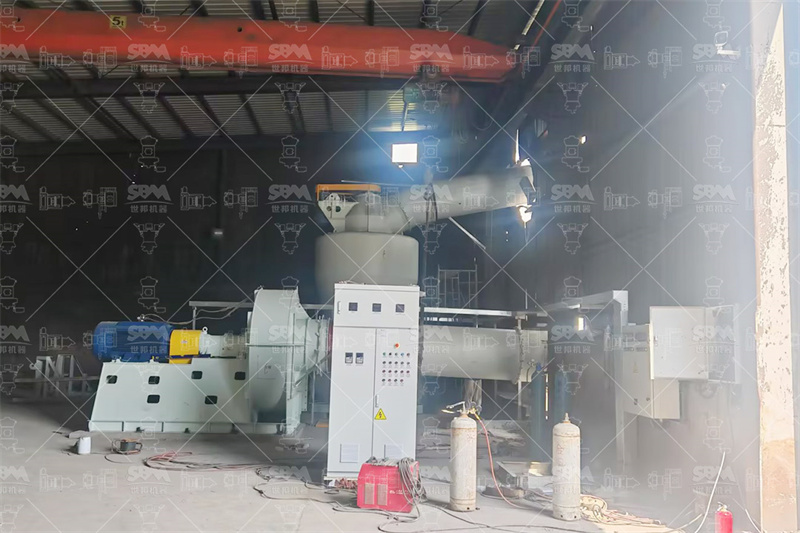
Before selecting equipment, you must analyze the physical and chemical properties of your gold ore. Key parameters include: hardness (measured by Bond Work Index), moisture content, feed size distribution, and gold particle size. For example, ores with a work index below 15 kWh/t may be processed efficiently with medium-speed mills, while harder ores require high-pressure grinding systems.
Primary Crushing and Grinding
The first step in gold ore processing is size reduction. Primary crushers reduce Run-of-Mine (ROM) ore to manageable sizes (typically <50mm). For gold operations, jaw crushers or cone crushers are common choices. However, the critical stage is grinding, where liberation occurs. Ball mills are traditional workhorses, but they consume significant energy. For maximum recovery efficiency, consider high-efficiency grinding mills such as vertical roller mills or ultrafine mills.
Selecting Grinding Mills for Gold Recovery
Grinding mills determine the particle size distribution of the feed to downstream processes like cyanidation or flotation. Coarser grinding may leave gold locked in gangue, while over-grinding leads to slimes that consume reagents and reduce recovery. The ideal fineness depends on the ore type. For free-milling gold, 80% passing 75 microns is common. For refractory ores, finer grinding below 45 microns may be necessary.
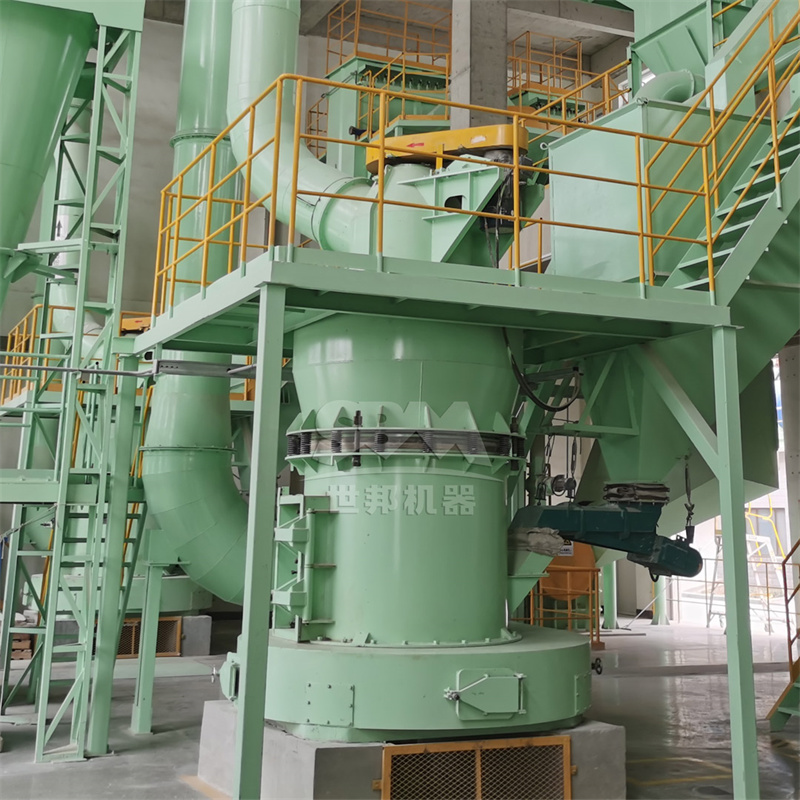
Recommended Product: MTW Series European Trapezium Mill
For medium to large-scale gold operations requiring fineness between 30-325 mesh (600-45μm), the MTW Series European Trapezium Mill is an excellent choice. Its anti-wear shovel design and optimized arc air duct reduce maintenance costs by 30% while improving transmission efficiency. The integral bevel gear drive achieves 98% efficiency, saving energy costs. Models like the MTW215G can process 15-45 t/h with feed sizes up to 50mm, making it suitable for secondary grinding after primary crushing. This mill is particularly effective for gold ores where a consistent product fineness is required for optimal cyanide leaching.
Ultrafine Grinding for Maximum Liberation
For refractory gold ores where gold is encapsulated in sulfides or silicates, ultrafine grinding (UFG) is essential. Grinding to 10-20 microns liberates locked gold particles, making them accessible to leaching agents. High-energy ball mills or vertical stirred mills can achieve this, but they require significant power. The SCM Series Ultrafine Mill offers a capacity 2x that of jet mills with 30% lower energy consumption. Its output fineness ranges from 325 to 2500 mesh (45-5μm), with intelligent control that automatically adjusts finished product granularity. Models like the SCM1680, with a capacity of 5.0-25 t/h, are ideal for large-scale ultrafine grinding applications. The vertical turbine classifier ensures no coarse powder mixing, which is critical for consistent leaching performance.
Classification and Sieving
After grinding, classification ensures that only properly sized particles enter the recovery circuit. Hydrocyclones are standard for closed-circuit grinding, but they can suffer from poor cut size control. Vertical classifiers or high-frequency screens provide better separation efficiency. In ultrafine grinding applications, air classifiers from the mill system itself (like the dynamic classifier in the SCM mill) eliminate the need for additional equipment, simplifying the circuit.
Leaching and Recovery Enhancement
Grinding fineness directly affects leaching kinetics. For cyanidation, finer particles increase surface area and accelerate gold dissolution. However, excessive fines can increase pulp viscosity and oxygen transfer resistance. The optimal particle size is typically 80% passing 75μm for free-milling ores, but for carbon-in-pulp (CIP) circuits, slightly coarser feed (80% passing 100μm) may reduce carbon abrasion. The MTW mill’s adjustable fineness makes it easy to optimize this parameter.
Energy Efficiency and Operating Costs
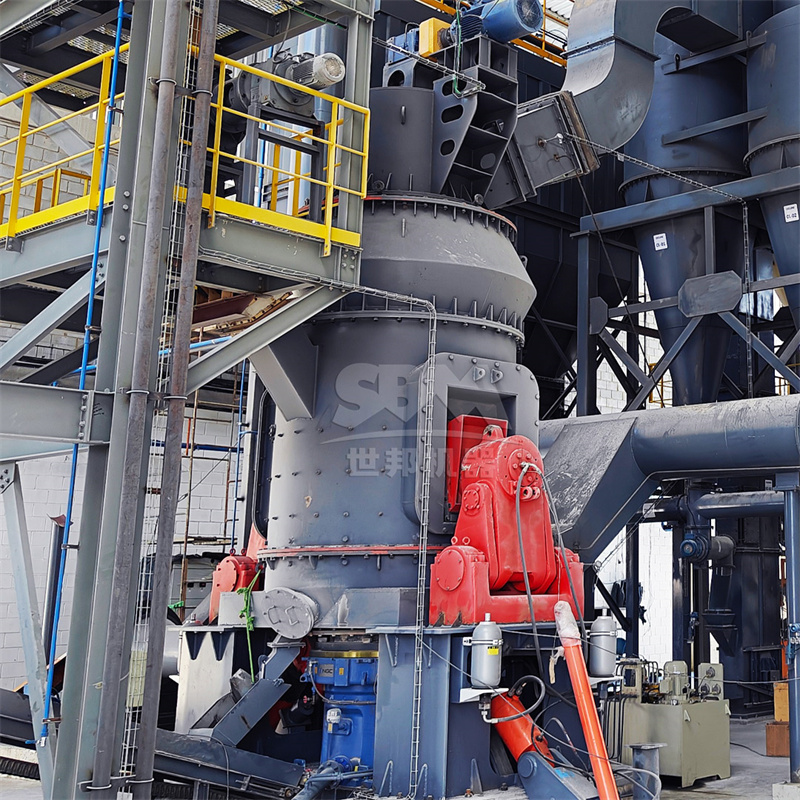
Energy constitutes 30-50% of gold processing costs. Selecting energy-efficient mills significantly improves project economics. The LM Series Vertical Roller Mill, with its integrated design, reduces floor space by 50% and infrastructure costs by 40%. Its non-contact roller-table design extends wear part life by three times compared to ball mills. With 30-40% lower energy consumption than ball mill systems, it is a top choice for large gold mines. Models like the LM220K process 36-105 t/h with a fineness of 170-45μm, ideal for gold ore grinding.
Environmental Considerations
Modern gold processing must comply with strict environmental regulations. Dust emissions and noise levels are critical. The SCM Mill features pulse dust collection efficiency exceeding international standards, with soundproof room design keeping noise below 85dB. Similarly, the LM mill operates in fully sealed negative pressure, ensuring zero dust leakage. These features reduce the need for additional environmental control equipment.
Matching Equipment to Ore Type
- Free-milling gold ore: MTW or MTM medium-speed mills with fineness 80% passing 75μm.
- Refractory sulfide ore: SCM ultrafine mill grinding to d80 20μm followed by oxygenated leaching.
- Placer gold: Hammer mill for primary crushing, then ball mill for fine grinding.
- High-tonnage operations: LM vertical roller mill for capacities over 100 t/h.
Automation and Process Control
Intelligent control systems improve recovery by maintaining consistent grinding conditions. The SCM mill’s automatic finished product granularity feedback adjusts mill parameters in real-time. The LM mill’s expert-level auto-control system supports remote monitoring, reducing manual intervention. These features minimize human error and ensure stable operation, which is essential for maximizing gold recovery.
Conclusion: Making the Right Choice
Choosing the right gold ore processing equipment requires balancing ore characteristics, target recovery rate, capital cost, and operating expenses. For maximum recovery efficiency, prioritize mills that offer precise particle size control, low energy consumption, and high reliability. The SCM Series Ultrafine Mill delivers exceptional liberation for refractory ores, while the MTW Series European Trapezium Mill provides cost-effective grinding for conventional ores. Both incorporate advanced technology to minimize downtime and maximize throughput. Always conduct pilot tests with your specific ore to validate equipment performance before full-scale implementation. With the right equipment, you can achieve gold recovery rates exceeding 95% while keeping energy costs under control.