
Introduction
Granite, known for its hardness, durability, and aesthetic appeal, is a highly sought-after material in the construction, countertop, and decorative industries. Processing granite into fine powder requires specialized equipment that can handle the material’s abrasive nature while delivering consistent particle sizes. Selecting the right granite powder production equipment for your grinding mill plant is a critical decision that impacts operational efficiency, product quality, and long-term profitability. This guide will walk you through the key factors to consider, from material properties to technical specifications, helping you make an informed choice.
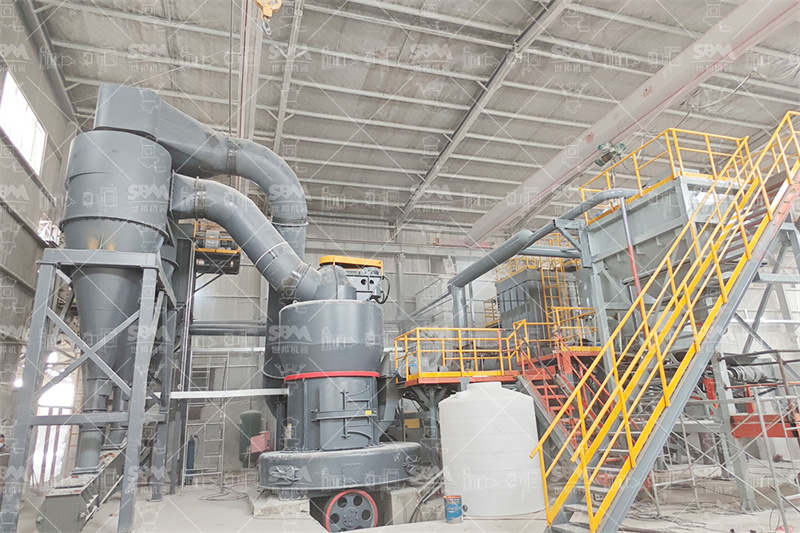
Understanding Granite Properties and Grinding Requirements
Granite is an igneous rock primarily composed of quartz, feldspar, and mica. Its Mohs hardness ranges between 6 and 7, making it significantly harder than limestone or marble. This hardness poses challenges for grinding equipment, including increased wear on grinding parts and higher energy consumption. Additionally, granite has a silica content that can reach up to 70%, which accelerates abrasion. Therefore, equipment designed for granite must feature wear-resistant materials and robust construction to ensure longevity.
The required output fineness is another crucial consideration. Granite powder applications vary widely: construction fillers may only need a fineness of 100-200 mesh (149-74 μm), while high-end industrial uses like paints, plastics, or paper coatings demand ultrafine powders of 800-1250 mesh (15-10 μm) or even finer. Your choice of equipment must align with the target particle size distribution.
Key Factors to Consider When Selecting Equipment
Choosing the right machinery involves evaluating several technical and operational parameters:
1. Production Capacity
Your required throughput, measured in tons per hour (t/h), is the starting point. Small-scale operations might need 1-5 t/h, while large industrial plants can require 20 t/h or more. Equipment models come with different capacity ranges, so matching the machine to your production goals is essential to avoid bottlenecks or underutilization.
2. Feed Size
The maximum size of raw granite chunks entering the mill affects the choice of crusher and grinder. Primary crushers can reduce rocks to 20-50 mm, which is suitable for most grinding mills. Ensure your equipment can handle the largest feed particles without clogging or excessive wear.
3. Output Fineness
As mentioned, fineness requirements dictate the mill type. For coarse to medium powders (30-325 mesh), European trapezium mills or vertical roller mills are ideal. For ultrafine powders (325-2500 mesh), specialized ultrafine mills are necessary. The classification system’s precision also determines whether the final product meets quality standards without coarse contamination.
4. Energy Efficiency
Grinding is energy-intensive, often accounting for a major portion of operating costs. Equipment with lower specific energy consumption (kWh per ton) can significantly reduce your electricity bills. Look for features like intelligent control systems that optimize power use based on load conditions.
5. Wear Life and Maintenance
Given granite’s abrasiveness, wear parts such as rollers, rings, and liners must be made from high-chrome or manganese steel. Easy-access designs and modular assemblies can reduce downtime during replacement. Some advanced mills feature automatic lubrication systems to extend component life.
6. Environmental and Noise Compliance
Modern grinding plants must adhere to strict dust emission and noise regulations. Equipment with integrated pulse dust collectors and soundproofing measures helps you meet environmental standards while protecting worker health.
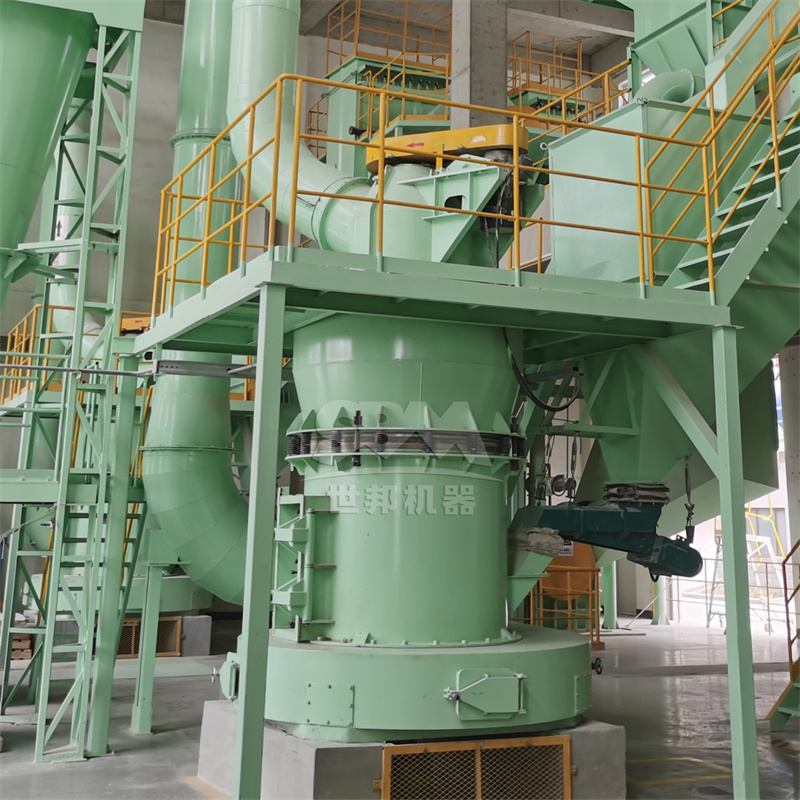
Types of Equipment for Granite Powder Production
Based on your requirements, you can choose from several mill types, each offering distinct advantages:
European Trapezium Mill (MTW Series)
This is a workhorse for medium-fineness granite grinding, handling feed sizes up to 50 mm and producing powders from 30 to 325 mesh. Its integral bevel gear drive achieves up to 98% transmission efficiency, while the anti-wear shovel design reduces maintenance costs. For plants needing capacities from 3 to 45 t/h, this series provides a reliable balance of performance and economy. A standout model is the MTW215G, capable of 15-45 t/h with a main power of 280 kW, ideal for large-scale operations.
Ultrafine Mill (SCM Series)
For applications requiring ultra-fine granite powder (325-2500 mesh), the SCM series is the optimal choice. It operates with 30% lower energy consumption compared to jet mills while achieving double the capacity. The vertical turbine classifier ensures precise particle size cutting without coarse powder mixing. Models like the SCM1680 offer capacities up to 25 t/h, making them suitable for high-demand ultrafine production lines.
Vertical Roller Mill (LM Series)
The LM vertical roller mill is an integrated solution that combines crushing, grinding, and classification, reducing floor space by up to 50%. Its bed grinding principle results in 30-40% lower energy consumption than ball mill systems. With capacities ranging from 3 to 250 t/h, it’s highly scalable. The modular grinding roller assembly allows for quick replacement, minimizing downtime.
Case Study: Optimizing a Granite Powder Plant
Consider a plant producing 10 t/h of granite powder with 90% passing 325 mesh. Using an MTW138Z trapezium mill (capacity 6-17 t/h, power 90 kW) in the primary stage and an SCM1000 ultrafine mill (capacity 1.0-8.5 t/h, power 132 kW) for secondary grinding could achieve the target efficiently. Pairing these mills with a hammer mill for pre-crushing (like the PC4012-90 with 15-40 t/h capacity) ensures optimal feed size uniformity. Such a configuration balances throughput and energy use while maintaining product quality.
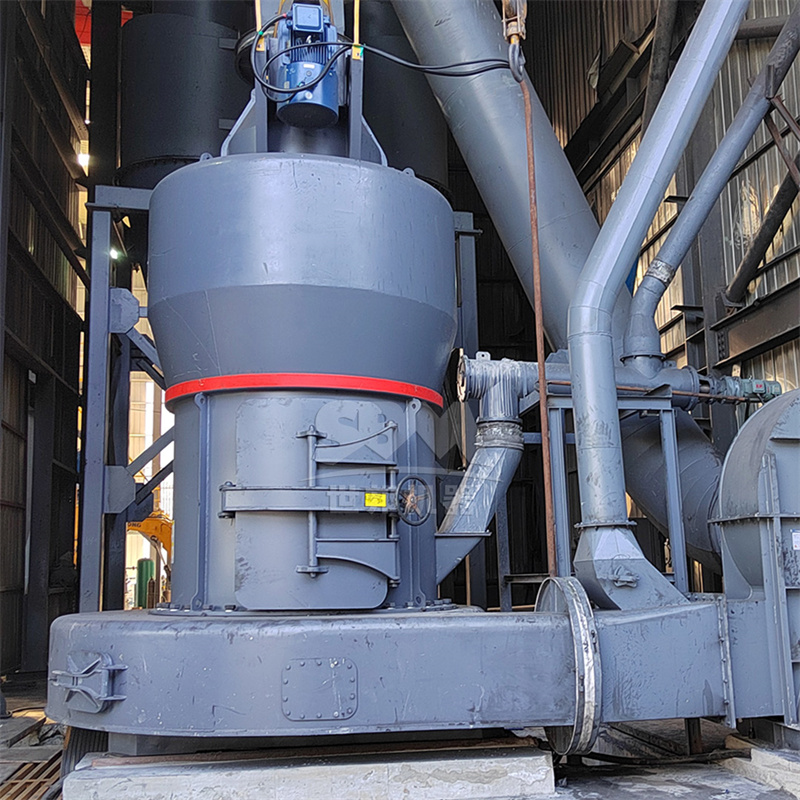
Recommendations for Your Plant
Based on your specific needs—whether prioritizing ultrafine fineness, high capacity, or energy efficiency—we recommend the following products from our portfolio:
For Ultrafine Granite Powder (325-2500 mesh): Consider the SCM Series Ultrafine Mill. Its intelligent control system automatically adjusts to material hardness, ensuring consistent output. The SCM1000 model, with a capacity of 1.0-8.5 t/h and main power of 132 kW, is particularly well-suited for mid-scale operations seeking premium fine powders. Its durable rollers and rings, made from special materials, withstand granite’s abrasiveness for extended service life.
For High-Capacity Medium-Fineness Production: The MTW Series European Trapezium Mill is an excellent choice. The MTW215G model handles feed sizes up to 50 mm and delivers 15-45 t/h of 10-325 mesh powder. Its curved shovel design and wear-resistant volute structure reduce maintenance costs by 30%, while the pulse dust removal system keeps emissions within environmental standards.
Both series are backed by patented technologies and proven in granite processing applications worldwide. Our team can provide tailored configurations based on your raw material analysis and production targets.
Conclusion
Selecting the right granite powder production equipment requires a thorough analysis of material properties, desired fineness, capacity, and operational costs. By understanding the strengths of different mill types and matching them to your specific requirements, you can build a grinding plant that maximizes efficiency and product quality. Whether you opt for an ultrafine mill for premium powders or a trapezium mill for high-volume production, investing in quality equipment designed for granite’s challenges will yield long-term returns. We invite you to consult our technical experts to explore the best solution for your grinding mill plant.