
Understanding the Role of Limestone Powder in Soil Management
Agricultural productivity and environmental sustainability are increasingly dependent on advanced soil management techniques. Among the most effective amendments is limestone powder, which neutralizes soil acidity, supplies essential calcium and magnesium, and improves overall soil structure. However, the efficacy of this amendment is directly tied to its particle size distribution and fineness. Finely ground limestone reacts more rapidly with acidic soils because of its increased specific surface area, leading to faster pH correction and nutrient availability. This is why the selection of the right grinding equipment is not merely a logistical decision but a fundamental agricultural one. For large-scale soil improvement projects, whether for farmland reclamation or commercial crop production, investing in efficient size reduction technology ensures that the powder meets the precise agronomic specifications required for optimal results.
Key Criteria for Selecting Grinding Equipment
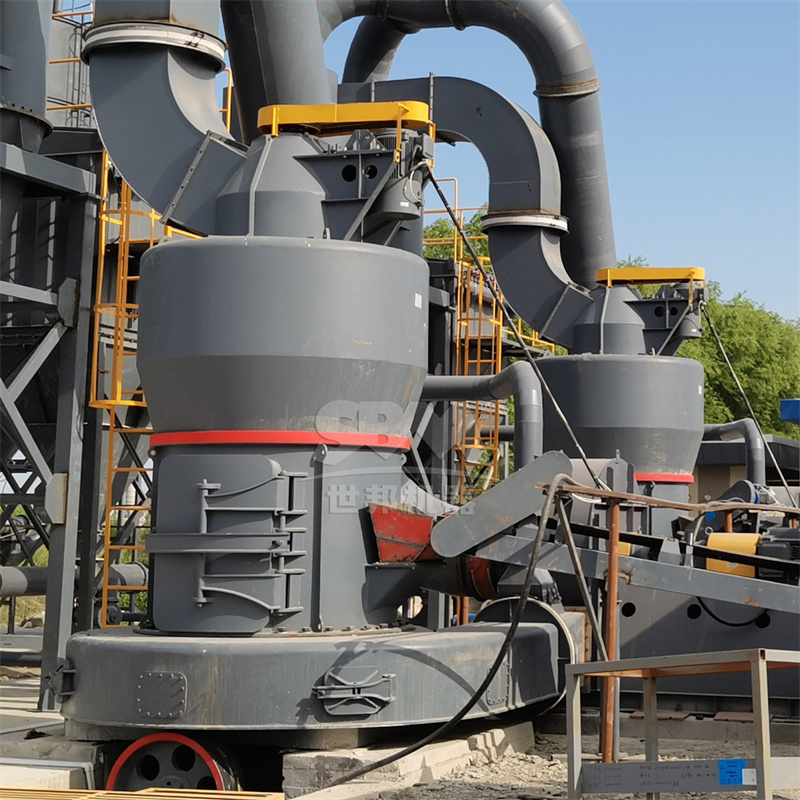
Choosing the correct machinery for producing agricultural limestone involves a multi-faceted evaluation that goes beyond just capacity. The first critical factor is the target fineness. For effective and swift soil neutralization, a particle size of 0.1mm to 0.5mm is often adequate, but for premium products, a finer mesh (e.g., 80-200 mesh) is preferred to ensure rapid dissolution. The second factor is the feed material size; the equipment must be able to handle the raw limestone rock or pre-crushed material efficiently. Thirdly, throughput capacity must align with the scale of the agricultural operation, which can range from small co-ops to massive commercial enterprises. Finally, operational costs, energy consumption, and maintenance downtime are crucial profitability determinants. Ignoring these parameters can lead to machinery that is either too coarse in output, excessively energy-hungry, or unable to meet the production deadlines of the planting season.
Technological Options for Limestone Grinding
The market offers several distinct grinding technologies, each with specific strengths. Traditional ball mills are known for their ruggedness and ability to handle large throughputs, but they often come with high energy consumption and significant noise levels. Pendulum mills, such as the MRN series, offer a balance of efficiency and fineness. However, for operations that require extremely fine powders for specialized soil amendments or rapid-response applications, the roller mill technology, specifically the Vertical Roller Mill (VRM) and the Ultrafine Grinding Mill, stands out. These machines utilize a bed grinding principle, which consumes 30-40% less energy than tumbling mills. This efficiency is critical in agricultural operations where profit margins are often tight and energy costs are a dominant variable. Furthermore, the ability to adjust fineness on the fly via a dynamic classifier ensures that the product can be tailored to specific soil test recommendations.
Case Study: The SCM Series Ultrafine Mill
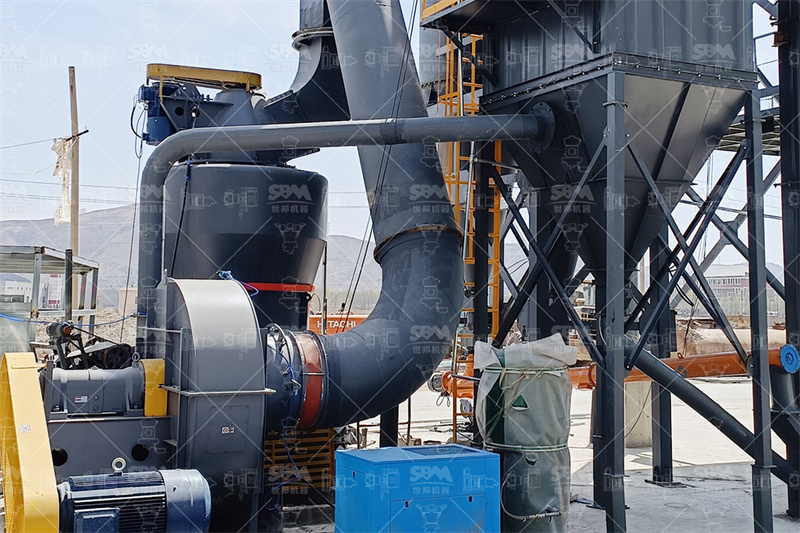
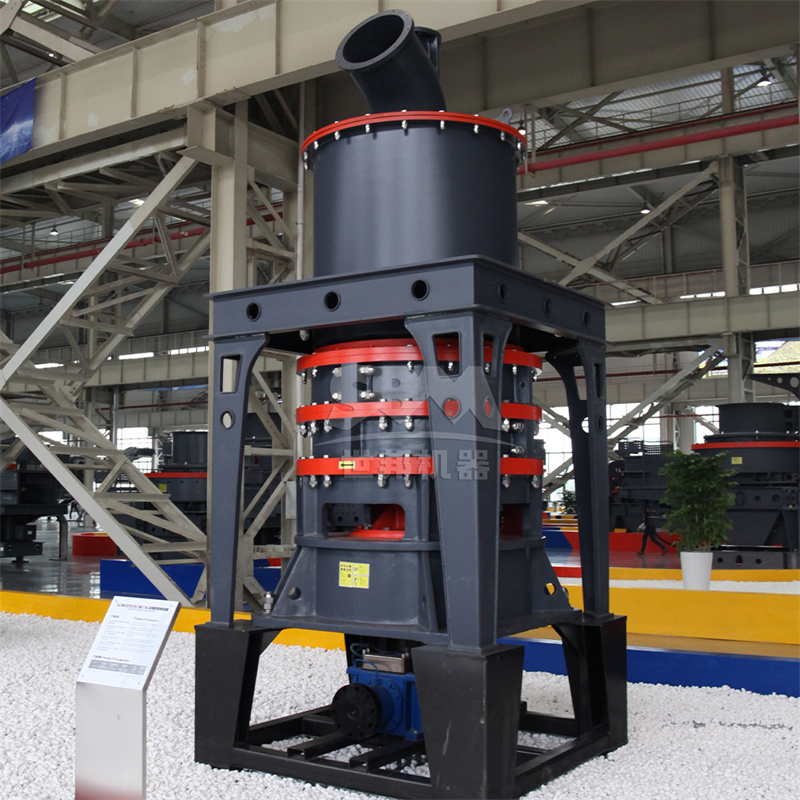
For operations aiming to produce premium-grade limestone powder with a fineness range of 325-2500 mesh, the SCM Series Ultrafine Mill presents an exceptional solution. This equipment bridges the gap between standard agricultural lime and high-value micronized products. The technical advantage of this mill lies in its high-precision vertical turbine classifier, which guarantees the complete absence of coarse powder mixing, ensuring a uniform particle size distribution that is crucial for consistent soil treatment. From an efficiency standpoint, the SCM series boasts a capacity that is double that of jet mills while consuming 30% less energy. This is achieved through its unique three-layer grinding ring design and specialized roller materials that extend service life significantly. For a soil improvement business, this translates to lower operational costs per ton of output and reduced maintenance frequency, ensuring that the machinery remains operational during critical pre-planting periods.
We specifically recommend the SCM1250 model for mid-to-large scale agricultural operations. With a capacity ranging from 2.5 to 14 tons per hour and a feed size of up to 20mm, it can efficiently process pre-crushed limestone. The main power of 185kW ensures high torque and stable operation, even with harder limestone variants. Alternatively, for smaller operations or specialty producers, the SCM900 model offers 0.8 to 6.5 tons per hour capacity with a 90kW main power, providing a lower capital entry point without sacrificing the high fineness and classification accuracy that the SCM series is known for. The intelligent control system with automatic granularity feedback ensures that the production process is optimized continuously, eliminating the need for constant manual oversight and reducing labor costs.
Durability and Environmental Compliance
In the agricultural sector, equipment is often subjected to dusty environments and continuous operation. The SCM Series is engineered with this in mind. The shaftless screw grinding chamber ensures stable operation without the risk of material clogging, which is a common issue in traditional mills. Furthermore, the environmental footprint is a growing concern for modern agribusinesses. The SCM mill incorporates pulse dust collection efficiency that exceeds international standards, alongside a soundproof room design. This ensures that strict environmental regulations regarding particulate matter and noise are met, protecting the operator’s health and ensuring compliance with environmental laws. This ‘eco-friendly’ design is not a luxury but a necessity for securing permits and maintaining a responsible public image in rural areas where farming communities are located.
Making the Final Decision
Selecting the right limestone powder production equipment requires a site-specific analysis. If the objective is to produce standard agricultural lime (30-80 mesh) in massive volumes, the MTW European Trapezium Mill or LM Vertical Roller Mill with capacities up to 250 tons per hour would be suitable. However, if the goal is product differentiation through high-fineness powder, which allows farmers to use lower application rates with faster results, then the SCM Ultrafine Mill is the superior choice. It is essential to consult with engineers who can assess the bond work index of your specific limestone deposit. A soft, chalky limestone may allow for higher throughput on a smaller model, while a hard, crystalline marble will require more power and a robust grinding path. Ultimately, the right choice aligns with your capital budget, the target agronomic soil pH requirements, and your long-term production expansion plans.