
Introduction
In modern steelmaking, the use of limestone slag-forming agents is critical to control slag chemistry, remove impurities, and protect furnace refractories. The quality and consistency of these agents directly impact steel purity, energy consumption, and overall operational efficiency. Choosing the right production equipment for limestone slag-forming agents is therefore a strategic decision that affects both product quality and plant profitability. This article provides a comprehensive guide to evaluating and selecting the most suitable grinding and classification equipment for your steel plant, with a focus on key technical parameters, operational considerations, and long-term cost-effectiveness.
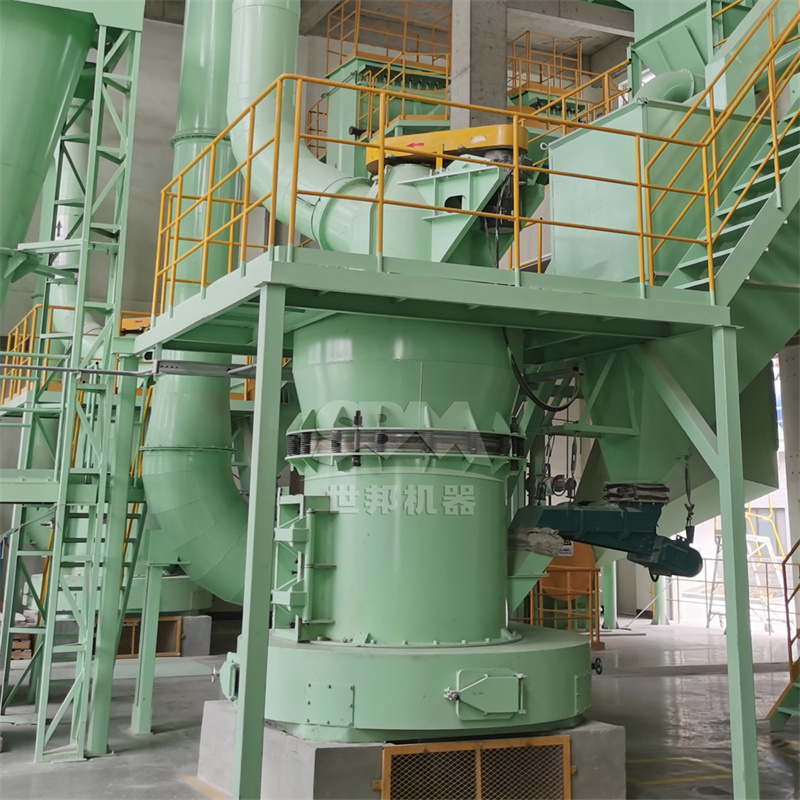
Understanding the Role of Limestone Slag-Forming Agents
Limestone (calcium carbonate) and its derivatives such as quicklime (CaO) and dolomitic lime are widely used in Basic Oxygen Furnaces (BOF), Electric Arc Furnaces (EAF), and ladle metallurgy. The slag-forming agent must have a precise particle size distribution and chemical purity to achieve rapid dissolution, proper basicity, and effective removal of sulfur, phosphorus, and other inclusions. Overly coarse particles lead to slow slag formation and increased refractory wear, while overly fine particles can cause dust losses and handling issues. Therefore, the grinding equipment must deliver consistent fineness with minimal variation.
Key Selection Criteria for Grinding Equipment
When selecting equipment for producing limestone slag-forming agents, several critical factors must be evaluated. These include feed size, desired output fineness, capacity requirements, energy efficiency, wear resistance, maintenance needs, and environmental compliance. Understanding the trade-offs among these factors is essential to make an informed decision.
1. Feed Size and Pre-Crushing Requirements
Raw limestone typically arrives in chunks of 50-100 mm or larger. To optimize grinding efficiency, a primary crusher (such as a hammer mill) may be required to reduce the material to <20-50 mm before feeding into the mill. For example, our Hammer Mill (PC Series) is ideal for pre-crushing limestone to 0-3 mm, with capacities ranging from 8 to 70 t/h. If your existing operation already provides a feed size of ≤20 mm, you can directly use an ultrafine mill or vertical roller mill. Conversely, if feed material is larger (<50 mm), a European trapezium mill or pendulum mill may be more suitable.
2. Output Fineness and Particle Size Distribution
For limestone slag-forming agents, typical fineness requirements are 30-325 mesh (45-600 μm) for conventional uses, but some high-performance applications demand ultrafine powders down to 5-45 μm (325-2500 mesh). The choice of equipment should match your target fineness:
- Coarse to medium (30-325 mesh): MTW European Trapezium Mill, MTM Medium-speed Trapezium Mill, or MRN Pendulum Mill are excellent choices, delivering high capacity and precise classification.
- Fine to ultrafine (325-2500 mesh): SCM Series Ultrafine Mill or LUM Ultrafine Vertical Roller Mill are specifically designed for these applications, with classification accuracy that prevents coarse particle contamination.
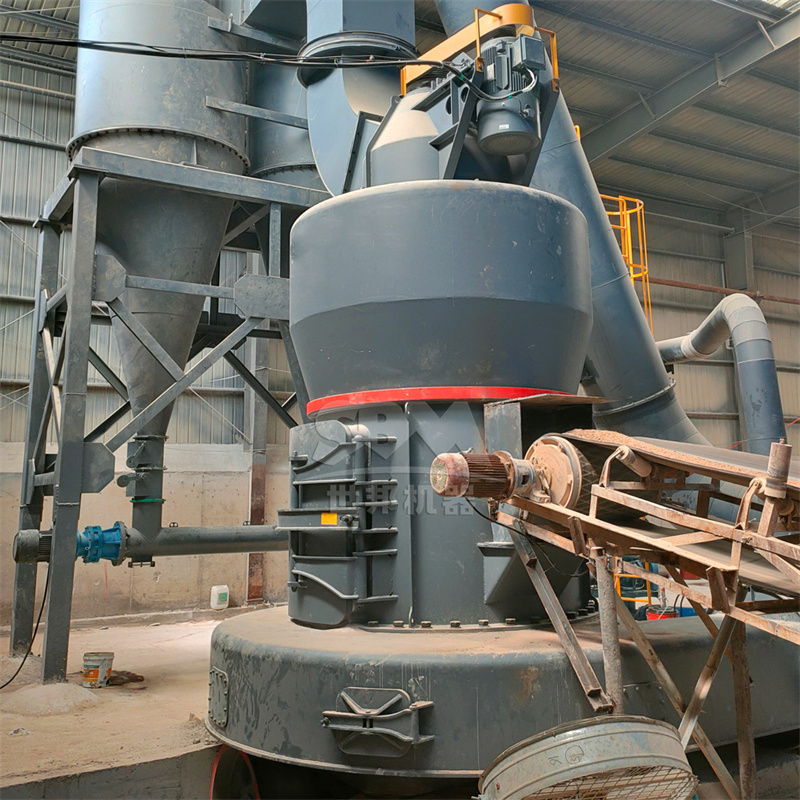
For example, our SCM Series Ultrafine Mill can produce powders from 325 to 2500 mesh (45-5 μm) with a capacity of 0.5-25 t/h, ensuring a uniform particle size distribution, which is crucial for rapid slag formation and consistent steel quality.
3. Capacity and Throughput
Your selected equipment must match the required volumetric output for your steel plant. Calculate the daily or hourly demand for slag-forming agents and then choose a mill accordingly. For instance:
- If you need 3-9 t/h, the MTW110 model can be a perfect fit.
- For 9.5-25 t/h, consider MTW175G or SCM1250.
- For high-capacity demands (up to 45 t/h), MTW215G or LM series vertical roller mills (up to 250 t/h) are available.
Oversizing the mill leads to unnecessary capital and energy costs, while undersizing will create production bottlenecks. Always add a 10-15% capacity buffer to account for variations in raw material hardness and moisture.
4. Energy Efficiency and Operating Cost
Energy consumption is often the highest operational expense in grinding. Technological advancements have led to significant efficiency improvements. For example, our LM Series Vertical Roller Mill uses a bed grinding principle, consuming 30-40% less energy than traditional ball mills. Similarly, the SCM Series Ultrafine Mill claims double the capacity of jet mills with 30% lower energy consumption. When comparing options, look for equipment that offers intelligent control systems to automatically adjust operating parameters, minimizing waste and reducing electricity costs.
5. Wear Resistance and Maintenance Durability
Limestone is moderately abrasive, so the wear life of grinding rollers, rings, and other components is a critical factor. Equipment with specialized wear-resistant materials can significantly reduce maintenance frequency and costs. For instance:
- The MTW Series uses anti-wear shovel blades and curved grinding rollers, extending the service life by 30%.
- The LM Series features non-contact between rollers and table, increasing wear part life by up to 3 times.
- The SCM Series uses special alloy rollers and rings, providing several times longer service life than standard components.
Additionally, consider the design for maintenance convenience. Quick-change modular assemblies and hydraulic systems, such as those in LM-Y pre-grinding mills, can drastically reduce downtime.
6. Environmental Control and Dust Collection
Environmental regulations are tightening globally. Grinding equipment must be equipped with efficient dust collection systems. Pulse jet filters and negative pressure operation are standard in modern mills. Our equipment meets international emission standards, with soundproof enclosures to reduce noise pollution. For example, the SCM Series includes a pulse dust collection system that exceeds standard efficiency, ensuring a cleaner plant environment.
Detailed Equipment Comparison
To assist you in decision-making, here is a brief comparison of the most relevant mill types for limestone slag-forming agent production:
| Mill Type | Feed Size (mm) | Fineness (mesh) | Capacity (t/h) | Best For |
|---|---|---|---|---|
| SCM Ultrafine Mill | ≤20 | 325-2500 | 0.5-25 | Ultrafine powder for high-performance slag |
| MTW European Mill | ≤50 | 30-325 | 3-45 | High-capacity medium to fine grinding |
| LM Vertical Roller Mill | ≤50 | 30-325 (up to 600) | 3-250 | Large-scale operations with low energy |
| MTM Trapezium Mill | ≤35 | 45-325 | 3-22 | Medium capacity, low maintenance |
| Ball Mill | ≤25 | 0.074-0.8mm | 0.65-450 | Wide particle size ranges, wet/dry |
Recommendations from Our Product Range
Based on your specific requirements, we highly recommend the following two products for limestone slag-forming agent production:
1. SCM Series Ultrafine Mill (45-5μm)
For steel plants requiring high-purity, ultra-fine limestone powder to accelerate slag formation and improve steel cleanliness, the SCM Series is unrivaled. With a fineness range of 325-2500 mesh and a capacity of 0.5-25 t/h, this mill ensures precise particle sizing (no coarse mixing) thanks to its vertical turbine classifier. It is also remarkably energy-efficient (30% less energy than jet mills) and features intelligent control with automatic product granularity feedback. The SCM Series is the optimal choice for producing high-value slag conditioners used in ladle metallurgy and specialty steelmaking.
2. MTW Series European Trapezium Mill (600-45μm)
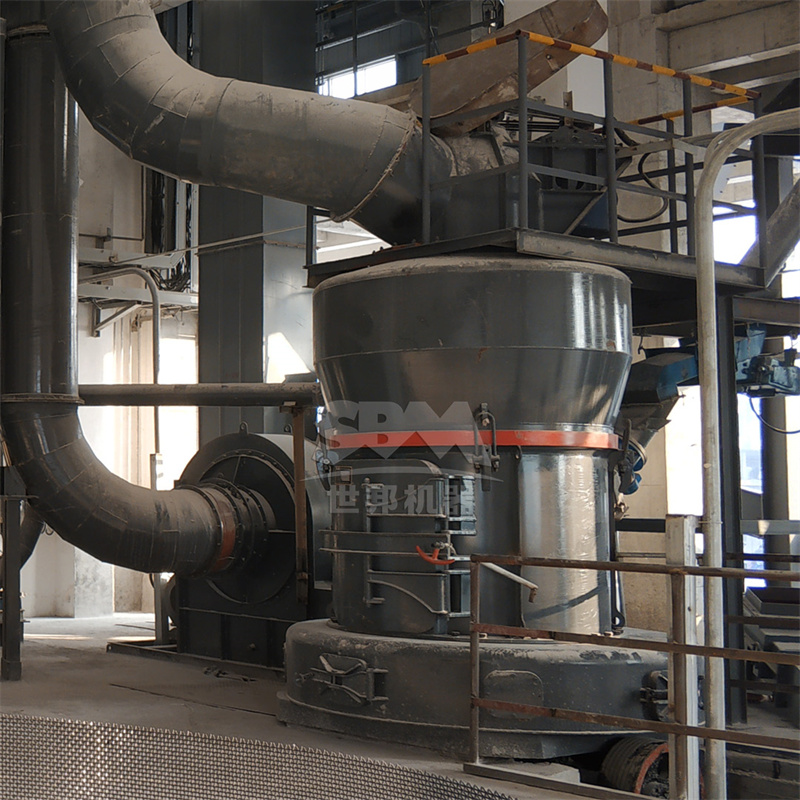
If your plant requires high throughput for conventional BOF or EAF operations, the MTW Series (or its variants MRN Series) offers a robust solution. With capacities reaching up to 45 t/h and a feed size of up to 50mm, the MTW mill simplifies the process flow by eliminating the need for a separate fine crusher. Its patented integral bevel gear drive ensures high transmission efficiency (98%), while the optimized air duct and wear-resistant volute design reduce maintenance costs by 30%. Models like MTW175G and MTW215G are ideal as the main grinding unit in large-scale slag flux plants.
Additional Option: LM Series Vertical Roller Mill
For projects requiring even higher capacities (up to 250 t/h), the LM series is a viable alternative. It integrates drying, grinding, and classification in one unit, reducing floor space by 50%. Its intelligent control system and low energy consumption make it a long-term cost-effective solution for integrated steel plants.
Conclusion
Selecting the right limestone slag-forming agent production equipment involves balancing fineness, capacity, energy, and maintenance costs. Evaluate your raw material characteristics, target product quality, and output demands. The SCM and MTW series from our company represent the pinnacle of modern grinding technology, offering efficiency, durability, and environmental compliance. By partnering with us, you can ensure a reliable supply of high-quality slag-forming agents that will enhance your steelmaking performance and profitability. Contact our engineering team for personalized recommendations and capacity calculations.