
Introduction
Magnesite (MgCO₃) is a critical mineral used in the production of magnesium oxide, refractories, and various industrial applications. As global demand for high-purity magnesia grows, the selection of appropriate grinding equipment becomes paramount. The efficiency of your grinding mill plant directly impacts product quality, operational costs, and environmental compliance. This comprehensive guide explores the key factors to consider when choosing magnesite processing equipment, from feed characteristics to final product specifications.
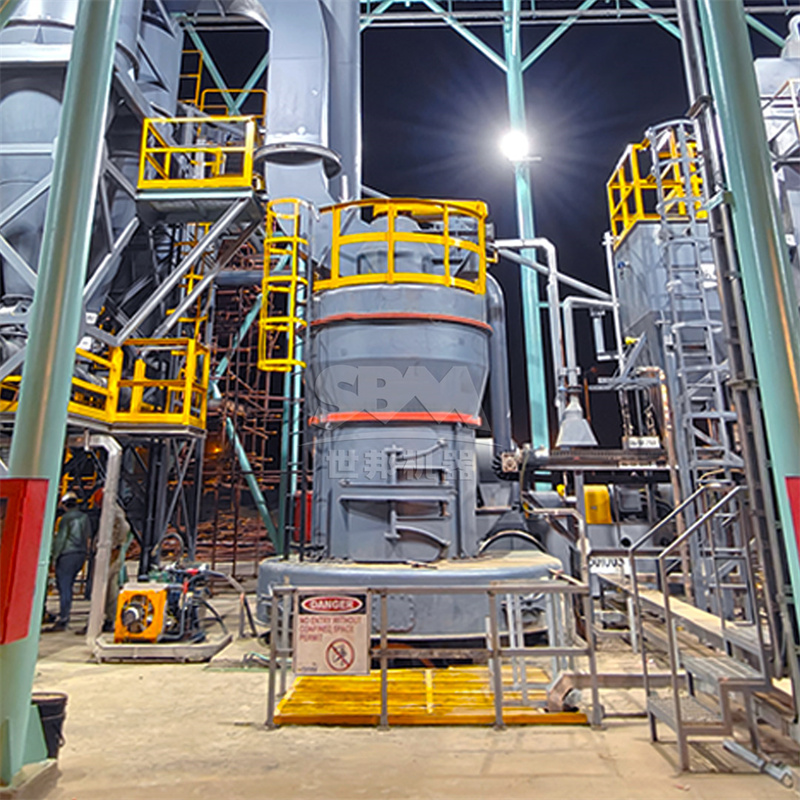
Understanding Magnesite Characteristics
Before selecting equipment, you must understand the specific properties of your magnesite ore:
- Hardness: Magnesite has a Mohs hardness of 3.5-4.5, making it moderately soft but abrasive due to silica content.
- Moisture Content: Raw magnesite can contain 2-8% moisture, requiring consideration for drying during grinding.
- Feed Size: Depending on mining and crushing stages, feed sizes range from 10mm to 50mm.
- Target Fineness: Applications vary from coarse 30 mesh (600μm) for refractories to ultra-fine 2500 mesh (5μm) for high-grade chemical products.
Key Factors in Equipment Selection
1. Capacity Requirements
Determine your required throughput. Small-scale plants (1-5 t/h) have different needs compared to large industrial operations (50-200 t/h). For medium capacities of 3-45 t/h with fineness requirements between 30-325 mesh, the MTW Series European Trapezium Mill offers excellent solutions. Its high transmission efficiency (up to 98%) and optimized arc air duct design reduce energy consumption while maintaining consistent output.
2. Desired Fineness
The target particle size distribution dictates the mill type:
| Fineness Range | Recommended Equipment | Application |
|---|---|---|
| 30-325 mesh (600-45μm) | MTW Series, LM Vertical Mill | Refractory bricks, magnesium compounds |
| 325-2500 mesh (45-5μm) | SCM Ultrafine Mill, LUM Vertical Mill | High-purity magnesia, chemical grade |
| 0-3mm (coarse) | Hammer Mill | Pre-grinding, aggregate production |
3. Energy Efficiency
Electricity costs represent a significant portion of operating expenses. The LM Series Vertical Roller Mill offers 30-40% lower energy consumption compared to traditional ball mills, making it ideal for large-scale operations. Its integrated design reduces floor space by 50% and infrastructure costs by 40%.
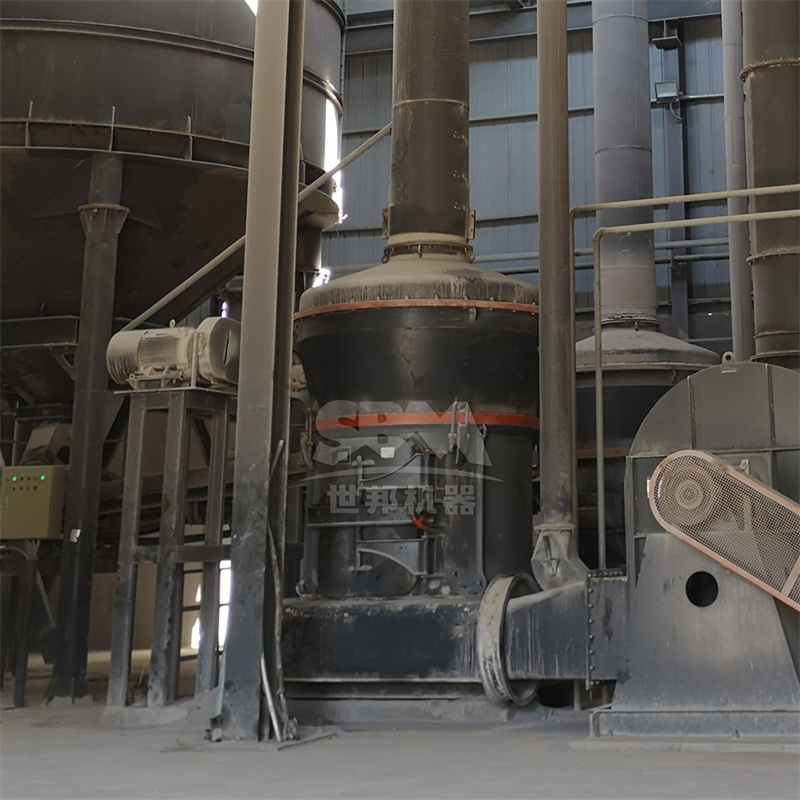
Equipment Options for Magnesite Processing
SCM Series Ultrafine Mill (45-5μm)
For ultra-fine magnesite powder production, the SCM Series provides exceptional performance. With input size up to 20mm and capacity ranging from 0.5 to 25 t/h, this mill achieves fineness from 325 to 2500 mesh. Key advantages include: capacity 2x that of jet mills with 30% lower energy consumption; vertical turbine classifier for precise particle size cutting; and special material rollers extending service life. Available models include SCM800 (0.5-4.5 t/h, 75kW), SCM1000 (1.0-8.5 t/h, 132kW), and SCM1680 (5.0-25 t/h, 315kW).
MTW Series European Trapezium Mill (600-45μm)
For medium-fineness production with higher throughput, the MTW Series handles feed sizes up to 50mm with output fineness of 30-325 mesh. Capacities range from 3 to 45 t/h depending on model. The anti-wear shovel design reduces maintenance costs, while the integral bevel gear drive achieves 98% transmission efficiency. For typical magnesite applications requiring 100-200 mesh product at 10-20 t/h, the MTW138Z (6-17 t/h, 90kW) or MTW175G (9.5-25 t/h, 160kW) are excellent choices.
LM Series Vertical Roller Mill (600-45μm)
For large-scale operations requiring robust performance, the LM Series offers capacities from 3 to 250 t/h. Its non-contact design between rollers and table increases wear part life by 3x. The expert-level auto-control system supports remote operation, making it suitable for modern automated plants. Models like LM190K (23-68 t/h, 500kW) or LM220K (36-105 t/h, 800kW) handle magnesite grinding efficiently with low operating costs.
Process Configuration Considerations
Drying Requirements
Magnesite often contains moisture. For dry grinding, the LM Series can integrate hot air circulation for simultaneous drying and grinding. Alternatively, combine a Hammer Mill for pre-crushing with drying equipment before final grinding in an MTW or SCM mill.
Classification System
Precise classification ensures product quality. Both SCM and MTW mills feature advanced classifiers: the vertical turbine classifier in SCM eliminates coarse powder mixing, while MTW’s classification system precisely controls finished product size. For multi-stage classification, combine with external air classifiers.
Environmental Compliance
Modern grinding plants must meet strict emission standards. All recommended equipment includes pulse dust collection systems exceeding international standards. The SCM Series features soundproof room design maintaining noise levels below 85dB, while LM Series operates with fully sealed negative pressure for zero dust emission.
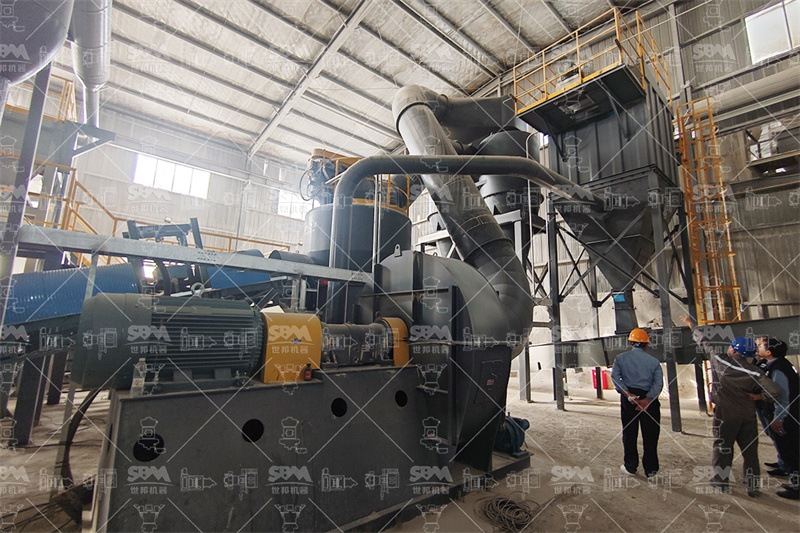
Case Study: Selecting Equipment for a 15 t/h Magnesite Plant
Consider a medium-scale plant requiring 15 t/h of magnesite powder at 200 mesh (74μm) with feed size of 30mm. Options analysis:
- MTW175G: Capacity 9.5-25 t/h, suitable for 15 t/h target, 160kW main power, integral bevel gear drive, optimized for consistent production
- LM150K: Capacity 13-38 t/h, 280kW power, non-contact design extends wear life, lower energy consumption
- Ball Mill GMQG2445: Capacity 55-10.5 t/h (variable), 400kW power, higher energy consumption but proven reliability
The MTW175G offers the best balance of capacity (15 t/h within its range), energy efficiency (trapezium design reduces power consumption), and operational cost (combined shovel blades reduce maintenance frequency). For slightly higher fineness (325 mesh), consider the SCM1000 or SCM1250 with capacities up to 14 t/h.
Conclusion
Selecting the right magnesite processing equipment requires careful evaluation of feed characteristics, target fineness, capacity requirements, and operational costs. For ultra-fine applications (<45μm), the SCM Series Ultrafine Mill provides high efficiency and precise classification. For medium-fineness bulk production (45-600μm), the MTW Series European Trapezium Mill offers excellent throughput and energy savings. For large-scale operations with integrated grinding and classification, the LM Series Vertical Roller Mill delivers the lowest operating cost per ton. Always consider drying requirements, classification precision, and environmental compliance when designing your grinding mill plant.