
1. Understanding Manganese Ore Processing Requirements
Manganese ore is a critical raw material in steel production, battery manufacturing, and chemical industries. Before selecting processing equipment, mining plants must conduct a comprehensive analysis of their ore characteristics. The first step in this process is determining the hardness, moisture content, and feed size of the raw manganese ore. These factors will significantly influence the choice of crushing and grinding machinery. For instance, ores with high moisture content may require pre-drying or specially designed grinding systems to prevent clogging. Additionally, the desired output fineness plays a crucial role in equipment selection, as different downstream applications require different particle sizes. Steel-making typically demands coarser powders (30-325 mesh), while battery-grade manganese requires ultra-fine powder in the 325-2500 mesh range. Understanding these requirements ensures that the chosen equipment delivers optimal performance without unnecessary energy expenditure.
2. Evaluating Throughput Capacity and Operational Scale
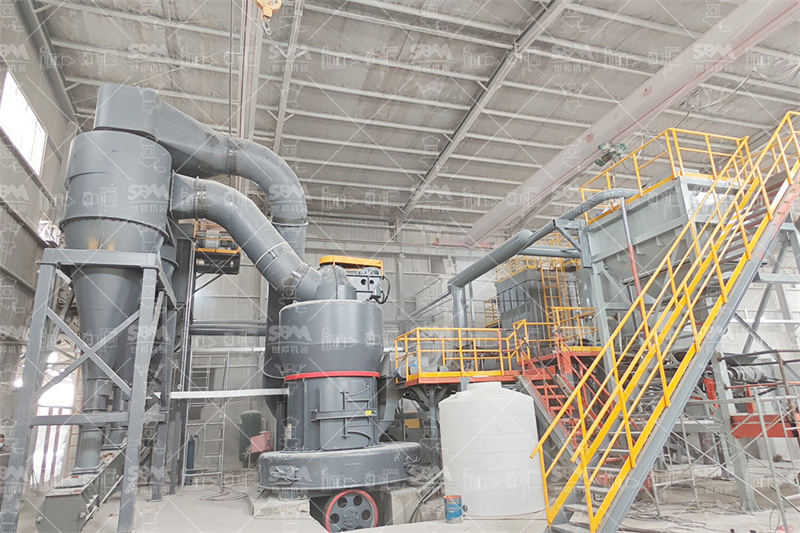
Production capacity is arguably the most critical factor when selecting manganese ore processing equipment. Mining plants must accurately project their annual production targets and peak throughput demands. For large-scale operations processing more than 100 tons per hour, vertical roller mills offer significant advantages due to their high-capacity designs. Our LM Series Vertical Roller Mill provides exceptional performance in this category, with models ranging from LM130K capable of producing 10-28 t/h up to LM280K achieving an impressive 50-170 t/h output. These mills integrate crushing, grinding, and classification in a single unit, reducing floor space requirements by up to 50% compared to traditional multi-equipment systems. Conversely, smaller operations with moderate capacity requirements may find medium-speed trapezium mills more economical. The MTM Series, with capacities between 3-22 t/h, represents a balanced choice for medium-sized plants, offering lower initial investment costs while maintaining excellent grinding efficiency. It is essential to build in a capacity buffer of 15-20% above current requirements to accommodate future production expansions without necessitating equipment replacement.
3. Analyzing Feed Size and Pre-processing Needs
The maximum feed size directly determines whether additional crushing equipment is necessary before the main grinding unit. Manganese ore typically arrives from mines with particle sizes ranging from 50mm to 300mm or larger. For ore feed sizes up to 50mm, several of our grinding mills can accept this material directly, eliminating the need for primary crushers. The MTW European Trapezium Mill Series and LM Vertical Roller Mills both accommodate feed sizes up to 50mm, providing a streamlined processing workflow. However, for larger ore particles between 50mm and 200mm, a pre-crushing stage using hammer mills or jaw crushers becomes necessary. Our PC Hammer Mill series, with feed capacities up to 40mm and output sizes adjustable to 0-3mm, serves as an excellent pre-grinding solution. This two-stage approach ensures optimal efficiency by allowing each equipment to operate within its most efficient parameter range. When designing the processing line, consider that oversize feed leads to reduced grinding efficiency, increased wear on internal components, and higher energy consumption. Incorporating appropriate screening and recirculation systems helps maintain consistent feed quality and prevents equipment overloading.
4. Matching Output Fineness with Application Requirements
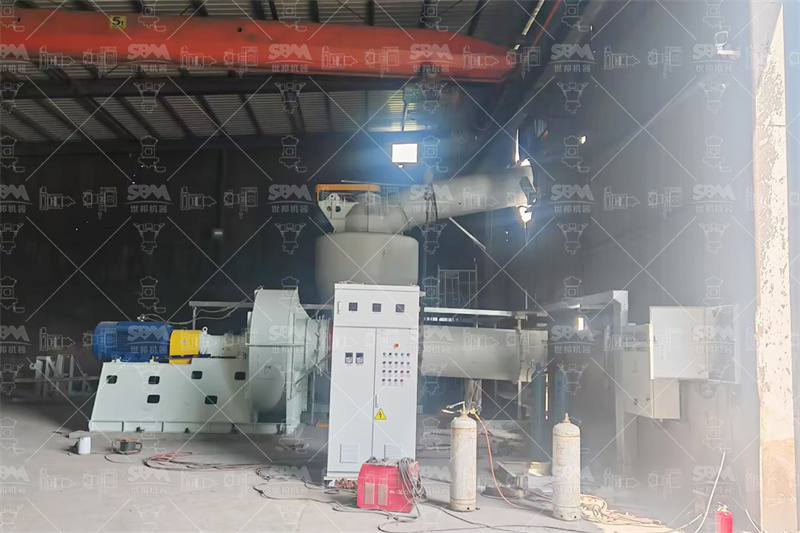
Different applications of manganese powder demand specific fineness specifications, making this consideration pivotal in equipment selection. For the metallurgical industry where manganese is used as a deoxidizer or alloying agent, a fineness range of 30-200 mesh is typically sufficient. The MTW Series and MTM Series both excel in this range, offering precise classification systems that achieve uniform particle size distribution without coarse powder mixing. For chemical applications producing manganese sulfate or other compounds, finer powder in the 100-325 mesh range is preferred, which aligns perfectly with the capabilities of our MRN Pendulum Mill series. When manganese ore is destined for battery production – particularly lithium-manganese oxide cathodes – ultra-fine grinding to 325-2500 mesh (approximately 45-5 microns) becomes mandatory. This is where our SCM Series Ultrafine Mill demonstrates its exceptional value. Available in five models with capacities from 0.5 to 25 t/h, the SCM mill incorporates a vertical turbine classifier that achieves precise particle size cutting, ensuring consistent product quality with no coarse particle contamination. The intelligent control system automatically adjusts operating parameters based on real-time fineness feedback, maintaining optimal production efficiency even when raw material characteristics vary.
5. Assessing Energy Efficiency and Operating Costs
Energy consumption represents a significant portion of operating costs in manganese ore processing. Modern equipment designs have made substantial progress in reducing specific energy requirements, but the difference between technologies remains substantial. Traditional ball mill systems consume significantly more energy for comparable throughput; our assessment shows that vertical roller mills consume 30-40% less energy than ball mill systems for equivalent processing tasks. This efficiency derives from the bed grinding principle, where material layers are crushed between rollers and the grinding table rather than using freely moving grinding media that consumes energy through random impacts. Our LM Series Vertical Roller Mill exemplifies this efficiency advantage, with intelligent control systems optimizing grinding pressure in real-time based on material characteristics and target fineness. The SCM Series Ultrafine Mill further demonstrates energy-saving innovation, achieving twice the capacity of conventional jet mills while consuming 30% less energy. Beyond pure grinding power consumption, consider auxiliary costs including classification systems, material conveying, and dust collection. Integrated designs that combine multiple functions reduce the total installed power requirement. Additionally, our vertical mills incorporate internal suction oil lubrication systems that minimize maintenance frequency and lubricant consumption, further reducing operational expenses over the equipment’s service life.
6. Considering Moisture Content and Drying Requirements
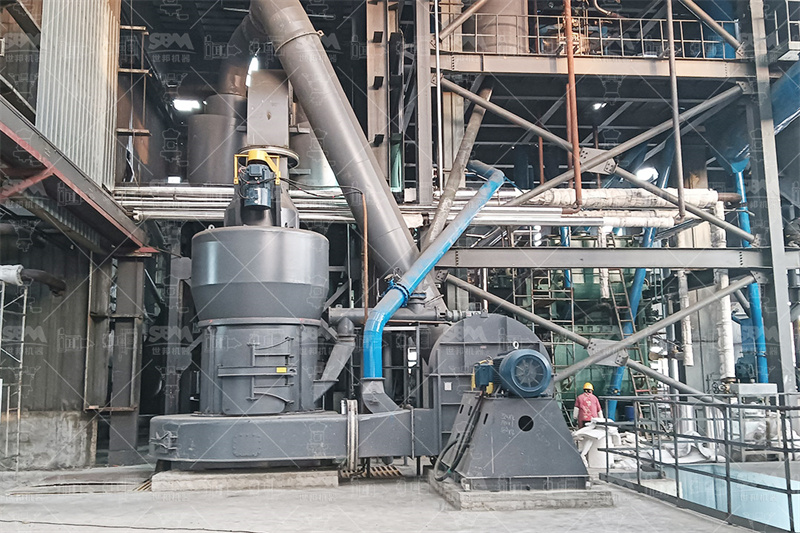
Manganese ore frequently contains varying degrees of surface moisture, particularly when sourced from open-pit mines or after wet beneficiation processes. Moisture levels above 5% can significantly impact grinding efficiency, cause material agglomeration, and increase the risk of equipment blockage. Several grinding technologies offer integrated drying capabilities that address this challenge directly. Our LM Series Vertical Roller Mill features a hot air circulation system that simultaneously dries and grinds materials, handling feed moisture content up to 15% without requiring separate drying equipment. This integrated approach eliminates additional capital costs and streamlines the overall processing flow. For operations encountering lower moisture levels between 5-10%, the MTW Series provides adequate drying capability through its optimized arc air duct design, which maintains proper airflow temperatures for effective moisture removal. Extreme moisture situations may require pre-drying in rotary dryers before introducing material to the grinding mill. When evaluating equipment options, thoroughly analyze your specific ore’s moisture profile and seasonal variations to select equipment with appropriate drying capacity. Oversizing drying capability adds unnecessary energy costs, while insufficient capacity creates production bottlenecks during wet weather periods.
7. Evaluating Equipment Footprint and Plant Layout
Mining plant designs must maximize the value of available space while maintaining efficient material flow and accessible maintenance areas. Traditional grinding systems consisting of separate crushers, conveyors, ball mills, and classifiers occupy substantial floor space and require complex material transport systems between stages. Modern integrated grinding systems consolidate these functions into a single unit, dramatically reducing spatial requirements. The LM Series Vertical Roller Mill exemplifies this space-saving design philosophy, with its integrated system occupying 50% less floor space than conventional multi-equipment configurations. This compact design enables outdoor installation, potentially reducing infrastructure construction costs by 40%. The vertical arrangement of the mill also simplifies the classification and collection systems by utilizing gravity flow where possible. For plants operating in confined spaces or retrofitting existing facilities, the MTW Series offers an excellent balance between footprint, capacity, and accessibility, with its integral bevel gear drive transmission saving additional space. Consider maintenance access requirements as well – adequate clearance for roller assembly removal and service activities should inform equipment placement decisions. Intelligent layout planning results in shorter material transport distances, reduced conveyor system requirements, and simplified operations management, all contributing to lower overall project costs.
8. Prioritizing Equipment Durability and Wear Resistance
Manganese ore exhibits abrasive characteristics that accelerate equipment wear, making material selection and component design critical to long service life. Premium grinding equipment incorporates wear-resistant materials and thoughtful engineering to minimize maintenance frequency and replacement costs. Our engineers have addressed this challenge through several innovations in the SCM Series Ultrafine Mill, including grinding rollers and rings manufactured from specialized materials that extend service life several times beyond conventional designs. The shaftless screw grinding chamber ensures stable operation even under demanding conditions. Similarly, the MTW Series features an anti-wear shovel design with combined shovel blades that reduce maintenance requirements, while the curved design of the grinding roller extends operational life. Wear-resistant volute structures in the air circulation system reduce maintenance costs by 30% through enhanced wear protection. High manganese steel hammer heads in our PC Hammer Mill series provide exceptional resistance to erosion from abrasive manganese ore. When comparing equipment options, request detailed information on expected wear part service life for your specific ore hardness profile. Calculate total cost of ownership including periodic replacement parts costs rather than focusing solely on initial purchase price. Investing in more durable equipment typically results in lower long-term operating costs and fewer production interruptions.
9. Ensuring Environmental Compliance and Operator Safety
Modern mining plants must satisfy increasingly stringent environmental regulations governing dust emissions, noise levels, and workplace safety. Choose grinding equipment that incorporates effective dust collection and noise damping technologies. Our grinding mills feature fully sealed negative-pressure operation systems that prevent dust leakage into the surrounding environment. Pulse dust collection systems on our equipment achieve filtration efficiency exceeding international emission standards, ensuring clean operation in sensitive locations. The SCM Series Ultrafine Mill includes soundproof room designs that control operational noise levels, protecting workers from excessive sound exposure. Beyond environmental compliance, positive pressure ventilation prevents dust migration into operator areas, improving working conditions. The intelligent control systems available on our advanced mills enable remote monitoring and operation from safe distances, reducing personnel exposure to grinding zones. Automated feedback systems continuously monitor operating parameters including temperature, pressure, and vibration, providing early warnings of potential failures before they create safety hazards. These features align with the industry’s increasing focus on sustainable production and responsible mining practices. Environmental permits and community relations benefit significantly from implementing equipment that minimizes environmental impacts.
10. Making the Final Decision: Balancing All Factors
Selecting the right manganese ore processing equipment requires methodical evaluation of technical, economic, and operational factors that affect your specific project. Begin by documenting your complete requirements: ore characteristics, production targets, energy cost structures, maintenance capabilities, environmental constraints, and budget limitations. Score each equipment option against these criteria, weighting factors based on your operational priorities. For operations requiring ultra-fine powder production in the 325-2500 mesh range, we recommend the SCM Series Ultrafine Mill, available in five configurations from SCM800 to SCM1680 with capacities spanning 0.5-25 t/h. This mill delivers exceptional efficiency, precision classification, and durability for demanding manganese processing applications. For general-purpose grinding in the 30-325 mesh fineness range with capacities up to 45 t/h, the MTW European Trapezium Mill represents the ideal balance of performance, reliability, and cost-effectiveness across its eight available models. Both options deliver the advanced features, environmental compliance, and operational intelligence necessary for successful manganese ore processing in today’s competitive market. Schedule consultations with experienced equipment manufacturers, request references from similar operations, and thoroughly evaluate pilot testing opportunities before making the final commitment.