
Introduction
In the rapidly evolving industrial minerals processing sector, the production of high-quality marble coating additives demands precision, efficiency, and reliability. Marble powder, when processed to specific fineness levels, becomes a valuable functional filler in paints, coatings, plastics, and construction materials. The selection of appropriate grinding and classification equipment directly impacts product quality, production costs, and overall operational success. This comprehensive guide explores the critical factors in choosing marble coating additive production equipment, with a focus on achieving superior powder characteristics essential for high-performance coatings.
Understanding Marble Coating Additive Requirements
Marble coating additives require precise particle size distribution, controlled top-cut, and consistent quality. The typical fineness requirements range from 325 mesh (45μm) to 2500 mesh (5μm), depending on the specific application. High-gloss coatings demand finer particles, while matte finishes may accept coarser grades. The equipment must deliver uniform particle size with minimal oversize contamination, as even trace amounts of coarse particles can compromise coating smoothness and appearance.
Key Selection Criteria for Grinding Equipment
1. Output Fineness Capability
The most critical parameter in marble coating additive production is the ability to achieve and maintain the target fineness. Equipment must offer precise control over particle size distribution. For ultra-fine applications below 45μm, specialized mills with high-precision classification systems are essential. Our SCM Series Ultrafine Mill achieves exceptional fineness from 325 to 2500 mesh (45-5μm), making it ideal for premium coating applications requiring sub-micron precision.
2. Production Capacity and Scalability
Production volume requirements vary significantly between operations. Small to medium enterprises may require 0.5-5 tons per hour, while large-scale producers need capacities exceeding 25 tons per hour. Equipment selection must balance current needs with future expansion plans. Modular designs allow for capacity upgrades without complete system replacement.
3. Energy Efficiency and Operating Costs
Energy consumption represents a substantial portion of operating costs in powder processing. Modern grinding technologies achieve significant energy savings compared to traditional methods. The SCM Series Ultrafine Mill consumes 30% less energy than jet mills while delivering double the capacity, providing substantial cost advantages over the equipment lifecycle.
4. Classification Precision
The classifier system determines final product quality. Vertical turbine classifiers provide sharp particle size cuts without coarse powder mixing, ensuring uniform finished products. This precision is particularly important for coating additives where particle size consistency directly affects product performance.
Comparative Analysis of Grinding Technologies
Ultrafine Vertical Roller Mills
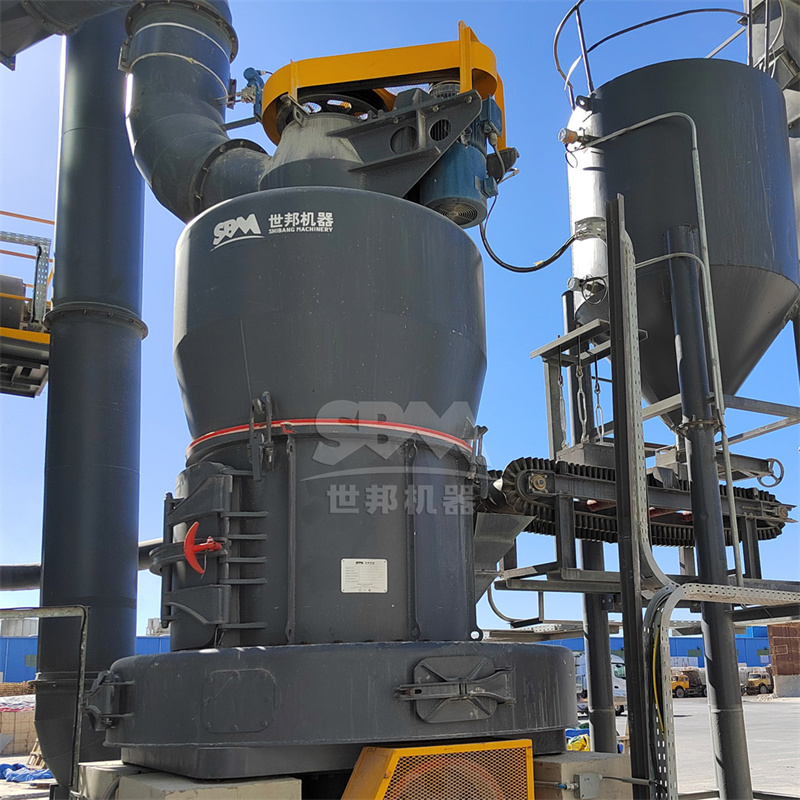
For ultra-fine applications (325-2500 mesh), the LUM Series Ultrafine Vertical Roller Mill offers exceptional performance. Features include unique roller and liner curves that improve grinding efficiency, multi-rotor classification technology preventing coarse particle contamination, and PLC automation for stable operation. This equipment is particularly suitable for high-value coating additive production requiring consistent ultra-fine powders.
European Trapezium Mills
The MTW Series European Trapezium Mill handles medium-fineness applications (30-325 mesh) with capacities from 3 to 45 tons per hour. Its integral bevel gear drive achieves 98% transmission efficiency, while the optimized arc air duct reduces energy loss. This technology is ideal for standard marble powder production where extreme fineness is not required.
Medium-Speed Trapezium Mills
The MTM Series offers intelligent pressure regulation that automatically compensates for roller wear, extending service life by 30%. With capacities from 3 to 22 tons per hour, it provides a balanced solution for medium-scale marble coating additive production.
Recommended Solutions for High-Quality Marble Coating Additives
Based on extensive industry experience and technical analysis, we recommend the following equipment configurations for optimal marble coating additive production:
For ultra-fine coating additives (5-45μm): The SCM Series Ultrafine Mill delivers unmatched performance. With capacities from 0.5 to 25 tons per hour and precision classification down to 2500 mesh (5μm), it produces high-quality powder ideal for premium paints and coatings. Its shaftless screw grinding chamber ensures stable operation, while special material rollers and rings extend service life several times over conventional designs.
For medium to fine applications (45-325 mesh): The MTW Series European Trapezium Mill provides excellent value with capacities up to 45 tons per hour. Its anti-wear shovel design reduces maintenance costs, while the wear-resistant volute structure improves air selection efficiency and reduces maintenance expenses by 30%.
For large-scale production with versatility: The LM Series Vertical Roller Mill offers capacities from 3 to 250 tons per hour with integrated crushing, grinding, and selection systems. This reduces floor space by 50% and allows outdoor installation, cutting infrastructure costs by 40%. Non-contact design between rollers and table increases wear part life by 3 times while reducing energy consumption by 30-40% compared to ball mill systems.
Quality Control and Process Optimization
Real-Time Monitoring Systems
Modern marble coating additive production requires continuous quality monitoring. Intelligent control systems with automatic finished product granularity feedback enable real-time adjustments to maintain consistent quality. Expert-level auto-control systems support remote and local switching, reducing manual intervention and human error.
Environmental Considerations
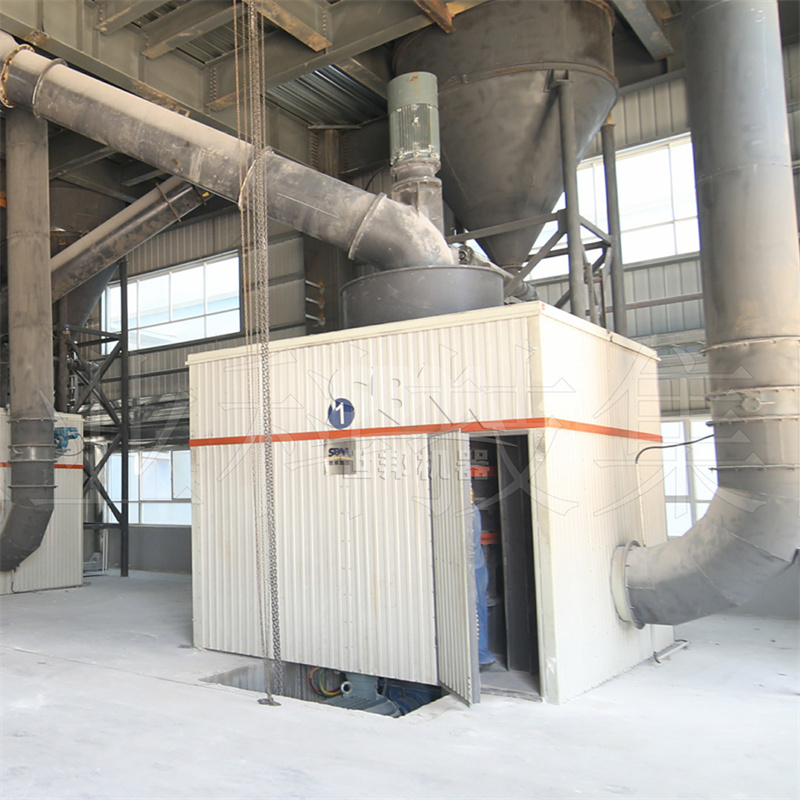
Environmental compliance is increasingly important in mineral processing. Equipment must incorporate advanced dust collection systems meeting international emission standards. Pulse dust collection technology with efficiency exceeding international standards, combined with soundproof room designs maintaining noise levels below 85dB, ensures environmentally responsible operation.
Maintenance and Longevity Considerations
Wear Part Durability
Marble processing involves abrasive materials that accelerate equipment wear. Selecting equipment with durable components significantly reduces maintenance frequency and costs. Special material rollers and rings, combined with shaftless screw grinding chambers, extend service life several times over conventional designs.
Modular Maintenance Systems
Modular grinding roller assemblies with quick-change systems minimize downtime during maintenance. Hydraulic systems for roller replacement allow single-person operation, reducing labor requirements and maintenance time by up to 50%.
Cost-Benefit Analysis
When evaluating marble coating additive production equipment, consider total cost of ownership rather than initial purchase price. Energy-efficient mills with lower operating costs, reduced maintenance requirements, and longer service life often provide better long-term value. The SCM Series Ultrafine Mill, for example, offers 30% lower energy consumption compared to jet mills while delivering double the capacity, translating to significant annual savings.
Conclusion
Selecting the right marble coating additive production equipment requires careful evaluation of fineness requirements, production capacity, energy efficiency, and classification precision. The SCM Series Ultrafine Mill and MTW Series European Trapezium Mill represent optimal solutions for different application ranges, offering proven performance, durability, and cost-effectiveness. By matching equipment capabilities to specific production requirements, operators can achieve consistent high-quality powder processing while maximizing return on investment.