
Introduction: The Critical Role of Equipment Selection in Pharmaceutical Gypsum Production
In the pharmaceutical industry, the quality of excipients and raw materials directly impacts the safety, efficacy, and stability of final drug products. Pharmaceutical gypsum powder—used in tablet fillers, orthopedic casts, and dental applications—requires exceptionally precise particle size distribution, controlled purity levels, and consistent physical properties. Selecting the right production equipment is not merely operational decision; it is a regulatory and quality imperative.
Manufacturers face numerous challenges when processing pharmaceutical-grade gypsum, including the need for ultra-fine particle sizes (often below 45 microns), minimal contamination risk, high throughput efficiency, and strict compliance with Good Manufacturing Practices (GMP). The wrong choice of milling equipment can lead to product inconsistencies, excessive energy costs, frequent maintenance downtime, and even regulatory non-compliance.
This comprehensive guide aims to provide manufacturers with a systematic approach to selecting pharmaceutical gypsum powder production equipment—from understanding key selection criteria to exploring advanced milling technologies and offering actionable recommendations.
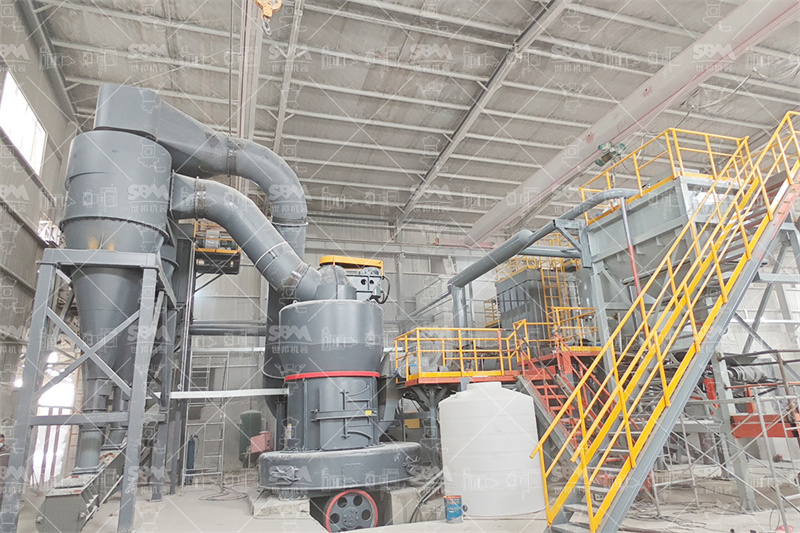
Understanding Pharmaceutical Gypsum Powder Specifications
Before evaluating equipment options, manufacturers must first establish clear product specifications based on their intended applications. Pharmaceutical gypsum powder typically requires:
- Particle Fineness: Range from 45 to 5 microns (325-2500 mesh) depending on the application. Dental gypsum generally requires finer powders compared to industrial grade.
- Purity Level: The powder must meet stringent purity standards (often exceeding 98% CaSO₄·½H₂O content) without introducing metallic contaminants from grinding media.
- Consistency: Batch-to-batch uniformity is critical for ensuring reproducible drug delivery or consistent setting times in medical applications.
- Moisture Content: Controlled moisture levels are essential to prevent premature setting reactions.
These parameters directly influence the selection of grinding mechanism, classifier efficiency, and the ability to maintain a controlled atmosphere during processing.
Key Selection Criteria for Gypsum Powder Equipment
When evaluating potential production systems, manufacturers should consider the following critical factors:
1. Precision and Fineness Capability
The equipment must reliably achieve the required particle size distribution with high classification accuracy. Coarse powder contamination will compromise product quality. Look for systems equipped with high-precision, multi-stage classifiers that can achieve sharp cut points without over-grinding.
2. Energy Efficiency and Operating Costs
Grinding is energy-intensive. Differential energy consumption between technologies can exceed 50%. Evaluate both initial capital expenditure and long-term operational costs, including power consumption per ton, wear part replacement frequency, and maintenance labor.
3. Contamination Control and Material Integrity
The grinding mechanism should minimize metal-to-metal contact that could introduce iron or other impurities. Equipment design should allow for easy cleaning to prevent cross-contamination between product batches.
4. Production Capacity and Scalability
Choose equipment with a capacity that meets current demand while offering headroom for future expansion. Consider whether modular components or larger frame sizes are available within the same product family for seamless scale-up.
5. Environmental Compliance and Safety
Dust control is essential in pharmaceutical production. Systems with integrated pulse-jet dust collection, negative pressure operation, and reduced noise output are preferable for meeting workplace safety and environmental standards.
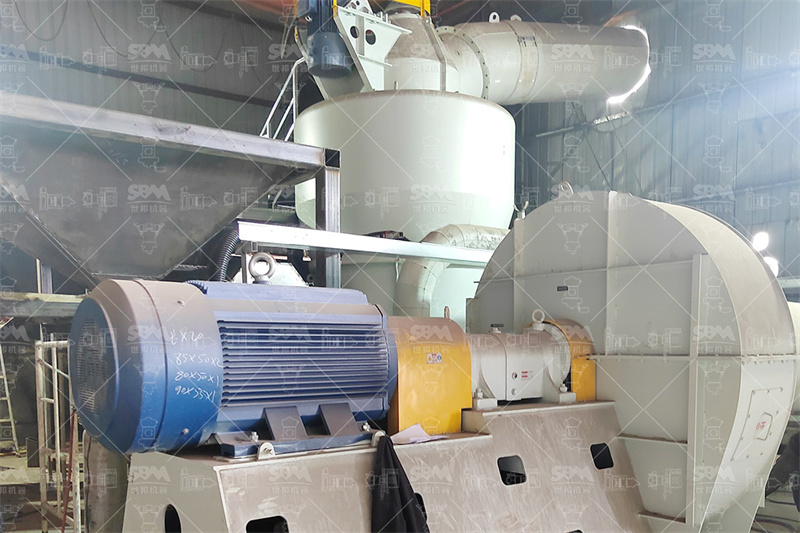
Complementary Technologies: Crushing and Pre-Grinding
While milling is the core process, complete gypsum powder production lines often require upstream and downstream equipment:
- Hammer Mills for primary crushing of larger gypsum rocks (up to 40mm feed size) to produce 0-3mm pre-crushed material.
- Vertical Pre-grinding Roller Mills that integrate sand making and grinding functions for high-efficiency material preparation.
- Ball Mills for medium-fineness applications (0.074-0.8mm) where high reliability and large capacity are prioritized.
The choice of pre-grinding equipment depends on the raw feed size and the target fineness of the final product. For pharmaceutical gypsum requiring micron-level powders, pre-crushed feed below 20mm is typically recommended for optimum mill efficiency.
Advanced Milling Technologies for Ultra-Fine Gypsum
For applications demanding fineness between 325 and 2500 mesh, advanced ultra-fine grinding technologies are required. These systems must balance precise particle size control with energy efficiency and contamination-free operation.
SCM Series Ultrafine Mill
Our SCM Series Ultrafine Mill is specifically engineered for producing 45-5μm pharmaceutical-grade powders. This technology stands out for its exceptional efficiency and classification precision. The working principle involves three layers of grinding rings driven by the main motor, with materials dispersed by centrifugal force and crushed through multi-layer roller pressure—resulting in uniform, layer-by-layer grinding action.
Key advantages for pharmaceutical gypsum production include:
- >2x Capacity vs. Jet Mills with 30% lower energy consumption
- High-Precision Vertical Turbine Classifier ensuring zero coarse powder contamination
- Special Material Rollers and Rings extending service life while minimizing metallic contamination
- Pulse Dust Collection exceeding international emission standards for clean production
Available models range from the SCM800 (0.5-4.5t/h capacity, 75kW main power) to the SCM1680 (5.0-25t/h capacity, 315kW main power), all capable of achieving 325-2500 mesh fineness with feed sizes up to 20mm.
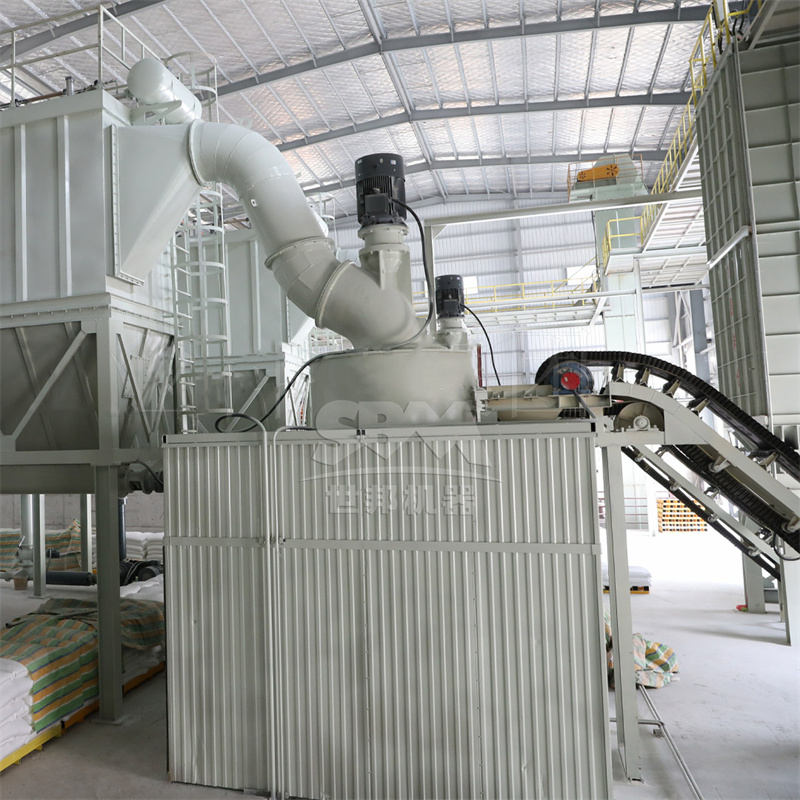
For manufacturers seeking a versatile solution that can handle both fine and ultra-fine grinding requirements, the LUM Ultrafine Vertical Roller Mill offers distinct advantages. This technology features unique roller and liner curves that enhance grinding efficiency, combined with multi-rotor classifiers that guarantee no coarse particle carryover. Its PLC-automated control system ensures stable operation and unattended production. Models such as the LUM1525 (220-250kW, 1.6-11.5t/h) and the LUM1836 (355-400kW, 2.3-15t/h) cover a broad range of pharmaceutical gypsum production scales.
Case Study: Transitioning to Ultra-Fine Production
Consider a mid-sized pharmaceutical excipient manufacturer currently producing 50-100 mesh gypsum powder using traditional heritage equipment. Their product quality struggles to meet new pharmacopeia requirements, and energy costs have escalated. By transitioning to the SCM1250 Ultrafine Mill, they could:
- Upgrade from 325 mesh to consistently produce 800 mesh powder meeting specifications
- Reduce energy consumption per ton by 30% compared to their legacy system
- Eliminate post-classification steps thanks to the integrated high-precision classifier
- Meet GMP clean-in-place requirements through the soundproofed, dust-tight enclosure design
System Integration and Automation
Modern pharmaceutical gypsum lines benefit from intelligent control systems that monitor and adjust parameters in real-time. Our equipment features expert-level auto-control systems supporting remote or local switching, with real-time monitoring of key metrics such as:
- Grinding pressure and optimization of classifier speed
- Finished product granularity feedback for automatic adjustment
- Temperature and moisture control to preserve gypsum chemical stability
These smart factories allow manufacturers to maintain consistent quality while reducing manual intervention and the risk of human error—critical requirements in validated pharmaceutical processes.
Comparative Analysis of Milling Technologies
To simplify your decision-making process, the following comparison highlights the key differentiators:
| Technology | Fineness Range | Capacity Range | Key Strength |
|---|---|---|---|
| SCM Ultrafine Mill | 325-2500 mesh | 0.5-25 t/h | Ultra-fine precision and energy efficiency |
| MTW European Mill | 30-325 mesh | 3-45 t/h | High-capacity medium-fine grinding with anti-wear design |
| LM Vertical Roller Mill | 30-600 mesh | 3-250 t/h | Integrated system with low operating cost |
| Ball Mill | 0.074-0.8mm | 0.65-450 t/h | Proven reliability and wet/dry dual mode |
Conclusion and Recommendations
Selecting the right pharmaceutical gypsum powder production equipment requires careful evaluation of your product specifications, throughput needs, and quality standards. For most pharmaceutical applications requiring ultra-fine gypsum powder, we strongly recommend considering our SCM Series Ultrafine Mill. Its combination of precise particle control, superior energy efficiency, and eco-friendly operation aligns perfectly with the stringent demands of pharmaceutical production.
If your operations require larger capacities with coarser fineness ranges (up to 325 mesh), our MTW Series European Trapezium Mill offers a proven, cost-effective solution with its durable bevel gear drive and anti-wear innovations.
We recommend conducting process trials with representative gypsum feed material to validate equipment performance against your specific requirements. Our engineering team is prepared to assist with sample testing, system design, and full-scale implementation support. With the right equipment partner, achieving pharmaceutical-grade gypsum powder consistency is both feasible and economically sustainable.