
1. Introduction: The Critical Role of Illite in Cosmetics
Illite, a non-expanding clay mineral, has gained significant traction in the cosmetics industry due to its unique properties. It offers excellent oil absorption, sebum control, and a smooth, non-greasy feel, making it ideal for face powders, foundations, masks, and skincare products. However, the efficacy of illite in cosmetic formulations heavily depends on its particle size, purity, and uniformity. Achieving the optimal fineness—typically between 45 μm and 5 μm—requires sophisticated milling equipment. Choosing the wrong machinery can lead to inconsistent texture, poor skin feel, and compromised product performance. This guide provides a comprehensive framework for manufacturers to select the right production equipment for illite additives, ensuring high-quality outputs that meet stringent cosmetic standards.
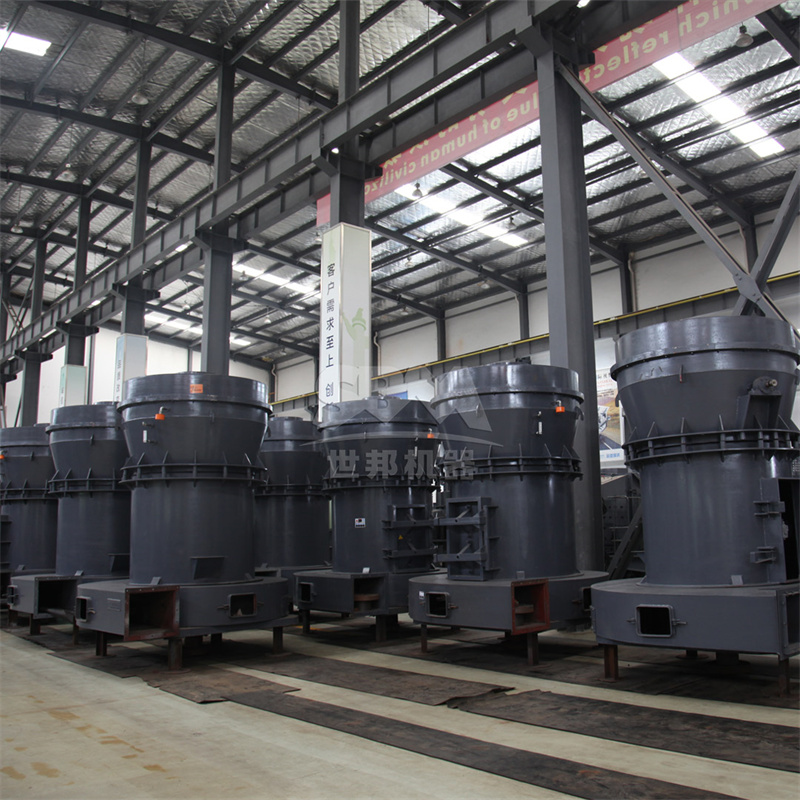
2. Understanding Illite Processing Requirements for Cosmetics
Before selecting equipment, manufacturers must define their target product specifications. For illite used in high-end cosmetics, key parameters include:
- Particle Size (Fineness): Typically between 325 mesh (45 μm) and 2500 mesh (5 μm). Ultra-fine powders below 10 μm are preferred for premium foundations and loose powders to enhance spreadability and adhesion.
- Purity & Uniformity: No contamination from grinding media is critical. The equipment must also ensure a narrow particle size distribution (PSD) to prevent coarse particles that can cause skin irritation.
- Moisture Content: Illite must be dry (typically < 1%) to prevent caking and microbial growth, necessitating efficient drying or integrated drying systems.
- Production Capacity: From small batches (0.5 tons/hour) for niche brands to large-scale operations (25+ tons/hour) for mass-market manufacturers.
3. Key Equipment Selection Criteria for Illite Grinding
When evaluating milling machinery, cosmetics manufacturers should prioritize the following factors:
3.1 Precision Classification
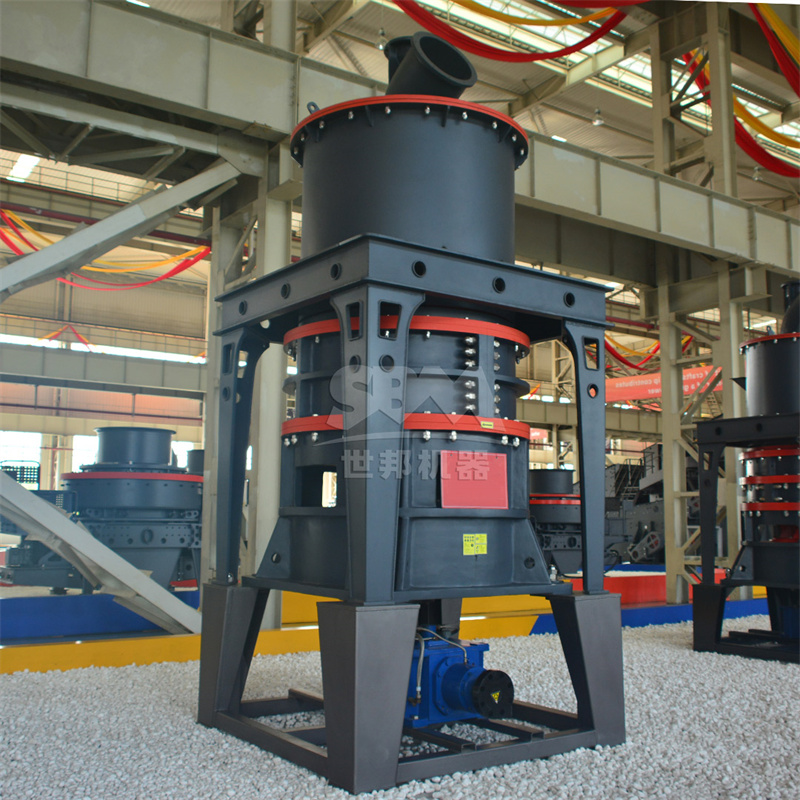
The ability to cut particles at a specific size without coarse powder mixing is non-negotiable. Equipment with advanced classifiers, such as vertical turbine classifiers, ensures a uniform PSD. For instance, the SCM Series Ultrafine Mill utilizes a high-precision vertical turbine classifier to achieve precise particle size cutting, guaranteeing no coarse powder contamination.
3.2 Energy Efficiency & Cost
Grinding consumes significant energy. Look for equipment with intelligent control systems that automatically adjust operations based on real-time feedback. The SCM Series offers capacity that is 2x that of jet mills while consuming 30% less energy, dramatically reducing operational costs.
3.3 Durability & Maintenance
Minerals like illite can be abrasive. Equipment with wear-resistant materials—such as special alloy rollers and rings—reduces downtime and replacement costs. The SCM’s shaftless screw grinding chamber ensures stable operation, while the MTW Series features an anti-wear shovel design that extends roller life.
3.4 Environmental Compliance
Cosmetic manufacturing demands a clean, dust-free environment. Choose mills with pulse dust collection systems and soundproof designs. Both the SCM and MTW Series meet stringent emission standards, with the SCM achieving pulse dust collection efficiency exceeding international benchmarks.
4. Top Equipment Recommendations for Illite Additives
Based on your production goals, the following equipment from our company are ideal for illite processing:
Recommended Product 1: SCM Series Ultrafine Mill (45-5μm)
For manufacturers targeting ultra-fine illite powders (325-2500 mesh) used in premium cosmetics like high-end foundations, BB creams, and anti-acne powders, the SCM Series Ultrafine Mill is the industry benchmark. Its key advantages for illite include:
- Precision: The vertical turbine classifier ensures a sharp cut at 5-45 μm, eliminating coarse particles.
- Efficiency: With 2x the capacity of jet mills and 30% lower energy consumption, it offers unmatched cost-performance.
- Durability: Special material rollers and rings extend service life, ideal for continuous industrial production.
- Eco-Friendly Operation: Pulse dust collection and soundproof design make it suitable for clean-room environments.
Model SCM1000: With a capacity of 1.0-8.5 t/h, main power of 132 kW, and fineness range of 325-2500 mesh, this model perfectly balances output and precision for mid-to-large cosmetic manufacturers.
Recommended Product 2: MTW Series European Trapezium Mill (600-45μm)
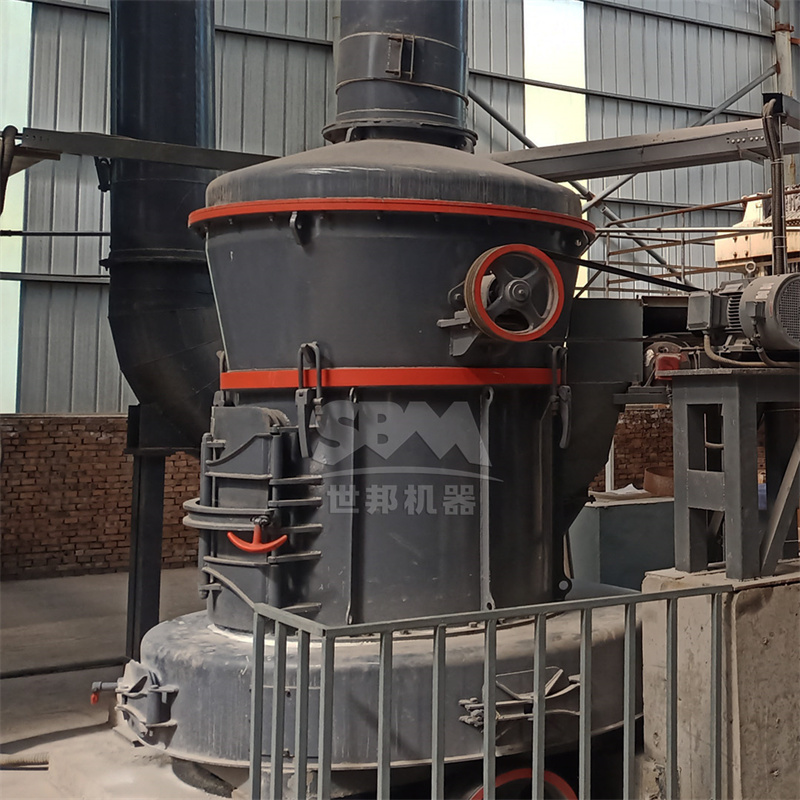
If your production requires a broader fineness range (10-325 mesh) and higher throughput (up to 45 t/h), the MTW Series European Trapezium Mill is the optimal choice. Ideal for mass-producing illite for body powders, masks, and high-volume cosmetic bases, it features:
- Integral Bevel Gear Drive: 98% transmission efficiency saves space and reduces energy loss.
- Wear-Resistant Design: Combined shovel blades and curved rollers reduce maintenance costs by 30%.
- Arc Air Duct: Optimized design minimizes energy loss, enhancing overall grinding efficiency.
- Patented Technology: Internal suction oil lubrication and pulse dust removal ensure zero contamination.
Model MTW175G: Capacity of 9.5-25 t/h, fineness adjustment from 10-325 mesh, and robust construction make it a workhorse for large-scale illite processing.
5. Step-by-Step Selection Process for Manufacturers
Here is a practical decision framework to guide your purchase:
- Define Target Fineness: For ultra-fine (5-45 μm), choose the SCM Series. For standard (45-600 μm), consider MTW or LM Series.
- Calculate Capacity Needs: Estimate daily or hourly output. The SCM offers 0.5-25 t/h, while MTW provides 3-45 t/h.
- Assess Feed Material: Illite typically has a feed size of ≤20-50 mm. Both SCM and MTW handle this easily.
- Evaluate Budget & ROI: While initial investment for advanced mills is higher, the energy savings (30%+) and reduced maintenance often yield ROI within 12-18 months.
- Check Compliance: Ensure the equipment meets ISO, GMP, and local environmental standards. Both SCM and MTW series feature integrated dust collection and noise control.
6. Conclusion: Investing in Quality for Superior Cosmetics
Choosing the right production equipment for illite additives is not just about grinding rocks; it is about delivering consistent, high-quality cosmetic experiences to end-users. The SCM Series Ultrafine Mill excels in producing ultra-fine, uniform powders for premium products, while the MTW Series European Trapezium Mill offers unparalleled efficiency and durability for large-scale operations. By prioritizing precision classification, energy efficiency, and durability, cosmetics manufacturers can ensure their illite-based products stand out in a competitive market. Partner with us to elevate your production capabilities and delight your customers with flawless formulations.