
Introduction: The Critical Role of Grinding in Slagging Agent Production
In the iron and steel smelting industry, slagging agents play a pivotal role in controlling the chemistry of molten slag, removing impurities, and protecting furnace linings. Whether you are producing calcium-based, fluoride-based, or composite slagging agents, the particle size distribution of the final product directly affects its reactivity, dissolution rate, and overall performance in the smelting process. As a result, selecting the right grinding mill is not merely a matter of equipment procurement—it is a strategic decision that influences product quality, production efficiency, and long-term operational costs.
In this article, we will explore the key factors that determine the optimal grinding solution for slagging agent production lines, and we will introduce two of our most advanced mills that are particularly well-suited for this application: the SCM Series Ultrafine Mill and the LM Series Vertical Roller Mill.
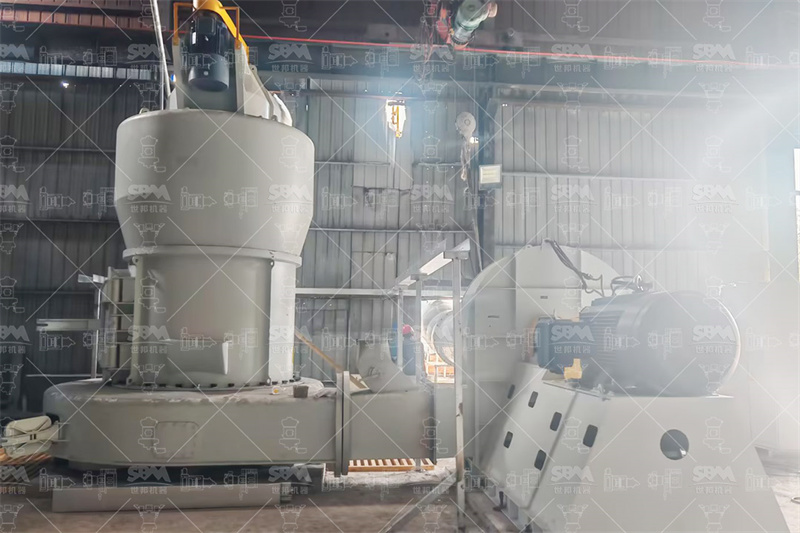
Understanding the Requirements of Slagging Agent Production
Slagging agents are typically composed of materials such as limestone, dolomite, fluorspar, bauxite, and various industrial by-products. These raw materials must be ground to specific fineness levels—often ranging from 200 mesh to 600 mesh or even finer—to ensure proper melting behavior and chemical reactivity in the furnace. The grinding process must also handle varying moisture content, hardness, and abrasiveness of the feed material.
Key requirements for slagging agent grinding mills include:
- Adjustable fineness control: Different smelting processes require different particle size distributions.
- High capacity with stable operation: Production lines must run continuously with minimal downtime.
- Energy efficiency: Grinding is energy-intensive; reducing power consumption per ton is critical.
- Dust containment and environmental compliance: Fine powders must be handled with advanced dust collection systems.
- Wear resistance: Abrasive materials demand durable grinding elements.
Key Factors in Selecting a Grinding Mill for Slagging Agent Lines
1. Fineness Requirements
The desired final fineness is the primary determinant. For slagging agents used in steelmaking, a fineness of 200–325 mesh is often sufficient, but for certain specialty applications, ultrafine grinding down to 800 mesh or even 1250 mesh may be required. Mills that can achieve a wide range of fineness without frequent parts replacement are preferred.
2. Capacity and Scalability
Production scale varies from small batch operations to large continuous lines. A mill that offers multiple models with different capacities allows you to match equipment to your specific throughput requirements. For instance, the SCM Series Ultrafine Mill offers capacities from 0.5 t/h to 25 t/h, making it suitable for both pilot plants and large-scale production.
3. Energy Efficiency and Operating Costs
Grinding accounts for a significant portion of total production costs. Mills that integrate high-efficiency classifiers and optimized grinding curves can reduce energy consumption by 30% or more compared to traditional ball mills. The LM Series Vertical Roller Mill, for example, consumes 30–40% less energy than ball mill systems while maintaining high throughput.
4. Material Characteristics
Slagging agent raw materials can be abrasive (e.g., bauxite) or relatively soft (e.g., limestone). The mill’s grinding elements must be selected accordingly. Wear-resistant materials such as special alloy rollers and rings can extend service life several times over, reducing maintenance frequency and cost.
5. Environmental and Safety Considerations
Fine powder processing generates dust, which must be controlled to meet environmental regulations. Pulse dust collection systems with high efficiency, negative pressure operation, and soundproof design are essential features in modern grinding mills. The LM Series Vertical Roller Mill features fully sealed negative pressure operation, ensuring dust emissions are minimized.
Recommended Equipment for Slagging Agent Production
Based on the specific demands of slagging agent production, we recommend two of our most advanced grinding mills, each offering distinct advantages depending on your production scale and fineness targets.
SCM Series Ultrafine Mill (45–5μm)
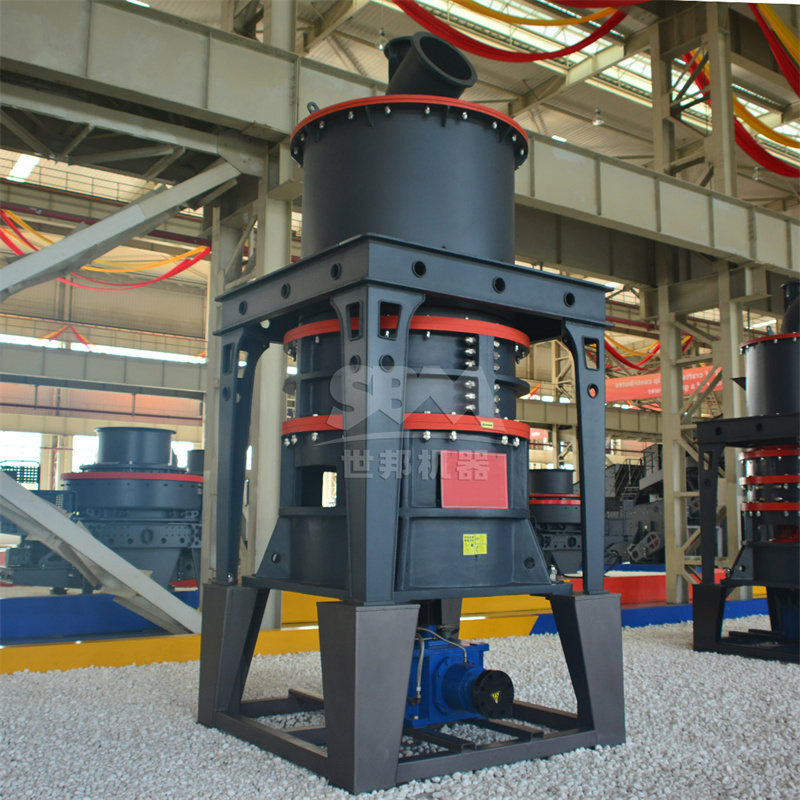
The SCM Series Ultrafine Mill is an ideal choice for producing fine and ultrafine slagging agents. With an output fineness adjustable from 325 to 2500 mesh, it can handle a wide range of product specifications. Its capacity ranges from 0.5 t/h to 25 t/h depending on the model, making it suitable for both small and large operations.
Key advantages include:
- High efficiency and energy saving: Capacity is twice that of jet mills, with 30% lower energy consumption. Intelligent control with automatic finished product granularity feedback ensures consistent quality.
- High-precision classification: The vertical turbine classifier achieves precise particle size cutting, preventing coarse powder mixing and ensuring uniform finished products.
- Durable design: Special material rollers and rings extend service life several times over. The shaftless screw grinding chamber ensures stable operation.
- Eco-friendly and low noise: Pulse dust collection efficiency exceeds international standards, and soundproof room design keeps noise levels low.
Models available: SCM800 (0.5–4.5 t/h), SCM900 (0.8–6.5 t/h), SCM1000 (1.0–8.5 t/h), SCM1250 (2.5–14 t/h), SCM1680 (5.0–25 t/h). All models accept feed sizes up to 20 mm and deliver fineness from 325 to 2500 mesh.
LM Series Vertical Roller Mill (600–45μm)
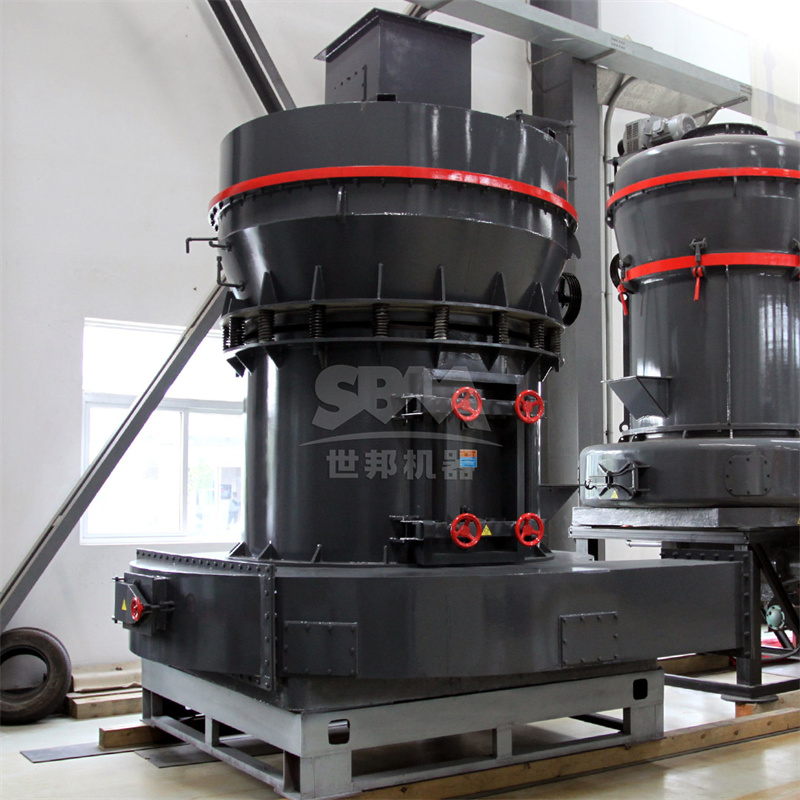
For large-scale slagging agent production, the LM Series Vertical Roller Mill is a proven solution. It integrates crushing, grinding, and classification into a single system, reducing floor space by 50% and allowing outdoor installation, which cuts infrastructure costs by 40%.
Key advantages include:
- Low operating cost: Non-contact design between rollers and table increases wear part life by 3x. Energy consumption is 30–40% lower than ball mill systems.
- Intelligent control: Expert-level auto-control system supports remote/local switching and real-time monitoring of parameters, reducing manual intervention.
- Environmental compliance: Fully sealed negative pressure operation ensures dust emissions are minimized, and operating noise is low.
- Wide capacity range: From 3 t/h to 250 t/h, with fineness adjustable from 30 to 325 mesh (up to 600 mesh for special models).
Recommended models for slagging agent production:
- LM130K: 10–28 t/h, fineness 170–40 μm, main power 200 kW
- LM150K: 13–38 t/h, fineness 170–40 μm, main power 280 kW
- LM170K: 18–48 t/h, fineness 170–40 μm, main power 400 kW
- LM190K: 23–68 t/h, fineness 170–40 μm, main power 500 kW
- LM220K: 36–105 t/h, fineness 170–45 μm, main power 800 kW
- LM280K: 50–170 t/h, fineness 170–45 μm, main power 1250 kW
Comparing the Two Options
| Feature | SCM Series Ultrafine Mill | LM Series Vertical Roller Mill |
|---|---|---|
| Fineness Range | 325–2500 mesh | 30–325 mesh (up to 600 mesh) |
| Capacity Range | 0.5–25 t/h | 3–250 t/h |
| Energy Consumption | 30% lower than jet mills | 30–40% lower than ball mills |
| Footprint | Compact, indoor installation | Integrated, outdoor possible, 50% less space |
| Best For | Ultrafine slagging agents, specialty products | Large-scale production, high throughput |
Conclusion: Matching the Mill to Your Production Goals
Choosing the right grinding mill for your slagging agent production line requires a careful assessment of your fineness targets, production capacity, energy costs, and environmental regulations. The SCM Series Ultrafine Mill excels in producing fine and ultrafine powders with high precision and energy efficiency, making it ideal for specialty slagging agents. The LM Series Vertical Roller Mill, on the other hand, offers unmatched capacity and low operating costs for large-scale production.
By understanding the unique characteristics of your raw materials and the demands of your smelting process, you can select the mill that delivers the best balance of performance, reliability, and cost-effectiveness. With our advanced grinding technologies and comprehensive technical support, we are committed to helping you build a slagging agent production line that meets the highest standards of quality and efficiency.
For more information on how our mills can be integrated into your slagging agent production line, please contact our technical team for a customized solution.