
Introduction
In the glass manufacturing industry, limestone is one of the most essential raw materials. It serves as a fluxing agent, stabilizing agent, and contributes to the chemical durability and thermal properties of the final glass product. However, not all limestone is created equal, and the performance of your glass production line depends heavily on the particle size, purity, and consistency of the limestone powder you feed into the furnace. Choosing the right grinding mill for limestone processing is therefore a critical decision that impacts product quality, energy consumption, and overall operational efficiency. This article provides a comprehensive guide to selecting the optimal grinding equipment for your glass production line, with a focus on fineness requirements, capacity, energy efficiency, and long-term reliability. We will also introduce two of our company’s flagship products—the SCM Series Ultrafine Mill and the MTW Series European Trapezium Mill—which are particularly well-suited for limestone processing in glass applications.
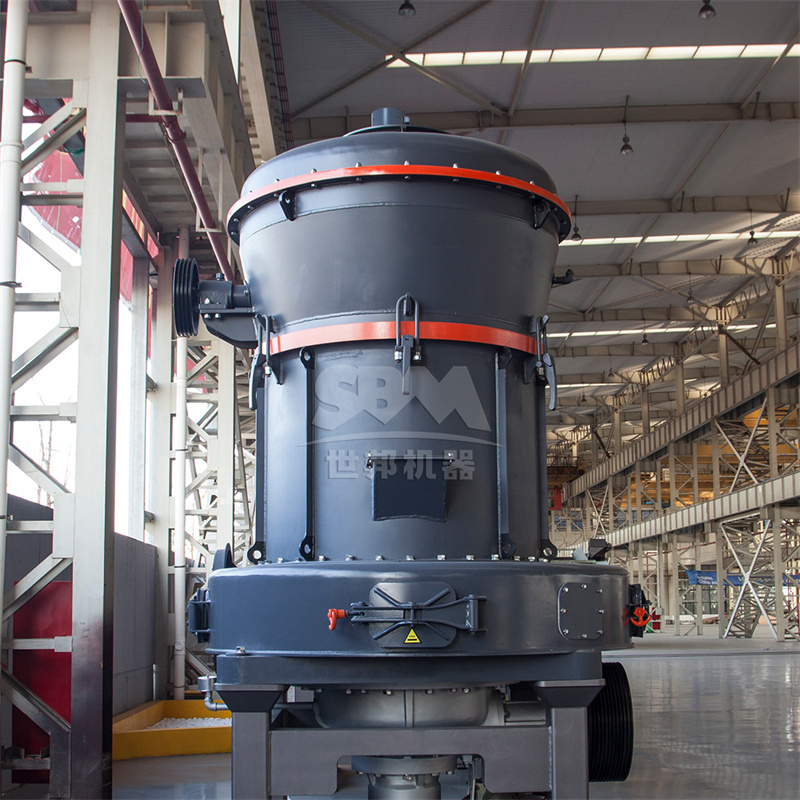
Why Limestone Fineness Matters in Glass Production
In glass melting, the reactivity of limestone depends on its surface area. A finer powder dissolves more rapidly in the molten batch, leading to a more homogeneous melt and fewer defects such as stones, cords, or bubbles. Typically, glass manufacturers require limestone ground to a fineness between 200 and 400 mesh (approximately 74 to 38 microns), although some specialty glass products may demand even finer sizes down to 600 mesh or beyond. If the limestone particles are too coarse, they may not fully react, resulting in incomplete melting and increased energy consumption. Conversely, over-grinding wastes energy and can cause excessive dusting and material handling issues. Therefore, the grinding mill must offer precise control over the finished product size distribution. Our SCM Series Ultrafine Mill, with its vertical turbine classifier, achieves precise particle size cutting and ensures no coarse powder mixing, making it an excellent choice for producing uniform limestone powder for high-quality glass.
Key Criteria for Choosing a Limestone Grinding Mill
When evaluating grinding mills for glass production, consider the following factors:
- Fineness Range: The mill must reliably produce the target particle size. For glass, a range of 325–2500 mesh is often desired, especially for specialty glass. The SCM Series Ultrafine Mill covers this range with ease.
- Capacity: Your production line’s throughput dictates the required capacity. Small glass plants may need 1–5 t/h, while large float glass lines may require 20 t/h or more. The SCM series offers capacities from 0.5 to 25 t/h, and the MTW series from 3 to 45 t/h, providing scalable solutions.
- Energy Efficiency: Grinding is energy-intensive. Mills that consume less power per ton of product reduce operating costs and carbon footprint. The SCM series boasts 30% lower energy consumption compared to jet mills, while the MTW series features an optimized arc air duct that reduces airflow energy loss.
- Wear and Maintenance: Limestone is abrasive. Grinding components must be durable. The SCM series uses special material rollers and rings that extend service life several times over. The MTW series employs anti-wear shovel blades and curved grinding rollers for extended life.
- Environmental Compliance: Dust and noise are major concerns. Both SCM and MTW mills are equipped with advanced pulse dust collection systems that exceed international standards, and soundproof designs keep noise levels low.
- Automation and Control: Intelligent control systems ensure stable operation and consistent product quality. The SCM series features automatic finished product granularity feedback, while the MTW series offers optional advanced control systems.
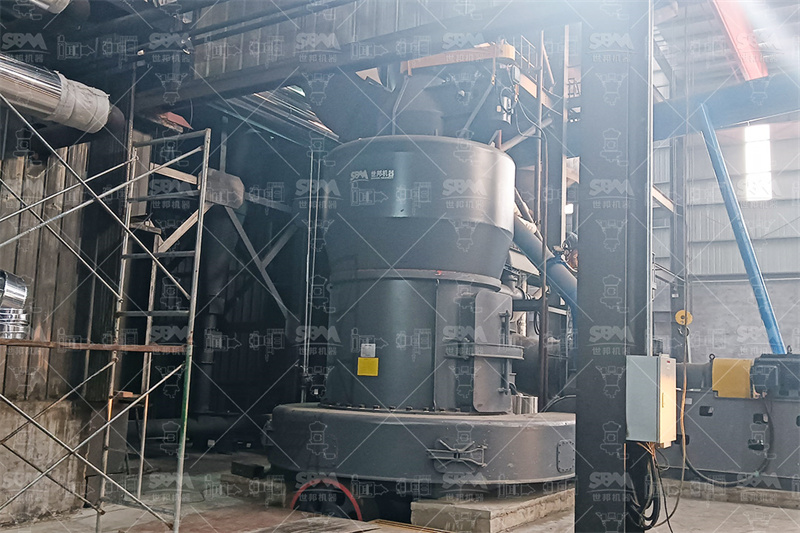
Recommended Product 1: SCM Series Ultrafine Mill
For glass manufacturers requiring ultrafine limestone powder (325–2500 mesh), the SCM Series Ultrafine Mill is an ideal solution. Its core parameters include input size ≤20mm, output fineness 325–2500 mesh, and capacity from 0.5 to 25 t/h depending on the model. The mill operates on a unique principle: the main motor drives three layers of grinding rings to rotate, dispersing materials into the grinding path by centrifugal force, where they are crushed by roller pressure and ground layer by layer. A cyclone collector and pulse dust removal system complete the powder collection.
Technical Advantages:
- High Efficiency & Energy Saving: Capacity is twice that of jet mills, with 30% lower energy consumption. Intelligent control with automatic finished product granularity feedback ensures optimal performance.
- High-Precision Classification: The vertical turbine classifier achieves precise particle size cutting, with no coarse powder mixing, ensuring uniform finished products.
- Durable Design: Special material rollers and rings extend service life several times over. The shaftless screw grinding chamber ensures stable operation.
- Eco-friendly & Low Noise: Pulse dust collection efficiency exceeds international standards, and the soundproof room design ensures low noise levels.
With models ranging from SCM800 (0.5–4.5 t/h) to SCM1680 (5–25 t/h), there is a configuration to match virtually any glass production scale. For a typical glass plant requiring 5 t/h of 800-mesh limestone powder, the SCM1250 model (2.5–14 t/h, 185 kW) would be a robust choice.
Recommended Product 2: MTW Series European Trapezium Mill
For glass manufacturers who need a balance between coarse and fine grinding (30–325 mesh) with higher capacity, the MTW Series European Trapezium Mill is an excellent option. Its input size is ≤50mm, output fineness 30–325 mesh (down to 0.038mm), and capacity from 3 to 45 t/h. The mill uses a main motor to drive grinding rollers that revolve around a central axis while self-rotating, generating centrifugal force. Shovels throw materials between the ring and rollers to form a material layer, achieving efficient crushing through extrusion. The classification system precisely controls the finished product size.
Technical Advantages:
- Anti-wear Shovel Design: Combined shovel blades reduce maintenance costs, and the curved design extends grinding roller life.
- Optimized Arc Air Duct: Reduces airflow energy loss and improves transmission efficiency. High-strength guard plates protect the air duct working surface.
- Integral Bevel Gear Drive: Transmission efficiency up to 98%, saves space, and reduces installation costs.
- Wear-resistant Volute Structure: Non-resistance flow design improves air selection efficiency, and maintenance costs are reduced by 30%.
The MTW series includes models from MTW110 (3–9 t/h) up to MTW215G (15–45 t/h), with main power from 55 kW to 280 kW. For a glass production line requiring 20 t/h of 200-mesh limestone powder, the MTW175G (9.5–25 t/h, 160 kW) is a perfect fit. The mill also features patented technology such as an internal suction oil lubrication system and internationally advanced pulse dust removal, ensuring reliable and clean operation.
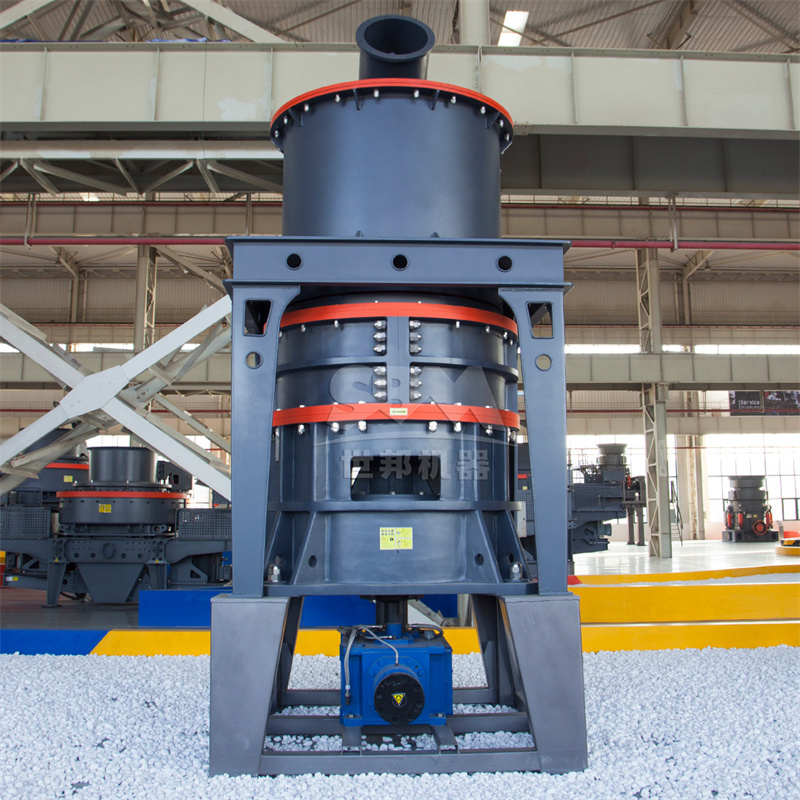
Comparing SCM and MTW for Glass Applications
Both the SCM and MTW series are engineered to deliver superior performance in limestone grinding for glass. The choice between them depends primarily on the required fineness and capacity. If your glass formula demands ultrafine powder (e.g., 800 mesh or finer) and you prioritize energy efficiency and precise particle size distribution, the SCM Series Ultrafine Mill is the clear winner. Its ability to produce uniform particles without coarse contamination directly translates to fewer glass defects and faster melting. On the other hand, if your production line requires a coarser grind (e.g., 200–325 mesh) at higher tonnages, the MTW Series European Trapezium Mill offers an unbeatable combination of capacity, durability, and low maintenance. Its robust construction and efficient classification make it a workhorse for continuous glass production.
Installation and Operational Considerations
When integrating a grinding mill into your glass production line, consider the following:
- Layout and Footprint: The SCM series has a relatively compact design, while the MTW series may require additional space for the classifier and fan. Both can be installed indoors or outdoors with proper weather protection.
- Feed Preparation: Ensure limestone feed size is within the mill’s specified input range (≤20mm for SCM, ≤50mm for MTW). A pre-crushing stage using a hammer mill or jaw crusher may be necessary.
- Dust Collection: Both mills come with integrated pulse dust collectors, but you should verify that the filtration capacity matches your production rate and local emission regulations.
- Maintenance Schedule: Establish a preventive maintenance plan. For SCM, inspect rollers and rings every 1,500 hours; for MTW, check shovel blades and grinding rollers every 2,000 hours. Use original wear parts to ensure longevity.
- Automation Integration: Both mills can be connected to your plant’s PLC system for remote monitoring and control. The SCM’s automatic granularity feedback is particularly useful for maintaining consistent quality.
Conclusion
Selecting the right grinding mill for limestone processing in your glass production line is a strategic decision that affects product quality, energy costs, and environmental compliance. The SCM Series Ultrafine Mill and MTW Series European Trapezium Mill from our company represent the latest in grinding technology, offering high efficiency, precise classification, durable construction, and eco-friendly operation. By carefully assessing your fineness requirements, capacity needs, and operational preferences, you can choose the mill that will optimize your glass production for years to come. For further assistance, our technical team is ready to help you select the ideal model and configure a complete limestone processing system tailored to your specific glass formulation.