
Introduction: The Critical Role of Flux Limestone in Metallurgical Processes
In the demanding world of steelmaking and smelting, the selection of raw materials and processing equipment directly impacts operational efficiency, product quality, and environmental compliance. Among these critical raw materials, metallurgical flux limestone plays an indispensable role. It is not merely a filler but a chemical agent essential for removing impurities, forming slag, and controlling the chemistry of the molten metal bath. However, the effectiveness of limestone as a flux is profoundly influenced by its particle size distribution and fineness. This is where the choice of grinding mill becomes a strategic decision. A mill that is improperly matched to the application can lead to high energy costs, inconsistent product quality, and operational bottlenecks. This article provides a comprehensive guide for plant managers and metallurgists on how to select the optimal grinding mill for processing metallurgical flux limestone, and it highlights advanced equipment solutions from our company designed to meet these exacting standards.
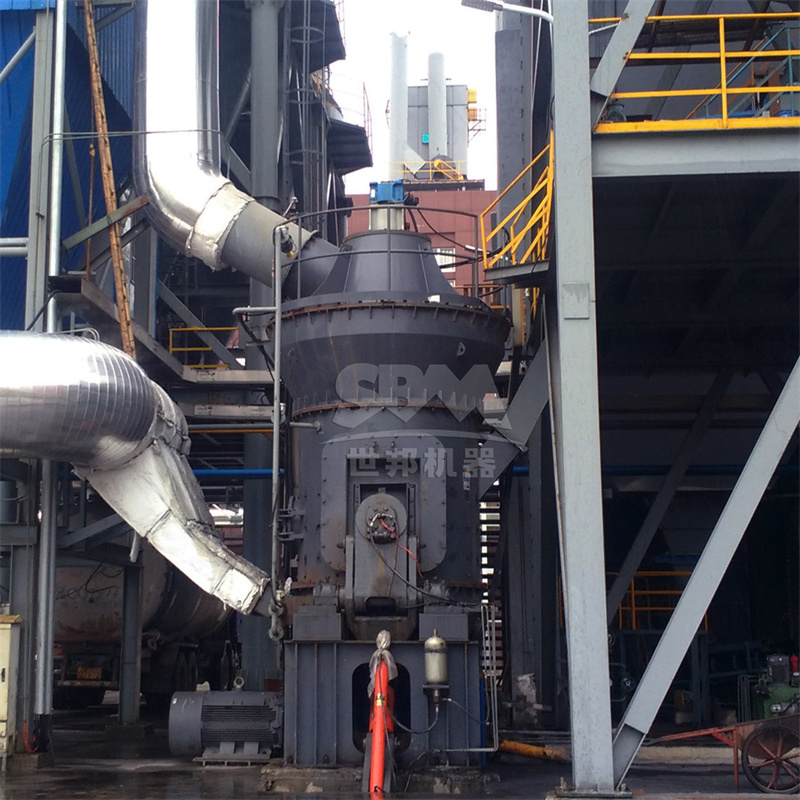
The Role of Flux Limestone in Steelmaking and Smelting
Before delving into equipment selection, it is crucial to understand why limestone is added to metallurgical furnaces. In both blast furnaces for ironmaking and basic oxygen furnaces (BOF) or electric arc furnaces (EAF) for steelmaking, limestone (calcium carbonate, CaCO3) serves several vital functions:
- Slag Formation: Limestone decomposes into calcium oxide (CaO) and carbon dioxide (CO2) at high temperatures. The resulting CaO combines with impurities like silica (SiO2), alumina (Al2O3), and sulfur (S) to form a molten slag layer. This slag absorbs and removes these impurities from the metal.
- Desulfurization: A highly basic slag, rich in CaO, is essential for removing sulfur from the molten metal. Proper slag chemistry, governed by the amount and reactivity of the flux, is critical to producing clean steel.
- Refractory Protection: The slag layer also protects the furnace’s refractory lining from the extreme heat and chemical attack of the molten metal.
- Temperature Control: The calcination of limestone is an endothermic reaction, absorbing heat, which can help regulate furnace temperature.
The reactivity of the limestone is paramount. Finer particles have a larger surface area, which accelerates the calcination reaction and the subsequent formation of slag. A typical requirement for flux limestone in steelmaking is a particle size of less than 3mm, with a significant portion often required to be below 1mm or even finer for certain injection processes. Therefore, the grinding circuit is the heart of flux preparation.
Key Criteria for Selecting a Grinding Mill for Flux Limestone
Choosing the right mill requires a careful analysis of several key factors. There is no one-size-fits-all solution; the optimal choice depends on the specific requirements of the smelting operation.
1. Required Fineness (Particle Size Distribution)
This is the most critical parameter. For flux applications, the target fineness usually ranges from 0-3mm for lump flux to finer sizes like 200 mesh (75μm) or 325 mesh (45μm) for pulverized injection. A mill that cannot consistently achieve the desired PSD will lead to poor slag formation and inefficient desulfurization. As a rule of thumb, the finer the required product, the more energy-intensive the grinding process becomes.
2. Capacity and Throughput
The mill must be able to handle the required tonnage per hour to match the consumption rate of the furnace. Under-sizing the mill will create a production bottleneck, while over-sizing it results in unnecessary capital expenditure and higher energy consumption per ton. Accurate calculation of the required capacity, considering future production increases, is essential.
3. Energy Efficiency and Operating Costs
Grinding is one of the most energy-intensive operations in a metallurgical plant. The cost of electricity is a major operational expense. Selecting a mill with a high energy efficiency ratio (tons of product per kWh) is crucial for long-term profitability. Additionally, wear parts consumption (rollers, rings, liners) contributes significantly to operating costs. A mill with durable, long-lasting wear components offers a better total cost of ownership.
4. Reliability and Maintenance
In a continuous smelting operation, unscheduled downtime is extremely costly. The grinding mill must be robust and reliable. Easy access for maintenance, quick-change systems for wear parts, and a reputation for durability are important considerations. A mill with a complex or fragile design will lead to frequent stoppages and lost production.
5. Environmental Performance
Modern metallurgical plants are subject to stringent environmental regulations. The grinding system must be equipped with effective dust collection systems to prevent fugitive emissions. Noise levels should also be controlled to provide a safe and comfortable working environment.
6. Return on Investment (ROI)
While the initial purchase price is a factor, the total cost of ownership (TCO) is what truly matters. A mill with a higher upfront cost but lower energy consumption, longer wear life, and higher reliability can offer a much better ROI over its lifespan.
Our Grinding Mill Solutions for the Metallurgical Industry
At our company, we understand the unique challenges of processing metallurgical flux limestone. We offer a range of advanced grinding mills engineered to deliver superior performance, energy efficiency, and reliability. Two of our flagship products are particularly well-suited for this application: the LM Series Vertical Roller Mill and the MTW Series European Trapezium Mill.
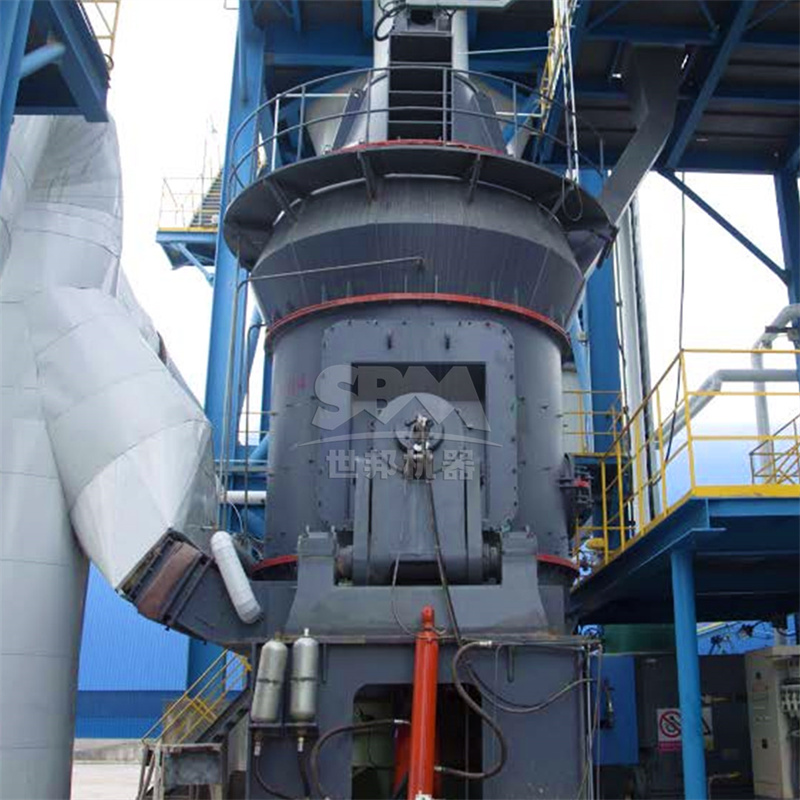
1. LM Series Vertical Roller Mill: The Ultimate Solution for High-Capacity Flux Grinding
For large-scale steel plants requiring high throughputs of finely ground flux, the LM Series Vertical Roller Mill is the ideal choice. This mill represents the pinnacle of grinding technology, offering unmatched efficiency and reliability.
Why the LM Series is Perfect for Flux Limestone:
- Integrated Design & Low Operating Costs: The LM mill integrates crushing, grinding, and classification into a single, compact unit. This design reduces floor space by up to 50% and allows for outdoor installation, cutting infrastructure costs by 40%. More importantly, its non-contact design between rollers and table means wear part life is increased by up to 3 times. Energy consumption is 30-40% lower than traditional ball mill systems, leading to substantial savings on electricity.
- High Capacity: With a capacity range from 3 to 250 tons per hour, the LM Series can meet the demands of any size smelting operation. Models like the LM220K and LM280K are capable of processing over 100 tons per hour, ensuring a continuous supply of flux to the furnace.
- Precise Product Control: The integrated dynamic classifier ensures precise control over the final product fineness, ranging from 30 to 325 mesh. This flexibility allows for the production of different flux grades for various applications, from lump flux to pulverized injection.
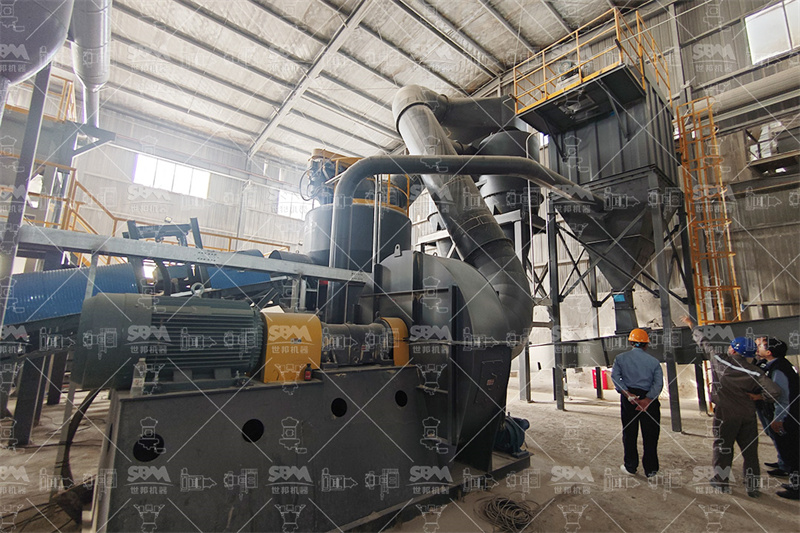
- Intelligent & Eco-friendly: The LM mill features an expert-level auto-control system that supports remote and local switching, with real-time monitoring of key parameters. The fully sealed negative pressure operation and advanced pulse dust removal system ensure dust emissions are well within the most stringent international standards. Operating noise is also significantly reduced.
For a mid-sized steel plant looking to upgrade its flux preparation section, the LM190K (23-68 t/h) or LM220K (36-105 t/h) models offer an excellent balance of capacity and efficiency. For a smaller, specialized smelting facility, the LM130K (10-28 t/h) is a compact and highly effective solution.
2. MTW Series European Trapezium Mill: Versatility and Precision for a Range of Flux Products
While the LM mill excels in high-capacity applications, the MTW Series European Trapezium Mill offers a versatile and highly efficient solution for producing a wide range of product fineness, from 30 to 325 mesh. It is an excellent choice for plants that require flexibility or need to produce finer, more specialized flux grades.
Key Advantages of the MTW Series:
- Optimized for Efficiency: The MTW mill features a patented arc air duct and an integral bevel gear drive, which reduces airflow energy loss and achieves a transmission efficiency of up to 98%. This translates directly into lower power consumption per ton of product.
- Durable and Reliable: The wear-resistant volute structure and anti-wear shovel design not only improve air selection efficiency but also reduce maintenance costs by up to 30%. The curved grinding roller design extends service life, ensuring stable operation and consistent product quality.
- Precise Classification: The MTW mill’s high-efficiency classifier provides precise control over the final particle size, ensuring a uniform product with no coarse powder contamination. This is crucial for achieving consistent and predictable results in the smelting process.
- Proven Technology: Based on our patented technology, including an internal suction oil lubrication system and advanced pulse dust removal, the MTW mill is a reliable workhorse for the metallurgical industry.
For a plant that needs to produce 15-25 tons per hour of flux at a fineness of 200 mesh, the MTW175G model is an ideal fit. It combines a substantial capacity with the precision and efficiency that the MTW series is known for. For smaller operations or when finer grinding is needed, the MTW138Z (6-17 t/h) is a robust and dependable choice.
Conclusion: A Strategic Partnership for Your Success
The selection of a grinding mill for metallurgical flux limestone is a decision that reverberates through the entire steelmaking or smelting process. It is a choice that balances capital investment against operational costs, production capacity against product quality, and technical performance against environmental responsibility. By focusing on key criteria such as required fineness, capacity, energy efficiency, and reliability, plant operators can make an informed decision.
Our company is more than just a supplier of equipment; we are a strategic partner in your success. Our LM Series Vertical Roller Mill and MTW Series European Trapezium Mill are engineered to deliver the performance, efficiency, and reliability that the demanding metallurgical industry requires. We invite you to consult with our experts to find the perfect grinding solution tailored to your specific flux processing needs. Together, we can enhance your operational efficiency, reduce your costs, and contribute to the production of high-quality steel and metals.