
Introduction
Molybdenum, a refractory metal with a high melting point and exceptional strength, is indispensable in metallurgy, aerospace, and chemical industries. Metallurgical-grade molybdenum ore powder, typically requiring a fineness range of 45–600 mesh (about 25–250 μm), is the primary feedstock for ferromolybdenum production, catalysts, and lubricants. Choosing the right grinding mill is critical to achieving consistent particle size, high throughput, and low operational cost. This article provides a professional guide to selecting grinding equipment for molybdenum processing, based on our company’s extensive product portfolio. We will compare key mill types—vertical roller mills, trapezium mills, ultrafine mills, and ball mills—and highlight two recommended solutions: the LM Series Vertical Roller Mill and the MTW Series European Trapezium Mill.
1. Key Criteria for Mill Selection in Molybdenum Processing
Before evaluating equipment, define your production targets:
- Fineness requirement: Metallurgical-grade molybdenum powder usually demands 80% passing 200 mesh (75 μm) or finer for efficient reduction. Some applications require 325 mesh (45 μm) or even 600 mesh.
- Capacity: Small plants may need 3–10 t/h; large operations can require 50–250 t/h.
- Ore characteristics: Molybdenum ore (molybdenite) has a Mohs hardness of 1–1.5, but associated gangue (quartz, feldspar) can raise abrasiveness. Moisture content also affects dry vs. wet grinding.
- Energy efficiency: Grinding is energy-intensive; mills with integrated classification and low power consumption reduce operating costs.
- Environmental compliance: Dust control and noise reduction are mandatory in modern plants.
With these criteria, we examine the most suitable mill technologies from our product line.
2. Recommended Solution 1: LM Series Vertical Roller Mill – For Large-Scale, Energy-Efficient Grinding
The LM Series Vertical Roller Mill is our flagship solution for medium-to-large molybdenum processing plants. It integrates crushing, grinding, and classification in a single unit, reducing floor space by 50% and infrastructure costs by 40% compared to conventional ball mill systems.
Technical highlights for molybdenum:
- Capacity range: 3–250 t/h, with models like LM130K (10–28 t/h) to LM280K (50–170 t/h). This scalability suits both pilot plants and industrial-scale operations.
- Fineness: Adjustable from 30 to 325 mesh (down to 45 μm), with special models reaching 600 mesh. The dynamic classifier ensures precise cut points, minimizing over-grinding.
- Energy savings: The non-contact grinding principle (rollers over a rotating table) reduces energy consumption by 30–40% compared to ball mills. Wear part life is extended threefold.
- Intelligent control: The expert-level auto-control system enables remote monitoring and real-time parameter adjustment, reducing manual intervention.
- Environmental performance: Fully sealed negative pressure operation with pulse dust removal achieves emissions well below international standards; noise levels are also minimized.
For a molybdenum plant producing 20–50 t/h at 200 mesh, the LM190K or LM220K model offers an optimal balance of capacity and power (500–800 kW). The modular grinding roller assembly allows quick wear-part changes, minimizing downtime.
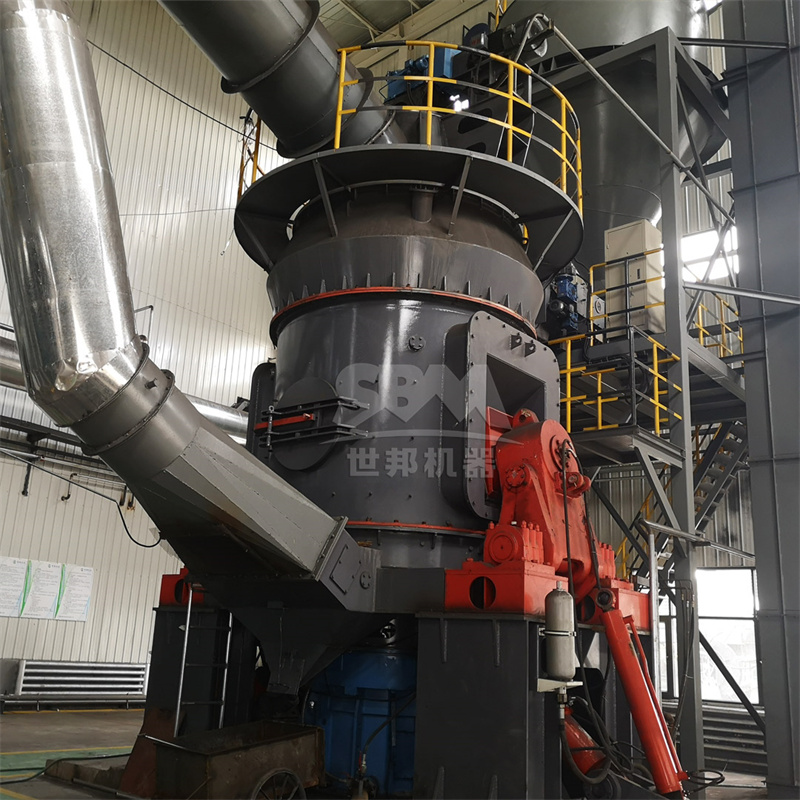
Figure 1: LM Series Vertical Roller Mill – integrated grinding and classification for high-capacity molybdenum powder production.
3. Recommended Solution 2: MTW Series European Trapezium Mill – For Flexible, Medium-Scale Production
When your molybdenum processing plant requires capacities between 3 and 45 t/h with fineness from 30 to 325 mesh, the MTW Series European Trapezium Mill is an excellent choice. It combines advanced European grinding technology with robust construction, making it ideal for processing abrasive molybdenum ores.
Technical highlights for molybdenum:
- Capacity range: 3–45 t/h across models (MTW110 to MTW215G). The MTW138Z (6–17 t/h) is particularly popular for medium-scale ferromolybdenum plants.
- Fineness: 30–325 mesh (0.038–0.6 mm), with precise classification via an integral bevel gear drive (98% transmission efficiency).
- Wear protection: The anti-wear shovel design and curved grinding rollers reduce maintenance costs. The wear-resistant volute structure lowers maintenance by 30%.
- Energy efficiency: The optimized arc air duct reduces airflow energy loss, and the high-efficiency classifier prevents over-grinding.
- Compact footprint: The integral bevel gear drive saves space and reduces installation costs, making it suitable for retrofits or limited-space plants.
For a plant requiring 10–15 t/h at 200 mesh, the MTW138Z (90 kW main motor) delivers reliable performance with low maintenance. The patented internal suction oil lubrication system ensures long bearing life even in dusty environments.
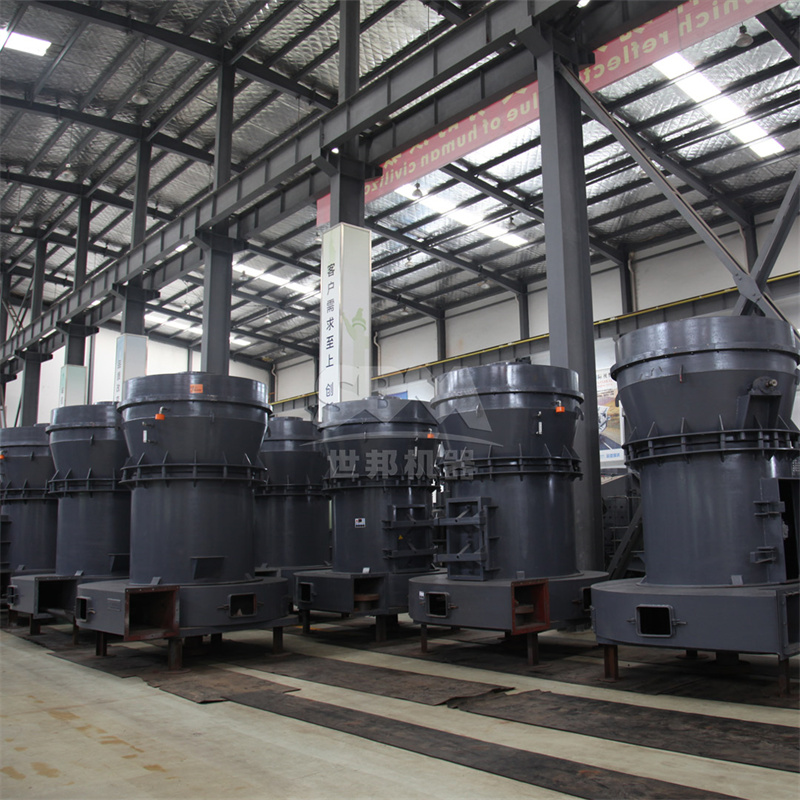
Figure 2: MTW Series European Trapezium Mill – flexible and wear-resistant for medium-scale molybdenum grinding.
4. Other Mill Options: When to Consider Ultrafine or Ball Mills
For specialized applications requiring ultra-fine molybdenum powder (e.g., 800–2500 mesh for catalysts or lubricants), the SCM Series Ultrafine Mill is recommended. It achieves 325–2500 mesh with a capacity of 0.5–25 t/h, featuring a vertical turbine classifier for precise particle size cutting and 30% lower energy consumption than jet mills.
If your plant requires coarser grinding (0.074–0.8 mm) or wet grinding, the Ball Mill remains a proven workhorse. With capacities up to 450 t/h and high crushing ratio (300:1), it is suitable for integrated mineral processing. However, ball mills have higher energy consumption and noise levels; the LM Series is generally preferred for dry molybdenum powder production.
For small-scale or laboratory use, the MTM Series Medium-speed Trapezium Mill (3–22 t/h, 45–325 mesh) and Hammer Mill (0–3 mm) offer cost-effective alternatives.
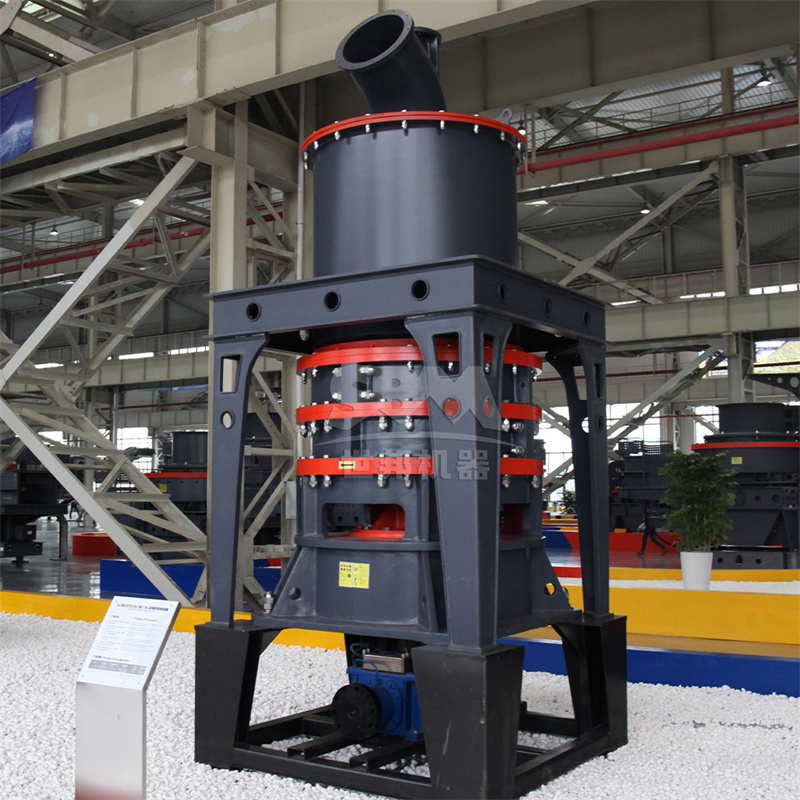
Figure 3: SCM Series Ultrafine Mill – for high-precision ultrafine molybdenum powder.
5. Decision Matrix: Matching Mill to Your Plant’s Needs
| Criteria | LM Vertical Roller Mill | MTW Trapezium Mill | SCM Ultrafine Mill | Ball Mill |
|---|---|---|---|---|
| Capacity (t/h) | 3–250 | 3–45 | 0.5–25 | 0.65–450 |
| Fineness (mesh) | 30–325 (600 special) | 30–325 | 325–2500 | 0.074–0.8 mm |
| Energy efficiency | Excellent (30–40% savings) | Good | Excellent (30% vs. jet mill) | Moderate |
| Footprint | Small (integrated) | Compact | Moderate | Large |
| Best for | Large-scale dry grinding | Medium-scale, abrasive ore | Ultrafine powder | Coarse/wet grinding |
For most metallurgical-grade molybdenum powder plants, the LM Series offers the lowest total cost of ownership due to its energy efficiency and high availability. The MTW Series is ideal for producers seeking a reliable, lower-capital-cost solution with easy maintenance.
6. Conclusion
Selecting the right grinding mill for molybdenum ore powder production depends on your specific fineness, capacity, and operational constraints. Our LM Series Vertical Roller Mill and MTW Series European Trapezium Mill represent two proven, high-performance solutions that meet the rigorous demands of metallurgical-grade molybdenum processing. Both incorporate advanced classification, wear protection, and environmental controls to ensure consistent product quality and low operating costs. For ultrafine requirements, the SCM Series provides an efficient alternative. We invite you to consult our engineers to tailor a grinding system to your molybdenum plant’s exact needs.