
Introduction
The construction industry is increasingly turning to sustainable materials, and non-fired bricks incorporating slag filler have emerged as a promising solution. These bricks, produced without high-temperature firing, significantly reduce energy consumption and carbon emissions while valorizing industrial by-products such as blast furnace slag, steel slag, and other metallurgical residues. However, the successful production of high-quality non-fired bricks hinges on the selection of appropriate processing equipment—particularly grinding and mixing machinery that can handle the abrasive nature of slag and achieve the required particle size distribution. This buyer’s guide provides a comprehensive overview of the key equipment categories, selection criteria, and practical considerations for setting up or upgrading a non-fired brick production line using slag filler. We will also highlight two exceptional products from our portfolio—the SCM Series Ultrafine Mill and the MTW Series European Trapezium Mill—that are particularly well-suited for slag processing in this application.
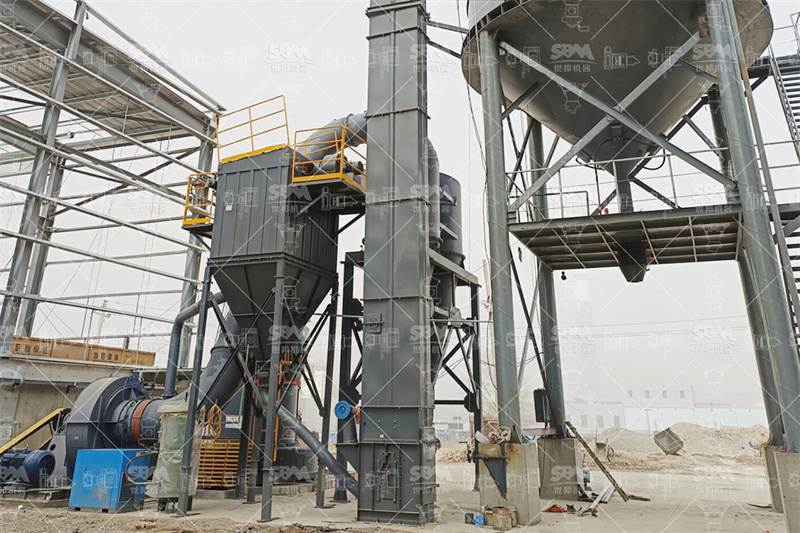
Understanding Slag as a Filler in Non-Fired Bricks
Slag, a by-product of steelmaking and ironmaking, possesses latent hydraulic properties that make it an excellent supplementary cementitious material. When finely ground, slag can react with activators (such as alkalis or cement clinker) to form cementitious compounds, contributing to the strength and durability of non-fired bricks. The performance of slag filler depends critically on its fineness: a higher specific surface area generally leads to greater reactivity. Typical fineness requirements for slag in non-fired brick formulations range from 400 to 600 m²/kg (Blaine), corresponding to a median particle size (D50) of approximately 10–30 μm. In some high-performance applications, ultrafine slag with D50 below 5 μm may be desired. Therefore, the grinding equipment must be capable of achieving these fineness levels consistently and efficiently.
Moreover, slag is abrasive and can contain metallic iron particles, which poses challenges for wear parts. Equipment must be designed with durable materials and easily replaceable wear components. Additionally, the moisture content of slag can vary, so drying may be necessary before grinding, or the mill should be capable of handling some moisture. The choice of grinding technology—ball mill, vertical roller mill, trapezium mill, or ultrafine mill—depends on the required fineness, capacity, energy efficiency, and capital cost.
Key Equipment Categories for Non-Fired Brick Production
A typical non-fired brick production line using slag filler comprises several stages: raw material storage and handling, batching and weighing, grinding (of slag and other components), mixing, forming, curing, and packaging. The grinding stage is often the most energy-intensive and critical for product quality. Other equipment includes mixers, batching systems, brick presses, and curing chambers. This guide focuses on the grinding machinery, as it is the heart of the process.
1. Grinding Mills
Grinding mills reduce the slag to the required fineness. Common types include:
- Ball Mills: Traditional, robust, and capable of producing fine powders. However, they are energy-intensive and have low grinding efficiency, especially for ultrafine products. They are suitable for capacities up to 450 t/h and can achieve fineness down to 0.074 mm (200 mesh). For slag ultrafine grinding, ball mills are less efficient.
- Vertical Roller Mills (VRM): Such as the LM series, offer high efficiency and large capacity (up to 250 t/h for minerals). They integrate crushing, grinding, and classification, and can handle abrasive materials with low wear rates. VRMs are excellent for slag grinding, especially when combined with hot gas for drying. Fineness up to 600 mesh is achievable.
- Trapezium Mills: The MTW and MTM series are improved Raymond-style mills with higher capacity and fineness. They are cost-effective for medium-fine grinding (30–325 mesh) and capacities up to 45 t/h. The MTW series features advanced design for reduced maintenance and improved efficiency.
- Ultrafine Mills: The SCM series is a specialized ultrafine grinder capable of producing powders from 325 to 2500 mesh (5–45 μm) with high efficiency. It is ideal when very fine slag is needed to enhance reactivity.
- Hammer Mills and Crushers: Used for primary crushing of raw materials before grinding.
2. Mixing Equipment
After grinding, the slag filler must be uniformly mixed with other ingredients (cement, sand, water, admixtures). Twin-shaft paddle mixers or planetary mixers are commonly used to ensure homogeneity.
3. Batching and Feeding Systems
Accurate weighing and feeding of slag, cement, aggregates, and water are essential for consistent brick quality. Automated batching systems with PLC control are recommended.
4. Brick Presses
Hydraulic or mechanical presses form the bricks under high pressure. The choice depends on desired production rate and brick size.
5. Curing Systems
Non-fired bricks require curing under controlled temperature and humidity to develop strength. Steam curing or natural curing in chambers is typical.
Selection Criteria for Grinding Equipment
When selecting a mill for slag grinding in non-fired brick production, consider the following factors:
- Required Fineness: Determine the target specific surface area or particle size distribution. For most non-fired bricks, a Blaine fineness of 400–500 m²/kg is sufficient, achievable with trapezium or vertical roller mills. For high-strength bricks, ultrafine grinding may be necessary.
- Capacity: Match the mill capacity to the production line’s demand. Consider both current and future expansion plans.
- Energy Efficiency: Grinding is energy-intensive. Choose equipment with low power consumption per ton, such as VRMs or the SCM ultrafine mill, which boasts 30% lower energy consumption than jet mills.
- Wear and Maintenance: Slag is abrasive. Look for mills with wear-resistant materials (e.g., special alloy rollers and rings) and easy maintenance features. The MTW series has an anti-wear shovel design that reduces maintenance costs.
- Environmental Compliance: Dust and noise emissions must be controlled. Equipment with pulse dust collection and soundproofing is preferred.
- Capital and Operating Costs: Balance initial investment with long-term operating expenses. High-efficiency mills may have higher upfront costs but lower energy and maintenance costs over time.
- Space Requirements: Vertical mills have a smaller footprint than ball mills, which can be advantageous in constrained sites.
Recommended Equipment from Our Portfolio
Our company offers a range of proven milling solutions suitable for slag processing in non-fired brick production. Below we highlight two products that excel in this application.
SCM Series Ultrafine Mill
The SCM Series is an advanced ultrafine grinding mill designed for high efficiency and precision. It is particularly recommended when the slag filler needs to be ground to ultrafine levels (e.g., D50 < 10 μm) to maximize reactivity and improve brick strength. Key features include:
- Fineness: 325–2500 mesh (5–45 μm), adjustable.
- Capacity: 0.5–25 t/h depending on model.
- Energy Efficiency: Capacity is twice that of jet mills, with 30% lower energy consumption.
- Intelligent Control: Automatic finished product granularity feedback ensures consistent quality.
- High-Precision Classification: Vertical turbine classifier achieves precise particle size cutting, with no coarse powder mixing.
- Durable Design: Special material rollers and rings extend service life several times over; shaftless screw grinding chamber ensures stable operation.
- Eco-friendly: Pulse dust collection efficiency exceeds international standards; soundproof room design ensures low noise levels.
With models from SCM800 (0.5–4.5 t/h) up to SCM1680 (5–25 t/h), the SCM Series can be scaled to match any production capacity. Its ability to produce ultrafine slag powder makes it an excellent choice for high-performance non-fired bricks.
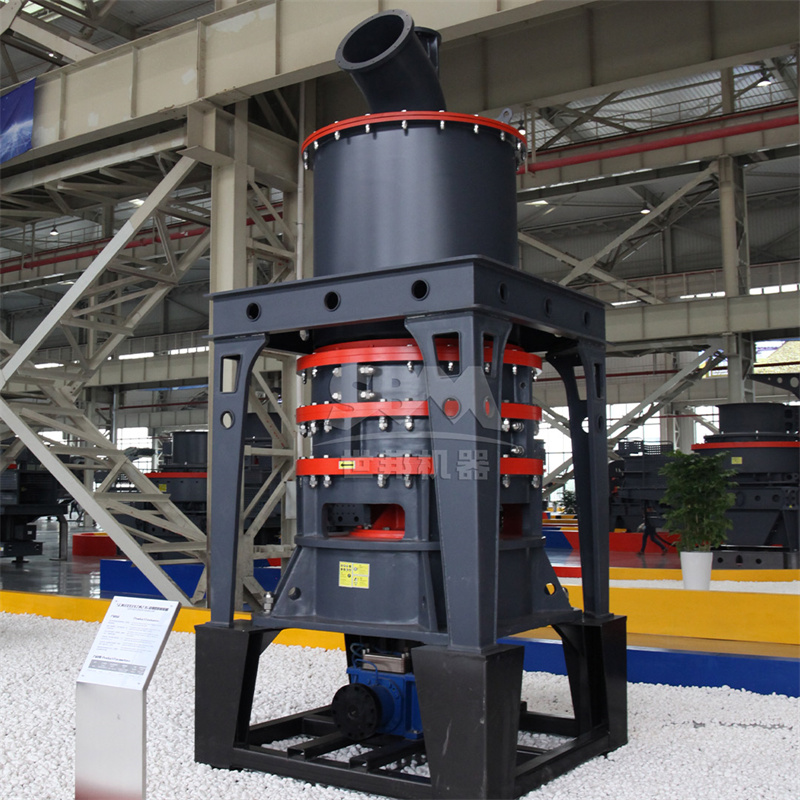
MTW Series European Trapezium Mill
The MTW Series is a versatile and cost-effective solution for medium-fine grinding of slag. It is ideal for producing slag filler with fineness in the range of 30–325 mesh (down to 0.038 mm), which covers the typical requirements for non-fired bricks. Notable advantages include:
- Anti-wear Shovel Design: Combined shovel blades reduce maintenance costs; curved design extends grinding roller life.
- Optimized Arc Air Duct: Reduces airflow energy loss and improves transmission efficiency; high-strength guard plates protect the air duct.
- Integral Bevel Gear Drive: Transmission efficiency up to 98%, saving space and reducing installation costs.
- Wear-resistant Volute Structure: Non-resistance flow design improves air selection efficiency; maintenance costs reduced by 30%.
- Capacity: 3–45 t/h depending on model (e.g., MTW215G up to 45 t/h).
- Patented Technology: Independent intellectual property rights, internal suction oil lubrication system, and internationally advanced pulse dust removal technology.
The MTW Series offers a reliable, low-maintenance grinding solution with high throughput, making it a workhorse for slag processing in brick plants. Its fineness range is perfectly aligned with the needs of non-fired brick formulations.
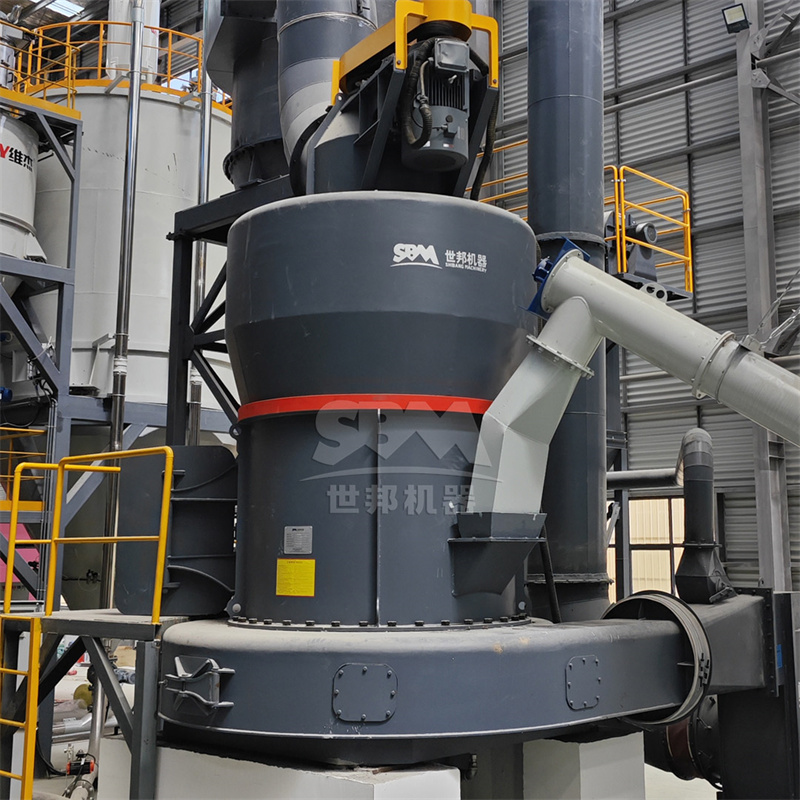
Integration and Process Design Considerations
When integrating grinding equipment into a non-fired brick production line, several process design aspects should be addressed:
- Material Handling: Slag should be stored in covered silos to prevent moisture ingress. Feeders should be designed to handle abrasive materials.
- Drying: If slag moisture exceeds 1–2%, drying may be required before grinding. Vertical roller mills can handle higher moisture by utilizing hot gas, while other mills may require a separate dryer.
- Classification: Efficient classifiers are essential to ensure the desired particle size distribution and avoid over-grinding. Both SCM and MTW series feature advanced classification systems.
- Dust Collection: A centralized dust collection system should be installed to capture emissions from grinding, mixing, and material transfer points. Pulse jet collectors are standard.
- Automation: PLC-based control systems can optimize grinding parameters, monitor wear, and ensure consistent product quality. The SCM series offers intelligent control with automatic granularity feedback.
- Wear Management: Establish a preventive maintenance schedule for wear parts. Choose equipment with easy access for replacement, such as the SCM’s shaftless screw grinding chamber or the MTW’s combined shovel blades.
Economic and Environmental Benefits
Using slag filler in non-fired bricks offers dual benefits: it reduces the environmental impact of slag disposal and lowers the carbon footprint of brick production by avoiding firing. The grinding equipment selection directly affects the economic viability of the project. High-efficiency mills like the SCM and MTW series reduce energy consumption per ton of product, lowering operating costs. Additionally, the use of industrial by-products can qualify for carbon credits or green building certifications, enhancing market competitiveness.
In terms of capital expenditure, trapezium mills generally have a lower initial cost than ultrafine mills, but if ultrafine grinding is required for high-value products, the SCM series provides a rapid return on investment through improved product performance and energy savings. A thorough cost-benefit analysis should consider the entire lifecycle, including installation, energy, maintenance, and spare parts.
Conclusion
Selecting the right machinery for non-fired brick production using slag filler is a strategic decision that impacts product quality, operational efficiency, and profitability. Grinding is the critical step, and the choice between ultrafine mills, trapezium mills, vertical roller mills, and ball mills depends on specific fineness requirements, capacity needs, and budget constraints. Our SCM Series Ultrafine Mill and MTW Series European Trapezium Mill represent state-of-the-art solutions that deliver high efficiency, durability, and environmental compliance. By carefully evaluating your process requirements and leveraging advanced equipment, you can establish a robust and sustainable production line that capitalizes on the benefits of slag-based non-fired bricks. For personalized guidance, please consult our technical team to select the optimal configuration for your project.