
Introduction: The Role of Coal Gangue in Modern Cement Manufacturing
In the global pursuit of sustainable construction, the cement industry faces a dual challenge: maintaining production efficiency while reducing environmental impact. One of the most promising solutions lies in the utilization of industrial by-products as cement additives. Among these, coal gangue—a solid waste generated during coal mining and washing—has emerged as a valuable raw material for cement admixtures. By incorporating processed coal gangue into the cement mix, manufacturers can reduce clinker consumption, lower CO₂ emissions, and improve the mechanical properties of the final product. However, the key to unlocking this potential lies in advanced processing equipment capable of handling the unique characteristics of coal gangue, such as its hardness, moisture content, and variable particle size distribution.
Coal Gangue: Composition and Processing Challenges
Coal gangue is primarily composed of silica (SiO₂), alumina (Al₂O₃), carbon residues, and trace minerals. When calcined or ground to a fine powder, it exhibits pozzolanic activity, making it an effective partial substitute for cement clinker. However, raw coal gangue typically has a high moisture content (15-30%) and a hard, abrasive structure. This poses significant challenges for conventional grinding mills, including rapid wear of grinding components, high energy consumption, and inconsistent product fineness. Therefore, specialized cement admixture processing equipment is essential to achieve the required fineness (typically 325-2500 mesh) and uniformity for optimal cement performance.
The Science of Grinding: From Coarse to Ultrafine
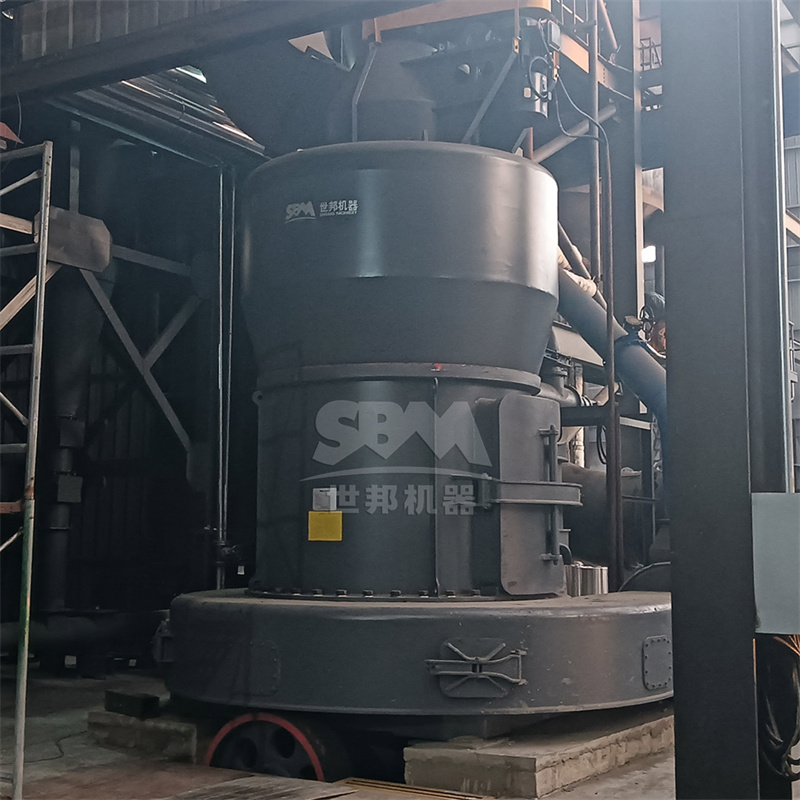
To transform coal gangue into a high-quality cement additive, the grinding process must be precisely controlled. The journey begins with primary crushing to reduce the feed size to under 20-50 mm, followed by fine or ultrafine grinding. The choice of mill technology directly impacts the efficiency of this transformation. For coal gangue, two critical parameters are output fineness and specific surface area. Finer particles react more readily with calcium hydroxide during cement hydration, enhancing the strength and durability of concrete. Additionally, uniform particle size distribution prevents segregation and ensures consistent performance in cement blends.
Advanced milling solutions now incorporate intelligent control systems that monitor and adjust grinding parameters in real-time. These systems optimize the energy input based on feed characteristics and desired fineness, significantly reducing operational costs. Furthermore, high-precision classification technologies, such as vertical turbine classifiers, ensure that only particles meeting the exact size specifications proceed to the final product, eliminating contamination from coarse powder.
Technical Advantages of Modern Cement Admixture Mills
Modern grinding mills designed for cement admixtures offer several distinct advantages:
- Energy Efficiency: New generation mills can achieve twice the capacity of traditional jet mills while consuming 30% less energy.
- Durability: Wear-resistant components made from special alloys extend the service life of rollers and grinding rings by several times, reducing downtime and maintenance costs.
- Environmental Compliance: Integrated pulse dust collection systems achieve emission levels that exceed international standards, while soundproof enclosures keep noise levels under 85 dB.
- Compact Footprint: Integrated designs combine crushing, grinding, and classification in a single system, reducing floor space requirements by up to 50%.
Introducing the SCM Series Ultrafine Mill: Precision Grinding for Cement Additives
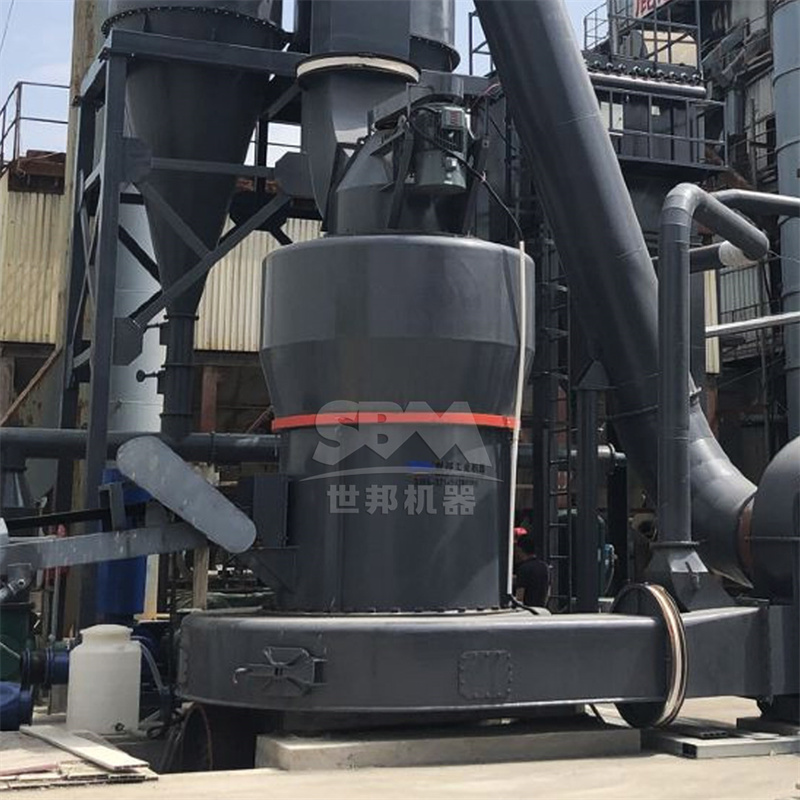
For cement plants seeking to process coal gangue into high-value ultrafine admixtures, the SCM Series Ultrafine Mill is a game-changing solution. This mill is specifically engineered for the 45-5μm range (325-2500 mesh), making it ideal for producing high-activity cement additives. The SCM800 model, with a capacity of 0.5-4.5 t/h and a main power of 75 kW, is perfect for small to medium-scale operations. For larger production demands, the SCM1680 model delivers an impressive 5.0-25 t/h with a 315 kW main motor.
Why choose the SCM Series? Its working principle involves a three-layer grinding ring driven by the main motor. Materials are dispersed by centrifugal force, crushed by roller pressure, and ground layer by layer, ensuring uniform particle size. The vertical turbine classifier provides precise particle size cutting, eliminating coarse powder mixing. Additionally, the system’s shaftless screw grinding chamber and intelligent control feedback mechanism ensure stable, automated operation. The smart control system automatically adjusts the finished product granularity, maintaining consistent quality even when feed characteristics vary.
This mill also excels in environmental performance. Its pulse dust collection system achieves filtration efficiency above 99.9%, and the soundproof room design keeps noise levels below 80 dB, making it one of the quietest and cleanest options on the market.
Alternative Solution: The MTW Series Trapezium Mill for Coarse-to-Medium Grinding
For applications where the target fineness is between 600-45μm (30-325 mesh), such as when coal gangue is used as a less active filler or for pre-grinding stages, the MTW Series European Trapezium Mill offers an unbeatable combination of efficiency and durability. The MTW215G model, with a capacity of 15-45 t/h and a main power of 280 kW, can handle feed sizes up to 50 mm, making it robust enough for high-throughput operations.
The MTW Series features an optimized arc air duct that reduces airflow energy loss, and an integral bevel gear drive with a transmission efficiency of 98%. Its anti-wear shovel design uses combined shovel blades to reduce maintenance costs, while the wear-resistant volute structure reduces maintenance costs by 30%. This mill is also equipped with patented internal suction oil lubrication and internationally advanced pulse dust removal technology.
Integration into the Cement Production Line
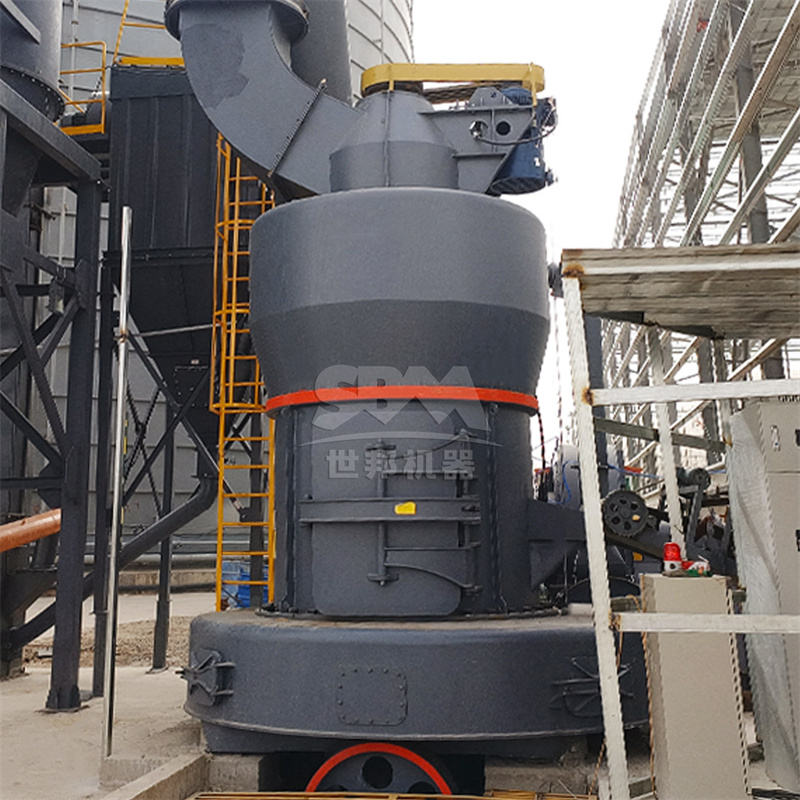
Successfully incorporating coal gangue as a cement additive requires more than just a grinding mill; it demands a holistic system design. The raw coal gangue first passes through a hammer mill or jaw crusher to reduce it to <20-50 mm. It is then dried or fed directly into the mill with hot air drying. The SCM or MTW mill produces the final powder, which is then classified, collected by cyclones and pulse dust collectors, and conveyed to storage silos. The entire process is controlled by a PLC system that can be integrated with the plant’s existing MES or SCADA systems.
The use of coal gangue can reduce the clinker factor in cement from 95% to as low as 70%, directly cutting CO₂ emissions by up to 25% per ton of cement. Furthermore, the improved particle packing density and pozzolanic reaction enhance the cement’s resistance to chemical attack and sulfate corrosion, extending the lifespan of concrete structures.
Environmental and Economic Benefits
From an economic perspective, processing coal gangue on-site eliminates the cost of waste disposal and landfill fees. It also provides a low-cost raw material that substitutes expensive clinker. For a typical cement plant producing 1 million tons per year, replacing 20% of clinker with coal gangue can save millions of dollars in raw material costs and carbon taxes. Moreover, many governments offer incentives for using industrial waste in construction materials, further improving the return on investment for upgrading to dedicated cement admixture processing equipment.
Conclusion: The Future of Sustainable Cement
As the construction industry moves toward carbon neutrality, the optimization of cement production through the use of additives like coal gangue will become standard practice. Investing in high-precision, durable, and energy-efficient milling equipment such as the SCM Series Ultrafine Mill or the MTW Series Trapezium Mill is not just a financial decision—it is a commitment to sustainability. These mills are designed to handle the toughest materials while delivering the consistent quality that modern cement standards require. By adopting these technologies, cement manufacturers can turn waste into a valuable resource, reduce their environmental footprint, and gain a competitive edge in the era of green construction.