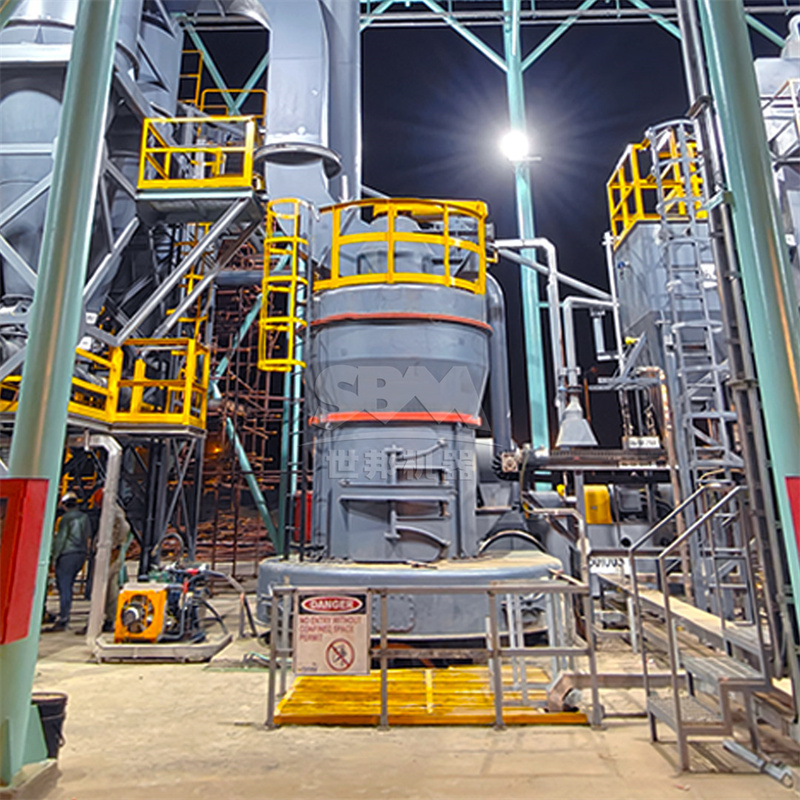
Introduction: The Critical Role of Molybdenum Ore Additives
In the competitive world of industrial lubricants, high-performance greases are defined by their ability to withstand extreme pressure, reduce friction, and endure high temperatures. Molybdenum disulfide (MoS₂), derived from molybdenum ore, is a premiere solid lubricant additive that provides these exact properties. However, the efficacy of MoS₂ is not solely determined by its chemical purity; the physical characteristics of the powder—specifically its particle size distribution and specific surface area—are paramount. The journey from raw molybdenite concentrate to a superior grease additive hinges entirely on the efficiency and precision of the grinding process. This article explores the essential grinding equipment required to optimize molybdenum ore additive production, focusing on how advanced milling technology maximizes the performance of lubricating greases.
The Material: From Molybdenite to MoS₂ Additive
Molybdenum ore, typically molybdenite (MoS₂), is processed to create a fine powder that is then incorporated into grease formulations. The lubricating mechanism of MoS₂ relies on its lamellar (layer-like) crystal structure. These layers slide over each other easily under shear stress, providing a low coefficient of friction. For this mechanism to work optimally within a grease matrix, the MoS₂ particles must be of a specific fineness and uniformity. Coarse particles can act as abrasives, while excessively fine particles may not provide adequate load-bearing capacity. The target fineness for premium lubricating greases often falls within the range of 325 to 2500 mesh (45μm to 5μm), demanding a grinding solution capable of high-precision classification and consistent output.
The Grinding Challenge: Hardness, Purity, and Particle Size
Processing molybdenum ore presents unique challenges. The material is relatively soft but can be abrasive to equipment. More critically, the grinding process must not introduce excessive iron contamination, which can degrade the performance of the final grease. Furthermore, the target particle size distribution must be narrow and controllable. A grinding mill must therefore offer: High Efficiency to lower energy costs per ton; High-Precision Classification to cut particles at the exact desired size; Durable Design to handle abrasive materials and minimize downtime; and Low Contamination through the use of wear-resistant components. The equipment selected directly determines the success of the additive production line.
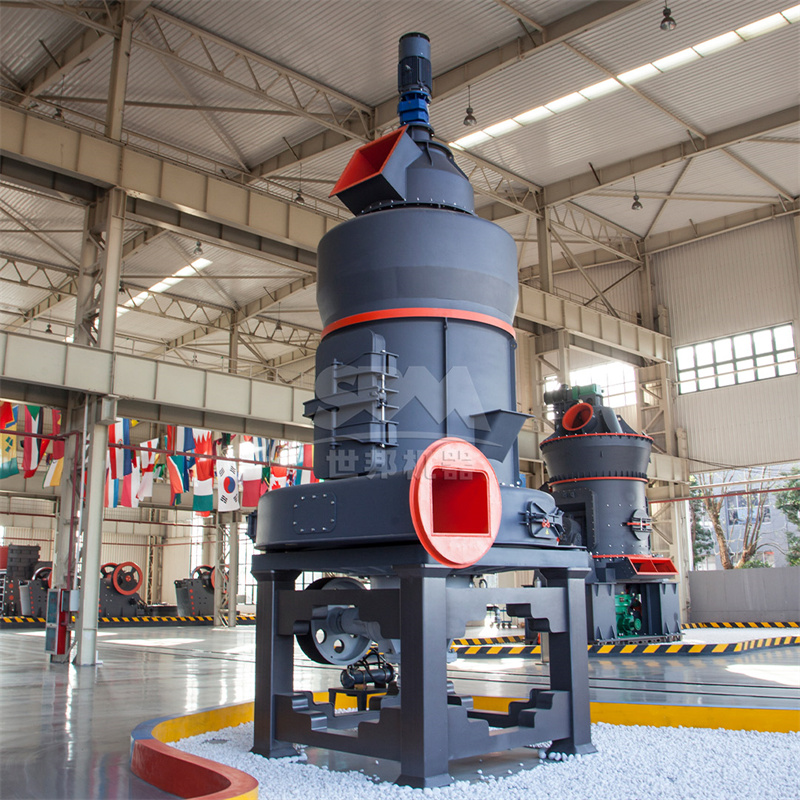
Ultrafine Milling: The Key to High-Performance Grease
For manufacturers targeting the premium segment of the lubricating grease market, achieving an ultrafine particle size (below 10μm) is essential. This is where advanced ultrafine mills become the cornerstone of the production process. One standout solution in this domain is the SCM Series Ultrafine Mill. This mill is specifically engineered to achieve a fineness range of 325 to 2500 mesh (45-5μm), making it an ideal choice for high-quality MoS₂ production. Its working principle involves a main motor driving three layers of grinding rings to rotate, with materials being dispersed by centrifugal force and crushed by roller pressure in a layer-by-layer fashion. The key to its success in grease additive production lies in its technical advantages.
Why the SCM Series Excels for MoS₂ Additives
The SCM Series Ultrafine Mill is not just another grinding mill; it is a system designed for peak performance. Its High Efficiency & Energy Saving feature means it achieves a capacity two times that of traditional jet mills while consuming 30% less energy. For a molybdenum processing plant, this directly translates to lower operational costs and higher throughput. The High-Precision Classification provided by its vertical turbine classifier ensures there is absolutely no coarse powder mixing. This means every batch of MoS₂ additive has a uniform particle size, guaranteeing consistent performance in the final grease. Furthermore, the Durable Design, featuring special material rollers and rings, extends the service life of the mill several times over, which is critical for maintaining profitability in a high-volume mineral processing operation. The models SCM900 (0.8-6.5 t/h) and SCM1250 (2.5-14 t/h) are particularly well-suited for mid-to-large scale molybdenum ore additive production lines.
Medium-to-Fine Production: The Versatile European Trapezium Mill
While ultrafine milling is crucial for top-tier products, a significant portion of the market requires high-quality MoS₂ additives within the 30 to 325 mesh (600-45μm) range. For this segment, the MTW Series European Trapezium Mill offers an unbeatable combination of capacity, efficiency, and robustness. This mill series is designed to process materials up to 50mm in size and deliver a consistent product across a wide capacity range (3-45 t/h). Its technical innovations make it a workhorse in the mineral processing industry.
Addressing Wear and Efficiency in Molybdenum Grinding
One of the biggest operational challenges in grinding molybdenum ore is managing equipment wear. The MTW Series addresses this head-on with its Anti-wear Shovel Design and Wear-resistant Volute Structure. The combined shovel blades and curved design extend the life of grinding rollers and reduce maintenance costs by up to 30%. Furthermore, its Optimized Arc Air Duct reduces airflow energy loss, significantly improving transmission efficiency. The integral bevel gear drive system, which achieves a transmission efficiency of up to 98%, means more power is directed to actual grinding, reducing energy waste. For a plant manager, these features mean a lower cost per ton of finished product and greater machine availability. The MTW138Z (6-17 t/h) or MTW175G (9.5-25 t/h) are excellent choices for a dedicated molybdenum ore grinding line.
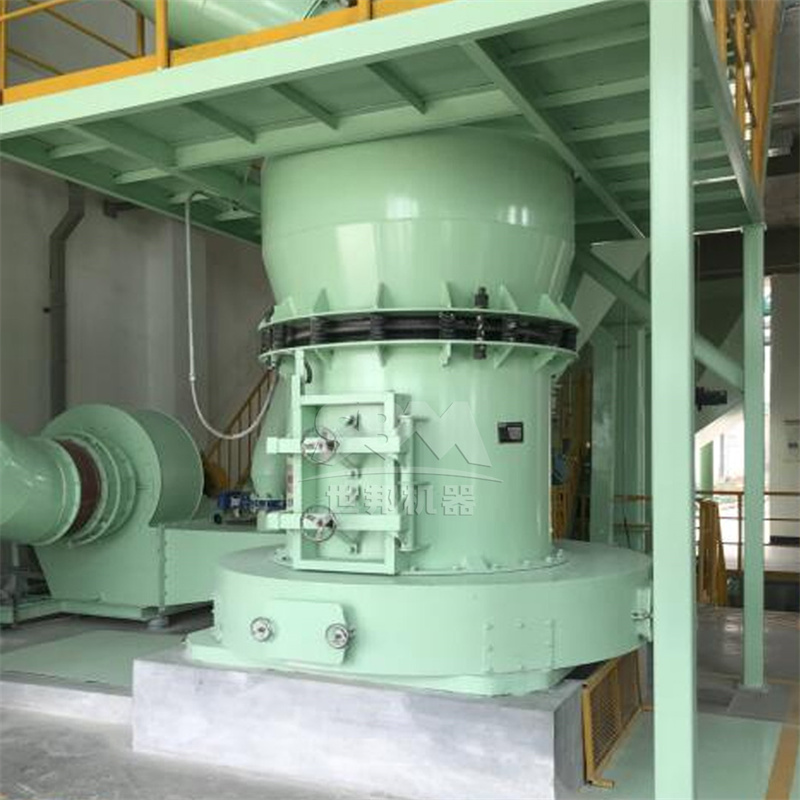
System Integration: Beyond the Mill
Optimizing molybdenum ore additive production is not just about the grinding mill itself; it requires a holistic system. The LM Series Vertical Roller Mill represents the pinnacle of integrated system design. It combines crushing, grinding, drying, and classification into a single vertical unit, reducing floor space by up to 50%. This is particularly beneficial for new plant constructions where footprint is a premium. With an integrated expert-level auto-control system, real-time monitoring of parameters reduces manual intervention, ensuring a stable and consistent product. The non-contact design between rollers and the grinding table in the LM series increases the life of wear parts by three times, and its energy consumption is 30-40% lower than traditional ball mill systems. For large-scale operations requiring high throughput (models like LM190K with 23-68 t/h), the LM series offers a compelling solution for minimizing operational costs while maintaining environmental compliance through its fully sealed, negative pressure operation.
Conclusion: Selecting the Right Equipment for Success
The production of high-performance lubricating greases begins with the quality of its additives. For molybdenum ore (MoS₂), the grinding process is the critical step that transforms raw concentrate into a functional, high-value industrial ingredient. The choice of grinding equipment must be guided by the target particle size, desired capacity, operational efficiency, and long-term reliability. Whether the goal is to produce an ultrafine 5μm additive for military-grade greases using the SCM Series Ultrafine Mill, or a high-volume, standard 200-mesh product for industrial applications using the MTW Series European Trapezium Mill, the technology is available to ensure success. By investing in advanced grinding machinery with intelligent control, high-precision classification, and durable components, producers can optimize their molybdenum ore additive output, reduce costs, and deliver the consistent, high-quality MoS₂ powder that modern lubricating greases demand. The future of lubrication is built on precision, and that precision starts in the mill.