
Introduction: The Critical Role of Kaolin in Pharmaceutical Preparations
Kaolin, a hydrated aluminum silicate clay mineral, has been a cornerstone excipient in pharmaceutical formulations for decades. Its unique properties—chemical inertness, high adsorption capacity, excellent flowability, and low cost—make it indispensable in oral solid dosage forms, topical creams, and even some parenteral suspensions. As an API-grade excipient, kaolin must meet stringent pharmacopeial standards (USP/NF, EP, JP) regarding purity, particle size distribution, microbial limits, and heavy metal content. Among these, particle size and morphology are paramount because they directly influence compressibility, sedimentation behavior, adsorption kinetics, and bioavailability.
Producing API-grade kaolin powder demands more than just mining and washing. The milling system is the heart of the processing line, determining final fineness, particle shape, contamination risk, and operational efficiency. Choosing the wrong mill can lead to excessive iron contamination, broad particle size distributions, heat-induced degradation, or prohibitively high energy costs. This article provides a comprehensive guide to selecting the optimal milling system for pharmaceutical-grade kaolin, with special emphasis on the equipment that consistently delivers precision and compliance.
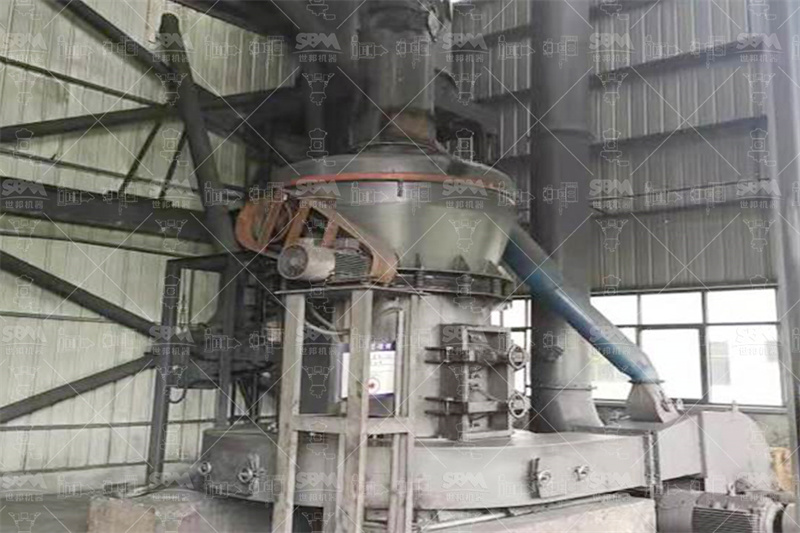
Key Requirements for Milling API-Grade Kaolin
Before evaluating mill types, it is essential to define the target specifications for pharmaceutical kaolin. Typical API-grade kaolin requires:
- Fineness: 95% passing 45 μm (325 mesh) or finer, often down to 10–20 μm for certain suspension applications. Some high-purity grades require D50 between 2–5 μm.
- Particle Size Distribution (PSD): Narrow PSD to ensure consistent adsorption and flow. Coarse tailings must be minimized.
- Contamination Control: Iron, titanium, and other heavy metals must be below pharmacopeial limits. Milling media and liners must be non-contaminating (e.g., ceramic or special alloys).
- Thermal Stability: Kaolin can undergo dehydroxylation above 450–500°C. Mills that generate excessive heat (e.g., high-speed impact) may alter crystallinity.
- Hygiene and Cleanability: Equipment must be designed for easy cleaning and validation, with minimal dead zones and FDA-compliant contact materials.
- Yield and Cost: High yield of usable fine powder, low energy consumption per ton, and minimal maintenance downtime.
Given these requirements, the milling system must offer precise classification, gentle grinding, and robust containment. In the following sections, we analyze the most suitable mill technologies for API-grade kaolin, highlighting two standout solutions from our portfolio.
Milling Technologies for Kaolin: A Comparative Overview
Several mill types are used in kaolin processing, each with distinct advantages and limitations:
- Ball Mills: Traditional, robust, but energy-intensive and prone to iron contamination from steel media. Difficult to achieve narrow PSD without post-classification.
- Hammer Mills: Suitable for coarse crushing (0–3 mm), not for fine API-grade powder.
- Jet Mills: Capable of ultrafine grinding (d50 < 5 μm) but high energy consumption and limited capacity. Not cost-effective for large-scale pharmaceutical production.
- Vertical Roller Mills (VRM): Efficient for medium-fine grinding (45–600 mesh). Integrated classification reduces footprint. However, wear parts may introduce contamination if not carefully selected.
- Pendulum Mills: Offer a good balance of fineness (30–325 mesh) and capacity. Improved designs reduce maintenance and contamination.
- Ultrafine Mills with Dynamic Classifiers: Best for precise top-size control and narrow PSD. Can achieve 325–2500 mesh with minimal coarse particles.
For API-grade kaolin, the ideal system combines a gentle grinding action, a high-efficiency dynamic classifier, and contamination-free contact surfaces. Among our product lines, the SCM Series Ultrafine Mill and the MTW Series European Trapezium Mill are particularly well-suited for this task.
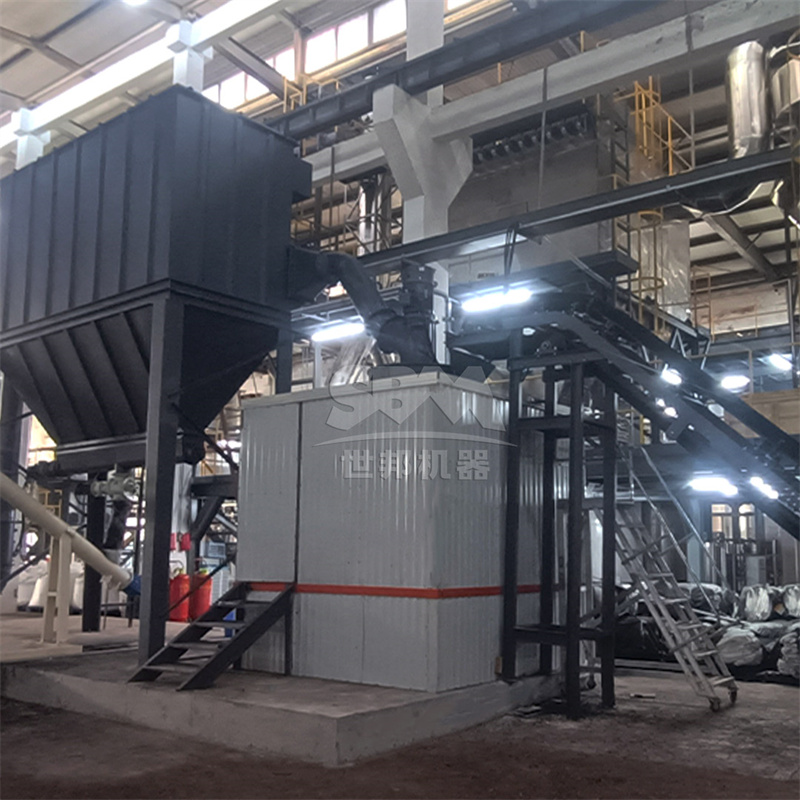
SCM Series Ultrafine Mill: Precision Grinding for High-Purity Kaolin
The SCM Series Ultrafine Mill is a flagship solution for producing API-grade kaolin with stringent particle size requirements. Its design addresses the key challenges of pharmaceutical milling: contamination, heat, and inconsistent PSD.
Technical Advantages for Pharmaceutical Applications
- High-Precision Classification: The vertical turbine classifier enables precise particle size cutting (325–2500 mesh). No coarse powder mixing, ensuring a uniform finished product that meets pharmacopeial PSD specifications.
- Contamination-Free Grinding: Special material rollers and rings can be supplied in ceramic or wear-resistant alloy, minimizing iron pickup. The shaftless screw grinding chamber ensures stable operation with minimal vibration, reducing particle agglomeration.
- Energy Efficiency: Capacity is twice that of jet mills, with 30% lower energy consumption. Intelligent control with automatic finished product granularity feedback maintains consistent quality without operator intervention.
- Eco-friendly and Low Noise: Pulse dust collection efficiency exceeds international standards, capturing fine particles that could otherwise become airborne contaminants. Soundproof room design ensures noise levels below 75 dB, suitable for pharmaceutical cleanroom environments.
- Compact and Cleanable: The closed-loop system minimizes product loss and facilitates cleaning validation. All contact surfaces are stainless steel or FDA-compliant materials.
Working Principle
The main motor drives three layers of grinding rings to rotate. Materials are dispersed into the grinding path by centrifugal force, crushed by roller pressure, and ground layer by layer. Finally, powder collection is completed by a cyclone collector and a pulse dust removal system. This gentle, layer-by-layer grinding action prevents overheating and maintains the kaolin’s crystallinity.
Models and Specifications (Selected)
| Model | Capacity (t/h) | Main Power (kW) | Feed Size (mm) | Fineness (mesh) |
|---|---|---|---|---|
| SCM800 | 0.5–4.5 | 75 | 0–20 | 325–2500 |
| SCM900 | 0.8–6.5 | 90 | 0–20 | 325–2500 |
| SCM1000 | 1.0–8.5 | 132 | 0–20 | 325–2500 |
| SCM1250 | 2.5–14 | 185 | 0–20 | 325–2500 |
| SCM1680 | 5.0–25 | 315 | 0–20 | 325–2500 |
For a typical pharmaceutical kaolin line requiring 2–5 t/h of d97 < 20 μm powder, the SCM1000 or SCM1250 is an excellent choice. The SCM Series is particularly recommended when the target fineness exceeds 800 mesh or when narrow PSD is critical.
MTW Series European Trapezium Mill: Flexible and Cost-Effective for Medium-Fine Kaolin
Not all pharmaceutical kaolin applications require ultrafine grinding. For oral tablets and capsules, a typical fineness of 200–325 mesh (45–75 μm) is often sufficient. In such cases, the MTW Series European Trapezium Mill offers a compelling combination of capacity, efficiency, and low maintenance.
Technical Advantages
- Anti-wear Shovel Design: Combined shovel blades reduce maintenance costs. The curved design extends grinding roller life, minimizing downtime and contamination risk from worn parts.
- Optimized Arc Air Duct: Reduces airflow energy loss and improves transmission efficiency. High-strength guard plates protect the air duct working surface, ensuring long-term stable operation.
- Integral Bevel Gear Drive: Transmission efficiency up to 98%, saving space and reducing installation costs. The sealed drive system prevents oil leakage into the product.
- Wear-resistant Volute Structure: Non-resistance flow design improves air selection efficiency. Maintenance costs reduced by 30% compared to conventional mills.
Working Principle
The main motor drives the grinding rollers to revolve around the central axis while self-rotating to generate centrifugal force. Shovels throw materials between the ring and rollers to form a material layer, achieving efficient crushing through extrusion. The classification system precisely controls the finished product size. This material-bed grinding action is gentle and generates minimal heat.
Models and Specifications (Selected)
| Model | Capacity (t/h) | Main Power (kW) | Feed Size (mm) | Fineness (mesh) |
|---|---|---|---|---|
| MTW110 | 3–9 | 55 | <30 | 10–325 |
| MTW138Z | 6–17 | 90 | <35 | 10–325 |
| MTW175G | 9.5–25 | 160 | <40 | 10–325 |
| MTW215G | 15–45 | 280 | <50 | 10–325 |
For a 10 t/h API-grade kaolin line targeting 325 mesh, the MTW175G is a cost-effective workhorse. It delivers consistent PSD with lower energy consumption than a ball mill and is easier to clean than a jet mill. The MTW Series is also suitable for pre-grinding before an ultrafine mill if a two-stage process is desired.
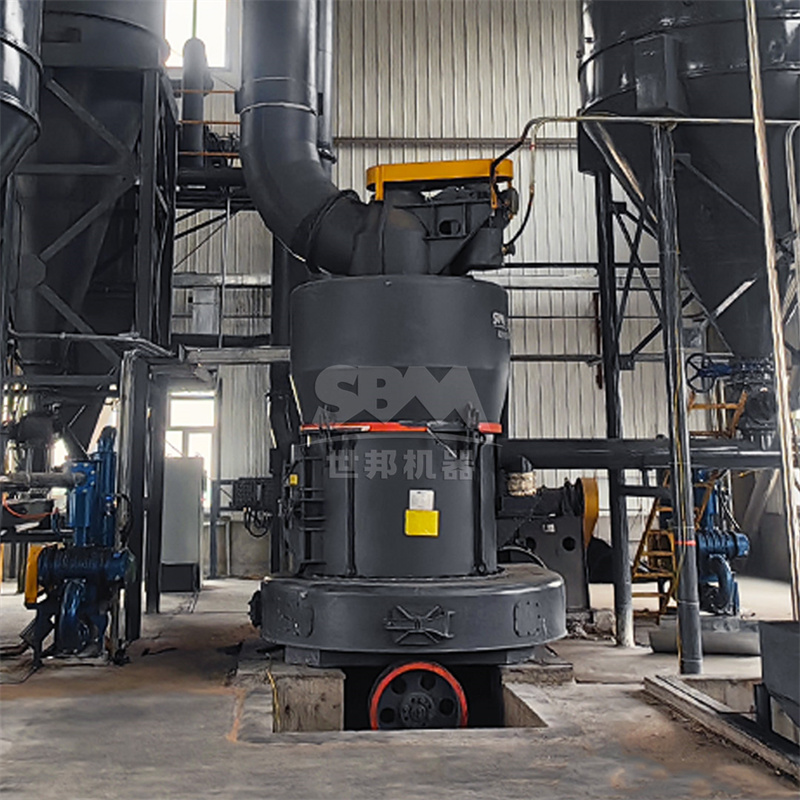
How to Choose the Right Milling System: A Decision Framework
Selecting the optimal mill for API-grade kaolin involves a systematic evaluation of your production goals, raw material characteristics, and regulatory constraints. Use the following framework:
1. Define Your Target Particle Size and Distribution
- If you need d97 < 10 μm or narrow PSD for suspension formulations, choose the SCM Series Ultrafine Mill.
- If you need 45–75 μm for tablet excipients, the MTW Series is more economical.
- If you need both, consider a two-stage setup: MTW for coarse grinding, SCM for fine grinding.
2. Assess Contamination Risks
- Evaluate the wear parts of each mill. The SCM Series offers ceramic or special alloy options. The MTW Series uses high-chrome or manganese steel, which may require additional magnetic separation.
- Consider the entire contact path: feeders, classifiers, cyclones, and dust collectors must be compatible with pharmaceutical cleaning and validation.
3. Evaluate Capacity and Energy Consumption
- Calculate your required tons per hour. The SCM Series excels at low-to-medium capacities (0.5–25 t/h) with high energy efficiency. The MTW Series handles higher capacities (up to 45 t/h) but may produce a slightly broader PSD.
- Compare specific energy consumption (kWh/t). The SCM Series consumes 30% less energy than jet mills. The MTW Series consumes 30–40% less than ball mills.
4. Consider Thermal Sensitivity
- Kaolin should not be heated above 450°C. Both SCM and MTW mills operate at low temperatures due to their material-bed grinding action. Avoid high-speed impact mills that generate localized hot spots.
5. Plan for Maintenance and Cleanability
- Look for quick-change grinding elements, easily accessible classifiers, and smooth internal surfaces. The SCM Series features a shaftless screw grinding chamber for stable operation and easy cleaning. The MTW Series has combined shovel blades that reduce maintenance frequency.
- Ensure the mill can be disassembled and cleaned without introducing contaminants. Sanitary design is critical for API-grade production.
6. Validate with Pilot Testing
- Before full-scale investment, conduct pilot-scale milling trials with your specific kaolin source. Particle size, moisture content, and hardness vary by deposit. Both SCM and MTW mills can be tested at our pilot facility.
Case Study: Optimizing a 5 t/h API-Grade Kaolin Line
A pharmaceutical excipient manufacturer required 5 t/h of kaolin powder with d97 < 15 μm and iron content < 100 ppm. They initially used a jet mill but faced high energy costs and inconsistent PSD. After testing, they selected an SCM1250 Ultrafine Mill with ceramic-lined grinding rings. The results:
- Fineness: d97 = 12 μm, d50 = 3.5 μm
- Iron content: < 50 ppm (due to ceramic liners and pulse dust collection)
- Energy consumption: reduced by 35% compared to jet mill
- Capacity: 5.5 t/h, exceeding design target
- Noise level: < 75 dB, suitable for indoor installation
This case demonstrates that the SCM Series can deliver both precision and cost savings for high-value pharmaceutical kaolin.
Conclusion: Partnering for Pharmaceutical Excellence
Choosing the right milling system for API-grade kaolin is a strategic decision that impacts product quality, regulatory compliance, and profitability. The SCM Series Ultrafine Mill and MTW Series European Trapezium Mill represent two proven, versatile solutions that can be tailored to your specific requirements. With advanced classification, contamination control, and energy efficiency, these mills help you achieve the narrow PSD and high purity that pharmaceutical applications demand.
We invite you to consult our engineers for a detailed feasibility study and pilot testing. By selecting the optimal milling system, you ensure that your kaolin powder meets the highest pharmacopeial standards and delivers consistent performance in every batch.