
1. Introduction to Phosphate Rock Processing
Phosphate rock is the primary raw material for producing phosphate fertilizers and various phosphorus-based chemicals. The global agricultural industry relies heavily on the efficient extraction and processing of this critical mineral resource. However, run-of-mine phosphate ore typically contains impurities such as silica, clay, carbonates, and iron oxides, which must be removed through a series of physical and chemical processes. The complete beneficiation workflow can be broadly categorized into three main stages: crushing, grinding, and beneficiation (or concentration). Each stage requires purpose-built equipment to achieve optimal liberation of phosphate minerals from gangue materials while maintaining high throughput and cost-efficiency. This guide provides a comprehensive overview of the essential machinery employed in each phase of the phosphate rock processing plant, with a focus on modern technological advancements that enhance recovery rates and reduce energy consumption.
2. Primary and Secondary Crushing: Breaking Down the Ore
The first step in any phosphate processing plant is the reduction of blasted or mined run-of-mine (ROM) ore from boulders down to a manageable size suitable for downstream grinding. Crushing typically occurs in two or three stages. Primary crushers, often jaw crushers or gyratory crushers, handle the coarsest material, reducing feed sizes of up to 1.5 meters down to 150-200 mm. In the secondary and tertiary stages, cone crushers and impact crushers further reduce the ore to a size below 20-50 mm, which is the optimal feed size for most grinding mills. The selection of crusher type depends on the ore’s abrasiveness, hardness, and moisture content.
For phosphate rock, which is often moderately hard but can contain sticky clay, impact crushers and hammer mills are frequently utilized in the secondary stage due to their high reduction ratios and ability to handle slightly moist materials. Dust suppression systems are critical at this stage to meet environmental regulations and recover valuable fine material. Efficient crushers not only ensure a consistent feed size for the grinding circuit but also prevent over-crushing, which can lead to slimes generation during downstream beneficiation.
3. Grinding: The Heart of the Processing Plant
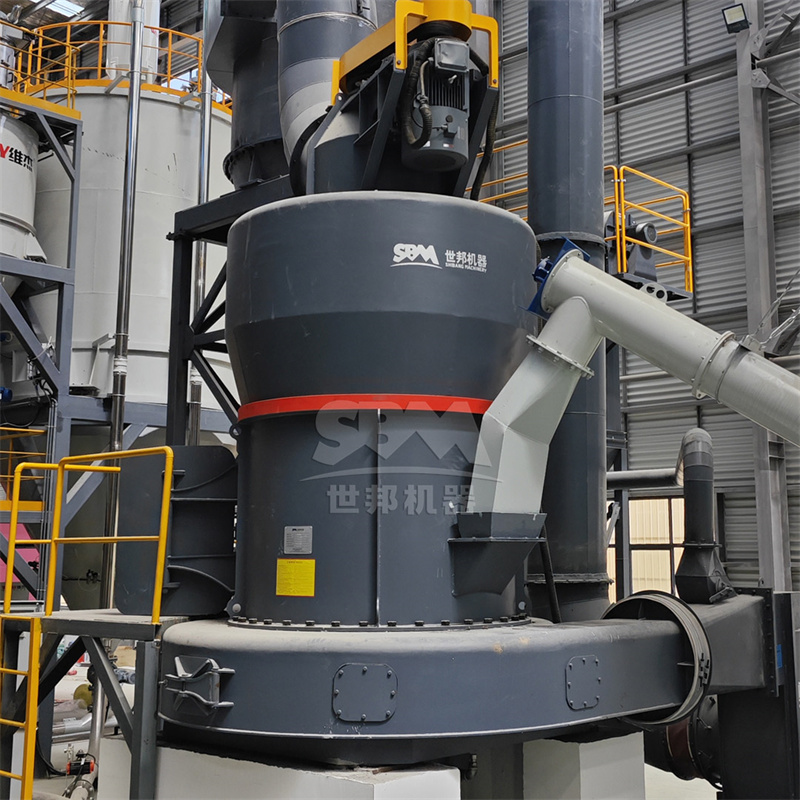
Grinding is the subsequent stage where crushed phosphate rock is pulverized to liberate individual mineral particles. The objective is to achieve a particle size distribution that allows for efficient separation in the beneficiation stage, typically with a P80 (80% passing size) of 150-200 micrometers for flotation. Grinding equipment can be broadly classified into ball mills, vertical roller mills (VRMs), and medium-speed mills. While ball mills are traditional and widely used, they are notoriously energy-intensive. In contrast, vertical roller mills and medium-speed trapezium mills offer superior energy efficiency, consuming 30-40% less power than ball mills for the same duty.
The choice of grinding technology also depends on the downstream beneficiation method. If the ore is destined for direct acidulation, a coarser grind may suffice. However, for flotation concentration, a finer, more precise grind is required. Low-grade phosphate ores often require a grinding stage that avoids the production of excessive ultra-fines (slimes), which are difficult and costly to process. Therefore, modern circuits are increasingly adopting high-pressure grinding rolls (HPGRs) or vertical roller mills for their ability to produce a more uniform particle size distribution and reduce slimes generation.
For high-capacity operations requiring throughput of up to 250 tons per hour, the LM Series Vertical Roller Mill stands out as an industry benchmark. It integrates crushing, drying, grinding, and classifying into a single unit, significantly reducing the plant footprint and capital costs. The roller-table contact design minimizes wear, and the intelligent control system allows for remote monitoring and adjustment of fineness, ensuring stable operation under varying ore conditions.
3.1 Fine Grinding for Specialty Phosphate Products
While coarse grinding (200-325 mesh) is standard for fertilizer production, certain applications such as animal feed supplements and direct application fertilizers require fine phosphate rock powder (often called rock phosphate flour). This type of powder is widely used in organic farming due to its slow-release properties. For these specific applications, micronization to 45-5 micrometers (equivalent to 325-2500 mesh) is often required. This is where our SCM Series Ultrafine Mill excels.
Designed for high-efficiency grinding of soft to medium-hard materials like phosphate rock, the SCM Series uses a multi-layer grinding ring and high-pressure rollers to produce uniform fine powders. Its vertical turbine classifier ensures extremely sharp particle size cuts, preventing over-grinding and guaranteeing consistent product quality. The SCM mill is particularly effective for producing rock phosphate powders used in direct soil application, as the high surface area increases the agronomic availability of phosphorus. Its capacity ranges from 0.5 to 25 t/h, making it scalable for pilot plants or large-scale manufacturers. The intelligent control system automatically adjusts the classifier speed to compensate for variations in feed hardness, ensuring that the target fineness is consistently maintained.
4. Beneficiation Processes: Separating Valuable Minerals
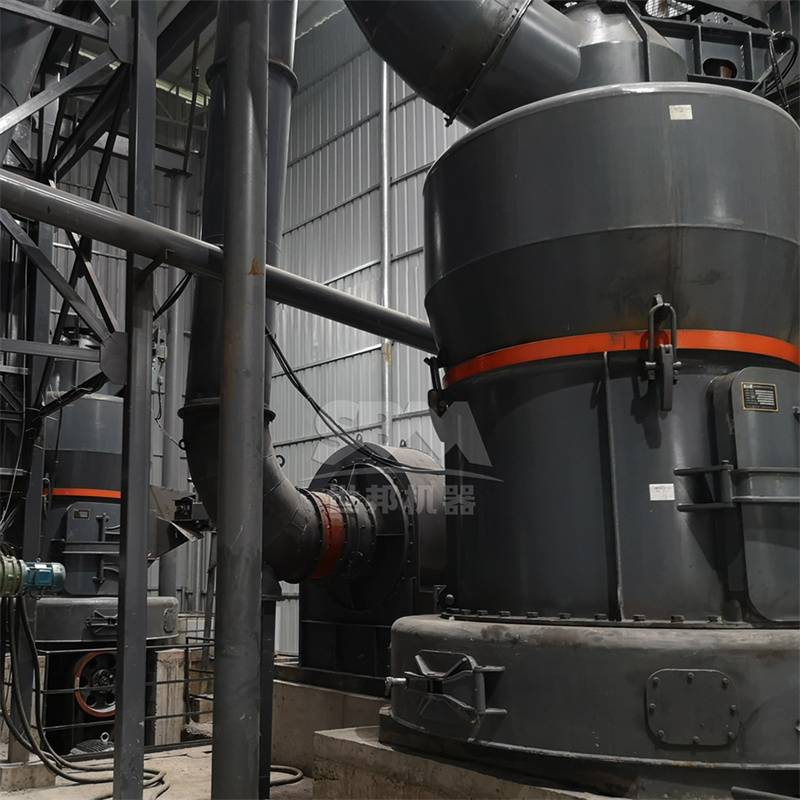
Once the phosphate ore is properly ground, the next critical stage is beneficiation, which aims to upgrade the phosphorus pentoxide (P2O5) content by removing gangue materials. The most common beneficiation techniques include froth flotation, gravity separation, and magnetic separation. Froth flotation is the dominant method globally, especially for sedimentary phosphate ores with high silica content. It relies on the difference in surface properties of phosphate and gangue minerals. Through a series of conditioning steps with reagents (collectors, frothers, and depressants), phosphate particles are rendered hydrophobic and attach to air bubbles, rising to the surface to form a froth that is collected and dewatered.
4.1 Flotation Process Mastery
The flotation circuit typically involves multiple stages: rougher, scavenger, and cleaner flotation. The rougher stage recovers the bulk of the phosphate, the scavenger stage recovers remaining values from the tailings, and the cleaner stages upgrade the concentrate to the final specification. Efficient classification of the feed to flotation is vital, often requiring desliming to remove clay slimes (<20 micrometers) that interfere with the flotation chemistry. In this context, the role of precise grinding and classification is even more critical, as over-sized particles can be lost to the tailings, while slimes consume expensive reagents.
5. Drying and Material Handling
Following beneficiation, the phosphate concentrate slurry is typically dewatered using vacuum filters or centrifuges and then dried in a rotary dryer to reduce moisture content below 3% for safe storage and transportation. The drying process is energy-intensive, and efficient burners and heat recovery systems are essential for economic operations. Conveying systems, including belt conveyors and bucket elevators, must be robust to handle the abrasive nature of phosphate rock dust.
In all stages, from crushing to drying, dust collection is a critical environmental and operational consideration. Advanced pulse-jet baghouses are standard, ensuring clean air and recovery of valuable product fines. Our grinding equipment integrates such dust collection systems to ensure compliance with the world’s strictest environmental regulations.
6. Equipment Selection: Key Criteria and Recommendations
Selecting the right equipment for phosphate processing is a complex decision based on several factors:
- Ore Characterization: Hardness (Bond Work Index), abrasiveness, and moisture content.
- Required Plant Capacity: Throughput targets dictate the size and number of units.
- Product Specification: Target P2O5 grade and particle size distribution.
- Energy Costs: Operating costs are dominated by electricity consumption.
- Capital Costs: Initial investment and installation complexity.
Given the high energy costs associated with grinding, it is often the primary focus for optimization. While traditional ball mills are extremely reliable, they offer low energy efficiency. In many modern installations, the MTW Series European Trapezium Mill has become the go-to solution for medium to coarse grinding (10-325 mesh) due to its high capacity (up to 45 t/h) and lower operational costs.
The MTW mill features an integral bevel gear drive with up to 98% transmission efficiency, which directly translates to lower energy bills. Its anti-wear shovel design and optimized air ducts minimize maintenance downtime. For a 200-ton-per-day phosphate fertilizer plant, choosing an MTW mill over a conventional ball mill can result in energy savings of up to 30%, significantly improving the overall project ROI.
7. Integrated Grinding Solutions for Complex Facilities
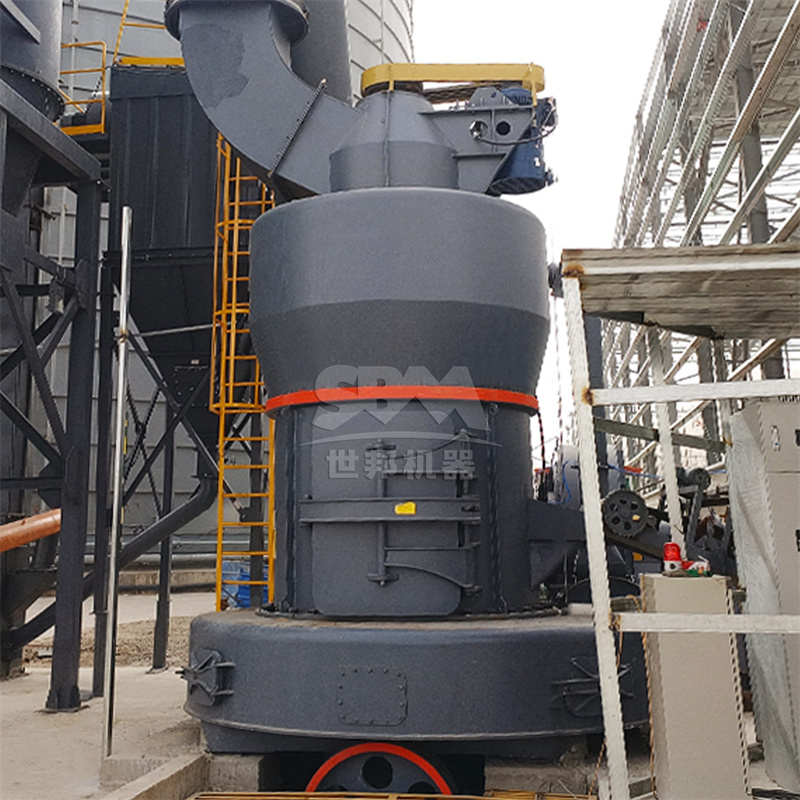
In many cases, a phosphate processing plant may require multiple stages of grinding. For instance, a plant might produce both a standard feed for flotation (<200 mesh) and a fine powder specialty product (<400 mesh). In these scenarios, a combination of equipment types is necessary. As an industry leader in fine and ultra-fine grinding technology, we recommend our LUM Ultrafine Vertical Roller Mill for the secondary grinding stage, often following a primary ball mill or MTW mill. The LUM series differentiates itself through its stationary classifier and low-vibration design, delivering high-quality powder from 325 to 2500 mesh. The lower energy consumption and minimal maintenance required by the LUM are significant advantages for plants aiming for low life-cycle costs.
Furthermore, with the rising trend of reducing tailings volumes and maximizing resource utilization, pre-grinding and secondary grinding circuits that incorporate vertical pre-grinding mills (such as our LM-Y series) can improve the milling capacity of existing ball mills by up to 50%, breaking traditional bottlenecks without major capital investment in new buildings or foundations.
8. Conclusion
The successful processing of phosphate rock into usable fertilizers demands a sophisticated chain of crushing, grinding, and beneficiation equipment. Each link in this chain must be carefully selected and optimized to handle the unique characteristics of the ore, meet production specifications, and achieve economic and environmental sustainability. While the principles of size reduction remain constant, innovations in roller mills, high-efficiency classifiers, and automated control systems have revolutionized the industry’s energy footprint.
From primary crushing to the final classification, we provide a comprehensive range of equipment engineered for the phosphate industry. Our portfolio, including the LM Vertical Roller Mill, MTW Trapezium Mill, SCM Ultrafine Mill, and LUM Ultrafine Vertical Roller Mill, ensures that producers can find the exact solution needed for their specific niche, whether it is bulk fertilizer production or specialty micronutrient powders. We invite you to contact our engineering team for further assistance in selecting the optimal processing equipment for your next phosphate project.