
Introduction to Post-Calcined Coke Processing
Post-calcined coke, a highly pure carbon material derived from green petroleum coke through the calcination process, serves as a critical raw material in various industries, including aluminum production (anodes), steel manufacturing (recarburizers), and the production of graphite electrodes. The calcination process removes volatile matter and moisture, leaving behind a dense, high-carbon structure. However, to be utilized effectively in these downstream applications, the calcined coke must undergo further mechanical processing to achieve specific particle size distributions, surface areas, and bulk densities. This is where the crucial role of specialized grinding, milling, and classification equipment comes into play. The selection of the right machinery directly impacts product quality, energy efficiency, and overall plant economics.
The processing of post-calcined coke typically involves a series of stages: primary crushing, fine grinding or milling, and air classification. Each stage demands robust machinery designed to handle the abrasive nature of the material. The hardness and abrasiveness of calcined coke can cause significant wear and tear on equipment, necessitating the use of wear-resistant components and innovative design features. Furthermore, with increasing environmental regulations, the processing system must be enclosed and equipped with efficient dust collection to ensure a clean and safe working environment. This article explores the key machines utilized in this process, focusing on their working principles, technological advantages, and selection criteria.
Primary Crushing and Coarse Milling
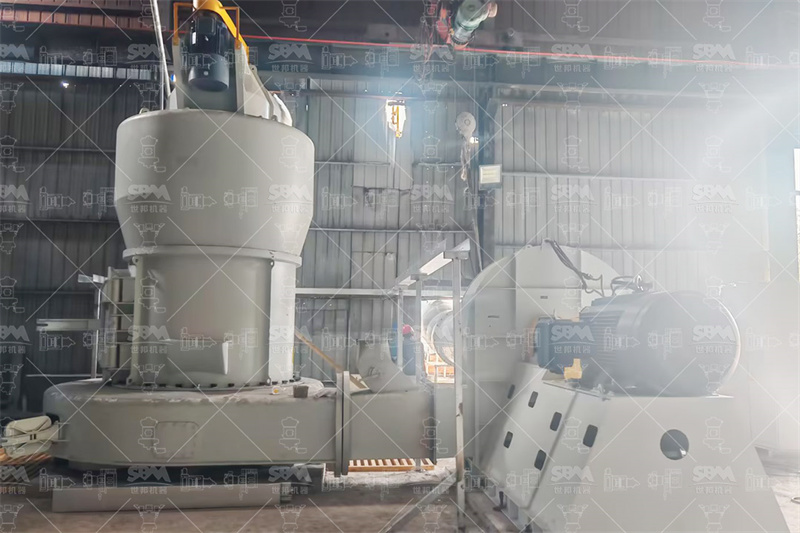
Before fine grinding, large lumps of calcined coke (usually up to 50mm) must be reduced to a manageable size. For this purpose, several types of equipment are suitable. Hammer Mills are an excellent choice for primary and secondary crushing, capable of reducing material to a size of 0-3mm in a single pass. Their high capacity and robust construction make them ideal for the initial size reduction stage. Another effective solution for mid-range processing is the MTW Series European Trapezium Mill, which can accept a feed size of up to 50mm and grind it down to a fineness of 30-325 mesh. Its advanced features, such as the integral bevel gear drive and optimized arc air duct, provide high efficiency and lower energy consumption compared to traditional mills, making it a perfect primary milling solution for harder materials like calcined coke.
The Heart of Processing: Vertical Roller Mills for Medium-to-Fine Grinding
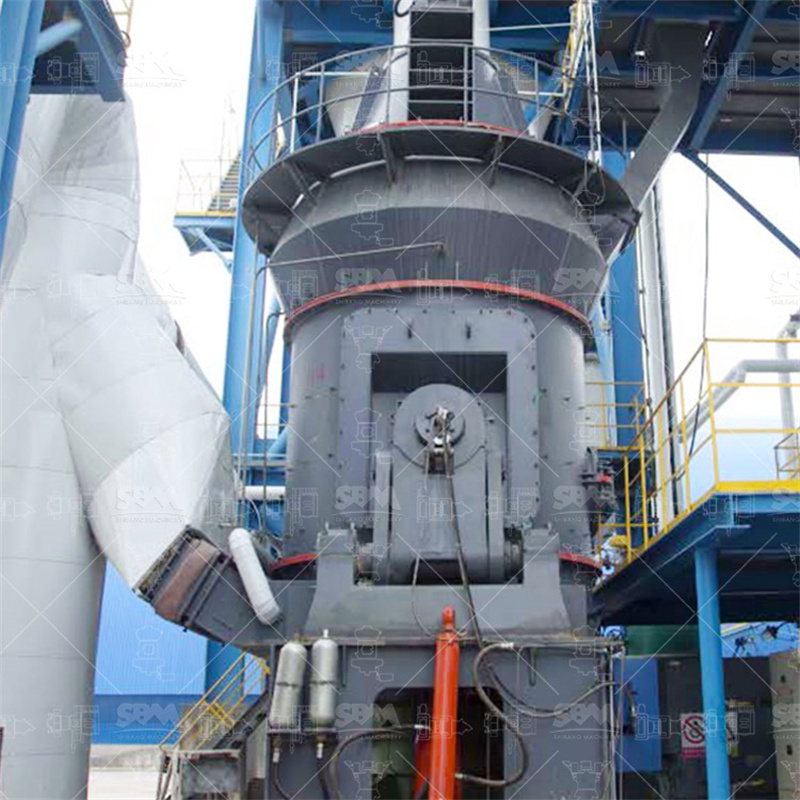
For applications requiring a fine product between 45μm and 600μm (30-325 mesh), the LM Series Vertical Roller Mill stands out as a highly efficient and integrated solution. Unlike traditional ball mills, the LM mill combines crushing, grinding, drying (if needed), and classification into one unit. This integrated design reduces the floor space by up to 50% and lowers infrastructure costs by 40%. The grinding process involves a motor-driven grinding table rotating under stationary rollers. Material fed onto the center of the table is carried to the grinding zone by centrifugal force.
The rollers, operating under hydraulic pressure, crush and grind the material bed. The negative pressure system ensures a dust-free operation. As the material is ground, fine particles are carried upward by an air stream to a high-efficiency dynamic classifier, which precisely controls the product fineness. Coarse particles fall back onto the grinding table for further reduction. The LM series is renowned for its low operating costs, consuming 30-40% less energy than ball mill systems, and its wear parts have a service life three times longer. For most post-calcined coke processing lines focusing on anode production, this type of mill offers the best combination of efficiency and product uniformity.
Achieving Ultra-Fine Fineness: The SCM Ultrafine Mill
In certain specialized applications, such as the production of high-performance graphite or specialty carbon products, there is a growing demand for ultra-fine calcined coke powder with a fineness ranging from 45μm down to 5μm (325-2500 mesh). This is where our flagship SCM Series Ultrafine Mill comes into play. This machine is not just a mill; it is a complete system incorporating grinding and high-precision classification in a single, highly efficient unit.
The SCM mill operates on a principle of layer-by-layer grinding. The main motor drives multiple layers of grinding rings to rotate at high speed. Feed material is dispersed into the grinding path by centrifugal force and crushed between the rings and the rollers. The patented swing-arm design ensures that pressure is evenly distributed, producing a uniform powder with exceptional fineness. The capacity of the SCM series is double that of traditional jet mills, yet its energy consumption is 30% lower. The vertical turbine classifier is a key component, guaranteeing that no coarse powder is mixed into the final product, ensuring a sharp particle size distribution crucial for high-quality sintered products. With models ranging from the SCM800 (0.5-4.5 t/h) to the powerful SCM1680 (5.0-25 t/h), we can tailor a solution for any production scale.
The Critical Role of Classification
Classification is as important as grinding. In many milling systems, the classifier is integrated into the mill; however, for applications with stringent requirements or for closed-circuit operations with other mills, standalone classifiers are used. High-efficiency dynamic classifiers use a rotating turbine to create a centrifugal force that throws coarse particles outward while allowing fine particles to pass through the center. This precise zoning ensures a consistent and high-quality final product. The performance of the classifier directly determines the efficiency of the entire grinding circuit, as it prevents the mill from over-grinding and wasting energy on particles that have already reached the desired size.
Product Recommendation: The Power of SCM and MTW
To address the complete spectrum of post-calcined coke processing, we offer a comprehensive portfolio of solutions. For producers requiring maximum efficiency and durability in the medium-fine range (30-325 mesh) with high throughput, we highly recommend the MTW Series European Trapezium Mill (MTW215G). Its bevel gear drive, up to 98% transmission efficiency, and robust wear-resistant components make it an outstanding workhorse for continuous industrial operation, delivering up to 45 tons per hour. The MTW series excels in reducing maintenance costs and ensuring stable, prolonged production runs.
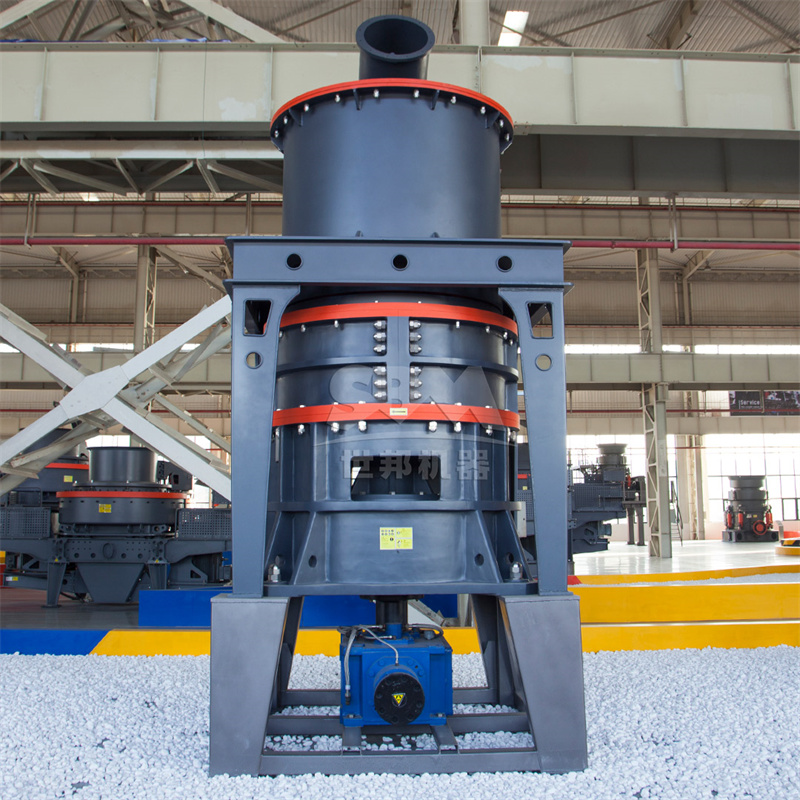
Conversely, for producers aiming to create premium, ultra-fine carbon products, our SCM Series Ultrafine Mill (SCM1250) is the definitive choice. It is engineered for high added-value applications and provides an unrivalled combination of fine grinding and precise classification. The intelligent control system provides automatic feedback and adjustment of the finished product granularity, ensuring that even at a fineness of 2500 mesh, the operation remains stable and efficient. Its eco-friendly pulse dust collection system and soundproof design ensure it meets the most stringent environmental and safety standards. Whether the goal is consistent anode-grade coke or specialized micro-fine powder, the SCM and MTW series represent the pinnacle of Chinese engineering for this sector.
Conclusion: Selecting the Right Processing Strategy
The efficient processing of post-calcined coke is a demanding engineering challenge that requires a strategic approach to equipment selection. The choice between a hammer mill, trapezium mill, vertical roller mill, or ultrafine mill depends entirely on the target product specifications. By understanding the principles of grinding and classification and leveraging the advanced features of modern equipment, manufacturers can minimize energy consumption, maximize yield, and ensure the highest quality output. Investing in top-tier machinery, such as the MTW and SCM series, is not merely an operational cost but a strategic investment in quality, productivity, and long-term competitiveness in the global carbon market. Our engineering team is dedicated to providing tailored solutions that meet the precise fineness and capacity requirements of every client.