
Introduction
Potassium feldspar is a vital industrial mineral used extensively in ceramics, glass, and enamel production. Its role as a fluxing agent lowers the melting temperature of raw materials, improving energy efficiency and product quality. To unlock its full potential, potassium feldspar must be ground to a fine powder—typically ranging from 200 to 800 mesh or even finer. Selecting the right grinding mill is therefore critical for optimizing production efficiency, product quality, and operational costs. This article provides a comprehensive guide to choosing the appropriate grinding equipment for your potassium feldspar powder plant, referencing industry-proven technologies and our company’s advanced product portfolio.
Key Factors in Mill Selection
Before delving into specific equipment, it is essential to understand the parameters that dictate mill choice:
- Fineness Requirement: The final particle size directly influences the application. Ceramic glazes often require 200–325 mesh, while high-end applications may demand 800 mesh or finer.
- Capacity: Production scale ranges from a few tons per hour to over 50 t/h. The mill must match your desired output without excessive energy consumption.
- Material Properties: Potassium feldspar has a Mohs hardness of 6–6.5, which is moderately abrasive. Equipment must be wear-resistant to minimize maintenance.
- Energy Efficiency: Grinding is energy-intensive; choosing a mill with low power consumption per ton is crucial for profitability.
- Environmental Compliance: Dust and noise emissions must be controlled to meet regulations.
With these factors in mind, we can evaluate the most suitable mill types for potassium feldspar powder production.
Grinding Mill Options for Potassium Feldspar
1. Ultrafine Mills for High-Fineness Applications
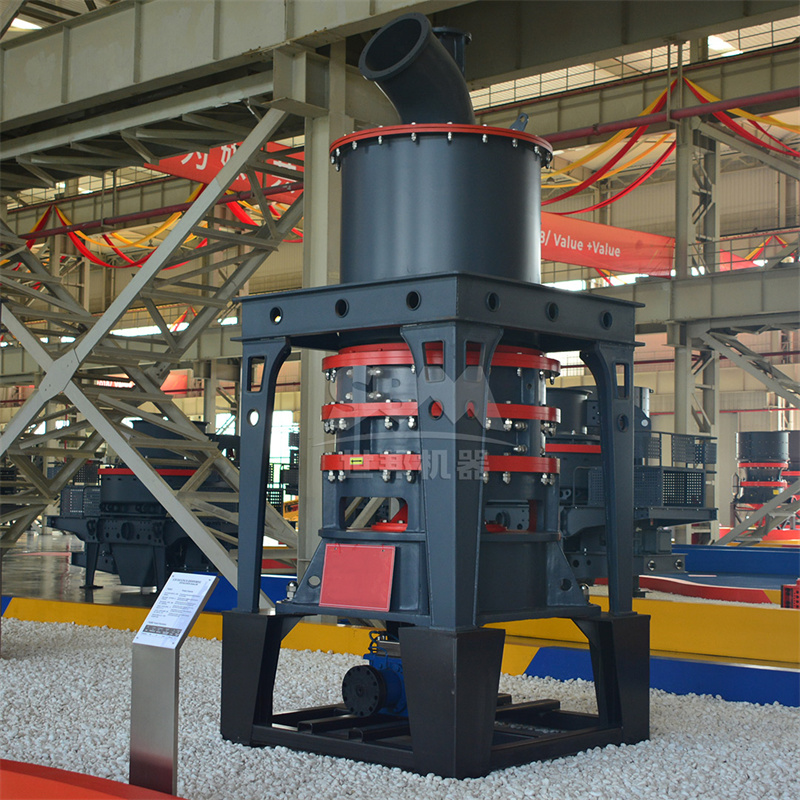
When ultrafine powder (325–2500 mesh) is required, such as for high-quality ceramics or specialty coatings, an ultrafine mill is the optimal choice. Our SCM Series Ultrafine Mill is engineered to deliver exceptional performance in this range. It features a vertical turbine classifier that ensures precise particle size cutting with no coarse powder mixing, resulting in a uniformly fine product. The mill’s capacity is twice that of a jet mill, while energy consumption is 30% lower, making it a cost-effective solution. Additionally, the durable design with special material rollers and rings extends service life, and the pulse dust collection system exceeds international environmental standards.
For plants requiring even finer output (down to 5μm), the LUM Ultrafine Vertical Roller Mill is an excellent alternative. Its unique roller and liner curves improve grinding efficiency, and the multi-rotor classifier guarantees no coarse particles. The PLC automation ensures stable operation with minimal manual intervention.
2. European Trapezium Mills for Medium-to-Fine Grinding
For applications requiring 30–325 mesh (down to 0.038mm) and capacities up to 45 t/h, the MTW Series European Trapezium Mill is a versatile workhorse. Its anti-wear shovel design and curved grinding rollers reduce maintenance costs, while the integral bevel gear drive achieves 98% transmission efficiency, saving space and installation costs. The optimized arc air duct minimizes airflow energy loss, and the wear-resistant volute structure improves air selection efficiency by 30%. This mill is ideal for producing ceramic-grade feldspar powder with consistent quality.
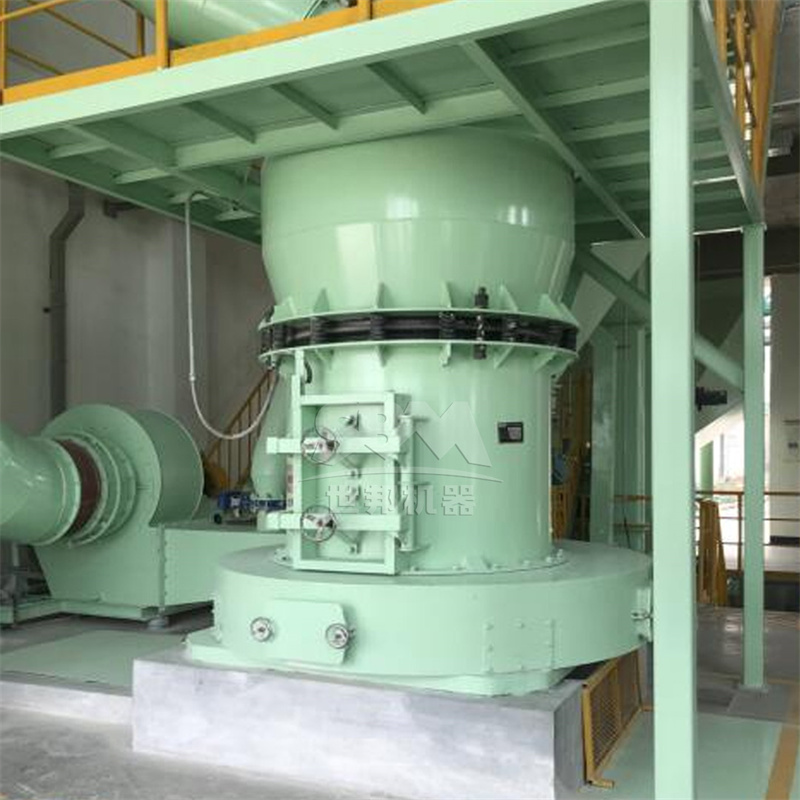
Another strong contender in this category is the MTM Series Medium-speed Trapezium Mill, which features intelligent pressure regulation that automatically compensates for roller wear, extending component life by 30%. Its innovative roller assembly with horizontal pull-rod connection protects the main shaft bearings, and the damping springs reduce noise and vibration. With models offering 3–22 t/h, the MTM series is suitable for medium-scale plants.
3. Vertical Roller Mills for Large-Scale Production
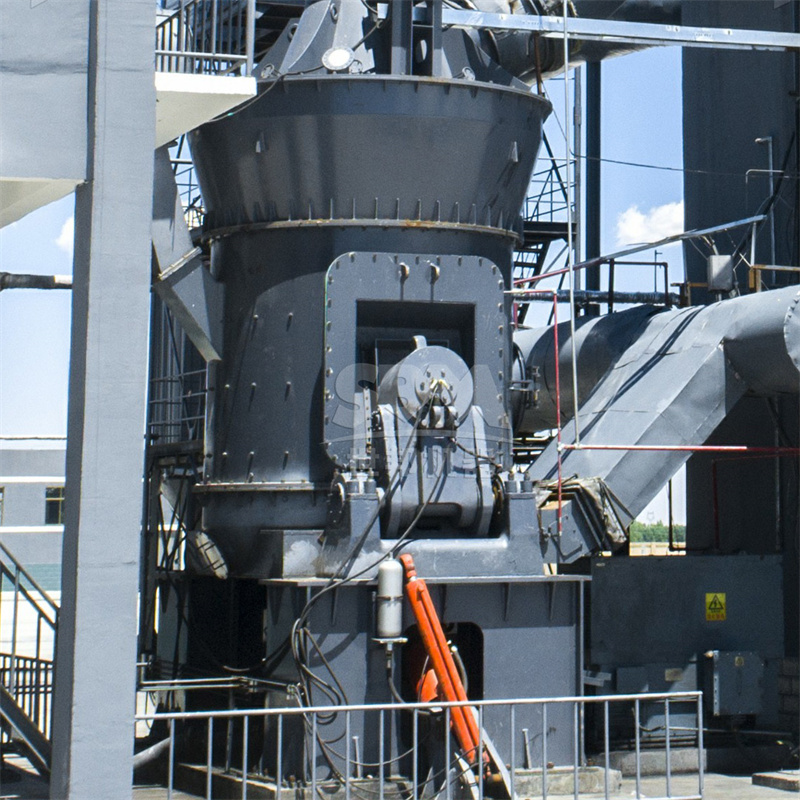
When high capacity (up to 250 t/h) and energy efficiency are paramount, the LM Series Vertical Roller Mill stands out. Its integrated design combines crushing, grinding, and classification, reducing floor space by 50% and infrastructure costs by 40%. The non-contact design between rollers and table minimizes wear, and energy consumption is 30–40% lower than ball mill systems. The expert-level auto-control system enables remote monitoring, and the fully sealed negative pressure operation ensures dust emissions are well below limits. For potassium feldspar plants aiming at large-scale production, the LM series is a reliable and sustainable choice.
4. Ball Mills for Traditional and Wet Grinding
Ball mills remain a classic option for potassium feldspar grinding, particularly for wet processing or when a high crushing ratio (up to 300:1) is needed. Our Ball Mill series offers capacities from 0.65 to 450 t/h and can handle both dry and wet modes. The large effective volume and stable operation make it suitable for continuous production. However, ball mills generally have higher energy consumption compared to vertical roller mills, so they are best suited for plants where wet grinding or specific particle size distribution is required.
5. Hammer Mills for Pre-Crushing
Before grinding, potassium feldspar ore must be crushed to a feed size suitable for the mill (typically ≤20–50mm). The Hammer Mill is an ideal primary crushing solution, offering high capacity (up to 70 t/h) and a compact structure. Its high manganese steel liners ensure long life, and the optimized cavity design provides a high crushing ratio. By pre-crushing the material, you can improve the efficiency of the subsequent grinding stage.
Recommended Products for Your Plant
Based on our extensive experience in mineral processing, we highly recommend the following two products for potassium feldspar powder production:
- SCM Series Ultrafine Mill: For plants targeting ultrafine powder (325–2500 mesh) with high efficiency and precise classification. Its intelligent control and eco-friendly design make it a future-proof investment.
- MTW Series European Trapezium Mill: For medium-to-fine grinding (30–325 mesh) with capacities up to 45 t/h. Its robust construction and low maintenance costs ensure reliable operation and quick return on investment.
These two mills cover a wide range of fineness and capacity requirements, and both are backed by our patented technologies and global service network.
Conclusion
Choosing the right grinding mill for potassium feldspar powder production hinges on your specific fineness targets, capacity needs, and operational budget. Ultrafine mills like the SCM series excel in high-fineness applications, while European trapezium mills like the MTW series offer versatility for medium-fine grinding. For large-scale operations, vertical roller mills provide unmatched energy efficiency. By carefully evaluating your requirements and consulting with equipment experts, you can select a mill that maximizes productivity and minimizes costs. Our company’s diverse portfolio of grinding solutions is designed to meet these challenges head-on, ensuring your plant achieves optimal performance and profitability.